Why is liquid cooling bad?
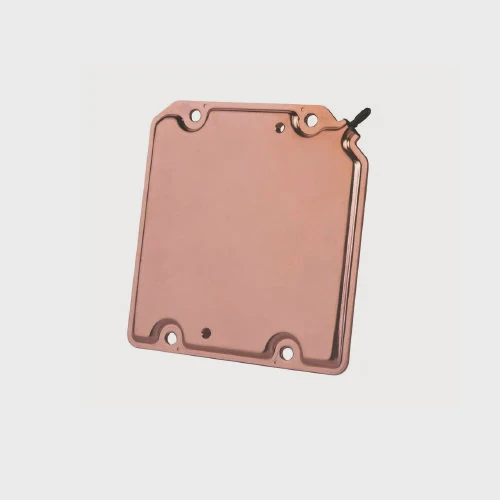
Liquid cooling sounds efficient, but it comes with serious concerns. It can cause leaks, corrosion, electrical damage, and maintenance headaches if not managed well.
Liquid cooling can be bad because it introduces risks like leakage, pump failure, and corrosion that can damage equipment and increase maintenance costs.
While it offers excellent thermal control, liquid systems are complex, sensitive, and not always reliable for every environment. Let’s take a closer look at why.
What are the risks of using liquid cooling?
At first glance, liquid cooling seems like a perfect solution to overheating. It removes heat faster than air and keeps components stable. But underneath that efficiency lies a web of hidden risks.
The main risks of liquid cooling include leaks, corrosion, pump failure, clogging, and system contamination that can lead to performance loss or hardware failure.
1. Leak hazards
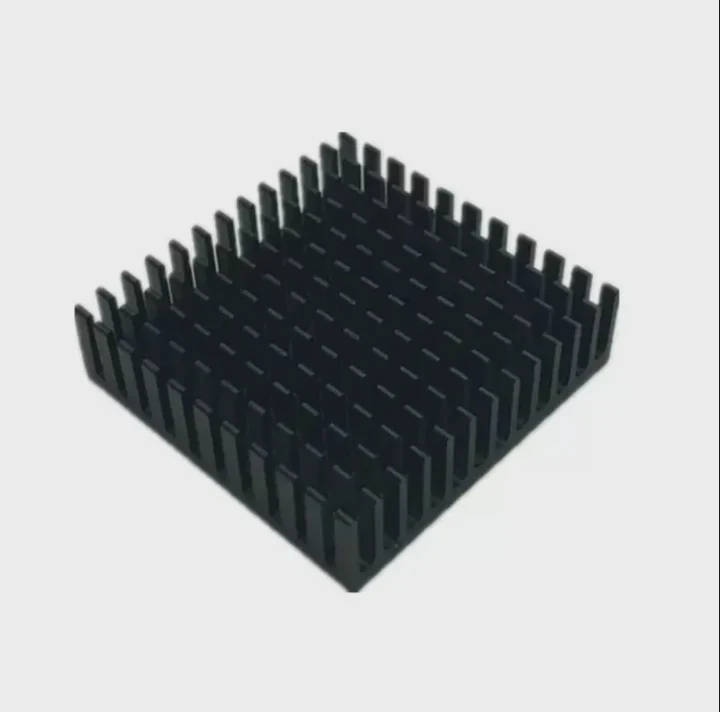
The biggest fear in any liquid cooling system is leakage. Even a small leak can cause major problems. Liquids, especially conductive ones, can short-circuit electronics, destroy connectors, or corrode surfaces.
For instance, in a data center or electric vehicle, one drop of leaked coolant can damage sensors or printed circuit boards.
2. Corrosion and contamination
Liquid cooling systems often use water-based or glycol-based fluids. Over time, these fluids can react with metal components inside the loop, especially if incompatible materials are used.
The result? Rust, oxidation, or chemical sludge — all of which reduce heat transfer efficiency.
3. Pump and flow issues
Pumps are the heart of a liquid cooling system. If they fail, heat builds up rapidly. Air bubbles, low fluid levels, or clogging can cause pump failure or reduced flow rate.
4. High maintenance
Unlike air cooling, liquid systems require frequent checks — fluid levels, tubing condition, and seals all need inspection. Ignoring these checks can result in catastrophic failure.
| Common Risk | Root Cause | Possible Impact |
|---|---|---|
| Leak | Poor seal or loose fitting | Short circuit, corrosion |
| Corrosion | Incompatible metals | Reduced heat transfer |
| Pump failure | Air bubbles, wear | Overheating |
| Contamination | Dust or microbes | Clogging, reduced efficiency |
The balance between cooling performance and system safety is delicate. Engineers must weigh the benefits of thermal performance against potential long-term reliability issues.
What issues can occur with leaks or maintenance?
I once worked on a liquid-cooled test bench that failed after only three months. The cause was a micro-leak in the tubing joint — invisible at first but deadly in the long run.
Leaks can cause electrical shorts, corrosion, and performance loss, while poor maintenance can lead to pump wear, clogging, and system failure.
Leak issues
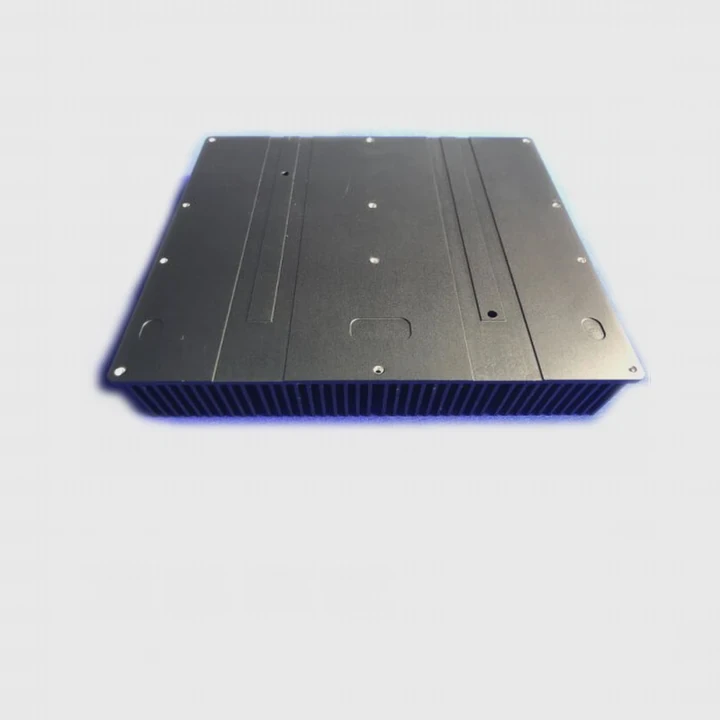
Leaks often start small — a tiny crack in a hose, an aging seal, or improper assembly. But because liquids move under pressure, small leaks can quickly spread.
If coolant contacts electronics, short circuits can occur instantly. Even non-conductive coolants can carry impurities that become conductive over time.
Here are typical leak-related problems:
- Electrical failure: When coolant reaches power lines or chips.
- Component corrosion: Even minor leaks can oxidize metals.
- Pressure loss: Reduced pressure lowers cooling efficiency.
Maintenance-related problems
Liquid cooling systems require ongoing attention. Unlike fans, which just need occasional cleaning, liquid systems involve multiple moving parts and fluids that age.
Without regular maintenance, the following can happen:
- Fluid degradation: Over time, coolants lose their thermal properties or grow biological matter like algae.
- Clogging: Mineral deposits or particles can block microchannels or pumps.
- Seal wear: Rubber or silicone seals may dry, crack, or lose flexibility.
Maintenance complexity table
| Maintenance Task | Frequency | Failure Effect if Ignored |
|---|---|---|
| Check fluid levels | Monthly | Air in loop, overheating |
| Replace coolant | Every 12–24 months | Corrosion, contamination |
| Inspect seals and fittings | Every 6 months | Leaks |
| Clean radiator | Every 6 months | Reduced heat exchange |
Maintenance is often the deciding factor in whether liquid cooling succeeds or fails. Skipping even one check can shorten system life dramatically.
How to minimize those risks effectively?
When I started designing liquid cooling setups, I quickly learned that success depended not only on the design but on how well we managed risks.
You can minimize liquid cooling risks by using high-quality materials, ensuring tight sealing, maintaining regular inspections, and using non-conductive coolants.
1. Use proper materials
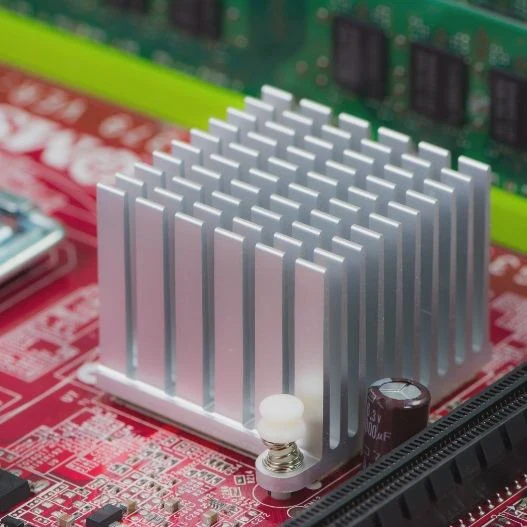
Choose corrosion-resistant materials like anodized aluminum, nickel-plated copper, or stainless steel. Avoid mixing metals with different electrochemical potentials, as this causes galvanic corrosion.
2. Select non-conductive coolants
Even though most systems use water-based fluids, special dielectric coolants are available that prevent short circuits in case of leaks. These coolants are often used in data centers and aerospace systems.
3. Design for reliability
- Use redundant pumps for critical systems.
- Add pressure sensors to detect leaks early.
- Install quick-disconnect fittings that seal automatically when detached.
- Design the loop layout to minimize stress on joints and reduce vibration.
4. Maintain a strict maintenance schedule
Create a maintenance log that includes:
- Regular leak checks
- Coolant replacement intervals
- Pressure monitoring
- Visual inspections
5. Train your technicians
Proper training can prevent assembly errors — one of the top causes of leaks. Every connector and clamp must be installed with precision and checked for tightness.
6. Use smart monitoring systems
Modern liquid cooling systems can integrate sensors that track:
- Temperature
- Pressure
- Flow rate
- Leak detection
These systems send alerts to operators if something abnormal happens. This helps prevent small issues from becoming disasters.
Minimizing risk is not about avoiding liquid cooling altogether. It’s about understanding the vulnerabilities and designing systems that handle them intelligently.
What are the advancements in leak prevention?
Technology in thermal management has advanced quickly. When I visited a manufacturing partner recently, I saw how modern systems use sensors and smart fittings to reduce risks almost entirely.
Recent advancements in leak prevention include smart sensors, self-sealing connectors, advanced materials, and integrated monitoring systems for real-time protection.
1. Self-sealing connectors
Today’s systems use quick-disconnect (QD) fittings that automatically close when separated. This prevents fluid loss during maintenance or equipment replacement. These fittings also reduce the risk of operator error.
Some aerospace and EV applications use dry-break couplings, which are designed for zero-drip performance — ensuring no fluid escapes when disconnected.
2. Smart sensors and leak detection
Sensors can detect even microscopic leaks.
Technologies include:
- Optical sensors that detect moisture near critical joints.
- Pressure transducers that alert operators when system pressure drops.
- Electrical resistance sensors that trigger alarms when coolant contacts circuits.
These sensors connect to monitoring software, providing instant alerts through dashboards or IoT systems.
3. Advanced materials and coatings
New research focuses on anti-corrosive and hydrophobic coatings inside tubes and radiators. These coatings reduce friction, prevent biofilm growth, and resist corrosion.
| Innovation | Description | Benefit |
|---|---|---|
| Hydrophobic coating | Repels water and contaminants | Prevents corrosion, improves flow |
| Nickel plating | Protective layer on copper | Avoids oxidation |
| Polymer tubing | Flexible and corrosion-free | Reduces risk of cracking |
4. AI-assisted predictive maintenance
In high-end systems, machine learning algorithms analyze temperature and pressure patterns to predict leaks before they occur.
By monitoring gradual pressure loss or flow changes, AI tools can recommend preventive maintenance days or weeks ahead.
5. Integrated leak containment design
Some systems now include secondary containment chambers or drain-back designs, so if a leak happens, the liquid is captured and diverted safely away from sensitive electronics.
6. Standardization and testing
Industry standards such as IEC 62368-1 and ASHRAE TC 9.9 now specify safety requirements for liquid-cooled systems.
Manufacturers perform:
- Pressure tests
- Thermal cycling
- Long-term corrosion testing
These standards ensure that systems can handle years of operation without leaks or degradation.
Looking forward
Future research aims to create self-healing materials that can automatically seal micro-cracks using embedded polymer chemistry. Another exciting direction is electrostatic containment, where electric fields hold coolant inside channels, even if micro-fractures appear.
The future of liquid cooling is not about eliminating liquid but controlling it with intelligence and precision.
Conclusion
Liquid cooling provides powerful performance but comes with real risks. Leaks, corrosion, and maintenance challenges can damage equipment if not carefully managed. With new materials, smart sensors, and proper design, these risks can be reduced — turning a once risky method into a safe, reliable cooling solution.
TAGS
Latest Articles

Volume discount levels for heat sink orders?
Buyers often ask when heat sink prices start to drop with volume. Many worry they’re overpaying for small orders. This guide explains how B2B volume pricing works for thermal components. Heat sink
21 Dec,2025
Heat sink long-term supply contract options?
Many buyers want stable pricing and reliable delivery for heat sinks. But without a clear contract, risks grow over time. This article explores how to secure better long-term supply deals. Long-term
21 Dec,2025
Tooling cost for new heat sink profiles?
Many engineers struggle to understand why tooling for custom heat sinks costs so much. They worry about budgeting and production timelines. This article breaks down the cost drivers behind tooling.
21 Dec,2025
Heat sink custom sample process steps?
Sometimes, starting a custom heat sink project feels overwhelming—too many steps, too many unknowns, and too many risks. You want a sample, but not endless delays. The process for requesting and
20 Dec,2025
Standard B2B terms for heat sink payments?
When buyers and sellers in B2B heat sink markets talk about payment, many don’t fully understand what’s standard. This can lead to delayed orders, miscommunication, and even lost business
20 Dec,2025
Heat sink pricing factors for large orders?
Heat sinks are vital for many systems. When prices rise, projects stall and budgets break. This problem can hit teams hard without warning. Large order heat sink pricing depends on many factors. You
20 Dec,2025Related Articles
- How to liquid cool a PS3?
- How to set up a liquid cooling CPU?
- What Is the Best Liquid Cooling System?
- How to use liquid nitrogen for cooling?
- Is Alienware Aurora R8 Liquid Cooled?
- Which is better, liquid cooling or air?
- How to check if liquid cooling pump is working?
- How to transition from air to liquid cooling?
- Why does a liquid cool down when it evaporates?
- Does RTX 3090 need liquid cooling?
- What Is a Liquid Cooling System for a Computer?
- Is the Royal Enfield Super Meteor 650 Liquid Cooled?
Author
Dr. Emily Chen
Chief AI Researcher
Leading expert in thermal dynamics and AI optimization with over 15 years of experience in data center efficiency research.
Categories
Latest Products






Recommend Categories
- Liquid cooling plate Manufacturer
- Industrial Heat Sink Manufacturer
- Standard Heat Sink Manufacturer
- Aluminum Heat Sink Manufacturer
- Copper Heat Sink Manufacturer
- Anodized Heatsink Manufacturer
- Stamping heat sink Manufacturer
- Die Casting Heatsink Manufacturer
- Soldering heat sink Manufacturer
- CNC Parts Manufacturer
Latest Products
- Wholesale Aluminum Radiator
- Water Cooling Plate Kit
- Water Cooling Heat Sink
- Water Cooling Heat Sink Kit
- Stainless Steel Water Distributor
- Server Water Cooling Plate Kit
- Server Liquid Cooling System
- Server Aluminum Cooling Kit
- S19 Full Cover Cooling Plate
- S19 Cooling Plate Kit
- S19 Aluminum Cooling Plate
Contact Expert
Have questions about this article? Reach out to our experts directly.