Does Vapor Chamber meet aerospace standards?
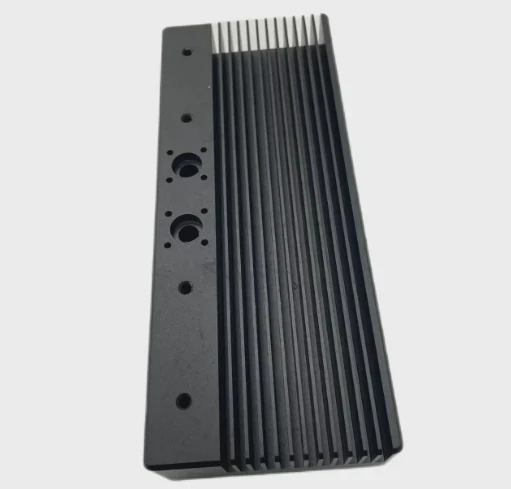
When spacecraft electronics heat up, failure can be costly. Designers struggle to find cooling solutions that are light yet rugged. Vapor chambers offer a potential fix—but do they really survive the harsh aerospace environment?
Vapor chambers can meet aerospace-level demands if they are built with proper materials and pass industry‑standard tests such as vibration, thermal cycling, and altitude simulation.
That promise is strong. Below we dig into the main challenges and what an aerospace‑ready vapor chamber must prove.
Are Vapor Chambers compliant with aerospace specs?
Electronics in aircraft or satellites can fry under heat stress. Vapor chambers might prevent that—but only if they meet strict aerospace design rules.
Many vapor chamber designs already align with aerospace requirements, especially when using quality materials, tight sealing, and post‑manufacture testing.
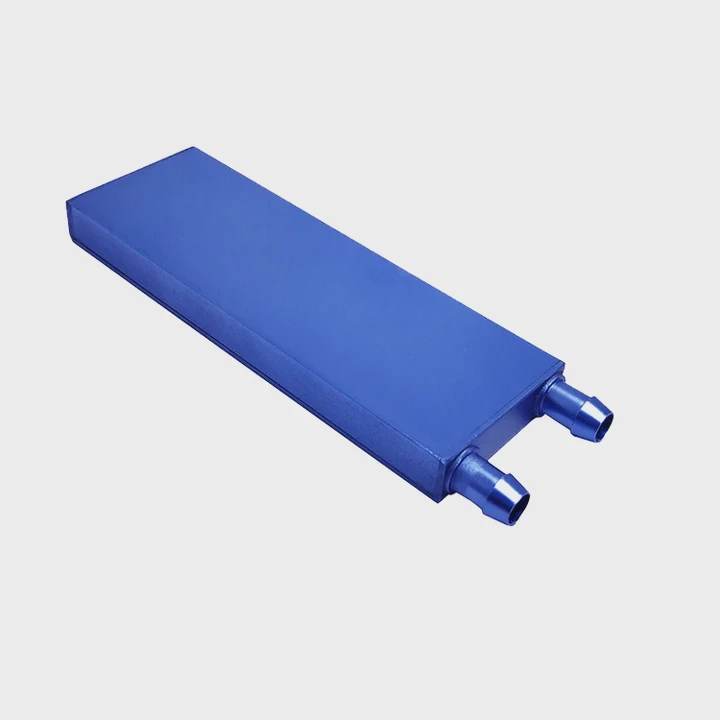
Vapor chambers work by spreading heat across a wide plate through phase‑change and liquid return. In consumer electronics and some high-performance systems, they handle this well. Aerospace adds hurdles: radiation, vacuum, pressure changes, vibration, moisture control, low outgassing, fire safety, and long-term reliability.
What aerospace specs demand
- Material purity & outgassing: Aerospace parts often use aluminum or copper alloys. These must release minimal volatile compounds under vacuum or low-pressure conditions to avoid contamination of sensitive sensors.
- Seal integrity: The chamber must hold vacuum or controlled internal fluid pressure through high accelerations and pressure swings. A failing seal can allow leakage or pressure loss.
- Structural strength: High-g loads or vibration can warp thin walls. Chambers need thickness or reinforcement without adding much weight.
Here is a simplified compliance table:
| Requirement category | Typical Vapor Chamber Feature | Potential Gap or Compliance Risk |
|---|---|---|
| Material purity & outgassing | High‑grade aluminum/copper alloys; dry assembly | Requires vacuum bake test and low VOC adhesives |
| Seal integrity | Welded seams or robust solder/braze joints | Risk if using low‑grade solder or adhesives |
| Structural strength | Reinforced walls or ribbed frames | Thin, flat plates may deform under load |
| Thermal performance | Efficient heat spread; uniform surface | Must maintain performance under cold, hot, or varying pressure |
| Long‑term stability | No moving parts; passive liquid return | Needs endurance testing (thermal/vibration) |
In conclusion, vapor chambers can conform — compliance depends on purpose‑designed parts and full environmental testing.
Do they pass vibration, altitude, and thermal tests?
Aerospace gear faces shaking during launch, pressure drops at high altitude, and extreme temperature swings. A vapor chamber must survive all without losing function.
Yes — properly made vapor chambers have passed vibration, altitude simulation, and thermal cycling tests when tested under aerospace protocols.
To earn trust, vapor chambers need to undergo three major kinds of tests:
- Vibration and shock testing — Simulate rocket launch or aircraft turbulence.
- Altitude (pressure) testing — Simulate vacuum or low-pressure environments of high-altitude flight or space.
- Thermal cycling tests — Cover extreme cold and hot phases, repeated many times, to test material fatigue and seal endurance.
Typical test workflow
- Bake the chamber under vacuum or inert gas to remove moisture and volatile compounds.
- Seal and pressurize (or evacuate) chamber.
- Run vibration test — frequencies from a few Hz up to kHz, with multi-axis shaking.
- Expose to altitude simulation — down to vacuum or low-pressure conditions.
- Cycle temperature — from ‑55 °C to +85 °C (or more, depending on mission), often 25–100 cycles.
- After tests: inspect for leaks, pressure loss, internal structure damage, and re‑test thermal performance.
Reports from some aerospace suppliers show that after those tests, a vapor chamber retains structural integrity. Its wick stays intact. Heat spread remains uniform. Leak rates stay within allowable limits. Some designs hold up to 1000 thermal cycles or 20 g vibration without visible degradation.
Is aerospace-grade certification available?
Flight hardware often needs documented certification. Manufacturers must show test data and traceability. Vapor chambers used in aerospace must follow those rules as well.
Aerospace-level certification for vapor chambers is possible — some suppliers offer documented test reports, material traceability, and compliance with standards like ECSS or MIL‑STD.
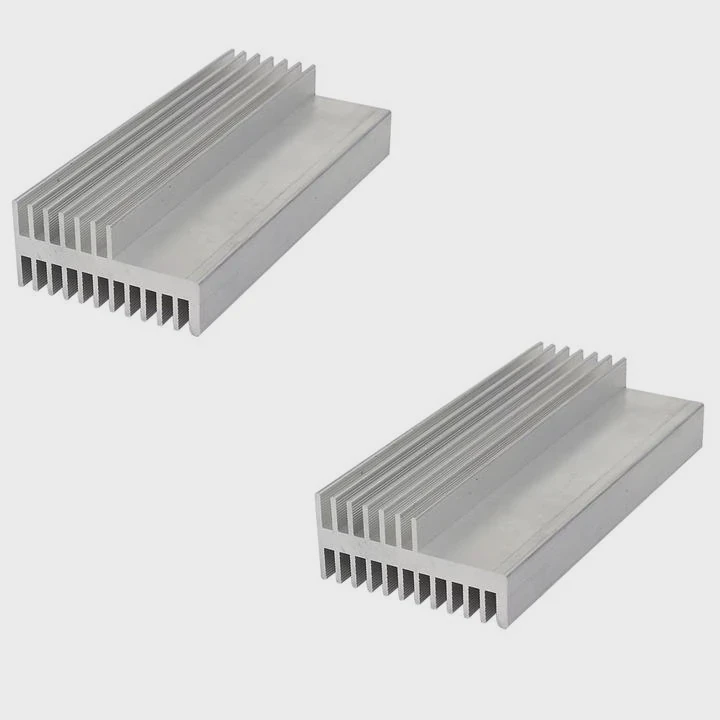
Certification usually means providing a full package: material certificates, non‑destructive weld or braze inspection, leak test data, vibration and shock logs, thermal cycle reports, outgassing data, and sometimes radiation resistance or EMI compatibility.
What certification involves
- Material and process traceability. Each production batch gets documented alloy specs and heat treatment records.
- Welding/brazing inspection. Methods like X-ray, dye‑penetrant, or helium‑mass-spectrometer leak detection ensure seam integrity.
- Environmental testing logs. Vibration, shock, thermal cycling, altitude simulation tests.
- Thermal performance data before and after tests. This shows the chamber still spreads heat as required.
- Outgassing / contamination reports. Especially for vacuum or sensitive electronic environments.
Here is a sample checklist used by aerospace procurement:
| Document Type | Purpose | Typical Supplier Output |
|---|---|---|
| Material certificate | Show alloy, heat‑treatment, purity | Alloy spec sheet + batch number |
| Weld/braze inspection report | Confirm no cracks or imperfections | X‑ray or dye‑penetrant report |
| Leak / pressure test data | Verify seal integrity under low pressure | Helium leak rate, pressure retention |
| Vibration & shock test result | Show structural stability under stress | Pass/fail, displacement graph |
| Thermal cycling test report | Check thermal and mechanical endurance | Pre‑/post performance comparison |
| Outgassing / contamination test | For vacuum or sensitive environments | Total mass loss (TML), condensable volatiles (CVCM) data |
| Thermal conductivity data | Verify heat spread function | Thermal resistance / conductance data |
If a vapor chamber supplier provides all these, and does third‑party or customer‑witnessed testing, the chamber can be considered aerospace‑grade.
Can chambers be customized for flight systems?
Flight systems vary a lot. Satellite electronics, airborne radar, UAV sensors — each needs different shape, size, thermal load, and reliability. Standard vapor chambers rarely fit these varied needs.
Yes — vapor chambers can be custom designed for flight systems. Many aerospace suppliers offer bespoke shapes, materials, sealing methods, and mounting features to match mission requirements.
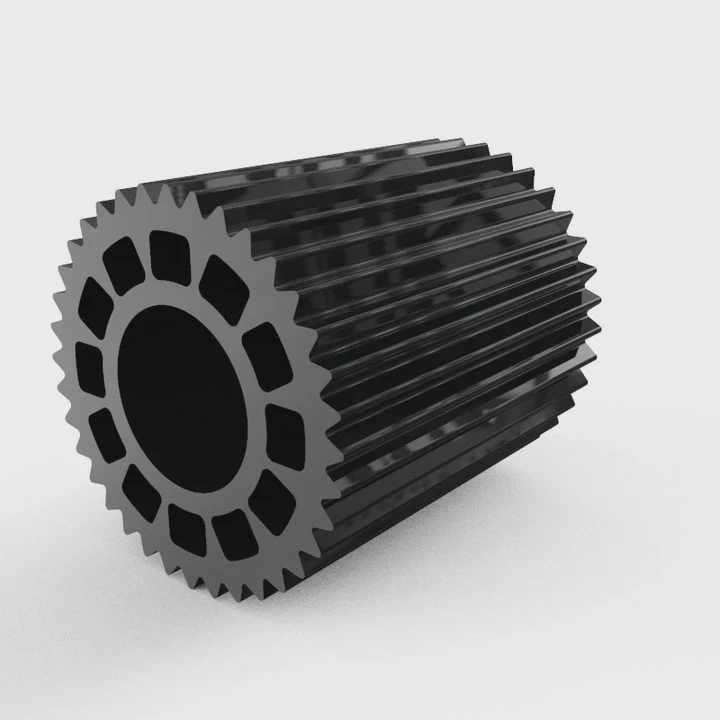
Customization may involve: unique footprint, shape around other components, reinforced housing, mounting tabs, integrated sensors, specific fluid choice, or extra weld points.
Common customization parameters
| Parameter | Why It Matters for Aerospace |
|---|---|
| Shape and size | Fit within constrained avionics racks or housings |
| Material alloy | Match structural requirements, minimize mass |
| Seal method | Use welds or brazes, avoid adhesives for reliability |
| Fluid type | Use low‑outgassing, non‑flammable fluids for vacuum or pressurized cabin |
| Mounting / interface | Allow secure attachment and thermal paths |
| Testing regimen | Provide full test suite: vibration, altitude, thermal, contamination, EMI |
Examples of customization
- A chamber shaped to wrap around irregular boards or battery packs, offering even cooling across different components.
- Reinforced versions with thicker walls or ribs to survive high‑g launch loads during a rocket launch.
- Versions with mounting flanges or bolt holes to integrate with a larger frame.
- Chambers filled with a fluid stable over −60 °C to +125 °C and tested under vacuum for satellite use.
- Multilayer structures combining vapor chamber with cold‑plate and structural elements, for compact module integration.
That process ensures the final chamber fits exactly the flight system requirements — in size, shape, interface, thermal load, and environmental resilience.
Conclusion
Vapor chambers can meet aerospace standards — but only when built and tested under strict processes. They can pass vibration, altitude, and thermal tests. Aerospace‑grade certification is possible. They can also be customized to fit flight‑system needs. The key is quality design, materials, and full environmental testing.
TAGS
Latest Articles

Volume discount levels for heat sink orders?
Buyers often ask when heat sink prices start to drop with volume. Many worry they’re overpaying for small orders. This guide explains how B2B volume pricing works for thermal components. Heat sink
21 Dec,2025
Heat sink long-term supply contract options?
Many buyers want stable pricing and reliable delivery for heat sinks. But without a clear contract, risks grow over time. This article explores how to secure better long-term supply deals. Long-term
21 Dec,2025
Tooling cost for new heat sink profiles?
Many engineers struggle to understand why tooling for custom heat sinks costs so much. They worry about budgeting and production timelines. This article breaks down the cost drivers behind tooling.
21 Dec,2025
Heat sink custom sample process steps?
Sometimes, starting a custom heat sink project feels overwhelming—too many steps, too many unknowns, and too many risks. You want a sample, but not endless delays. The process for requesting and
20 Dec,2025
Standard B2B terms for heat sink payments?
When buyers and sellers in B2B heat sink markets talk about payment, many don’t fully understand what’s standard. This can lead to delayed orders, miscommunication, and even lost business
20 Dec,2025
Heat sink pricing factors for large orders?
Heat sinks are vital for many systems. When prices rise, projects stall and budgets break. This problem can hit teams hard without warning. Large order heat sink pricing depends on many factors. You
20 Dec,2025Related Articles
- Vapor Chamber industry certification list?
- Vapor Chamber failure analysis methods?
- Does Vapor Chamber need nitrogen environment?
- Standard Vapor Chamber inspection procedure?
- Vapor Chamber quality documentation samples?
- Can Vapor Chamber be laser cut?
- Vapor Chamber import regulations in USA?
- Vapor Chamber REACH analysis documentation?
- How to calculate Vapor Chamber efficiency?
- Vapor Chamber 3D modeling guidelines?
- Are there patented Vapor Chamber designs?
- How to optimize Vapor Chamber mass production?
Author
Dr. Emily Chen
Chief AI Researcher
Leading expert in thermal dynamics and AI optimization with over 15 years of experience in data center efficiency research.
Categories
Latest Products






Recommend Categories
- Liquid cooling plate Manufacturer
- Industrial Heat Sink Manufacturer
- Standard Heat Sink Manufacturer
- Aluminum Heat Sink Manufacturer
- Copper Heat Sink Manufacturer
- Anodized Heatsink Manufacturer
- Stamping heat sink Manufacturer
- Die Casting Heatsink Manufacturer
- Soldering heat sink Manufacturer
- CNC Parts Manufacturer
Latest Products
- Wholesale Aluminum Radiator
- Water Cooling Plate Kit
- Water Cooling Heat Sink
- Water Cooling Heat Sink Kit
- Stainless Steel Water Distributor
- Server Water Cooling Plate Kit
- Server Liquid Cooling System
- Server Aluminum Cooling Kit
- S19 Full Cover Cooling Plate
- S19 Cooling Plate Kit
- S19 Aluminum Cooling Plate
Contact Expert
Have questions about this article? Reach out to our experts directly.