Vapor Chamber import regulations in USA?

Importing passive cooling devices like vapor chambers into the United States may seem simple, but many shipments get delayed or fined due to classification errors or missing documents.
To legally import vapor chambers into the USA, you must classify them correctly under the Harmonized Tariff Schedule, provide accurate entry documents, and pay any applicable duties.
These are not treated like raw materials. U.S. customs evaluates their function and application. That means importers need to prepare, classify, and document properly. Let’s break it down step by step.
What are the US import rules for Vapor Chambers?
Many believe vapor chambers are just metal hardware. But in customs terms, their purpose matters more than the material.
Vapor chambers are typically classified as thermal modules or heat-sink parts for electronic machines and must be declared with the correct HTS code.
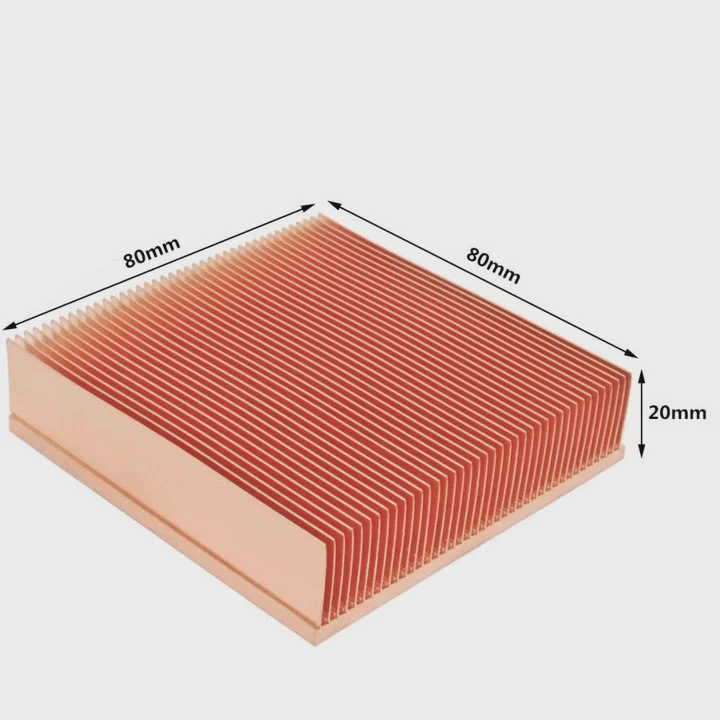
U.S. Customs and Border Protection (CBP) evaluates imports based on the item’s final use. For vapor chambers, if they are used as heat-spreading components in computers or telecom devices, they are generally classified under HTSUS codes that cover “parts and accessories” of such machines.
For example, a vapor chamber integrated into a CPU cooler could be classified under:
- 8473.30.1180 – for parts and accessories of automatic data-processing machines, if specifically designed.
- 8419.90.3000 – if the vapor chamber is part of a machine with a heat exchange function.
Failing to classify accurately can result in customs holds, fines, or reclassification penalties.
When in doubt, you or your customs broker can request a binding ruling from CBP. This document clarifies the correct HTS code before the goods are shipped, avoiding surprises at the port.
Key Considerations
| Aspect | Details |
|---|---|
| Function | Used to conduct and spread heat in electronics |
| Material | Often aluminum or copper, but not the key classification factor |
| Application | CPU/GPU modules, telecom boards, power systems |
| Shape | Flat chambers, some with embedded channels or multiple layers |
| Integration | Standalone or part of larger thermal assemblies |
Is FCC or UL approval required for import?
It’s easy to assume all electronics require compliance certifications, but vapor chambers often don’t qualify as electronic devices.
FCC and UL approval are not required to import passive vapor chambers without active components or radio frequency emissions.
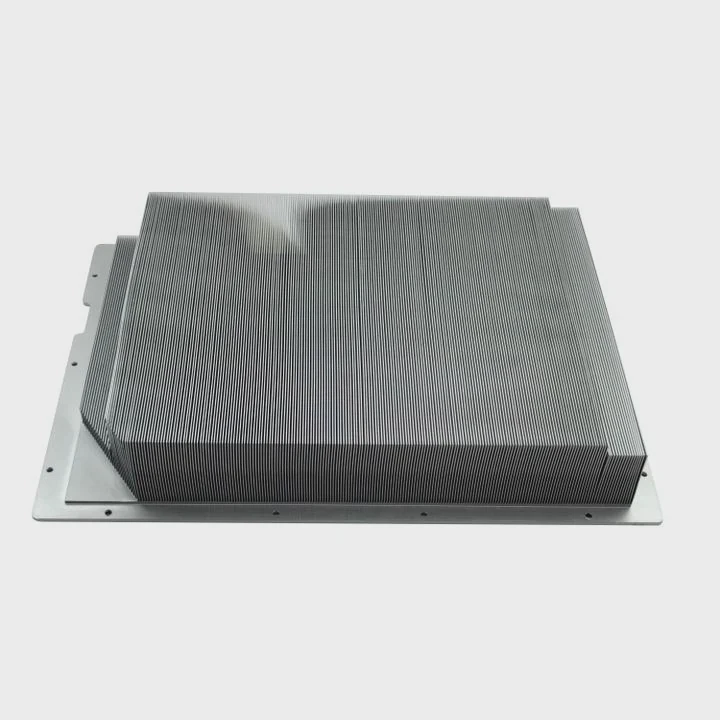
Since vapor chambers do not emit any electromagnetic signals, they fall outside the scope of the Federal Communications Commission (FCC) equipment authorization rules. FCC certification typically applies to devices that use radio transmitters, Wi-Fi, Bluetooth, or other wireless technologies.
UL certification is also not mandatory for customs clearance. UL (Underwriters Laboratories) provides voluntary safety certification. However, some U.S. buyers may ask for UL compliance as part of their internal safety standards or insurance requirements.
If your vapor chamber is:
- Passive (no power source or signal),
- Not bundled with active components,
- Not connected to a power supply,
then no FCC or UL approval is needed at the border. But if it’s sold within the U.S. as part of a finished consumer device, the final product may require certification.
Certification Comparison
| Certification | Required for Vapor Chamber Import? | Applies To |
|---|---|---|
| FCC | ❌ Not required | Devices emitting RF signals |
| UL | ❌ Optional | Voluntary safety endorsement |
| CE | ❌ Not recognized for U.S. import | Europe only |
Do customs require compliance documents?
You may think a shipment with a correct label is enough. But U.S. customs needs specific documents to clear your goods.
Yes, importers must submit a commercial invoice, packing list, and HTS code. Including prior ruling numbers can speed up clearance.
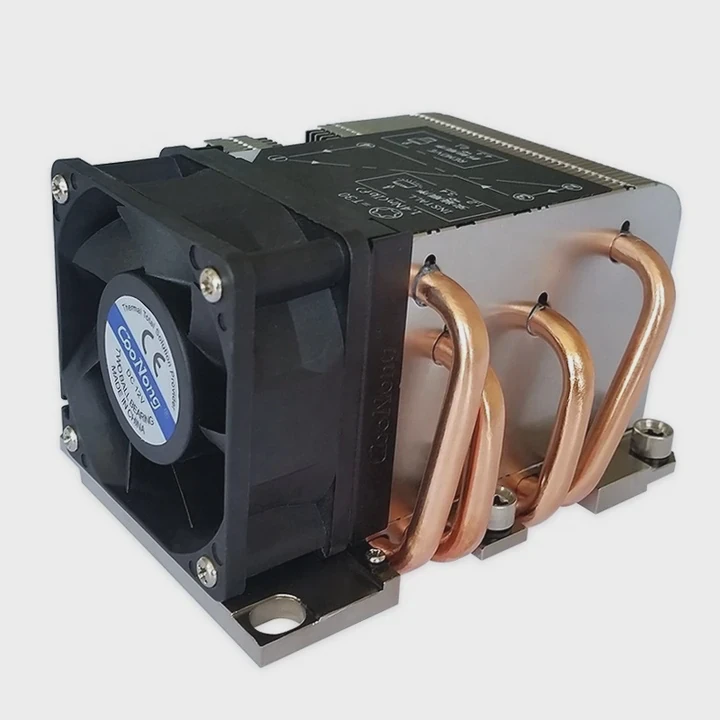
When importing vapor chambers into the U.S., make sure your documents include:
- Commercial invoice with part descriptions, material, and unit price
- Packing list with dimensions, weights, and packaging units
- Certificate of origin (if claiming preferential treatment)
- HTSUS classification code
- Previous CBP ruling (if available)
Customs authorities evaluate every product based on these details. Descriptions must clearly explain the function of the product — “vapor chamber thermal module” is better than just “metal part.”
In some cases, CBP may request a sample or more technical data. This happens especially when classification is unclear or when similar items have multiple possible codes.
Providing prior ruling references helps avoid confusion. For example, if CBP has classified a similar product under HTSUS 8473.30.1180, include that ruling number in your import documentation.
Typical Documents Required
| Document | Purpose |
|---|---|
| Commercial Invoice | Declares value and description |
| Packing List | Identifies packages and layout |
| HTSUS Code | Determines duty and classification |
| Ruling Reference | Clarifies expected classification |
| Certificate of Origin | Needed for FTA claims (e.g. USMCA) |
Is tariff classification needed before import?
Some assume classification happens after goods arrive. But in U.S. customs, it must be done upfront.
Yes, every import requires a declared tariff code (HTSUS), which determines duty rates and compliance checks.
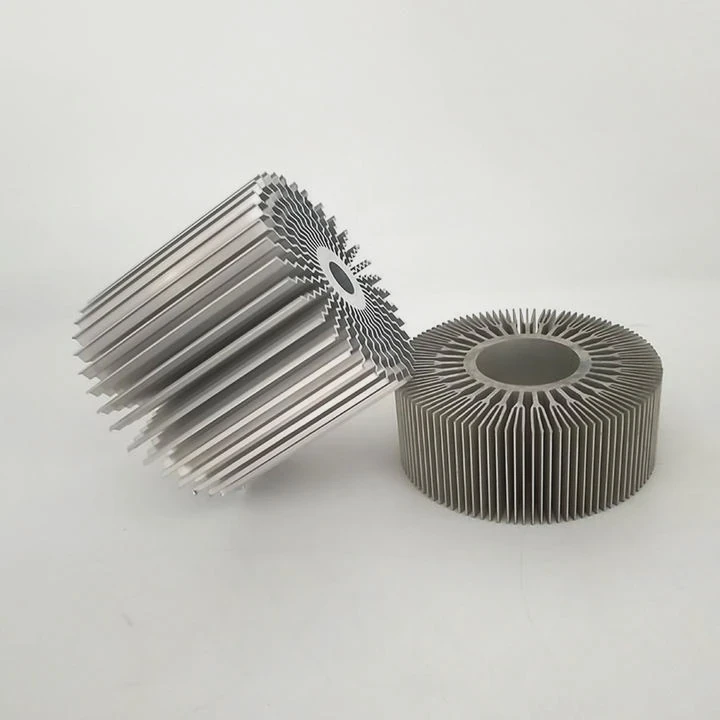
Before shipping vapor chambers, importers or their brokers must assign an HTSUS (Harmonized Tariff Schedule of the U.S.) code. This ensures that customs knows:
- What the product is
- What duties apply
- Whether any trade restrictions or documentation applies
For vapor chambers used in data processing or thermal management, common classifications include:
| HTSUS Code | Description | Duty Rate |
|---|---|---|
| 8473.30.1180 | Thermal module part of ADP machine | Free |
| 8419.90.3000 | Parts of machinery with heat exchange | 3.7% |
| 7616.99.5190 | Other aluminum articles (if generic) | 2.5% |
Selecting the wrong code can result in overpayment, legal issues, or customs delays. Classification is not optional — it’s a legal requirement.
You can check previous rulings at https://rulings.cbp.gov by searching terms like “vapor chamber” or “thermal module.”
If uncertain, companies often hire classification consultants or legal advisors to request an official “binding ruling” before shipping.
Conclusion
To import vapor chambers into the U.S., follow four steps: assign the right HTS code, prepare clear documentation, confirm no FCC/UL is needed, and check any existing customs rulings. Passive thermal components like vapor chambers can be imported easily — but only if paperwork and classification are correct.
TAGS
Latest Articles

Volume discount levels for heat sink orders?
Buyers often ask when heat sink prices start to drop with volume. Many worry they’re overpaying for small orders. This guide explains how B2B volume pricing works for thermal components. Heat sink
21 Dec,2025
Heat sink long-term supply contract options?
Many buyers want stable pricing and reliable delivery for heat sinks. But without a clear contract, risks grow over time. This article explores how to secure better long-term supply deals. Long-term
21 Dec,2025
Tooling cost for new heat sink profiles?
Many engineers struggle to understand why tooling for custom heat sinks costs so much. They worry about budgeting and production timelines. This article breaks down the cost drivers behind tooling.
21 Dec,2025
Heat sink custom sample process steps?
Sometimes, starting a custom heat sink project feels overwhelming—too many steps, too many unknowns, and too many risks. You want a sample, but not endless delays. The process for requesting and
20 Dec,2025
Standard B2B terms for heat sink payments?
When buyers and sellers in B2B heat sink markets talk about payment, many don’t fully understand what’s standard. This can lead to delayed orders, miscommunication, and even lost business
20 Dec,2025
Heat sink pricing factors for large orders?
Heat sinks are vital for many systems. When prices rise, projects stall and budgets break. This problem can hit teams hard without warning. Large order heat sink pricing depends on many factors. You
20 Dec,2025Related Articles
- Does Vapor Chamber meet aerospace standards?
- Vapor Chamber industry certification list?
- Vapor Chamber failure analysis methods?
- Does Vapor Chamber need nitrogen environment?
- Standard Vapor Chamber inspection procedure?
- Vapor Chamber quality documentation samples?
- Vapor Chamber REACH analysis documentation?
- How to calculate Vapor Chamber efficiency?
- Vapor Chamber 3D modeling guidelines?
- Are there patented Vapor Chamber designs?
- How to optimize Vapor Chamber mass production?
- Standard cost of Vapor Chamber tooling?
Author
Dr. Emily Chen
Chief AI Researcher
Leading expert in thermal dynamics and AI optimization with over 15 years of experience in data center efficiency research.
Categories
Latest Products






Recommend Categories
- Liquid cooling plate Manufacturer
- Industrial Heat Sink Manufacturer
- Standard Heat Sink Manufacturer
- Aluminum Heat Sink Manufacturer
- Copper Heat Sink Manufacturer
- Anodized Heatsink Manufacturer
- Stamping heat sink Manufacturer
- Die Casting Heatsink Manufacturer
- Soldering heat sink Manufacturer
- CNC Parts Manufacturer
Latest Products
- Wholesale Aluminum Radiator
- Water Cooling Plate Kit
- Water Cooling Heat Sink
- Water Cooling Heat Sink Kit
- Stainless Steel Water Distributor
- Server Water Cooling Plate Kit
- Server Liquid Cooling System
- Server Aluminum Cooling Kit
- S19 Full Cover Cooling Plate
- S19 Cooling Plate Kit
- S19 Aluminum Cooling Plate
Contact Expert
Have questions about this article? Reach out to our experts directly.