Vapor Chamber REACH analysis documentation?
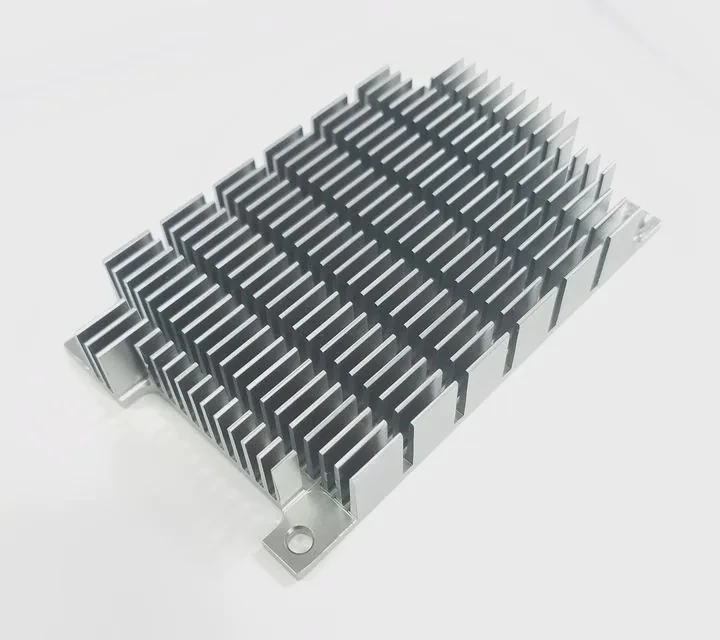
Many manufacturers treat REACH as a paperwork burden. Without clear documentation, importing vapor chambers into Europe becomes risky, and buyers may face supply delays or regulatory trouble.
For vapor chambers destined for the EU or sold to European clients, proper REACH documentation typically includes a REACH‑compliance declaration plus, if applicable, an SVHC disclosure under Article 33 (and sometimes a safety‑data sheet or “articles information sheet”). This ensures legal market access and supply‑chain transparency.
If you care about compliance and smooth EU market entry, read on — this article reveals exactly what documents are needed, when SVHC must be declared, how deep chemical analysis often goes, and whether audits will check compliance.
What REACH documents are needed for Vapor Chambers?
Every time a vapor chamber (or any “article”) enters the EU supply chain, you need to ensure proper documentation so you — or your customer — can prove compliance with REACH (EC 1907⁄2006).
At a minimum, most suppliers should provide a “REACH Compliance Declaration” and, if requested, an “SVHC Declaration” (per Article 33). Optionally, some also supply an “Information Sheet for Articles” or a “CoA / Certificate of Compliance” summarizing composition or alloy data.
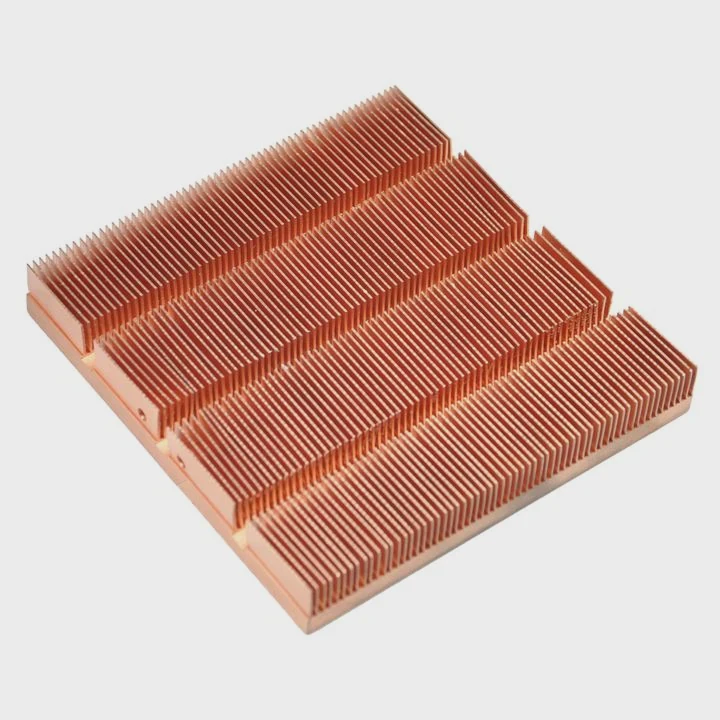
Typical REACH‑related documents
| Document name / type | Purpose / What it certifies |
|---|---|
| REACH Compliance Declaration | Confirms the article complies with REACH regulations, no restricted substances |
| SVHC Declaration (Article 33) | Discloses presence of any SVHC above 0.1% and includes CAS info |
| Article Information Sheet | Lists alloy, surface treatment, and hazardous substance info |
| Certificate of Conformance | Assures compliance to material and finish specifications |
If you supply or buy aluminum or alloy-based vapor chambers as finished “articles” (not powder or chemical mixture), the supplier may treat them as “articles” under REACH and claim registration responsibility lies upstream — but you still need a compliance statement and SVHC check.
Are SVHC declarations mandatory in Europe?
Many customers ask whether SVHC disclosure is always required. The short answer: yes — but only when SVHCs are present above the threshold.
Under REACH Article 33, any “article” supplied to EU must include information about any Candidate List of Substances of Very High Concern (SVHC) present above 0.1% by weight, if a customer requests it.

- If no SVHC is present above 0.1% — the supplier should state that. This is a common “SVHC‑free” declaration.
- If SVHC(s) are present — the supplier must declare each substance, include CAS number, and offer handling guidance.
- For imports above 1 tonne/year with SVHCs over 0.1% — reporting to ECHA is also required.
Many companies now provide SVHC declarations as standard documentation, even when no SVHC is present. This prevents delays during audits or customs reviews.
In practice, even if a vapor chamber is SVHC-free, a proactive declaration builds trust with customers and shortens their compliance checks.
Do suppliers provide full chemical analysis?
For metal articles like vapor chambers, “full chemical analysis” usually means documentation that lists base alloy elements and coating compositions — not every trace chemical.
Most suppliers provide alloy grade certificates and coating declarations instead of a full chemical breakdown. This level of detail meets REACH expectations in most cases.
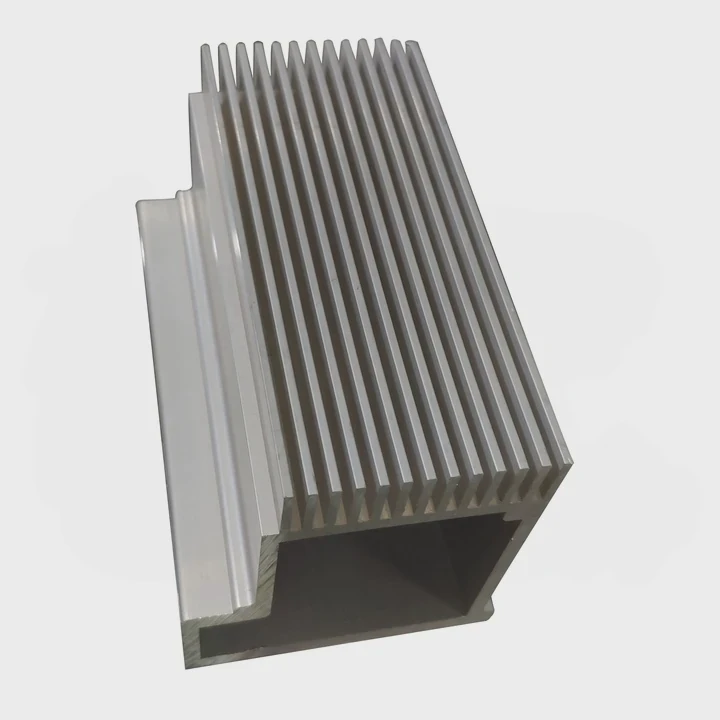
Here’s what’s typically provided:
Common supplier documents for chemical info
| Document Type | Contents | Usage |
|---|---|---|
| Alloy certificate | Lists major elements (e.g., Al, Cu, Si) and impurity levels | Confirms alloy is REACH-compliant |
| Coating declaration | Lists chemicals used in nickel plating, anodizing, or paints | Ensures surface finishes are SVHC-free |
| SVHC statement | Confirms absence (or presence) of SVHCs >0.1% | Needed for EU legal compliance |
| MSDS / SDS | Rare for vapor chambers, only if chemicals are intended to be released | Usually not required unless product emits |
In many cases, vapor chambers are treated as “articles” and do not need full SDS unless intentionally releasing chemicals (e.g., adhesives, fluids). But if coatings involve REACH-listed chemicals, then extra data may be needed.
When supplying to sectors like aerospace or electronics, it’s a best practice to request both the base alloy certificate and a coating/substance disclosure. This makes audit prep smoother.
Is REACH compliance reviewed during audits?
Yes — and more often than many suppliers expect. Especially when working with EU customers, Tier 1 integrators, or regulated industries, REACH documentation is reviewed during supplier audits.
REACH declarations, SVHC reports, and traceability data are often requested as part of environmental or quality compliance checks.
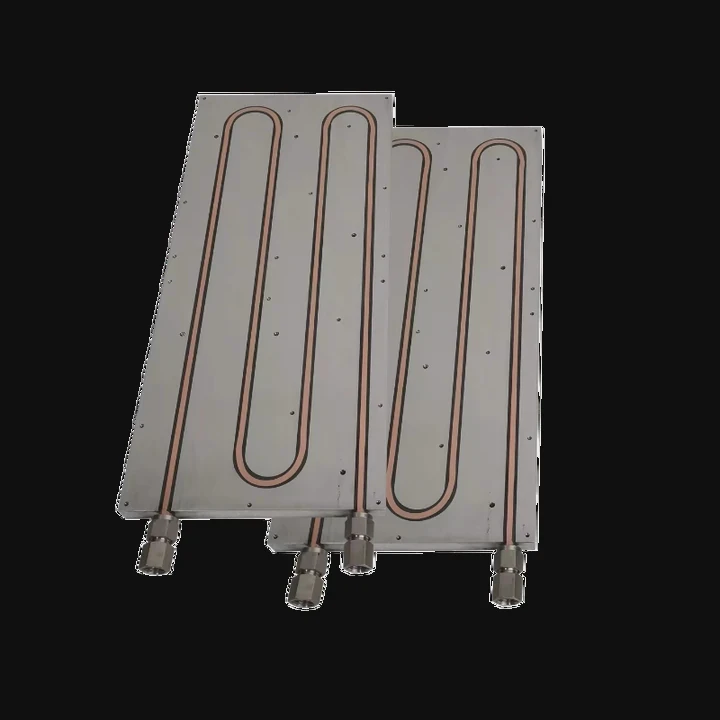
What auditors typically check
| Audit Item | What It Shows |
|---|---|
| REACH compliance statement | Supplier claims product is REACH compliant |
| SVHC documentation | Verifies Article 33 compliance |
| Traceability to materials | Shows connection between raw alloy, surface treatment, and final product |
| Update practices | Ensures supplier tracks changes to SVHC candidate list |
SVHC lists are updated regularly — typically every six months. Good suppliers commit to monitoring updates and notifying buyers if their components change status.
For example, if a surface treatment adds a new SVHC over 0.1% due to formulation change, the updated declaration must reflect that within a reasonable time.
Failing to provide proper REACH documentation during an audit can lead to loss of customer confidence, supply rejection, or legal exposure for the buyer.
So yes — REACH is not just a formality. It’s a growing part of supply chain due diligence and must be taken seriously.
Conclusion
REACH compliance for vapor chambers requires more than a checkbox. Key documents include a compliance declaration, SVHC disclosure (if needed), and material or coating composition records. Thin-wall alloy products treated as “articles” still fall under REACH Article 33 if SVHCs are involved. Audits regularly check for updated declarations and traceable supply data. Proper REACH documentation keeps products legally compliant, builds customer trust, and avoids costly delays or rejections in European markets.
TAGS
Latest Articles

Volume discount levels for heat sink orders?
Buyers often ask when heat sink prices start to drop with volume. Many worry they’re overpaying for small orders. This guide explains how B2B volume pricing works for thermal components. Heat sink
21 Dec,2025
Heat sink long-term supply contract options?
Many buyers want stable pricing and reliable delivery for heat sinks. But without a clear contract, risks grow over time. This article explores how to secure better long-term supply deals. Long-term
21 Dec,2025
Tooling cost for new heat sink profiles?
Many engineers struggle to understand why tooling for custom heat sinks costs so much. They worry about budgeting and production timelines. This article breaks down the cost drivers behind tooling.
21 Dec,2025
Heat sink custom sample process steps?
Sometimes, starting a custom heat sink project feels overwhelming—too many steps, too many unknowns, and too many risks. You want a sample, but not endless delays. The process for requesting and
20 Dec,2025
Standard B2B terms for heat sink payments?
When buyers and sellers in B2B heat sink markets talk about payment, many don’t fully understand what’s standard. This can lead to delayed orders, miscommunication, and even lost business
20 Dec,2025
Heat sink pricing factors for large orders?
Heat sinks are vital for many systems. When prices rise, projects stall and budgets break. This problem can hit teams hard without warning. Large order heat sink pricing depends on many factors. You
20 Dec,2025Related Articles
- Vapor Chamber import regulations in USA?
- Does Vapor Chamber meet aerospace standards?
- Vapor Chamber industry certification list?
- Vapor Chamber failure analysis methods?
- Does Vapor Chamber need nitrogen environment?
- Standard Vapor Chamber inspection procedure?
- How to calculate Vapor Chamber efficiency?
- Vapor Chamber 3D modeling guidelines?
- Are there patented Vapor Chamber designs?
- How to optimize Vapor Chamber mass production?
- Standard cost of Vapor Chamber tooling?
- Can Vapor Chamber be welded?
Author
Dr. Emily Chen
Chief AI Researcher
Leading expert in thermal dynamics and AI optimization with over 15 years of experience in data center efficiency research.
Categories
Latest Products






Recommend Categories
- Liquid cooling plate Manufacturer
- Industrial Heat Sink Manufacturer
- Standard Heat Sink Manufacturer
- Aluminum Heat Sink Manufacturer
- Copper Heat Sink Manufacturer
- Anodized Heatsink Manufacturer
- Stamping heat sink Manufacturer
- Die Casting Heatsink Manufacturer
- Soldering heat sink Manufacturer
- CNC Parts Manufacturer
Latest Products
- Wholesale Aluminum Radiator
- Water Cooling Plate Kit
- Water Cooling Heat Sink
- Water Cooling Heat Sink Kit
- Stainless Steel Water Distributor
- Server Water Cooling Plate Kit
- Server Liquid Cooling System
- Server Aluminum Cooling Kit
- S19 Full Cover Cooling Plate
- S19 Cooling Plate Kit
- S19 Aluminum Cooling Plate
Contact Expert
Have questions about this article? Reach out to our experts directly.