How to optimize Vapor Chamber mass production?
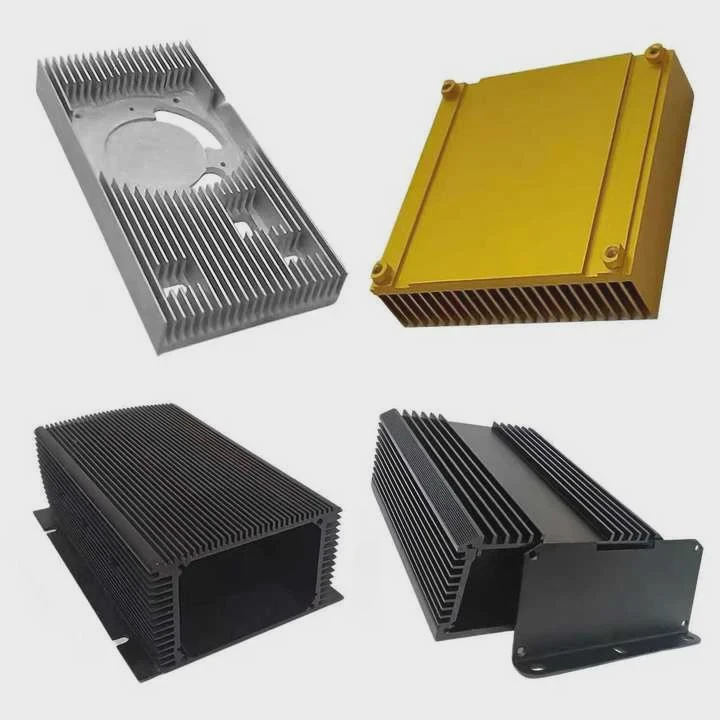
When demand surges and components must ship fast, slow vapor chamber runs cause delays and cost overruns. Production lines choke on manual steps and quality issues. Optimizing the process can boost throughput and cut costs.
A well‑planned production flow, automation of key steps, tighter quality control, and dedicated tooling can transform vapor chamber manufacturing into a stable, high‑volume, high‑yield process.
Efficiency gains come from streamlining steps, reducing human errors, and building repeatable workflows from raw material to final tested unit.
Let’s dive into how to get there.
What steps optimise Vapor Chamber for mass production?
When scaling vapor chamber manufacturing, one must design the production steps carefully. First, ensure incoming materials meet strict specs. Second, define a clean, repeatable workflow. Third, build in intermediate inspections. These steps cut waste and prevent rework.
The key steps include: material prep, sealing/welding, cleaning & drying, initial leak and pressure tests, thermal- and vacuum-bake, final inspection, and documentation — each done in a looped, standardized production flow.

In mass production, every step must repeat exactly the same way. Start with raw material inspection. Check alloy specs, plate flatness, and surface cleanliness. If material fails, discard early. This avoids downstream problems.
Next, proceed to cutting and forming. Use cutting tools or stamping to shape parts. Use jigs to hold parts in correct orientation. Then weld or braze sealing seams. Use fixtures that keep parts aligned. This reduces distortion and ensures good welds.
After sealing, parts must be cleaned and dried. Use solvents or ultrasonic cleaning to remove flux, oils, and contaminants. Then bake parts under vacuum or inert gas to drive off moisture. This prevents internal corrosion or vapor contamination later.
Then run leak and pressure tests. Pressurize or evacuate chambers. Use helium leak detection or pressure-hold tests. Reject any chamber that leaks. Proper detection early stops bad parts from going further.
Next, thermal and vacuum bake cycles help stabilize internal fluid and wick structure. Bake chambers at moderate elevated temperature or in vacuum for hours. This removes residual volatiles and stresses. After bake, inspect again for leaks or deformation.
Finally, perform final assembly if needed: add mounting features, fill fluid (if not pre-filled), seal in inert gas or vacuum, then measure thermal performance. Document each unit: material batch, weld lot, test logs. Maintain traceability.
Building standardized work instructions (SWIs) is critical. Each operator follows the same steps. This reduces variation. Add quality checkpoints between major steps. That way, defects are caught early.
Here is a high-level flow table:
| Step # | Production Stage | Purpose / Output |
|---|---|---|
| 1 | Material inspection | Ensure alloy, surface, flatness OK |
| 2 | Cutting / forming | Shape parts to size, ensure fit |
| 3 | Welding / brazing | Seal seams reliably |
| 4 | Cleaning & drying | Remove contaminants, prepare for tests |
| 5 | Vacuum/pressure leak test | Detect seal failures early |
| 6 | Thermal/vacuum bake | Remove volatiles, stabilize structure |
| 7 | Final fill & seal (if any) | Prepare internal fluid or gas |
| 8 | Final functional test | Verify thermal performance, leak tightness |
| 9 | Documentation & packing | Record batch info, traceability |
When all these steps are followed in sequence, with consistent tools and clean environment, production scales with stability.
Mass production succeeds when the line runs like an assembly flow. Bottlenecks shift from manual handcrafting to throughput capacity. With a well‑designed flow and clear quality gates, manufacturers can push output to high volumes without sacrificing reliability.
Does automation improve Vapor Chamber throughput?
Manual assembly often slows down production. Workers spend time on repetitive tasks. Human error creeps in. Automation can help. Machines operate fast. They stay consistent. Automation can improve output rate and reduce errors.
Yes, automation of welding, cleaning, testing, and handling steps significantly increases vapor chamber throughput and consistency compared to manual operations.
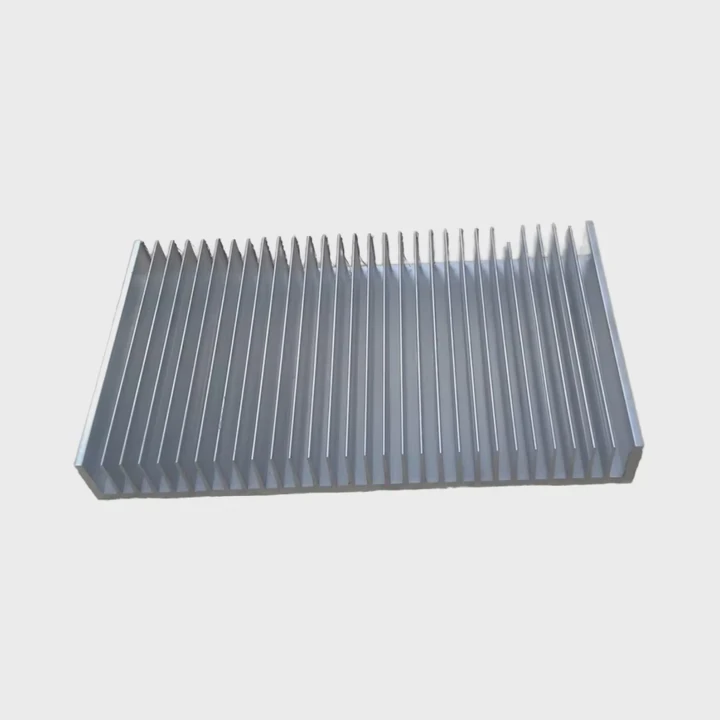
When welding or brazing seams, robots or automated welding machines can deliver consistent heat input, precise seam alignment, and repeatable weld penetration. This reduces risk of weak or cracked seams. Robots also reduce variation caused by different welders’ skills.
Automated cleaning stations — for example using ultrasonic baths or spray‑wash enclosures — remove flux, oils, and contaminants rapidly. These stations can clean many parts in parallel. Drying ovens or vacuum bake chambers on timers ensure each part gets the same treatment. This removes human timing variation.
Leak detection can be automated. Use helium mass spectrometer tests in sealed chambers. A robot arm can place parts, seal the test chamber, pressurize, measure leak rate, and reject bad parts. This works faster than manual leak checking. It also captures digital logs for traceability.
Similarly, thermal cycling or bake ovens can run full cycles automatically. A conveyor or shuttle can move parts through heat zones, vacuum zones, or pressure zones without operator intervention. At the end, parts arrive ready for final inspection.
Automated handling — like pick‑and‑place arms or conveyors with fixtures — reduces manual touches. This minimizes damage risk, contamination, and inconsistent handling. It also speeds up flow.
When manufacturing hundreds or thousands of vapor chambers per month, automation delivers key benefits:
- Higher throughput: line runs continuously, not limited by human pace or shift patterns.
- Better consistency: each chamber sees identical process parameters.
- Lower labor cost per unit: fewer operators needed for repetitive tasks.
- Better traceability: machines log each step, time, parameters; easier for QC audits.
The challenge is upfront investment. Automation machines, fixtures, leak‑test chambers, bake ovens cost money. However, for large volume, ROI can come quickly through higher yield and faster output.
In short, automation is one of the most effective ways to scale vapor chamber production without losing quality.
How to reduce yield losses in Vapor Chamber manufacturing?
Yield losses come from leaks, bad welds, contamination, wrong materials, or thermal failure. Reducing these requires tight control at each step. It demands quality checkpoints. It requires good data and fast feedback.
To reduce yield losses, implement rigorous incoming material control, early leak testing, controlled cleaning and drying, consistent welding procedures, and real‑time data tracking of failures to enable quick corrective actions.
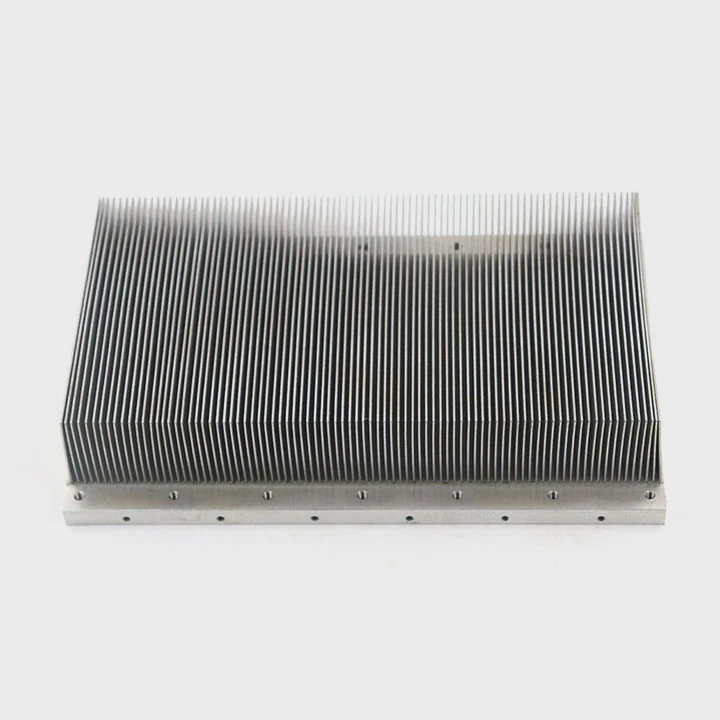
First, inspect all incoming raw material batches. Check alloy composition, plate thickness, flatness, surface finish. Reject any batch out of spec. If material is wrong, parts made from it may warp, leak, or fail later. Early rejection avoids wasted effort.
Next, maintain clean production environment. Use clean rooms or filtered air zones for welding and sealing. Dust or oil contamination can cause leaks or bad welds. Provide clean handling gloves and tools. Keep humidity and temperature under control. This reduces chances of oxidation or moisture ingress.
Third, institute early leak or pressure tests right after sealing. Do not wait until final assembly. Early detection catches leaks before fluid fill or further processing. This saves the cost of wasted internal fluid, assembly time, and final testing.
Fourth, standardize welding or brazing. Use fixed parameters: heat, duration, welding speed, filler material. Train operators or use automation to ensure repeatability. Use fixtures to hold parts in correct alignment. This avoids seam distortion or stress points.
Fifth, strict cleaning and drying procedure. Use solvents or ultrasonic cleaning to remove flux and residues. Then vacuum bake or dry bake to remove moisture and volatile compounds. Moisture or contaminants inside chamber can cause corrosion or vapor instability later.
Sixth, track all failures and run root-cause analysis. Keep a defect log. When a leak or failure occurs, record part ID, material batch, weld lot, process parameters. Analyze trends. Perhaps a certain batch of raw plates causes more leaks, or a certain welding shift produces more defects. Use this data to correct the process.
Here is a sample defect tracking table:
| Defect Type | Frequency (per 1000 parts) | Probable Cause | Correction Action |
|---|---|---|---|
| Seam leak | 7 | Bad weld or misalignment | Adjust weld fixture, retrain / automate |
| Contamination leak | 3 | Dirty surface or handling | Clean room, utensil cleaning, handle change |
| Pressure loss post‑bake | 2 | Poor sealing or material issue | Review seal method, retest material batch |
| Wick dry‑out or performance drop | 4 | Inadequate cleaning or bake | Extend bake, improve drying |
| Warping / deformation | 5 | Thermal stress or bad alloy | Use better alloy, control heating rate |
By tracking defects and acting quickly, yield improves. When combined with good process control, defect rates can drop sharply over time.
Seventh, enforce good documentation and batch traceability. Each part gets a serial number. All process data (material, weld lot, operator ID, test logs) get recorded. This helps if failure appears later. It also allows recall or rework with minimal confusion.
Finally, schedule regular preventive maintenance of tools. Wrenches, fixtures, ovens, leak‑test chambers degrade over time. If a fixture shifts slightly, it can cause misalignment. If ovens lose temperature uniformity, bake cycles may not remove moisture fully. Maintenance keeps process stable.
By combining upfront control, cleaning, early testing, data tracking, documentation, and maintenance, yield loss can drop, and production becomes predictable and efficient.
What tooling changes enable high-volume Vapor Chamber output?
To support high-volume output, tooling must evolve. Manual tools and ad‑hoc fixtures do not work at scale. Specialized tooling can speed up every step and ensure repeatability.
Upgraded tooling such as dedicated welding fixtures, automated sealing machines, batch leak‑test chambers, vacuum‑bake ovens, handling jigs, and conveyors can enable stable high‑volume vapor chamber production with minimal downtime.
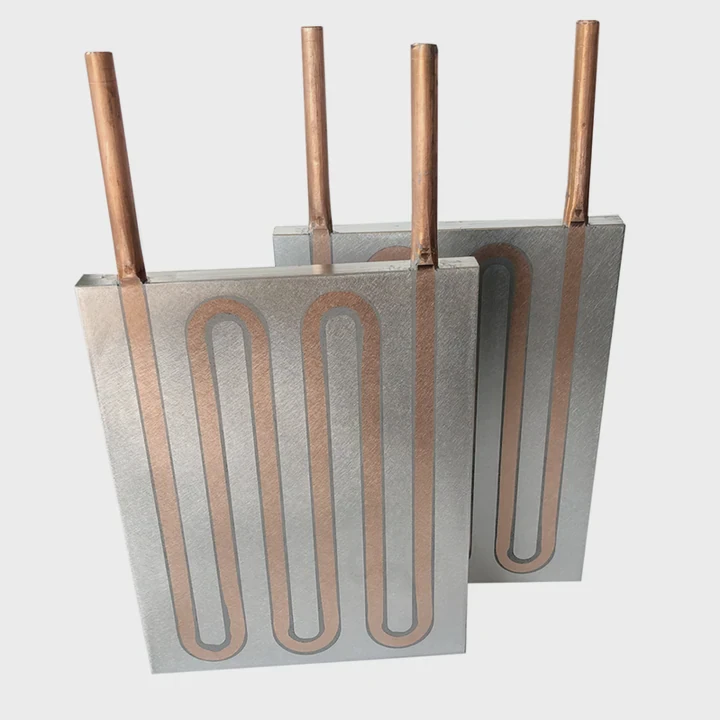
Here are key tooling upgrades that help:
Welding and sealing fixtures
Use custom‑made fixtures designed to hold typical vapor chamber shapes firmly and precisely. Fixtures guarantee parts align exactly for welding or brazing. This ensures uniform seam gaps and weld strength. Fixtures can be modular to adapt to different chamber sizes.
Automated sealing machines or robotic welders can operate on fixtures. They apply consistent heat, pressure, and filler material. This reduces human error and welding variation.
Batch leak‑test chambers
Instead of testing one chamber at a time, use chambers that hold multiple units for leak or pressure testing. A batch of ten or twenty chambers can be tested simultaneously. This increases throughput and reduces per‑unit test time.
Batch chambers can use helium leak detection or pressure‑hold methods. Chambers should have quick‑open doors and automated sealing to speed up loading and unloading.
Vacuum‑bake ovens or vacuum lines
To dry clean chambers and remove moisture or volatiles, equipment that can batch‑bake dozens of chambers at once is useful. Vacuum ovens or vacuum lines with racks allow large batches to dry or bake under vacuum or inert gas. Batch baking saves time over individual baking.
Automated handling systems
Conveyors, carts, or robot arms can move chambers from one station to another. For example, move from cleaning to welding fixture to leak test chamber to bake oven. This reduces manual transport. It speeds the flow and reduces risk of damage or contamination.
Modular tooling for different sizes
Vapor chambers come in varied sizes and shapes. Tooling should be modular. Fixtures, racks, jigs should adjust quickly for different chamber types. This flexibility helps when orders vary.
Quality inspection tools
Use non‑destructive testing (NDT) tools: X-ray, dye‑penetrant inspection setups, ultrasonic weld inspection, or seam scanning machines. For mass production, such tools must rapidly inspect weld seams or internal voids. Automated inspection reduces time and ensures consistency.
These tooling changes together shift production from artesanal to industrial scale. Production lines become like assembly plants. Output rises. Quality stays stable. Throughput and yield both improve.
When clients order hundreds or thousands of units, such tooling makes high volume realistic. It also enables faster lead times.
Conclusion
Optimizing vapor chamber production demands clear processes, automation, tight quality control, and robust tooling. With them, manufacturers can scale output reliably while keeping yields high and costs under control.
TAGS
Latest Articles

Volume discount levels for heat sink orders?
Buyers often ask when heat sink prices start to drop with volume. Many worry they’re overpaying for small orders. This guide explains how B2B volume pricing works for thermal components. Heat sink
21 Dec,2025
Heat sink long-term supply contract options?
Many buyers want stable pricing and reliable delivery for heat sinks. But without a clear contract, risks grow over time. This article explores how to secure better long-term supply deals. Long-term
21 Dec,2025
Tooling cost for new heat sink profiles?
Many engineers struggle to understand why tooling for custom heat sinks costs so much. They worry about budgeting and production timelines. This article breaks down the cost drivers behind tooling.
21 Dec,2025
Heat sink custom sample process steps?
Sometimes, starting a custom heat sink project feels overwhelming—too many steps, too many unknowns, and too many risks. You want a sample, but not endless delays. The process for requesting and
20 Dec,2025
Standard B2B terms for heat sink payments?
When buyers and sellers in B2B heat sink markets talk about payment, many don’t fully understand what’s standard. This can lead to delayed orders, miscommunication, and even lost business
20 Dec,2025
Heat sink pricing factors for large orders?
Heat sinks are vital for many systems. When prices rise, projects stall and budgets break. This problem can hit teams hard without warning. Large order heat sink pricing depends on many factors. You
20 Dec,2025Related Articles
- Are there patented Vapor Chamber designs?
- Vapor Chamber 3D modeling guidelines?
- How to calculate Vapor Chamber efficiency?
- Vapor Chamber REACH analysis documentation?
- Vapor Chamber import regulations in USA?
- Does Vapor Chamber meet aerospace standards?
- Standard cost of Vapor Chamber tooling?
- Can Vapor Chamber be welded?
- Vapor Chamber requirements for CE marking?
- Best simulation software for Vapor Chamber?
- Vapor Chamber compliance with fire safety?
- Vapor Chamber choice for embedded systems
Author
Dr. Emily Chen
Chief AI Researcher
Leading expert in thermal dynamics and AI optimization with over 15 years of experience in data center efficiency research.
Categories
Latest Products






Recommend Categories
- Liquid cooling plate Manufacturer
- Industrial Heat Sink Manufacturer
- Standard Heat Sink Manufacturer
- Aluminum Heat Sink Manufacturer
- Copper Heat Sink Manufacturer
- Anodized Heatsink Manufacturer
- Stamping heat sink Manufacturer
- Die Casting Heatsink Manufacturer
- Soldering heat sink Manufacturer
- CNC Parts Manufacturer
Latest Products
- Wholesale Aluminum Radiator
- Water Cooling Plate Kit
- Water Cooling Heat Sink
- Water Cooling Heat Sink Kit
- Stainless Steel Water Distributor
- Server Water Cooling Plate Kit
- Server Liquid Cooling System
- Server Aluminum Cooling Kit
- S19 Full Cover Cooling Plate
- S19 Cooling Plate Kit
- S19 Aluminum Cooling Plate
Contact Expert
Have questions about this article? Reach out to our experts directly.