Are there patented Vapor Chamber designs?
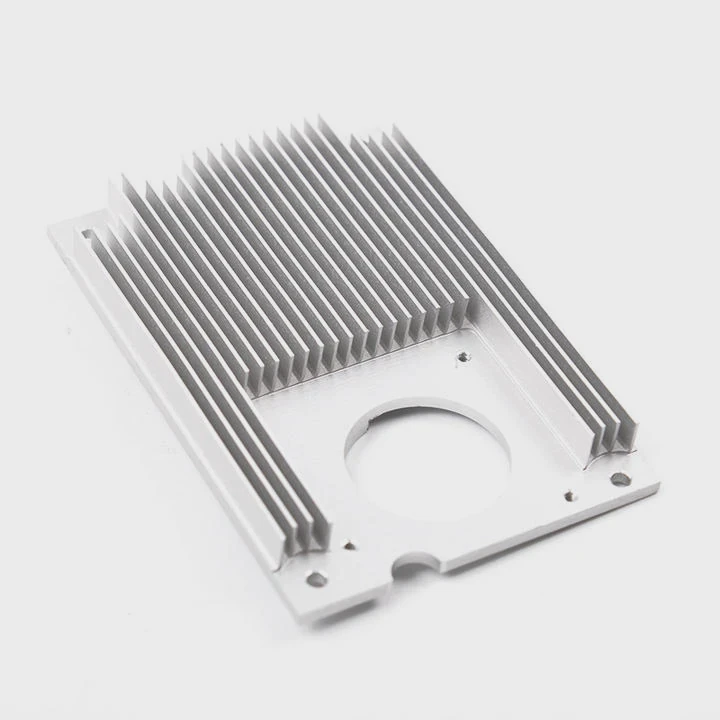
Vapor chambers are widely used for heat spreading. Many designs and internal structures are covered by patents. If you design or manufacture vapor chambers, you should check existing patents before launching a custom design or volume production.
Yes — vapor chamber designs, especially internal structures and manufacturing methods, are widely patented. Custom development must carefully avoid infringement.
A strong patent strategy can protect innovation. It can also block competitors and add value to your product line.
Are there patents covering Vapor Chamber designs?
Many issues arise when designs overlap existing patents.
Yes. Many patents cover vapor chamber designs, including chamber structure, wick design, and how they’re integrated into thermal systems.
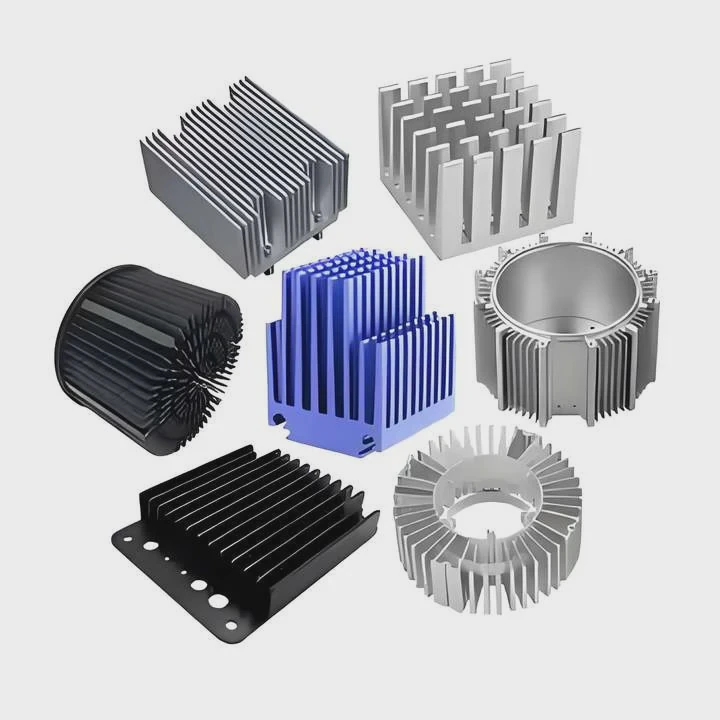
Vapor chamber patents often describe core features like the flat casing, internal wick layout, chamber sealing method, and fluid circulation. They may also protect how vapor chambers attach to CPUs or are embedded into electronic devices.
For instance, one U.S. patent describes a chamber made from two metal plates with micro-pillars and grooves etched inside. Another patent includes a layered composite of heat spreader with a vacuum-sealed core. Others focus on how chambers integrate with cooling fins, fan modules, or PCBs.
Here are typical patented design elements:
| Feature | Common Patent Focus |
|---|---|
| Flat chamber housing | Welding or brazing method, thickness control |
| Wick structure | Groove pattern, pore size, multi-layer sintered mesh |
| Chamber sealing | Mechanical plug, laser welding, epoxy sealants |
| Internal supports | Micro-pillars, spacers, integrated lattice |
| Integration | Mounting to heat source, interface with heat sink |
Because of these wide-ranging patents, even a slight design change might still fall under existing protection. It’s important to compare features in your design with prior patents before mass production.
Can proprietary wick structures be patented in Vapor Chambers?
Wick design is where most innovation happens.
Yes. Wick structures are one of the most commonly patented elements in vapor chambers.
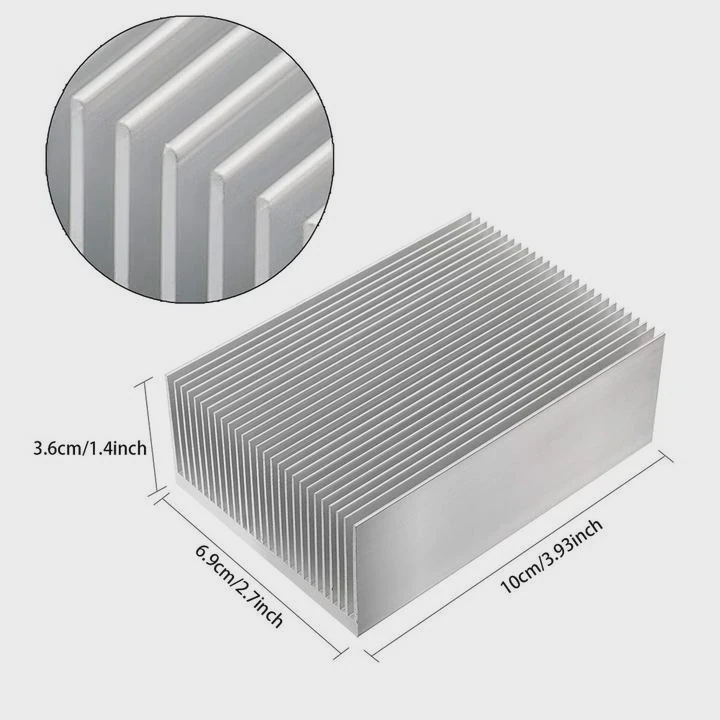
The wick moves fluid inside the chamber and greatly affects thermal performance. Many patents focus on wick geometry, material, or manufacturing method. Examples include patents for sintered metal meshes, fiber-based wicks, and etched groove patterns.
Some wicks have layered structures for capillary control. Others use composite materials to improve durability or performance under angle tilt. Manufacturers also patent how wicks bond to the chamber wall or interact with the vapor path.
If you develop a new wick structure — for instance, a 3D-printed capillary path — it’s likely patentable if it’s not obvious from current designs. But to protect it, you must file a patent before public disclosure.
Common Wick Patent Areas
| Wick Feature | Patent Scope |
|---|---|
| Shape & Pattern | Zig-zag grooves, mesh overlays |
| Material | Sintered copper, carbon fiber, ceramic |
| Layering | Multi-zone wicks for directional flow |
| Manufacturing Method | Laser sintering, extrusion, etching |
Patent filings in this area grow each year as performance demands rise in electronics, EVs, and telecom.
Do patents restrict custom Vapor Chamber development?
Design freedom isn’t unlimited.
Yes. Existing patents can limit custom designs if your structure overlaps with protected claims.
Even small changes may still infringe a patent if the core concept is too similar. For example, if a patent covers a dual-layer wick with micro-grooves and you use a similar dual-layer layout, you might be violating the claim even if your groove angle differs.
Some developers mistakenly believe changing size or shape avoids infringement. But many patents protect the method or function — not just appearance.
To work around this:
- Study the exact claims in each patent, not just drawings.
- Build from open, expired, or public-domain designs.
- Consider licensing if your design aligns with protected technology.
- Work with a patent attorney during early design stages.
Manufacturing processes can also be patented. Even if your design is unique, using a protected sintering method or sealing process might require a license.
The risk is especially high in B2B projects with major customers, where patent compliance is a strict requirement.
How to check for existing patents on Vapor Chambers?
Research is your first defense.
To find vapor chamber patents, use databases like Google Patents and review claims, inventors, and CPC codes carefully.
Start by searching keywords like:
- “Vapor chamber heat spreader”
- “Flat plate heat pipe”
- “Wick structure”
- “Vacuum-sealed thermal device”
Then filter by:
- Jurisdiction (e.g., CN, US, JP)
- Patent status (granted or pending)
- Time (last 10 years for active designs)
Pay close attention to CPC codes like F28D15/02 (heat-exchange using phase change) or F24F13/30 (for electronics cooling).
Patent Research Steps
| Step | Tool | Goal |
|---|---|---|
| Keyword search | Google Patents, Espacenet | Find related inventions |
| Filter by CPC code | CPC F28D, F24F | Target relevant tech fields |
| Review legal status | USPTO or WIPO | Know if it’s active or expired |
| Analyze patent claims | Legal text in filings | Understand scope of protection |
| Check inventor profiles | Same assignee or lab | See related filings |
After identifying relevant patents, map your design differences. This helps prove novelty or shows how to avoid infringement.
Finally, document your work and keep records. If challenged later, this will support your defense or future patent filing.
Conclusion
Yes — many vapor chamber designs, including chamber structure, wick geometry, and heat-sink integration, are patented. Proprietary wick structures are commonly patented. That means custom development must consider existing patents carefully, or risk legal issues.
TAGS
Latest Articles

Volume discount levels for heat sink orders?
Buyers often ask when heat sink prices start to drop with volume. Many worry they’re overpaying for small orders. This guide explains how B2B volume pricing works for thermal components. Heat sink
21 Dec,2025
Heat sink long-term supply contract options?
Many buyers want stable pricing and reliable delivery for heat sinks. But without a clear contract, risks grow over time. This article explores how to secure better long-term supply deals. Long-term
21 Dec,2025
Tooling cost for new heat sink profiles?
Many engineers struggle to understand why tooling for custom heat sinks costs so much. They worry about budgeting and production timelines. This article breaks down the cost drivers behind tooling.
21 Dec,2025
Heat sink custom sample process steps?
Sometimes, starting a custom heat sink project feels overwhelming—too many steps, too many unknowns, and too many risks. You want a sample, but not endless delays. The process for requesting and
20 Dec,2025
Standard B2B terms for heat sink payments?
When buyers and sellers in B2B heat sink markets talk about payment, many don’t fully understand what’s standard. This can lead to delayed orders, miscommunication, and even lost business
20 Dec,2025
Heat sink pricing factors for large orders?
Heat sinks are vital for many systems. When prices rise, projects stall and budgets break. This problem can hit teams hard without warning. Large order heat sink pricing depends on many factors. You
20 Dec,2025Related Articles
- Vapor Chamber 3D modeling guidelines?
- How to calculate Vapor Chamber efficiency?
- Vapor Chamber REACH analysis documentation?
- Vapor Chamber import regulations in USA?
- Does Vapor Chamber meet aerospace standards?
- Vapor Chamber industry certification list?
- How to optimize Vapor Chamber mass production?
- Standard cost of Vapor Chamber tooling?
- Can Vapor Chamber be welded?
- Vapor Chamber requirements for CE marking?
- Best simulation software for Vapor Chamber?
- Vapor Chamber compliance with fire safety?
Author
Dr. Emily Chen
Chief AI Researcher
Leading expert in thermal dynamics and AI optimization with over 15 years of experience in data center efficiency research.
Categories
Latest Products






Recommend Categories
- Liquid cooling plate Manufacturer
- Industrial Heat Sink Manufacturer
- Standard Heat Sink Manufacturer
- Aluminum Heat Sink Manufacturer
- Copper Heat Sink Manufacturer
- Anodized Heatsink Manufacturer
- Stamping heat sink Manufacturer
- Die Casting Heatsink Manufacturer
- Soldering heat sink Manufacturer
- CNC Parts Manufacturer
Latest Products
- Wholesale Aluminum Radiator
- Water Cooling Plate Kit
- Water Cooling Heat Sink
- Water Cooling Heat Sink Kit
- Stainless Steel Water Distributor
- Server Water Cooling Plate Kit
- Server Liquid Cooling System
- Server Aluminum Cooling Kit
- S19 Full Cover Cooling Plate
- S19 Cooling Plate Kit
- S19 Aluminum Cooling Plate
Contact Expert
Have questions about this article? Reach out to our experts directly.