Vapor Chamber failure analysis methods?

Many thermal systems fail quietly until it’s too late. This makes uncovering hidden faults painful and costly.
Vapor chambers often fail for subtle internal reasons that escape basic checks. To prevent repeated breakdowns, we need robust failure‑analysis methods.
A good failure analysis can find root causes. This helps engineers fix design flaws. It also prevents future failures by learning from mistakes.
How are Vapor Chamber failures typically analyzed?
Many issues hide inside the vapor chamber. Detecting them before full failure saves cost and effort.
Engineers usually start failure analysis with non‑destructive tests, thermal imaging and leak detection.
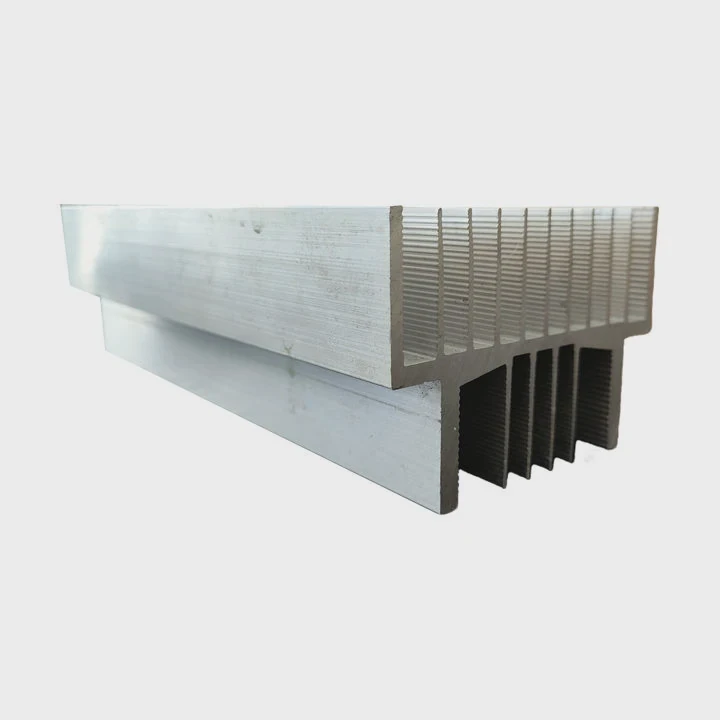
When a vapor chamber fails, analysts rarely jump straight to cutting it open. First, they run a set of standard tests. These tests do not harm the part but can show obvious issues. For example, thermal imaging can highlight cold or hot spots. Pressure or vacuum leak tests can show sealing problems. Visual inspection with magnification can reveal dents, blisters or discoloration on the outer shell. Electrical resistance or continuity tests can spot improper heat sink contact or shorting in integrated components.
Then, they may move to more advanced non‑destructive methods. These include X‑ray or CT scanning. These methods let analysts view internal structures without opening the chamber. They can detect solder voids, internal channels blockage, or misaligned fins. Another popular method is dye‑penetrant or fluorescent dye testing when the outer material is porous or cracked. These can reveal micro‑cracks that are invisible under normal light. In many cases, repeated thermal cycling under controlled environment can reproduce the failure conditions. That helps identify temperature thresholds or repeated stress points.
Often failure analysis ends with a report. The report lists observed symptoms, suspected causes, and recommended counter‑measures like design change, material upgrade or manufacturing process revision.
Sometimes non‑destructive results are enough to decide if the failed unit is salvageable or must be scrapped. Other times they provide clues on whether a deeper internal review is needed.
Are cross-section tests used in failure investigation?
Sometimes you must break something to know why it broke.
Yes, cross‑section tests are often used when non‑destructive methods do not explain the failure fully.
Cross‑section testing means slicing the vapor chamber or its parts to view internal layers under microscope. This usually happens when the problem involves internal welds, solder joints, voids or core blockages. Analysts pick specific spots based on earlier non‑destructive results. For example, if thermal imaging shows uneven heat spread near one weld seam, the section cut will pass through that seam. Then the analyst polishes and etches the cut face. Under optical or even scanning electron microscope (SEM), they inspect microstructure, grain boundaries, voids, cracks, delamination, and material interfaces.
This method helps to check weld quality, solder joints integrity, and internal flow channels in the vapor chamber wick or porous core. It also shows whether manufacturing defects like incomplete fusion, porosity, oxidation or contamination caused the failure. Cross‑section testing can also expose corrosion or stress‑induced cracks deep inside. If failure involves multiple layers — for example a metal plate, a wick, a solder layer, a shell — cross‑section can reveal delamination between layers or solder layer thinning over time.
In many cases, cross‑section is the only way to confirm root cause. Non‑destructive methods might hint at problems, but only by cutting and looking inside can analysts be sure. This method is destructive. Thus it cannot be used for units intended for reuse or warranty return. Instead, it is used on spare failed units or test samples. It is often combined with materials analysis methods like energy‑dispersive X‑ray spectroscopy (EDS) or microhardness testing. These tests reveal composition changes or hardness variation near failure zones. That final step can confirm if corrosion, overheating, or fatigue occurred.
What signs indicate material fatigue or seal loss?
Small flaws often show early signals. Ignoring them invites major failure later.
Typical signs of fatigue or seal loss include surface cracks, solder layer thinning, leakage stains, and abnormal thermal patterns under load.
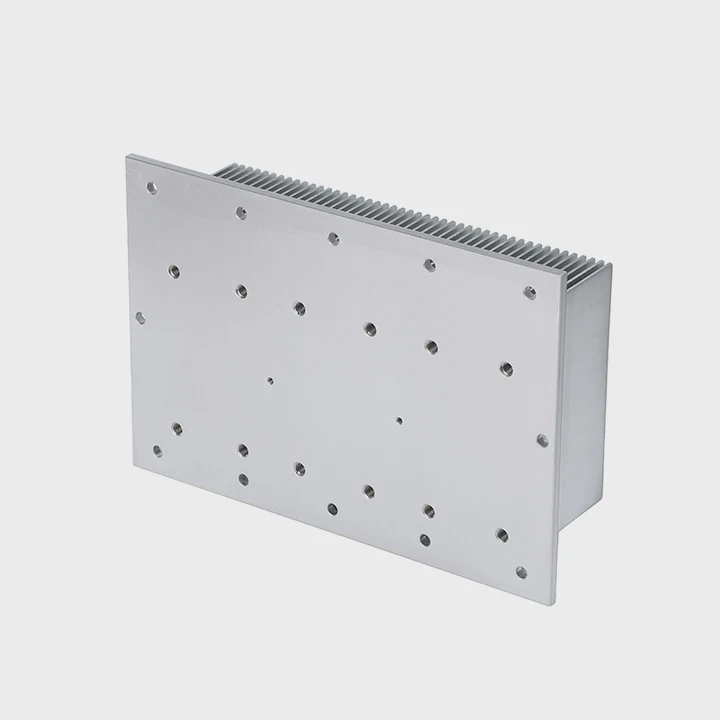
When a vapor chamber ages or faces stress cycles, fatigue and seal failure give hints. Common signs include visible external cracks or bulges near solder joints or edges. These often form after repeated heating and cooling cycles. Another sign is discoloration or stains around seams or joints. That may show where sealing material degraded or coolant leaked slowly. Under thermal load testing, uneven heat spread or hot spots can mark blocked or broken internal channels. Also, repeated leak tests may fail or show pressure loss where earlier tests passed.
In a few cases, one can observe tiny blisters or bubbles under outer plating. That may mean internal corrosion or vapor pressure buildup forcing material outward. For soldered or welded chambers, microscopic inspection may show thinning of solder layers or micro‑cracks. These micro‑cracks often grow slowly under stress until they form leakage paths or break contact. In chambers with porous core wicks, grain boundary cracks or pore collapse may restrict fluid flow. That reduces heat transfer efficiency and causes localized overheating.
Common Indicators and Their Meaning
| Indicator | Likely Cause | Risk Level |
|---|---|---|
| Surface crack near seam or joint | Fatigue due to thermal cycling or mechanical stress | High |
| Discoloration or stain near seal | Seal breakdown, corrosion, or coolant leakage | Medium–High |
| Blister or bubble under plating | Internal corrosion or pressure buildup | High |
| Uneven heat distribution in thermal test | Channel blockage or wick failure | Medium |
| Solder layer thinning or micro‑cracks (microscope) | Metal fatigue, solder fatigue, poor weld quality | High |
| Pressure or vacuum test failure | Seal loss or leak | High |
When multiple indicators appear together, the risk is severe. In those cases, the unit should be taken out of service immediately. Continuing to run a device under those conditions may lead to rapid failure or damage to connected systems.
In one case from field data, a vapor chamber had no obvious outer cracks. But thermal imaging showed a cold spot on one side under load. Subsequent leak testing failed. Finally, microscopic cross‑section revealed a micro‑crack in the solder layer along a weld seam. That crack had allowed coolant vapor to leak slowly. Over months, the internal wick dried gradually and heat transfer dropped. The unit finally overheated. This case shows why early detection matters.
Can failed units be dissected for internal review?
Opening a failed unit can feel like breaking trust. Yet it can reveal hidden flaws worth knowing.
Yes. Failed vapor chambers can be dissected — but only after careful planning and when non‑destructive analysis is done and documented.
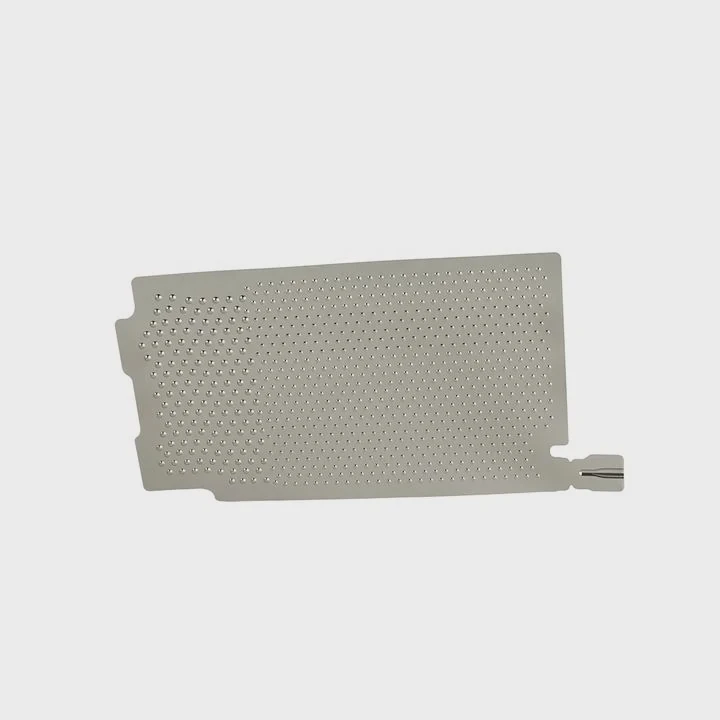
Dissection of failed units serves deep analysis. It helps find root cause that non‑destructive tests cannot show. Dissection often combines cross‑section cutting, chemical analysis, flow channel tracing, and structural study. The first step is careful planning. Analysts pick areas for cutting based on prior test results. Then they dismantle the chamber. If the chamber uses solder or welded seams, they cut along those seams. If core wick or porous structure is suspected, they may dissolve solder or use acids to expose internal core layers.
After dissection, analysts document the internal appearance. They photograph cross‑sections, note discoloration, cracks, blocked passages, or solder voids. They may use microscopy or scanning methods (like SEM). They may also check for corrosion or deposit buildup. At this stage, chemical spectroscopy or elemental analysis can show contamination or oxidation. Flow tests may also follow: the internal channels can be flushed with dye or tracer fluid to check for blockages or leaks. For vapor‑based chambers, sometimes freeze‑fracture is used. They freeze the chamber (e.g. with liquid nitrogen) and then break it. This can expose fracture surfaces, giving clues about brittle failure or fatigue crack paths.
When internal review is complete, analysts compare findings with design specs and manufacturing records. They check if joint thickness matches standard, if weld heat was correct, if materials match specification, if solder coverage was complete. They also review batch records to see if this unit came from an outlier batch. This helps improve quality control for future production.
Common Dissection Steps and Goals
| Step | Purpose | Tools or Method |
|---|---|---|
| Select cut zones based on prior test | Target likely failure areas | Thermal image, leak test data |
| Mechanical cutting or decapping | Expose internal structures | Milling, saw, acid dissolve |
| Visual + microscopic inspection | Observe cracks, voids, structure | Optical microscope, SEM |
| Chemical / elemental analysis | Detect corrosion or contamination | EDS, spectroscopy |
| Internal flow testing or dye tracing | Check for blockage or leakage paths | Dye fluid, pressure test |
| Freeze‑fracture (optional) | Reveal brittle fractures or crack paths | Liquid nitrogen, fracture tools |
| Cross‑check with design & batch data | Find manufacturing or design deviations | Spec sheets, QA records |
Dissection brings risks: the unit is destroyed. But for critical failures, its value outweighs loss. Doing it carefully ensures the findings help fix root causes. Without it, some defects may remain hidden, and they may repeat in future units.
Conclusion
Failure of vapor chambers hides many subtle causes. By combining careful non‑destructive tests, cross‑section analysis, and selective dissection, engineers can find true root causes. Only then the design or manufacturing can improve, and future failures can be avoided.
TAGS
Latest Articles

Volume discount levels for heat sink orders?
Buyers often ask when heat sink prices start to drop with volume. Many worry they’re overpaying for small orders. This guide explains how B2B volume pricing works for thermal components. Heat sink
21 Dec,2025
Heat sink long-term supply contract options?
Many buyers want stable pricing and reliable delivery for heat sinks. But without a clear contract, risks grow over time. This article explores how to secure better long-term supply deals. Long-term
21 Dec,2025
Tooling cost for new heat sink profiles?
Many engineers struggle to understand why tooling for custom heat sinks costs so much. They worry about budgeting and production timelines. This article breaks down the cost drivers behind tooling.
21 Dec,2025
Heat sink custom sample process steps?
Sometimes, starting a custom heat sink project feels overwhelming—too many steps, too many unknowns, and too many risks. You want a sample, but not endless delays. The process for requesting and
20 Dec,2025
Standard B2B terms for heat sink payments?
When buyers and sellers in B2B heat sink markets talk about payment, many don’t fully understand what’s standard. This can lead to delayed orders, miscommunication, and even lost business
20 Dec,2025
Heat sink pricing factors for large orders?
Heat sinks are vital for many systems. When prices rise, projects stall and budgets break. This problem can hit teams hard without warning. Large order heat sink pricing depends on many factors. You
20 Dec,2025Related Articles
- Does Vapor Chamber need nitrogen environment?
- Standard Vapor Chamber inspection procedure?
- Vapor Chamber quality documentation samples?
- Can Vapor Chamber be laser cut?
- Vapor Chamber prototype lead time estimate?
- Vapor Chamber weight reduction possibilities?
- Vapor Chamber industry certification list?
- Does Vapor Chamber meet aerospace standards?
- Vapor Chamber import regulations in USA?
- Vapor Chamber REACH analysis documentation?
- How to calculate Vapor Chamber efficiency?
- Vapor Chamber 3D modeling guidelines?
Author
Dr. Emily Chen
Chief AI Researcher
Leading expert in thermal dynamics and AI optimization with over 15 years of experience in data center efficiency research.
Categories
Latest Products






Recommend Categories
- Liquid cooling plate Manufacturer
- Industrial Heat Sink Manufacturer
- Standard Heat Sink Manufacturer
- Aluminum Heat Sink Manufacturer
- Copper Heat Sink Manufacturer
- Anodized Heatsink Manufacturer
- Stamping heat sink Manufacturer
- Die Casting Heatsink Manufacturer
- Soldering heat sink Manufacturer
- CNC Parts Manufacturer
Latest Products
- Wholesale Aluminum Radiator
- Water Cooling Plate Kit
- Water Cooling Heat Sink
- Water Cooling Heat Sink Kit
- Stainless Steel Water Distributor
- Server Water Cooling Plate Kit
- Server Liquid Cooling System
- Server Aluminum Cooling Kit
- S19 Full Cover Cooling Plate
- S19 Cooling Plate Kit
- S19 Aluminum Cooling Plate
Contact Expert
Have questions about this article? Reach out to our experts directly.