Does Vapor Chamber support high frequency chips?
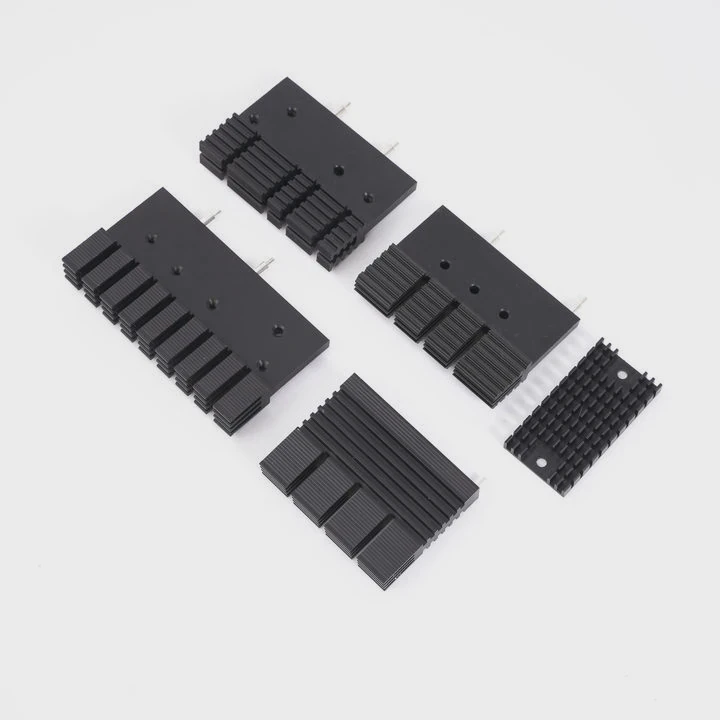
The rapid rise in chip frequencies and power densities presents severe thermal challenges—and many designers are turning to advanced thermal modules like vapor chambers for help.
In many cases, a high‑quality vapor chamber can support the heat loads associated with high‑frequency chips by providing very low thermal resistance and good lateral heat spreading.
Let’s examine how they perform in high‑frequency applications, how chips benefit, where they’re used in RF modules, and what limits still apply.
Can Vapor Chambers handle high‑frequency heat loads?
High‑frequency chips (GHz or higher) often generate high power densities in small areas, creating hot spots and demanding rapid heat removal. Two‑phase devices such as vapor chambers are well suited for these loads.
Yes — vapor chambers can handle high‑frequency chip heat loads when designed appropriately. They provide a strong solution for spreading and removing high power densities.
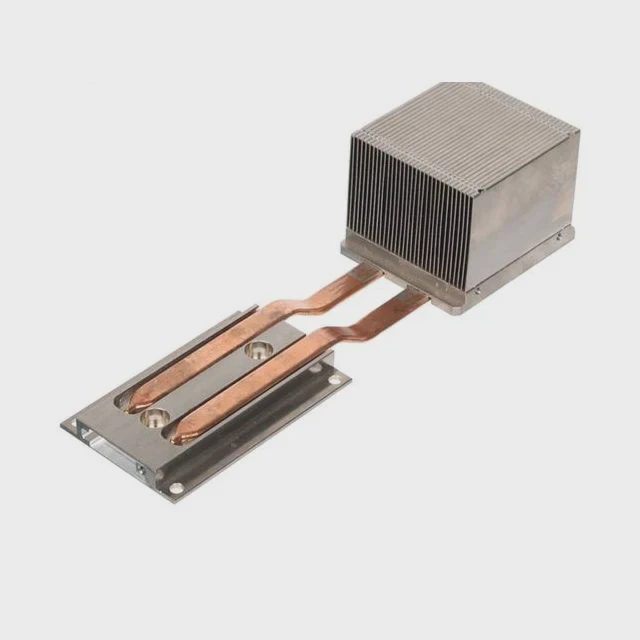
For example, one study shows a vapor chamber with micropillar wick evaporator can handle heat fluxes far higher than traditional cooling. Another application notes vapor chambers designed for power modules can operate above 25 W/cm² and even exceed 500 W/cm² in testing.
Why they work
- The working fluid absorbs heat and vaporizes at the hot zone (evaporator), then spreads across the surface.
- Condensation and capillary return spread heat with very low thermal resistance.
- Vapor chambers respond rapidly to transient thermal loads, useful for GHz-level bursts.
You must ensure proper design: match the heat flux, use suitable wick structure, and control contact quality. Even ultra-thin vapor chambers have achieved over 180 W/cm² in lab conditions.
How do high-speed chips benefit from Vapor Chambers?
High-frequency chips push performance—and heat—to the limits. Vapor chambers offer specific improvements.
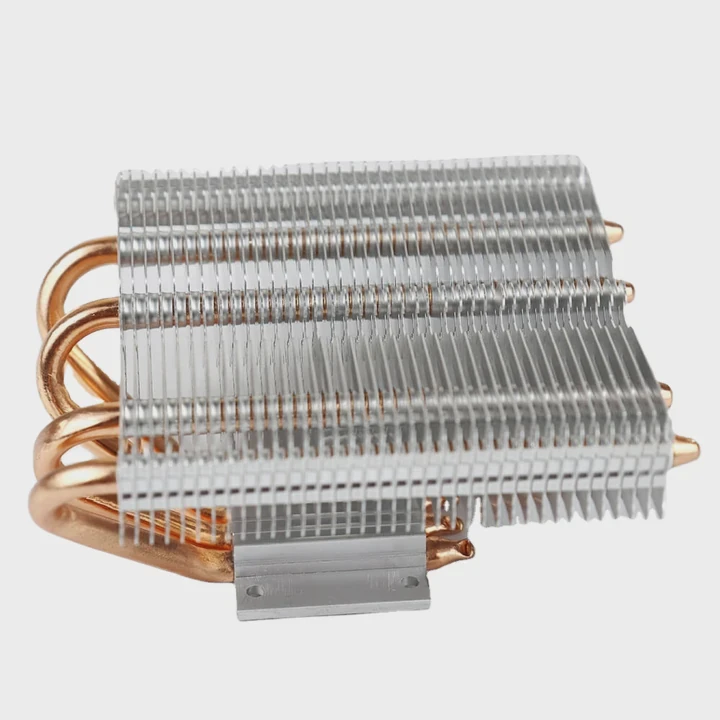
High-speed chips benefit from vapor chambers through lower thermal resistance, reduced hot spots, better transient response, and support for thin form factors.
What the benefits include
- Lower die temperatures: helping maintain GHz-level performance without thermal throttling.
- Uniform temperature spreading: critical for reliability across densely packed chiplets or multi-die systems.
- Compatibility with compact packages: ultra-thin vapor chambers fit tight enclosures, ideal for mobile, edge, and AI hardware.
- Faster thermal response: reducing peak temperatures during fast switching or burst loads.
Data point
A “chip-on-vapor-chamber” (CoVC) concept demonstrated thermal resistance one-third lower than conventional spreaders. In mobile chips and SoCs, thermal savings translate to real performance gains.
For your customers using advanced packaging or power-dense chips, offering vapor chambers as part of the thermal module gives them flexibility and better performance.
Are Vapor Chambers used in RF module cooling?
RF modules now pack more functionality into smaller volumes—with rising heat levels.
Yes — vapor chambers are already in use in RF systems, especially in power amplifiers, radar systems, and 5G base stations where GHz-level frequencies cause dense heat spots.
Why RF modules need them
- High-frequency operation generates rapid, uneven heat.
- Passive, compact cooling is needed due to space and noise constraints.
- Vibration and long service life demand reliable thermal solutions.
Use case examples
- 5G FEMs with vapor chambers beneath power amplifier dies.
- Satellite payloads use thin vapor spreaders for RF processing circuits.
- Military radar systems integrate vapor chambers into enclosure walls.
A wick-free vapor chamber in forced-air mode cooled electronics mimicking MHz-GHz switching. This shows versatility even in rugged environments.
Your vapor chamber offerings should address EMI compatibility, vibration resistance, and compact system fit to serve RF clients.
What limits exist for Vapor Chambers in GHz chips?
No technology is perfect. Vapor chambers also have operational boundaries.
Yes — vapor chambers can be limited by extreme heat flux, interface resistance, structural constraints, or system-level bottlenecks.
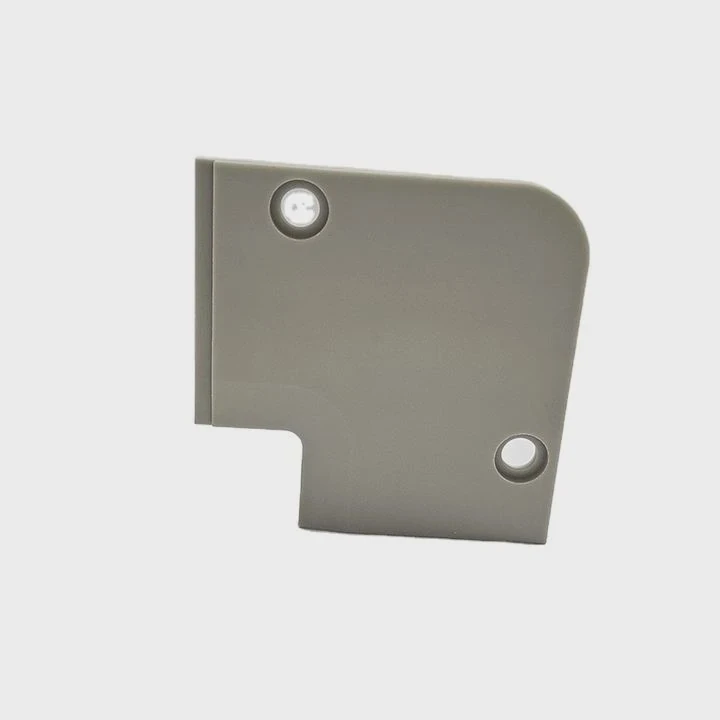
Main limitations
| Constraint | Impact | Mitigation |
|---|---|---|
| Dry-out under high flux | Thermal performance collapse | Use high-performance wick, hybrid |
| Poor interface contact | Local overheating | Optimize TIM and surface flatness |
| Thickness/design limits | Reduced capacity | Use ultra-thin variants carefully |
| Orientation/sink mismatch | Spreader works, sink fails | Balance entire thermal path |
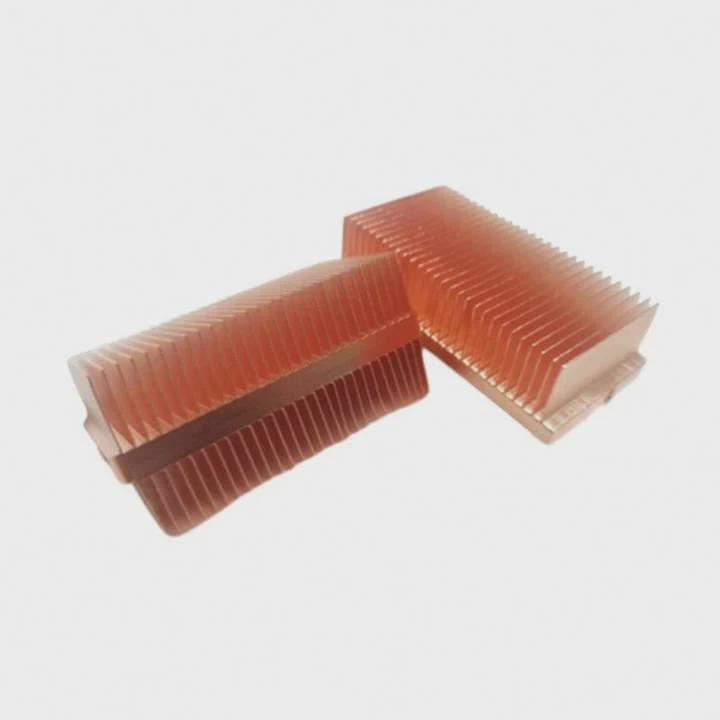
Design insight
Vapor chambers do not magically dissipate heat—they move it. If your downstream cooling is inadequate (e.g. poor airflow, undersized heat sink), performance will drop.
Also, GHz chips with tight footprints may create hot spots the chamber can’t fully cover unless it’s custom designed. Dry-out limits are real at very high flux (200–500+ W/cm²).
Vapor chamber design should be part of a system-wide thermal plan. Always validate with simulation or testing.
Conclusion
Vapor chambers are highly effective at cooling high-frequency chips. They spread heat quickly, reduce thermal resistance, and work well in thin, high-density electronics. From GHz processors to RF modules, their adoption is growing. But design matters: you must account for heat flux, interface quality, and system-level cooling to make vapor chambers a success in GHz-class applications.
TAGS
Latest Articles

Volume discount levels for heat sink orders?
Buyers often ask when heat sink prices start to drop with volume. Many worry they’re overpaying for small orders. This guide explains how B2B volume pricing works for thermal components. Heat sink
21 Dec,2025
Heat sink long-term supply contract options?
Many buyers want stable pricing and reliable delivery for heat sinks. But without a clear contract, risks grow over time. This article explores how to secure better long-term supply deals. Long-term
21 Dec,2025
Tooling cost for new heat sink profiles?
Many engineers struggle to understand why tooling for custom heat sinks costs so much. They worry about budgeting and production timelines. This article breaks down the cost drivers behind tooling.
21 Dec,2025
Heat sink custom sample process steps?
Sometimes, starting a custom heat sink project feels overwhelming—too many steps, too many unknowns, and too many risks. You want a sample, but not endless delays. The process for requesting and
20 Dec,2025
Standard B2B terms for heat sink payments?
When buyers and sellers in B2B heat sink markets talk about payment, many don’t fully understand what’s standard. This can lead to delayed orders, miscommunication, and even lost business
20 Dec,2025
Heat sink pricing factors for large orders?
Heat sinks are vital for many systems. When prices rise, projects stall and budgets break. This problem can hit teams hard without warning. Large order heat sink pricing depends on many factors. You
20 Dec,2025Related Articles
- Vapor Chamber for industrial heat dissipation solutions?
- Vapor Chamber technical drawing requirements?
- Collaborative development for Vapor Chamber projects?
- How to recycle Vapor Chamber materials?
- Vapor Chamber market growth forecast?
- Vapor Chamber export compliance checklist?
- Vapor Chamber application in automotive battery cooling?
- Recommended Vapor Chamber assembly process?
- How to optimize Vapor Chamber thermal performance?
- Vapor Chamber design parameters for heavy machinery?
- Vapor Chamber for high power LED modules?
- Vapor Chamber quality assurance checklist?
Author
Dr. Emily Chen
Chief AI Researcher
Leading expert in thermal dynamics and AI optimization with over 15 years of experience in data center efficiency research.
Categories
Latest Products






Recommend Categories
- Liquid cooling plate Manufacturer
- Industrial Heat Sink Manufacturer
- Standard Heat Sink Manufacturer
- Aluminum Heat Sink Manufacturer
- Copper Heat Sink Manufacturer
- Anodized Heatsink Manufacturer
- Stamping heat sink Manufacturer
- Die Casting Heatsink Manufacturer
- Soldering heat sink Manufacturer
- CNC Parts Manufacturer
Latest Products
- Wholesale Aluminum Radiator
- Water Cooling Plate Kit
- Water Cooling Heat Sink
- Water Cooling Heat Sink Kit
- Stainless Steel Water Distributor
- Server Water Cooling Plate Kit
- Server Liquid Cooling System
- Server Aluminum Cooling Kit
- S19 Full Cover Cooling Plate
- S19 Cooling Plate Kit
- S19 Aluminum Cooling Plate
Contact Expert
Have questions about this article? Reach out to our experts directly.