Vapor Chamber quality assurance checklist?
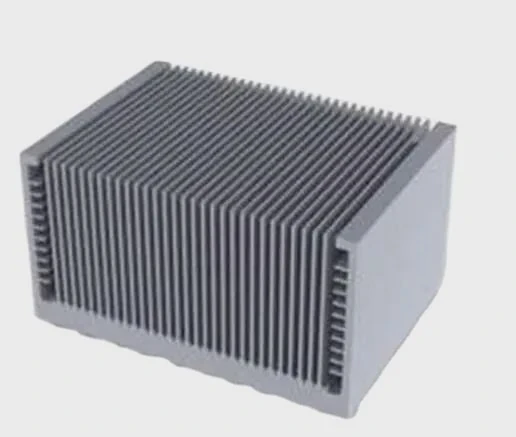
Vapor chambers are only as good as their consistency. A single defect—like a leak, warp, or performance drop—can compromise the whole system. That’s why quality assurance matters from start to finish.
A complete vapor chamber QA checklist includes visual inspection, leak testing, flatness check, dimensional measurement, and thermal performance testing. Documentation and traceability seal the process.
Let’s walk through the QA checkpoints that keep vapor chambers reliable, efficient, and compliant—every batch, every time.
What items are on a Vapor Chamber QA checklist?
Not all defects are visible to the eye. Some affect thermal performance, others show up only in long-term use. That’s why a QA checklist must cover structure, pressure, surface, and thermal response.
A vapor chamber QA checklist includes steps for dimensional check, surface flatness, leak detection, visual inspection, and thermal validation.
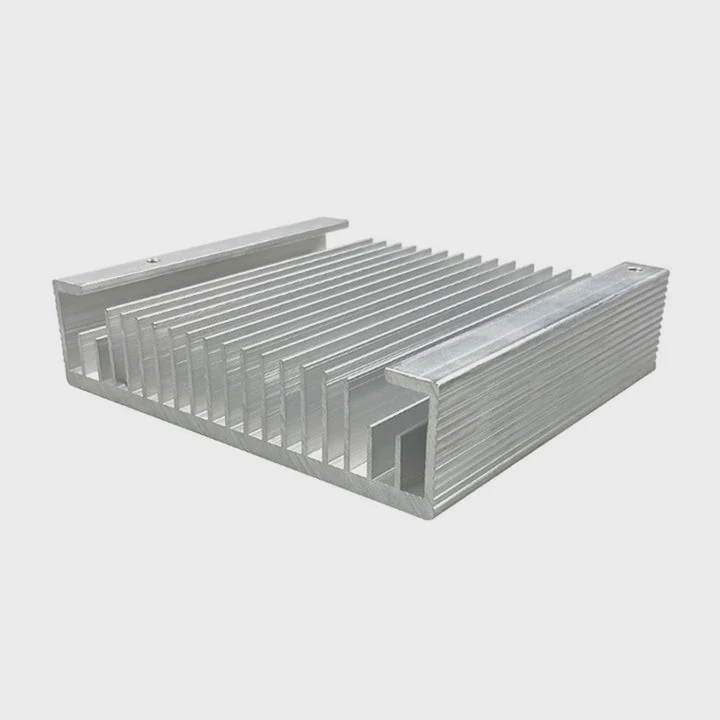
Key QA Items to Check
1. Incoming Material Inspection
- Verify metal sheet composition (e.g., Cu purity >99.9%)
- Confirm fluid purity (DI water, ethanol, or other)
- Inspect wick media for consistency and bonding
2. Dimensional and Flatness Checks
- Use CMM or calipers for width, length, and thickness
- Use surface plates and feeler gauges to check flatness (±0.05 mm typical tolerance)
3. Visual Surface Inspection
- Check for surface dents, cracks, or oxide patches
- Inspect weld lines for smoothness and consistency
4. Leak Testing
- Use helium mass spectrometry or pressure hold method
- Record leak rates against standard thresholds (see below)
5. Thermal Performance Testing
- Mount chamber to heat source
- Apply known heat load (e.g., 50–100 W)
- Measure ΔT between hotspot and edge
| QA Item | Test Method | Typical Acceptance |
|---|---|---|
| Flatness | Feeler gauge / CMM | ≤0.05 mm variation |
| Leak rate | Helium or pressure drop | ≤1×10⁻⁷ atm·cc/sec |
| Dimensional accuracy | Vernier / CMM | ±0.1 mm |
| Surface defect | Visual/manual inspection | No visible damage |
| Thermal resistance (Rth) | Heat test jig | ≤0.3 °C/W |
Each item should be logged and tied to serial or batch numbers. For critical industries like aerospace or medical, 100% checks may be required.
Is thermal test mandatory in quality control?
Vapor chambers are built to manage heat. So while dimensions or leaks are important, actual thermal performance proves whether the chamber works.
Yes — thermal testing is a mandatory QA step for verifying vapor chamber performance and ensuring it meets the expected thermal resistance or spreading capability.
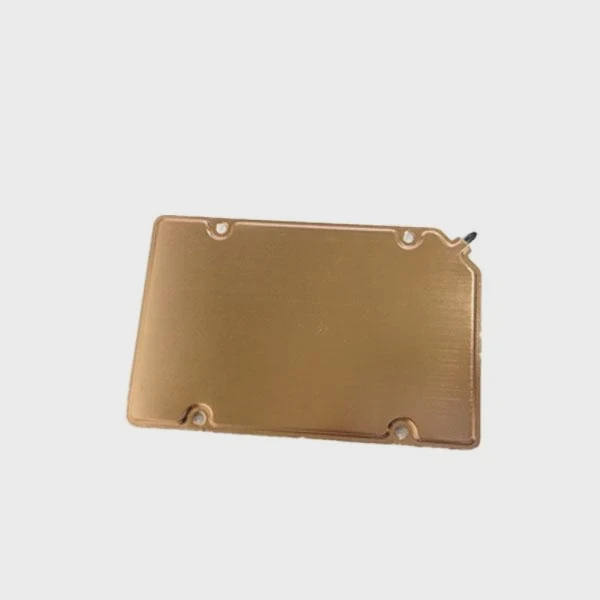
How Thermal Testing Works
Setup
- Mount vapor chamber onto a controlled heat source
- Apply known power input (e.g., 80 W)
- Measure surface temperatures with thermocouples or IR camera
Target Metrics
- ΔT between hotspot and chamber edge
- Calculated Rth (thermal resistance)
Acceptance Criteria
| Power Applied | Max ΔT (°C) | Target Rth (°C/W) |
|---|---|---|
| 50 W | ≤10 °C | ≤0.2 |
| 100 W | ≤20 °C | ≤0.2–0.3 |
When Is It Required?
- Always for new designs or process validation
- Every batch for critical components (e.g., defense, aerospace)
- Spot checks or AQL for standard models in mass production
Thermal tests catch hidden defects like wick misplacement, underfilling, or internal blockages—issues invisible to external inspection.
Do QA checks include flatness and leak tests?
Thermal interface relies on surface contact. Any bend, warp, or leak can ruin performance or safety. So yes—these are standard in vapor chamber QA.
QA procedures always include flatness checks and leak detection to ensure mechanical fit and long-term sealed operation.
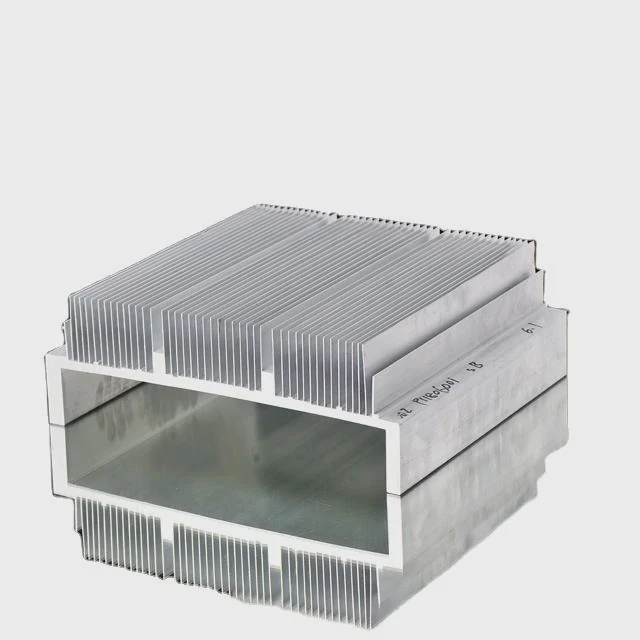
Flatness Testing
A warped chamber reduces contact with the heat source. This adds interface resistance and reduces performance.
Method
- Use granite surface plate + feeler gauge
- Or optical CMM scan for detailed 3D map
Tolerance
| Chamber Size | Flatness Tolerance |
|---|---|
| ≤100 mm width | ≤0.05 mm |
| >100 mm width | ≤0.1 mm |
Leak Testing Methods
- Helium mass spectrometry: High precision
- Pressure drop test: Simpler, longer time
- Bubble immersion test: Fast visual check
Typical Leak Rate Standards
| Application Type | Leak Limit (atm·cc/sec) |
|---|---|
| Consumer electronics | ×10⁻⁵ |
| Automotive/Aerospace | ×10⁻⁷ |
| Medical devices | ×10⁻⁹ |
Leak and flatness tests are run post-assembly, often just before packaging. Failures are tagged, separated, and investigated.
How are QA records documented and stored?
Making good vapor chambers is not enough. You need to prove it—months or even years later. That’s where QA documentation comes in.
QA records for vapor chambers are stored in traceable formats by serial number or batch, including inspection data, thermal test results, and material certificates.
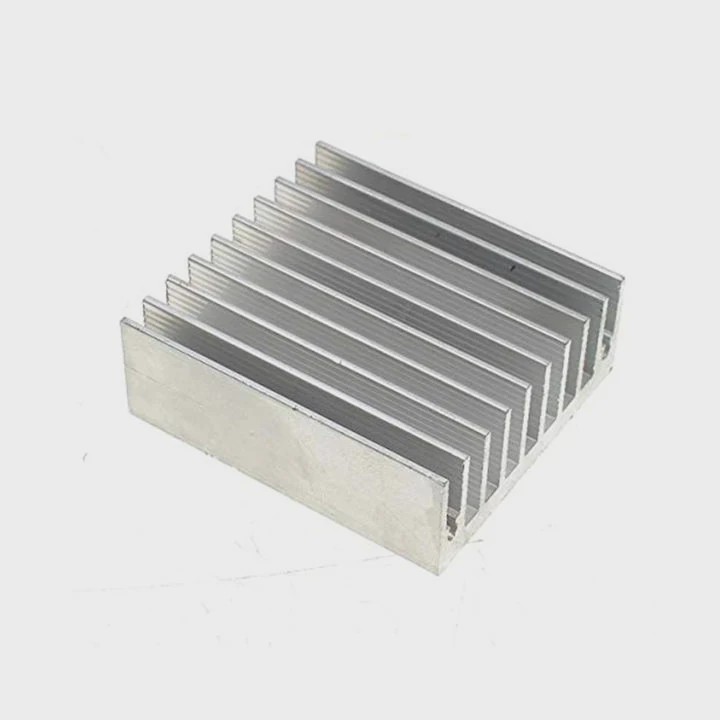
Common Documentation Practices
Traceability
- Assign serial number to each chamber or batch
- Link to manufacturing lot and materials used
Inspection Records
- Flatness, dimensions, and surface data
- Leak test results
- Thermal test results
Supporting Certificates
- Material CoC (Certificate of Conformity)
- RoHS & REACH declarations
- MSDS (for working fluid)
Storage Format
| Type | Format | Retention Period |
|---|---|---|
| Inspection reports | Digital + paper backup | ≥5 years |
| Certificates | PDF + ERP linked | ≥10 years |
| Test photos/data | Cloud / local server | Project-dependent |
For high-end industries, QA reports may be shared with customers or uploaded to supplier portals. Barcode or QR tracking is common for fast access.
QA systems (like ISO9001, IATF16949) demand full traceability and auditability. A strong documentation flow is essential to stay compliant and competitive.
Conclusion
A complete vapor chamber QA checklist covers flatness, leaks, dimensions, surface quality, and thermal performance. Each step has measurable standards and test methods. Thermal testing is essential to prove real-world function. All results must be documented and traceable by batch or serial number. Quality assurance is not a final step—it’s built into the entire vapor chamber process.
TAGS
Latest Articles

Volume discount levels for heat sink orders?
Buyers often ask when heat sink prices start to drop with volume. Many worry they’re overpaying for small orders. This guide explains how B2B volume pricing works for thermal components. Heat sink
21 Dec,2025
Heat sink long-term supply contract options?
Many buyers want stable pricing and reliable delivery for heat sinks. But without a clear contract, risks grow over time. This article explores how to secure better long-term supply deals. Long-term
21 Dec,2025
Tooling cost for new heat sink profiles?
Many engineers struggle to understand why tooling for custom heat sinks costs so much. They worry about budgeting and production timelines. This article breaks down the cost drivers behind tooling.
21 Dec,2025
Heat sink custom sample process steps?
Sometimes, starting a custom heat sink project feels overwhelming—too many steps, too many unknowns, and too many risks. You want a sample, but not endless delays. The process for requesting and
20 Dec,2025
Standard B2B terms for heat sink payments?
When buyers and sellers in B2B heat sink markets talk about payment, many don’t fully understand what’s standard. This can lead to delayed orders, miscommunication, and even lost business
20 Dec,2025
Heat sink pricing factors for large orders?
Heat sinks are vital for many systems. When prices rise, projects stall and budgets break. This problem can hit teams hard without warning. Large order heat sink pricing depends on many factors. You
20 Dec,2025Related Articles
- Vapor Chamber for high power LED modules?
- Vapor Chamber design parameters for heavy machinery?
- How to optimize Vapor Chamber thermal performance?
- Recommended Vapor Chamber assembly process?
- Vapor Chamber application in automotive battery cooling?
- Does Vapor Chamber support high frequency chips?
- Vapor Chamber heat resistance under overload?
- Vapor Chamber usage in telecom base stations?
- Can Vapor Chamber replace heat pipes?
- Typical cycle testing for Vapor Chamber durability?
- Can Vapor Chamber work in subzero temperatures?
- Vapor Chamber impact resistance specifications?
Author
Dr. Emily Chen
Chief AI Researcher
Leading expert in thermal dynamics and AI optimization with over 15 years of experience in data center efficiency research.
Categories
Latest Products






Recommend Categories
- Liquid cooling plate Manufacturer
- Industrial Heat Sink Manufacturer
- Standard Heat Sink Manufacturer
- Aluminum Heat Sink Manufacturer
- Copper Heat Sink Manufacturer
- Anodized Heatsink Manufacturer
- Stamping heat sink Manufacturer
- Die Casting Heatsink Manufacturer
- Soldering heat sink Manufacturer
- CNC Parts Manufacturer
Latest Products
- Wholesale Aluminum Radiator
- Water Cooling Plate Kit
- Water Cooling Heat Sink
- Water Cooling Heat Sink Kit
- Stainless Steel Water Distributor
- Server Water Cooling Plate Kit
- Server Liquid Cooling System
- Server Aluminum Cooling Kit
- S19 Full Cover Cooling Plate
- S19 Cooling Plate Kit
- S19 Aluminum Cooling Plate
Contact Expert
Have questions about this article? Reach out to our experts directly.