Vapor Chamber design parameters for heavy machinery?
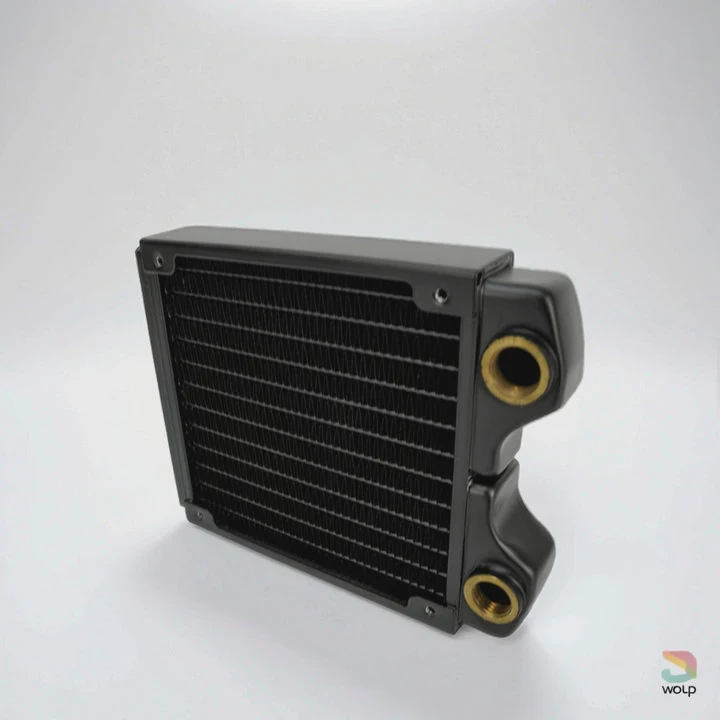
Heavy equipment often faces overheating in extreme conditions, yet most thermal solutions fail under such rugged demands.
When applying a vapor chamber in heavy machinery, key parameters include power density, plate thickness/support structure, internal wick and vapor path design, mechanical load limits (clamping/vibration), environmental ruggedness, and material/process choice.
Let’s look deeper into what really matters when designing vapor chambers for demanding industrial applications.
What specs matter for Vapor Chambers in heavy equipment?
When used in heavy machines, vapor chambers face heat, shock, and outdoor exposure all at once.
Key specs include power density, plate thickness, wick design, collapse resistance, environmental sealing, and vibration tolerance.
Key Considerations
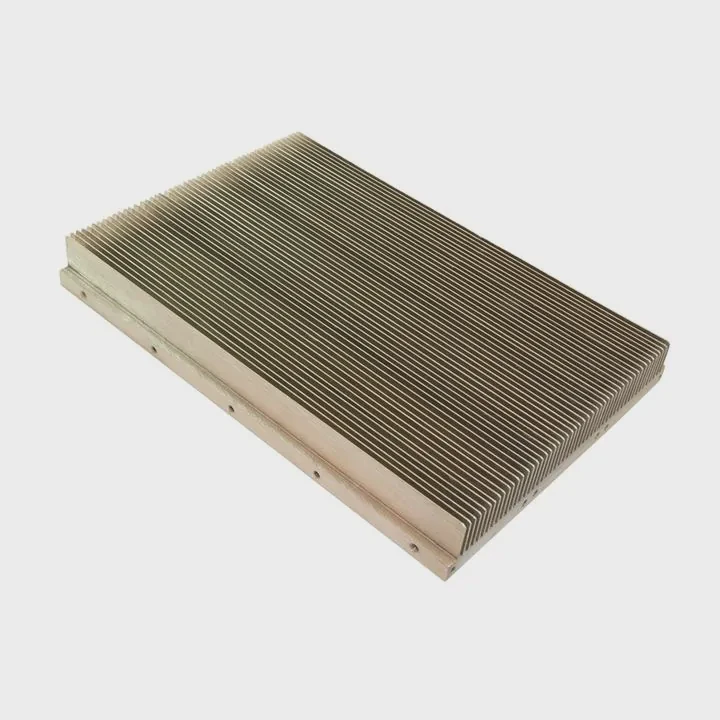
Vapor chambers in industrial gear must do more than cool—they must survive and maintain performance. This means heat flux is often double or triple what we see in laptops or servers. External stress from vibration or impact demands strong internal support. Long operating hours mean every design flaw becomes a failure risk.
Some of the most critical specs include:
- Heat flux: Often above 50 W/cm²
- Clamping pressure: Heavy loads from brackets or bolts
- Flatness: Even slight bowing reduces contact and performance
- Internal structure: Posts or mesh needed to avoid collapse
- Wick design: Must handle gravity-insensitive flow if orientation shifts
- Material strength: Needs durability in dusty or moist conditions
Comparison Table
| Parameter | Consumer Grade | Heavy Equipment Standard |
|---|---|---|
| Heat Flux (W/cm²) | 10–50 | 50–200+ |
| Vibration Tolerance (g) | <5 | >10 |
| Pressure Resistance (psi) | <30 | 60–100+ |
| Duty Cycle | 20–50% | 80–100% |
Designs for industrial use must always plan for worst-case load, temperature, and stress. We treat the vapor chamber as a structural thermal part, not just a heat spreader.
Are thicker plates needed for industrial Vapor Chambers?
Standard vapor chambers may collapse under industrial mounting loads if plates are too thin.
Yes — thicker plates or reinforced structures are often necessary to withstand clamping, vibration, and load in heavy equipment.
Why Thickness Matters
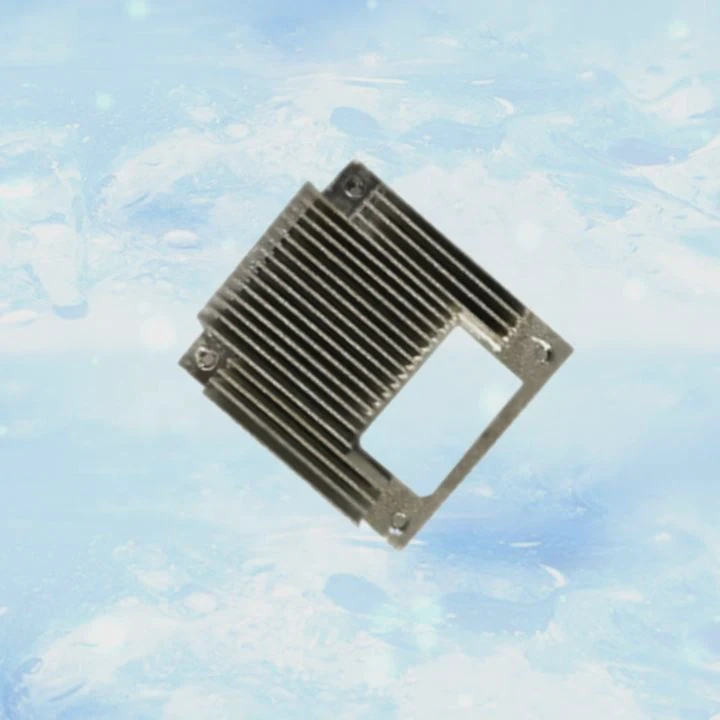
A vapor chamber is sealed and partially hollow. When a bolt applies pressure or the system experiences shock, thin walls can dent or deform. If deformation reduces the gap between plates, vapor movement stops. That means heat stops moving, and components can overheat.
Key Engineering Points
- Start with at least 5 mm total thickness for large chambers
- Internal posts prevent flexing between large flat surfaces
- Bonding method (e.g., diffusion bonding) should match mechanical strength
- Overly thick plates can reduce thermal speed, so balance is key
Design Guidelines
| Feature | Recommendation |
|---|---|
| Minimum plate thickness | 5 mm for external load zones |
| Internal post spacing | ≤ 20 mm |
| Edge frame reinforcement | Add if chamber is wide or under clamp |
| Fill fluid pressure rating | ≥ 90 psi for heavy applications |
While thickness adds weight, it avoids failures under field loads. Instead of just thickening plates, reinforcing with internal supports is a better design path.
How to calculate load capacity in such applications?
Without knowing load limits, vapor chambers may deform or break during assembly.
Load capacity depends on clamping pressure, internal support spacing, material yield, and allowable deflection.
Load Capacity Basics
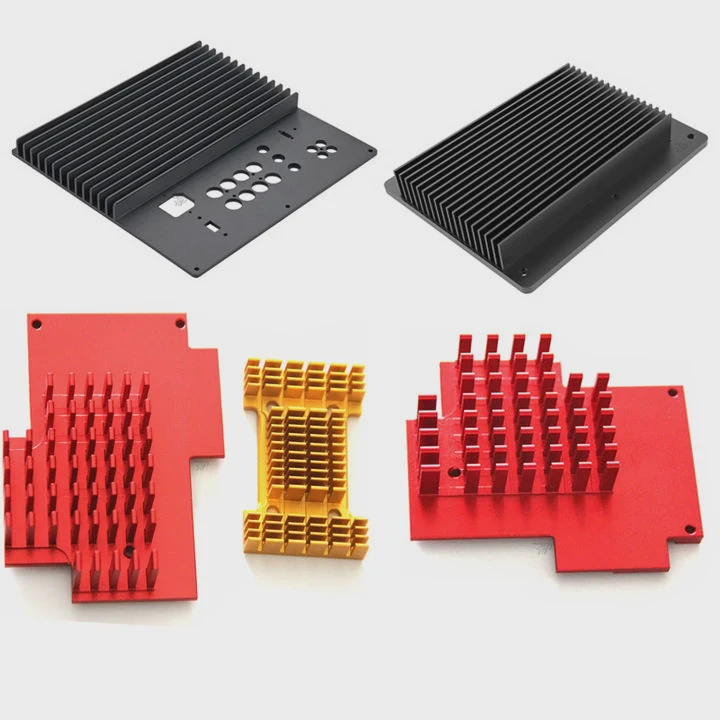
Start by identifying every force the vapor chamber will face:
- Mounting clamp force
- Vibration impulse
- Weight of components above it
- Thermal expansion forces
Convert forces into pressure using area:
Pressure (MPa) = Load (N) / Contact Area (mm²)
Then check plate material strength. If copper yield is ~200 MPa and chamber sees 3.5 MPa, you’re fine—unless there’s fatigue or shock cycling.
Add a safety factor of 2–3× for design.
Thermal vs Mechanical Balance
A thicker plate resists load better, but spreads heat slower. That means:
- Use thicker plates where bolts are near
- Keep thinner areas for fast heat transfer
- Add internal supports in wide zones
Quick Calculation Table
| Factor | Formula / Example | Design Target |
|---|---|---|
| Load Pressure (MPa) | Load ÷ Area (e.g. 8000 N ÷ 2500 mm²) | < 5 MPa |
| Plate Yield Strength | ~200 MPa (copper) | 3–5× applied stress |
| Max Deflection Allowed | ≤ 0.1 mm under full load | |
| ΔT from Rθ | Power × Thermal Resistance | ≤ 10°C |
For final validation, run FEA simulations under thermal and mechanical loads combined. Use strain maps to find weak zones.
Can Vapor Chambers survive harsh mechanical conditions?
Industrial and mobile machines often mean shock, vibration, dirt, and heat—sometimes all at once.
Yes — but they need thicker walls, reinforced interiors, strong welds, and protective coatings to survive vibration, shock, and outdoor use.
Key Threats
- Random vibration: Gearboxes or tracks create high-G patterns
- Shock impact: Drops or crash stops can deform plates
- Thermal fatigue: Day-night or load-on/load-off cycling
- Dust/moisture: External materials enter through weak welds
Build for Durability
- Use nickel-coated copper to resist corrosion
- Diffusion bonding gives stronger joints than solder
- Include dense internal mesh for anti-collapse strength
- Test with environmental chambers and shaker tables
Harsh Environment Checklist
| Exposure Type | Protection Needed |
|---|---|
| Vibration (>10 g) | Bonded plate edges + internal posts |
| Shock / Impact | Thicker outer shell, welded frame |
| Dust / Debris | Sealed welds, surface plating |
| Water / Humidity | Nickel coating, hermetic sealing |
| Wide temperature swings | Flexible wicks, stress-tested welds |
Always define the mechanical lifecycle of the application. Vapor chambers designed for rack servers may last weeks in mining vehicles unless reinforced.
Conclusion
Vapor chambers for heavy machinery must be engineered to handle high thermal flux and physical abuse. Critical parameters include plate thickness, structural supports, heat load design, and environmental resistance. With proper specs and validation, vapor chambers can deliver performance even in extreme industrial environments.
TAGS
Latest Articles

Volume discount levels for heat sink orders?
Buyers often ask when heat sink prices start to drop with volume. Many worry they’re overpaying for small orders. This guide explains how B2B volume pricing works for thermal components. Heat sink
21 Dec,2025
Heat sink long-term supply contract options?
Many buyers want stable pricing and reliable delivery for heat sinks. But without a clear contract, risks grow over time. This article explores how to secure better long-term supply deals. Long-term
21 Dec,2025
Tooling cost for new heat sink profiles?
Many engineers struggle to understand why tooling for custom heat sinks costs so much. They worry about budgeting and production timelines. This article breaks down the cost drivers behind tooling.
21 Dec,2025
Heat sink custom sample process steps?
Sometimes, starting a custom heat sink project feels overwhelming—too many steps, too many unknowns, and too many risks. You want a sample, but not endless delays. The process for requesting and
20 Dec,2025
Standard B2B terms for heat sink payments?
When buyers and sellers in B2B heat sink markets talk about payment, many don’t fully understand what’s standard. This can lead to delayed orders, miscommunication, and even lost business
20 Dec,2025
Heat sink pricing factors for large orders?
Heat sinks are vital for many systems. When prices rise, projects stall and budgets break. This problem can hit teams hard without warning. Large order heat sink pricing depends on many factors. You
20 Dec,2025Related Articles
- How to optimize Vapor Chamber thermal performance?
- Recommended Vapor Chamber assembly process?
- Vapor Chamber application in automotive battery cooling?
- Does Vapor Chamber support high frequency chips?
- Vapor Chamber for industrial heat dissipation solutions?
- Vapor Chamber technical drawing requirements?
- Vapor Chamber for high power LED modules?
- Vapor Chamber quality assurance checklist?
- Vapor Chamber heat resistance under overload?
- Vapor Chamber usage in telecom base stations?
- Can Vapor Chamber replace heat pipes?
- Typical cycle testing for Vapor Chamber durability?
Author
Dr. Emily Chen
Chief AI Researcher
Leading expert in thermal dynamics and AI optimization with over 15 years of experience in data center efficiency research.
Categories
Latest Products






Recommend Categories
- Liquid cooling plate Manufacturer
- Industrial Heat Sink Manufacturer
- Standard Heat Sink Manufacturer
- Aluminum Heat Sink Manufacturer
- Copper Heat Sink Manufacturer
- Anodized Heatsink Manufacturer
- Stamping heat sink Manufacturer
- Die Casting Heatsink Manufacturer
- Soldering heat sink Manufacturer
- CNC Parts Manufacturer
Latest Products
- Wholesale Aluminum Radiator
- Water Cooling Plate Kit
- Water Cooling Heat Sink
- Water Cooling Heat Sink Kit
- Stainless Steel Water Distributor
- Server Water Cooling Plate Kit
- Server Liquid Cooling System
- Server Aluminum Cooling Kit
- S19 Full Cover Cooling Plate
- S19 Cooling Plate Kit
- S19 Aluminum Cooling Plate
Contact Expert
Have questions about this article? Reach out to our experts directly.