Vapor Chamber for high power LED modules?
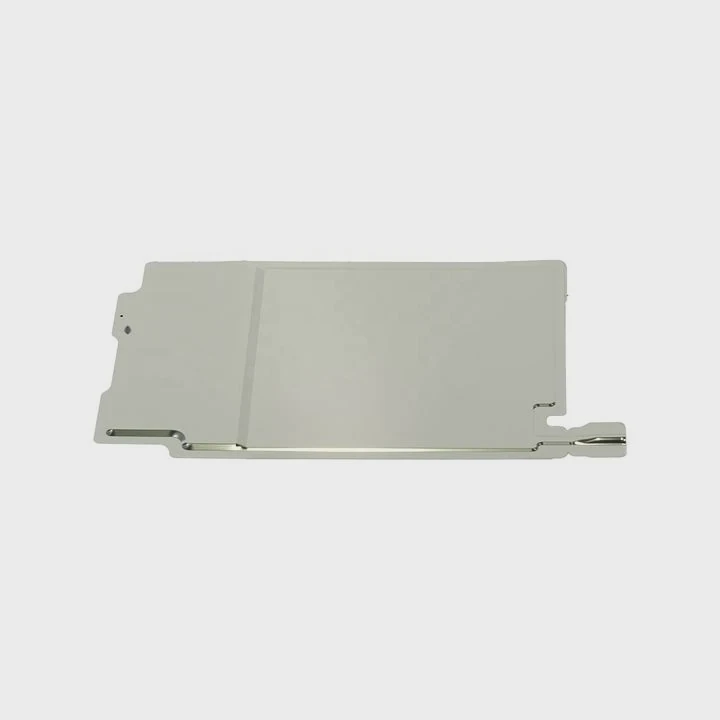
Overheating ruins LED brightness and lifespan—cooling must keep up with lumen output.
Yes, vapor chambers are ideal for high-power LED modules, offering even heat spreading and lower junction temperatures compared to traditional heatsinks.
Let’s explore when and how to use vapor chambers in LED systems.
Why are Vapor Chambers used in LED heat management?
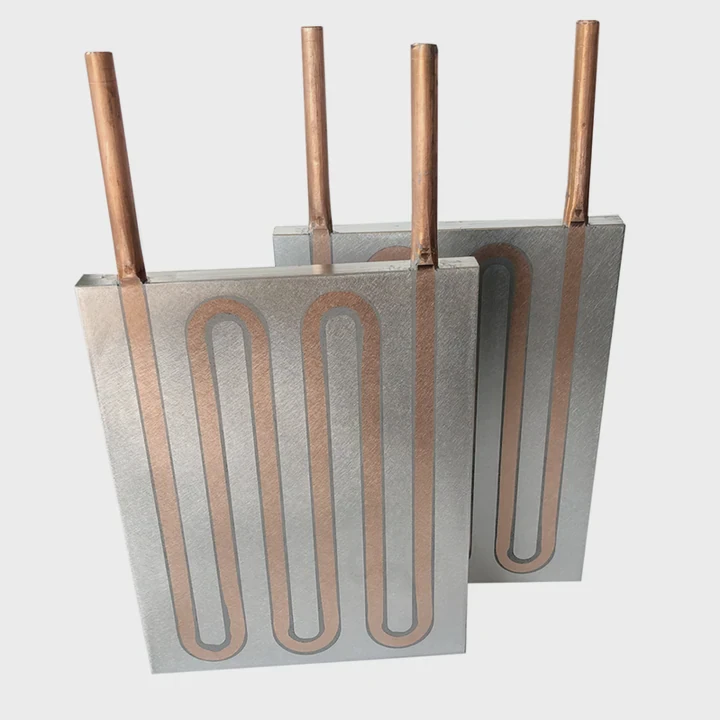
LEDs are efficient light sources but still convert 30–40% of energy into heat. Without good thermal control, that heat accumulates and degrades the chip.
Yes, vapor chambers are used to spread heat rapidly away from LED junctions, reducing hot spots and improving brightness consistency.
Thermal Challenges in High-Power LEDs
| Problem | Impact on Performance |
|---|---|
| Heat concentration | Raises junction temperature (Tj) |
| Uneven surface temperature | Color shift and luminance drop |
| Overheating | Shorter lifespan, lower efficiency |
| Local thermal stress | Delamination or cracking of chip/substrate |
Vapor Chamber Benefits in LEDs
- Distributes heat evenly under entire LED board
- Prevents hotspots near central dies
- Reduces temperature difference between center and edges
- Helps maintain color consistency and lumen output
- Improves long-term reliability in sealed or fanless lighting systems
For LED streetlights, grow lights, projectors, and stadium lamps, vapor chambers are a proven upgrade over aluminum base plates or copper blocks.
What power levels justify Vapor Chamber cooling?
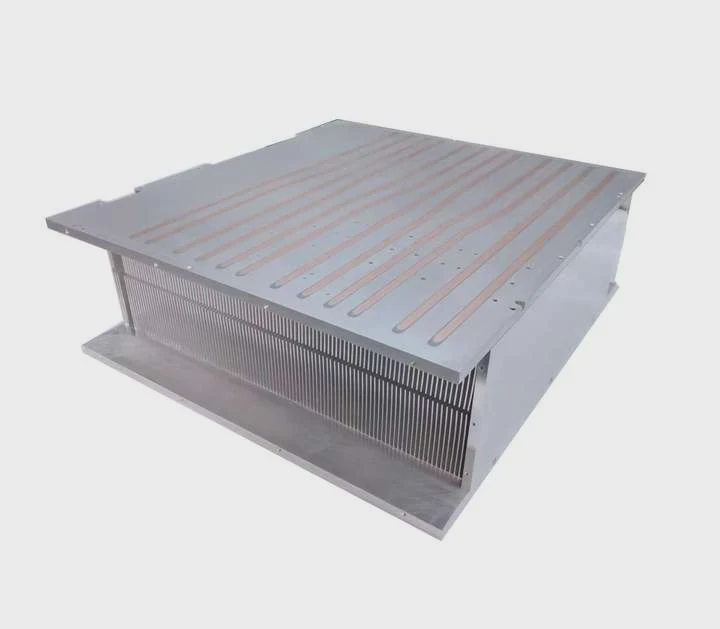
Not every LED needs a vapor chamber. Low-power or well-ventilated designs may do fine with metal core PCBs or passive fins. But when you cross certain thermal limits, vapor chambers become essential.
Vapor chamber cooling is typically justified for LED modules operating above 20–30W per array or with concentrated die layouts.
Power Thresholds for Vapor Chamber Use
| LED Type | Typical Power | Cooling Method Suggested |
|---|---|---|
| Indicator LEDs | <1W | PCB copper or basic air cooling |
| Standard bulb replacements | 5–10W | Finned aluminum sink |
| LED spotlights | 10–30W | Metal core board + passive sink |
| High-power COB LEDs | 30–80W | Vapor chamber + heatsink combo |
| Stadium or projector lights | 100W+ | Vapor chamber baseplate |
If your module has limited space, high packaging density, or directional optics (like beam-focused LEDs), vapor chambers help by:
Spreading heat laterally across the housing
Enabling thinner structures
Working with passive convection or low-speed fans
Can Vapor Chambers replace heat sinks in LED arrays?
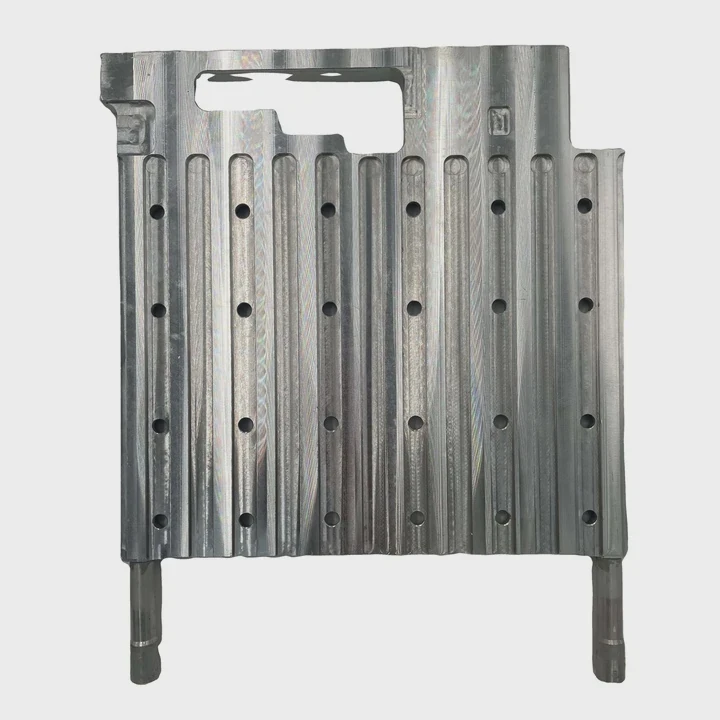
Vapor chambers don’t eliminate heat—they move it. So while they can’t fully replace a heatsink, they drastically improve how heat reaches the sink or external housing.
No, vapor chambers don’t replace heatsinks but act as thermal spreaders that improve heatsink efficiency and reduce overall size.
Role of Vapor Chamber in LED Thermal Stack
| Layer | Function |
|---|---|
| LED Die / COB | Generates heat |
| Thermal interface material | Transfers heat to vapor chamber |
| Vapor chamber | Spreads heat evenly across base area |
| Heatsink / housing | Transfers heat to air or ambient |
Benefits of Replacing Thick Heatsinks with VC + Light Fins
- Reduces system height and weight
- Improves cooling at off-center LED positions
- Enables fanless operation in enclosed lighting
- Supports precision optics by reducing bulk near lens
Vapor chambers are often bonded to thin aluminum fins or extrusions for lighter, faster-dissipating fixtures.
This is popular in:
High-bay warehouse lights
Automotive headlamps
Outdoor area lighting
High-CRI architectural LEDs
Are LED-specific Vapor Chambers different in design?
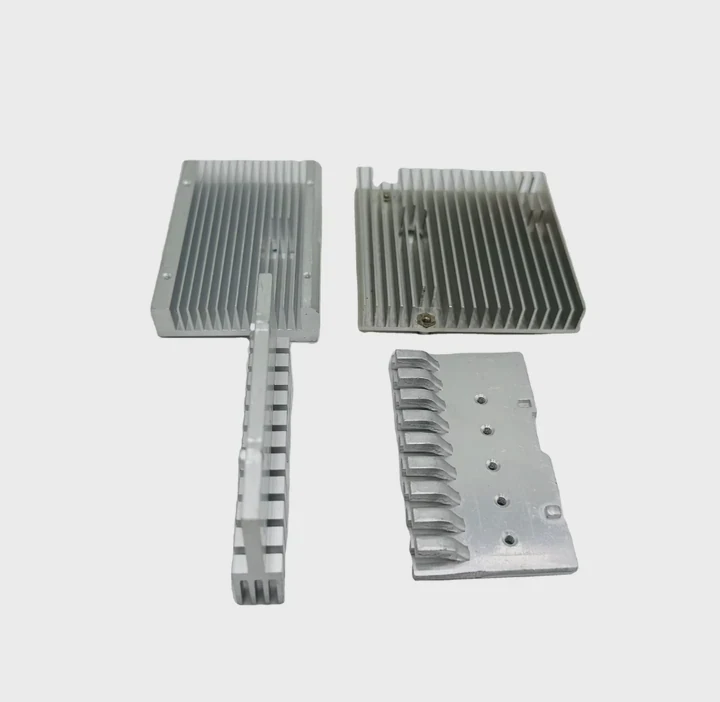
Yes, vapor chambers used in LED modules are tailored for large-area, flat-mount applications and often support wide heat input zones from multi-die sources.
Yes, LED-targeted vapor chambers are designed with wider base areas, optimized wick patterns, and mounting interfaces to match LED PCBs.
Unique Design Features for LED Applications
| Feature | Purpose |
|---|---|
| Large surface area (100mm+) | Covers full COB or module footprint |
| Uniform wick layer | Ensures even vapor flow under all dies |
| Flatness control (<0.05mm) | Ensures full contact with PCB surface |
| Mounting holes or brackets | For assembly into heat sinks or housings |
| Compatible surface treatments | Nickel plating for soldering or bonding |
Some LED vapor chambers also feature:
- Dual condenser zones (for split housing designs)
- Black coating for emissivity boost in fanless lamps
- Embedded screw inserts for direct board attachment
These chambers are built for reliability under continuous operation—up to 50,000 hours—and must pass thermal cycling, humidity, and vibration tests.
Conclusion
Vapor chambers provide a high-performance thermal foundation for powerful LED modules. From stadium lights to projectors and automotive systems, they help spread heat efficiently, maintain color consistency, and reduce heatsink bulk. Designed for flat, wide, and stable performance, LED-optimized vapor chambers are a smart upgrade for any high-output lighting system.
TAGS
Latest Articles

Volume discount levels for heat sink orders?
Buyers often ask when heat sink prices start to drop with volume. Many worry they’re overpaying for small orders. This guide explains how B2B volume pricing works for thermal components. Heat sink
21 Dec,2025
Heat sink long-term supply contract options?
Many buyers want stable pricing and reliable delivery for heat sinks. But without a clear contract, risks grow over time. This article explores how to secure better long-term supply deals. Long-term
21 Dec,2025
Tooling cost for new heat sink profiles?
Many engineers struggle to understand why tooling for custom heat sinks costs so much. They worry about budgeting and production timelines. This article breaks down the cost drivers behind tooling.
21 Dec,2025
Heat sink custom sample process steps?
Sometimes, starting a custom heat sink project feels overwhelming—too many steps, too many unknowns, and too many risks. You want a sample, but not endless delays. The process for requesting and
20 Dec,2025
Standard B2B terms for heat sink payments?
When buyers and sellers in B2B heat sink markets talk about payment, many don’t fully understand what’s standard. This can lead to delayed orders, miscommunication, and even lost business
20 Dec,2025
Heat sink pricing factors for large orders?
Heat sinks are vital for many systems. When prices rise, projects stall and budgets break. This problem can hit teams hard without warning. Large order heat sink pricing depends on many factors. You
20 Dec,2025Related Articles
- Vapor Chamber design parameters for heavy machinery?
- How to optimize Vapor Chamber thermal performance?
- Recommended Vapor Chamber assembly process?
- Vapor Chamber application in automotive battery cooling?
- Does Vapor Chamber support high frequency chips?
- Vapor Chamber for industrial heat dissipation solutions?
- Vapor Chamber quality assurance checklist?
- Vapor Chamber heat resistance under overload?
- Vapor Chamber usage in telecom base stations?
- Can Vapor Chamber replace heat pipes?
- Typical cycle testing for Vapor Chamber durability?
- Can Vapor Chamber work in subzero temperatures?
Author
Dr. Emily Chen
Chief AI Researcher
Leading expert in thermal dynamics and AI optimization with over 15 years of experience in data center efficiency research.
Categories
Latest Products






Recommend Categories
- Liquid cooling plate Manufacturer
- Industrial Heat Sink Manufacturer
- Standard Heat Sink Manufacturer
- Aluminum Heat Sink Manufacturer
- Copper Heat Sink Manufacturer
- Anodized Heatsink Manufacturer
- Stamping heat sink Manufacturer
- Die Casting Heatsink Manufacturer
- Soldering heat sink Manufacturer
- CNC Parts Manufacturer
Latest Products
- Wholesale Aluminum Radiator
- Water Cooling Plate Kit
- Water Cooling Heat Sink
- Water Cooling Heat Sink Kit
- Stainless Steel Water Distributor
- Server Water Cooling Plate Kit
- Server Liquid Cooling System
- Server Aluminum Cooling Kit
- S19 Full Cover Cooling Plate
- S19 Cooling Plate Kit
- S19 Aluminum Cooling Plate
Contact Expert
Have questions about this article? Reach out to our experts directly.