Vapor Chamber application in automotive battery cooling?
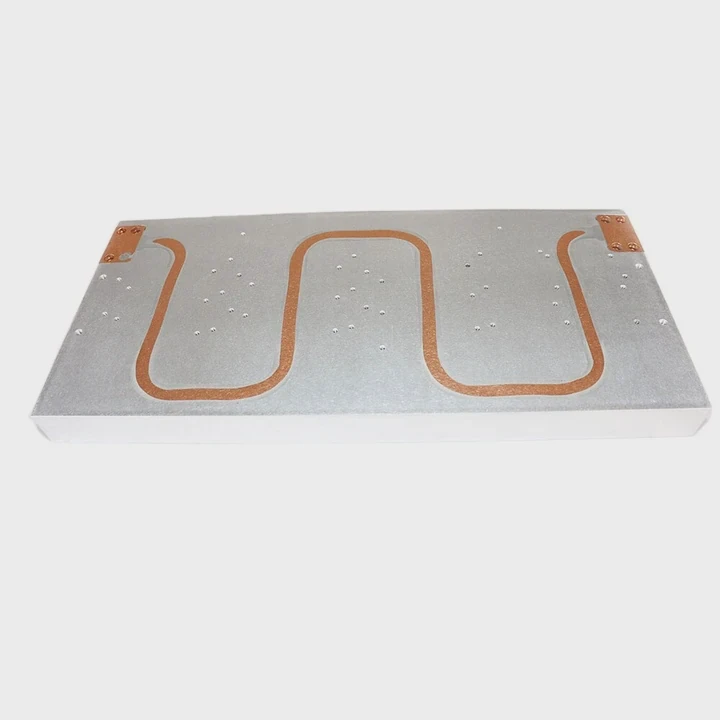
Thermal management is one of the biggest challenges in EV batteries. Poor heat control shortens lifespan and raises safety risks.
Vapor chambers are increasingly used in EV battery cooling systems to improve heat spreading, reduce hot spots, and enable compact, efficient thermal control.
Let’s explore how vapor chambers work in automotive battery systems and why they matter.
Are Vapor Chambers used in EV battery thermal management?
EV batteries generate heat during charging and discharging. If not removed effectively, this leads to thermal imbalance, faster aging, and safety issues.
Yes, vapor chambers are now being adopted in EV battery cooling designs to manage thermal loads more evenly and efficiently.
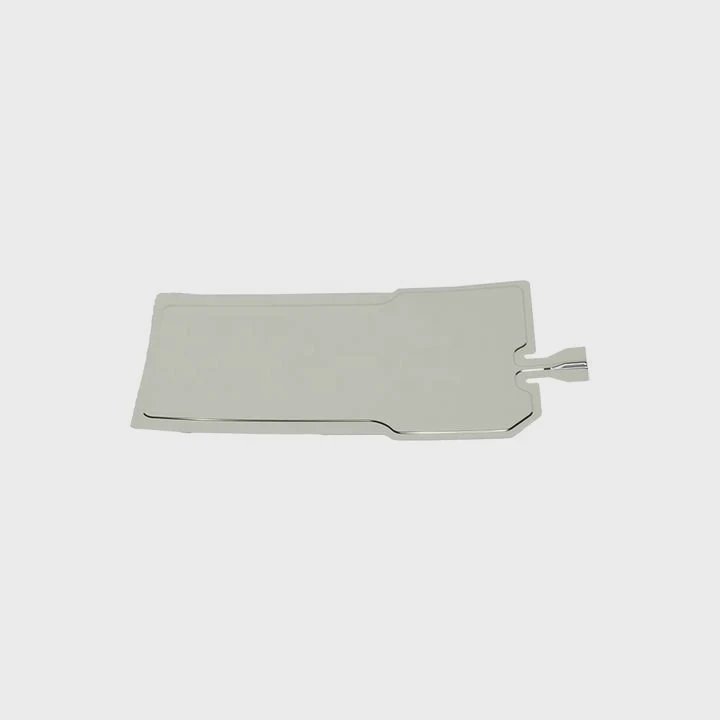
Vapor chambers are used as flat heat spreaders positioned between battery cells or modules. Their internal structure allows heat to move rapidly away from hot zones to cooler edges, maintaining better thermal uniformity. In high-power conditions like fast charging or aggressive driving, this reduces local overheating and improves system reliability.
Their sealed, passive design makes them suitable for EVs, especially when combined with secondary cooling like airflow or liquid channels. Many experimental EV packs now test vapor chambers in parallel with traditional systems.
What advantages do they offer over liquid cooling?
EVs traditionally use liquid cooling systems, which involve pumps, hoses, and thermal plates. But complexity and potential leakage are downsides.
Vapor chambers offer passive, uniform cooling in a slim, maintenance-free format, reducing mechanical complexity.

| Feature | Vapor Chamber | Liquid Cooling |
|---|---|---|
| System Type | Passive, sealed | Active, with pumps and fluid circuits |
| Maintenance | Very low | Requires regular checks and top-ups |
| Thickness | As thin as 2.5 mm | Bulkier due to coolant channels |
| Heat Uniformity | Very high | Depends on coolant flow path |
| Integration | Simple, fewer components | Complex piping and connectors |
| Leak Risk | None | Moderate to high |
Vapor chambers also respond faster to rapid heat pulses and reduce the need for thick insulation. In some cases, they replace or complement liquid loops to simplify thermal architecture.
Can Vapor Chambers fit into compact battery packs?
Compactness is crucial in EV battery design. Space-saving and energy density drive every decision.
Yes, vapor chambers are ultra-thin and conformable, making them ideal for use in tight, layered battery modules.
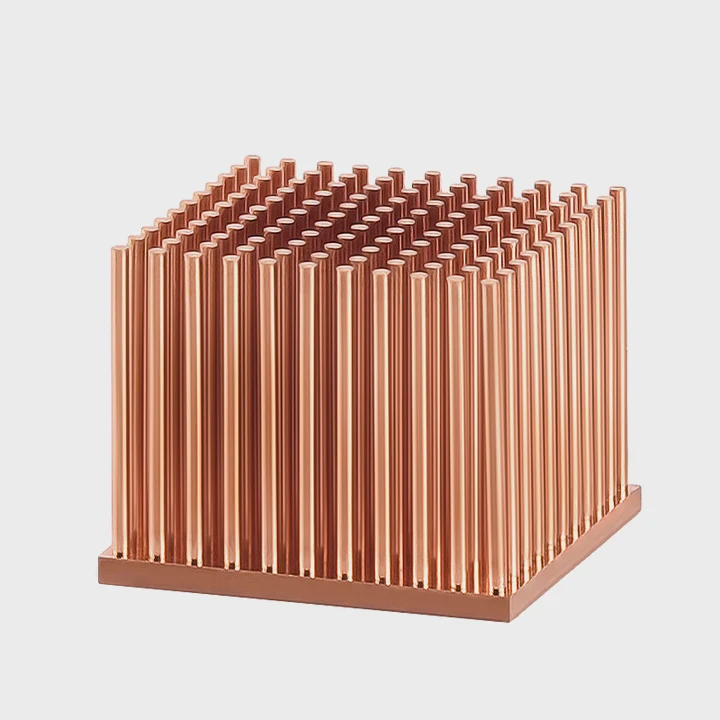
Vapor chambers can be inserted between cells or beneath modules without adding bulk. They spread heat laterally across the battery, minimizing the need for complex routing. Some designs use multi-layer vapor chambers, combining thermal plates and fins.
Benefits in compact designs
- Enables tighter cell spacing
- Reduces system weight
- Avoids need for bulky coolant lines
- Supports high-density module stacking
They also help maintain temperature balance even when airflow or secondary cooling is limited. This is especially useful in underfloor or trunk-mounted battery arrays.
How are Vapor Chambers tested in automotive use?
Reliability is everything in the automotive world. Vapor chambers must endure harsh conditions and meet strict standards.
They undergo thermal, mechanical, and environmental testing to prove durability, efficiency, and safety under real-world conditions.
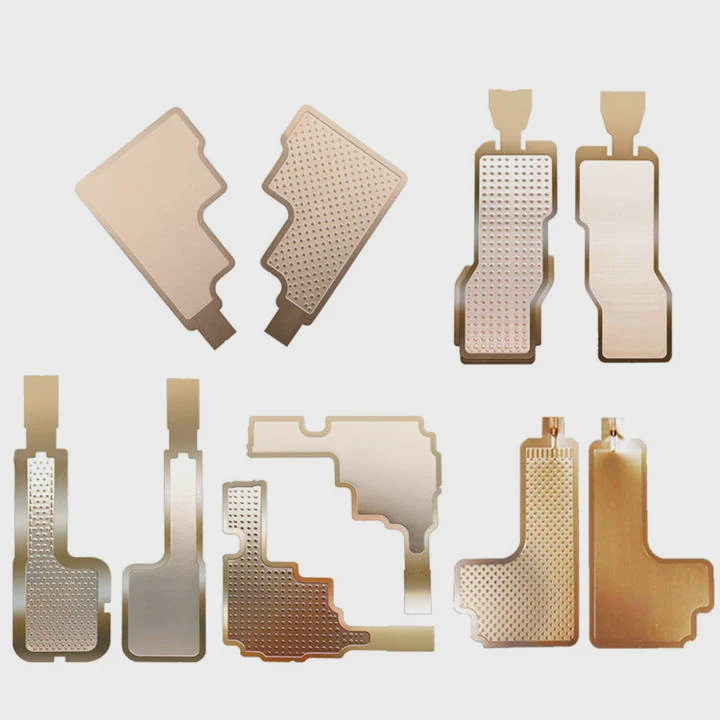
Typical automotive-grade tests
| Test Type | Objective | Conditions |
|---|---|---|
| Thermal cycling | Validate heat performance over time | -40°C to +85°C for 500+ cycles |
| Vibration and shock | Simulate road and crash impacts | Up to 10 g and 1000 Hz frequencies |
| Thermal resistance | Measure cooling ability | <0.04 °C/W typical for battery spreaders |
| Fluid leakage check | Ensure vacuum seal integrity | Helium leak detection below 10^-9 mbar·l/s |
| Start-up performance | Evaluate cold-start heating profile | Time to reach 25°C from -20°C |
Advanced test setups also check vapor chambers under full battery load, including during fast charge/discharge cycles. Engineers monitor maximum cell temperatures, delta-T across modules, and chamber longevity after thousands of hours.
Test data ensures the vapor chamber will not fail in heat, cold, vibration, or under mechanical stress.
Conclusion
Vapor chambers bring next-level performance to EV battery cooling. They improve heat balance, simplify design, and reduce reliance on complex liquid systems. With thin form factors, high thermal uniformity, and proven automotive-grade testing, vapor chambers are becoming a reliable, scalable choice for the future of electric vehicles.
TAGS
Latest Articles

Volume discount levels for heat sink orders?
Buyers often ask when heat sink prices start to drop with volume. Many worry they’re overpaying for small orders. This guide explains how B2B volume pricing works for thermal components. Heat sink
21 Dec,2025
Heat sink long-term supply contract options?
Many buyers want stable pricing and reliable delivery for heat sinks. But without a clear contract, risks grow over time. This article explores how to secure better long-term supply deals. Long-term
21 Dec,2025
Tooling cost for new heat sink profiles?
Many engineers struggle to understand why tooling for custom heat sinks costs so much. They worry about budgeting and production timelines. This article breaks down the cost drivers behind tooling.
21 Dec,2025
Heat sink custom sample process steps?
Sometimes, starting a custom heat sink project feels overwhelming—too many steps, too many unknowns, and too many risks. You want a sample, but not endless delays. The process for requesting and
20 Dec,2025
Standard B2B terms for heat sink payments?
When buyers and sellers in B2B heat sink markets talk about payment, many don’t fully understand what’s standard. This can lead to delayed orders, miscommunication, and even lost business
20 Dec,2025
Heat sink pricing factors for large orders?
Heat sinks are vital for many systems. When prices rise, projects stall and budgets break. This problem can hit teams hard without warning. Large order heat sink pricing depends on many factors. You
20 Dec,2025Related Articles
- Does Vapor Chamber support high frequency chips?
- Vapor Chamber for industrial heat dissipation solutions?
- Vapor Chamber technical drawing requirements?
- Collaborative development for Vapor Chamber projects?
- How to recycle Vapor Chamber materials?
- Vapor Chamber market growth forecast?
- Recommended Vapor Chamber assembly process?
- How to optimize Vapor Chamber thermal performance?
- Vapor Chamber design parameters for heavy machinery?
- Vapor Chamber for high power LED modules?
- Vapor Chamber quality assurance checklist?
- Vapor Chamber heat resistance under overload?
Author
Dr. Emily Chen
Chief AI Researcher
Leading expert in thermal dynamics and AI optimization with over 15 years of experience in data center efficiency research.
Categories
Latest Products






Recommend Categories
- Liquid cooling plate Manufacturer
- Industrial Heat Sink Manufacturer
- Standard Heat Sink Manufacturer
- Aluminum Heat Sink Manufacturer
- Copper Heat Sink Manufacturer
- Anodized Heatsink Manufacturer
- Stamping heat sink Manufacturer
- Die Casting Heatsink Manufacturer
- Soldering heat sink Manufacturer
- CNC Parts Manufacturer
Latest Products
- Wholesale Aluminum Radiator
- Water Cooling Plate Kit
- Water Cooling Heat Sink
- Water Cooling Heat Sink Kit
- Stainless Steel Water Distributor
- Server Water Cooling Plate Kit
- Server Liquid Cooling System
- Server Aluminum Cooling Kit
- S19 Full Cover Cooling Plate
- S19 Cooling Plate Kit
- S19 Aluminum Cooling Plate
Contact Expert
Have questions about this article? Reach out to our experts directly.