Recommended Vapor Chamber assembly process?
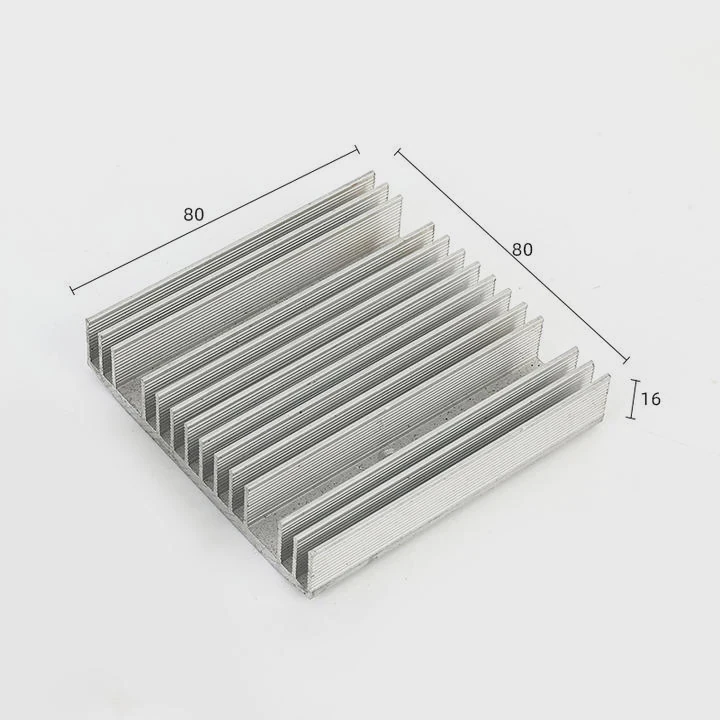
Vapor chambers offer top-level cooling—but only when built precisely. Minor contamination, misalignment, or poor sealing can lead to failure. This makes a reliable assembly process critical.
A recommended vapor chamber assembly process includes material prep, wick placement, enclosure sealing, vacuum charging, and leak testing—usually finished under cleanroom or controlled environments.
Let’s explore each part of the process and the methods that deliver consistent, high-quality vapor chambers.
What are the standard steps for assembling a Vapor Chamber?
Building a vapor chamber is not like assembling regular metal parts. Each step affects internal performance, pressure stability, and long-term reliability.
The standard assembly steps are: material prep, wick sintering or bonding, enclosure welding or brazing, vacuum charging, and final sealing.
Main Assembly Workflow
1. Material Selection and Cutting
- Choose high-conductivity copper or aluminum sheets.
- Machine the base and lid to precise tolerances.
- Clean all metal surfaces to remove oxides or oils.
2. Wick Structure Preparation
- Prepare sintered powder, screen mesh, or grooved surfaces.
- Attach or sinter wick to the base and/or lid.
- Inspect wick porosity and bond strength.
3. Enclosure Pre-Assembly
- Align base and lid.
- Use temporary fixtures or tack welding for positioning.
- Prepare for sealing (brazing or laser welding).
4. Vacuum Charging
- Pull deep vacuum inside the chamber (typically <10^-3 Torr).
- Inject measured working fluid (usually deionized water).
- Adjust for fluid mass based on chamber volume and application.
5. Final Sealing
- Seal fill tube with welding or crimping.
- Cool chamber and inspect pressure balance.
- Store for stability testing.
6. Quality Inspection
- Visual check for deformation or weld defects.
- Leak testing (see next section).
- Optional thermal performance test.
Every step needs precision. Even slight errors in fluid amount or wick bonding can reduce efficiency or cause failure under load.
Is vacuum brazing preferred for high-reliability builds?
There are several ways to seal vapor chamber parts: laser welding, soldering, and brazing. For many high-end or mission-critical products, one method stands out.
Yes — vacuum brazing is often preferred for high-reliability vapor chamber builds because it provides strong, uniform, contaminant-free bonds across large surfaces.
Why Vacuum Brazing?
Clean and Strong Bonding
- Takes place in a vacuum furnace, avoiding oxidation
- Melts filler material without melting base metal
- Creates full-surface joints, not just point welds
Better for Large or Complex Chambers
- Supports multi-channel or multi-layer structures
- Uniform heat distribution reduces warping
High Thermal Conductivity
- Joint layer is thin and uniform
- No flux or residues to block heat transfer
Use Cases
| Application Type | Brazing Benefit |
|---|---|
| Aerospace heat spreaders | Reliability under vibration |
| Data center cold plates | Low resistance, long life |
| EV battery cooling plates | Strong seals against fluid leaks |
Alternatives
- Laser welding: good for small joints, fast, but may leave stress
- TIG welding: slower, more operator-dependent
- Soldering: lower-temp but weaker and less precise
For top-level reliability, especially in harsh environments, vacuum brazing gives the best mix of strength, cleanliness, and performance.
Do cleanroom conditions improve Vapor Chamber yield?
Contaminants inside a vapor chamber can block fluid movement, change boiling points, or clog the wick. This leads to poor thermal performance or chamber failure.
Yes — assembling vapor chambers in cleanroom or near-cleanroom conditions significantly improves product yield and long-term reliability.
What Cleanroom Conditions Offer
Particle-Free Surfaces
- Dust can clog wick pores
- Even hair or fiber can block return paths
Controlled Humidity and Temperature
- Prevents oxidation of copper or aluminum
- Reduces variation during vacuum and fill steps
Static-Free Environment
- Avoids damage to thin metal parts or sensors
- Protects internal coatings or coatings
Standard Practices
| Step | Cleanroom Control Needed |
|---|---|
| Wick preparation | Yes |
| Fluid charging | Yes |
| Final sealing | Recommended |
| Leak testing | Not required but helpful |
Yields and Defect Reduction
Shifting vapor chamber assembly from open shop floor to ISO Class 7 or ISO Class 8 cleanroom can reduce yield loss from 10%+ to under 1%. Especially for medical, aerospace, or defense clients, clean handling is expected.
In-house tests and industry reports show cleanroom-assembled vapor chambers show more consistent performance, fewer dry-outs, and longer lifespan under cycling.
How is leak testing done during assembly?
A leak-free vapor chamber is critical. Even the smallest escape path can cause pressure loss, fluid evaporation, or long-term failure.
Leak testing is done using helium mass spectrometry or pressure drop tests to detect microscopic leaks before shipping.
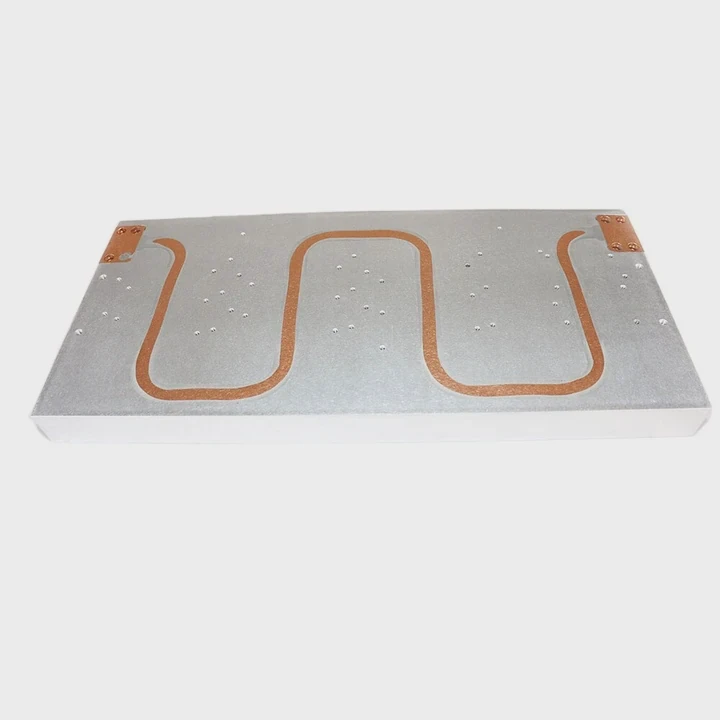
Common Leak Testing Methods
Helium Leak Detection (Mass Spec)
- Fill chamber with helium under pressure
- Scan exterior with a mass spectrometer “sniffer”
- Detects leaks as small as 1×10⁻⁹ atm·cc/sec
Pressure Drop Test
- Pressurize chamber (or vacuum-seal and monitor)
- Measure pressure change over hours
- Simple but slower and less sensitive
Bubble Testing
- Submerge pressurized chamber in water
- Watch for air bubbles
- Crude but useful for quick shop-floor checks
Leak Rate Acceptance
| Use Case | Max Acceptable Leak Rate |
|---|---|
| Consumer electronics | ×10⁻⁵ atm·cc/sec |
| Automotive/Aerospace | ×10⁻⁷ atm·cc/sec |
| Medical/Defense systems | ×10⁻⁹ atm·cc/sec |
Best Practices
- Test after final sealing, before packing
- Use calibrated machines
- Record results for traceability (especially for certified builds)
Leak testing is often the last step before shipment. A failed test means rework, so designing joints and fill tubes for easy inspection is a smart move.
Conclusion
A reliable vapor chamber starts with a strong assembly process. Each step—from material cutting to wick bonding, vacuum charging to leak testing—must be precise. Vacuum brazing offers top bonding strength. Cleanroom conditions protect against hidden defects. And leak testing ensures sealed, stable products ready for global shipment. Following a well-defined process improves performance, lowers returns, and supports long-term reliability.
TAGS
Latest Articles

Volume discount levels for heat sink orders?
Buyers often ask when heat sink prices start to drop with volume. Many worry they’re overpaying for small orders. This guide explains how B2B volume pricing works for thermal components. Heat sink
21 Dec,2025
Heat sink long-term supply contract options?
Many buyers want stable pricing and reliable delivery for heat sinks. But without a clear contract, risks grow over time. This article explores how to secure better long-term supply deals. Long-term
21 Dec,2025
Tooling cost for new heat sink profiles?
Many engineers struggle to understand why tooling for custom heat sinks costs so much. They worry about budgeting and production timelines. This article breaks down the cost drivers behind tooling.
21 Dec,2025
Heat sink custom sample process steps?
Sometimes, starting a custom heat sink project feels overwhelming—too many steps, too many unknowns, and too many risks. You want a sample, but not endless delays. The process for requesting and
20 Dec,2025
Standard B2B terms for heat sink payments?
When buyers and sellers in B2B heat sink markets talk about payment, many don’t fully understand what’s standard. This can lead to delayed orders, miscommunication, and even lost business
20 Dec,2025
Heat sink pricing factors for large orders?
Heat sinks are vital for many systems. When prices rise, projects stall and budgets break. This problem can hit teams hard without warning. Large order heat sink pricing depends on many factors. You
20 Dec,2025Related Articles
- Vapor Chamber application in automotive battery cooling?
- Does Vapor Chamber support high frequency chips?
- Vapor Chamber for industrial heat dissipation solutions?
- Vapor Chamber technical drawing requirements?
- Collaborative development for Vapor Chamber projects?
- How to recycle Vapor Chamber materials?
- How to optimize Vapor Chamber thermal performance?
- Vapor Chamber design parameters for heavy machinery?
- Vapor Chamber for high power LED modules?
- Vapor Chamber quality assurance checklist?
- Vapor Chamber heat resistance under overload?
- Vapor Chamber usage in telecom base stations?
Author
Dr. Emily Chen
Chief AI Researcher
Leading expert in thermal dynamics and AI optimization with over 15 years of experience in data center efficiency research.
Categories
Latest Products






Recommend Categories
- Liquid cooling plate Manufacturer
- Industrial Heat Sink Manufacturer
- Standard Heat Sink Manufacturer
- Aluminum Heat Sink Manufacturer
- Copper Heat Sink Manufacturer
- Anodized Heatsink Manufacturer
- Stamping heat sink Manufacturer
- Die Casting Heatsink Manufacturer
- Soldering heat sink Manufacturer
- CNC Parts Manufacturer
Latest Products
- Wholesale Aluminum Radiator
- Water Cooling Plate Kit
- Water Cooling Heat Sink
- Water Cooling Heat Sink Kit
- Stainless Steel Water Distributor
- Server Water Cooling Plate Kit
- Server Liquid Cooling System
- Server Aluminum Cooling Kit
- S19 Full Cover Cooling Plate
- S19 Cooling Plate Kit
- S19 Aluminum Cooling Plate
Contact Expert
Have questions about this article? Reach out to our experts directly.