Vapor Chamber for industrial heat dissipation solutions?
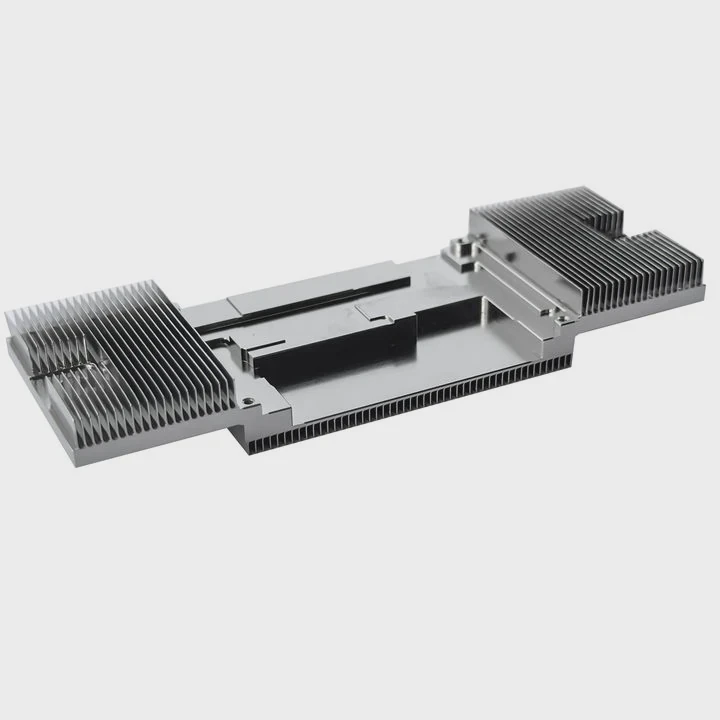
Industrial systems run hotter and longer—traditional cooling can’t keep up.
Yes, vapor chambers play a key role in industrial heat dissipation, offering efficient, passive thermal control in harsh and high-load environments.
Let’s look at how these devices are improving reliability and performance across industries.
What role do Vapor Chambers play in industrial cooling?
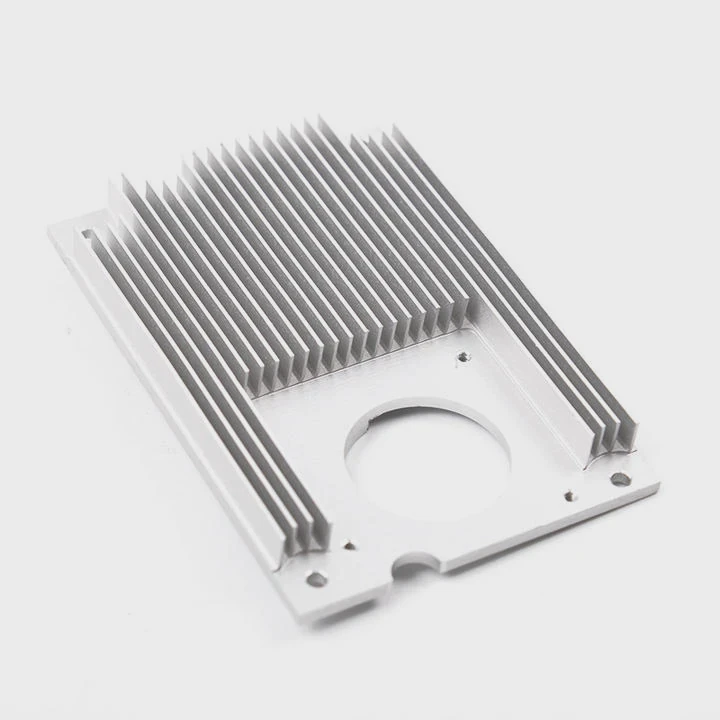
Vapor chambers are increasingly used in industrial thermal management to replace or supplement heat pipes, fans, and metal sinks. They offer high thermal conductivity in a compact form and can handle localized hotspots.
Yes, vapor chambers serve as passive heat spreaders in industrial equipment, reducing thermal stress and improving long-term reliability.
Why Vapor Chambers Fit Industrial Needs
| Feature | Industrial Benefit |
|---|---|
| High thermal uniformity | Protects sensitive modules from overheating |
| Fanless operation potential | Ideal in dusty or vibration-prone environments |
| Large area spreading | Works well with wide power modules |
| Shock and vibration resistance | Withstands factory or mobile machine use |
| Sealed, passive structure | No moving parts, zero maintenance |
Vapor chambers distribute heat evenly across surfaces, lowering peak temperatures and enabling tighter integration in space-constrained systems.
They’re especially useful when combined with heatsinks, baseplates, or liquid-cooling plates in systems that must run 24⁄7.
Which machinery uses Vapor Chambers for heat control?
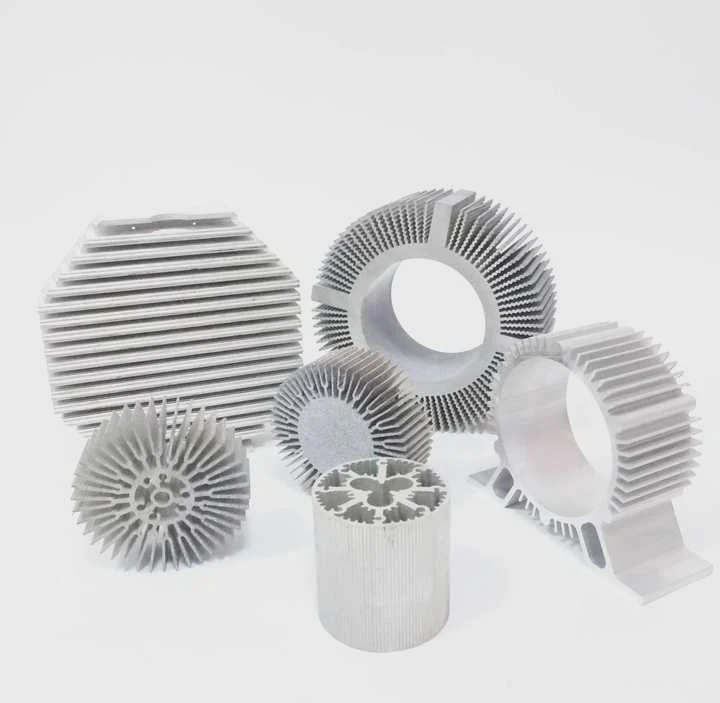
Many types of industrial machinery now use vapor chambers to improve cooling efficiency and system uptime. These include control systems, power electronics, and precision equipment.
Yes, vapor chambers are used in power conversion, robotics, laser processing, and automation equipment for localized heat management.
Common Industrial Applications
| Equipment Type | Vapor Chamber Use Case |
|---|---|
| Power inverters | Spread heat from IGBTs and MOSFETs |
| CNC machines | Stabilize temperature near control boards |
| Laser cutters/engravers | Cool laser diode mounts or mirrors |
| Servo drives and motor controllers | Manage controller heat in compact housing |
| Factory robots | Cool motion control boards and sensors |
| Telecom base stations | Dissipate SoC and RF module heat passively |
| High-voltage rectifiers | Reduce hotspots in heat sink base |
Many systems embed vapor chambers directly under heat sinks or combine them with aluminum structures for multi-layer heat dissipation.
This is especially useful where maintenance is difficult, airflow is limited, or temperature stability is critical to function.
Are Vapor Chambers more efficient than air cooling?
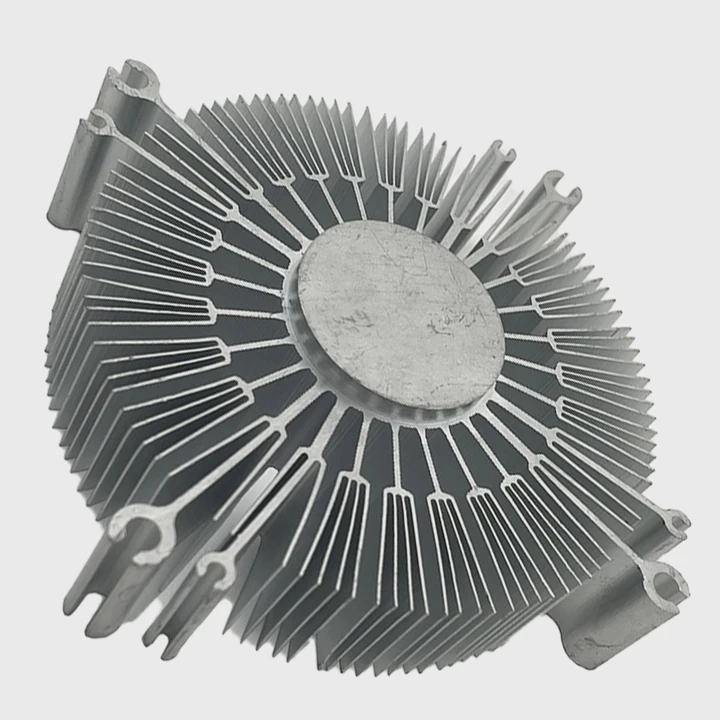
Yes, vapor chambers outperform basic air cooling by spreading heat more evenly and enabling better contact with downstream cooling systems. They’re not a full replacement for fans but dramatically improve thermal performance.
Yes, vapor chambers are more efficient than traditional air cooling alone, especially for controlling heat concentration and improving heatsink effectiveness.
Vapor Chamber vs Air Cooling Comparison
| Parameter | Vapor Chamber | Air Cooling Only |
|---|---|---|
| Heat spreading | Excellent | Poor (localized only) |
| Noise level | Silent (passive) | Requires fans (audible) |
| Maintenance need | None | Fans require cleaning/repair |
| Orientation flexibility | Works in any direction | Depends on airflow path |
| Space usage | Low-profile | Fans need more space |
By placing a vapor chamber between a heat source and a heatsink, the entire fins area receives even heat, maximizing air cooling potential—even with slower or fewer fans.
This results in:
- Lower max operating temperatures
- Extended component lifespan
- Smaller or quieter cooling assemblies
In passive systems or fanless panels, vapor chambers can be the primary thermal spreading layer before external aluminum fins.
Can Vapor Chambers reduce fan usage in factories?
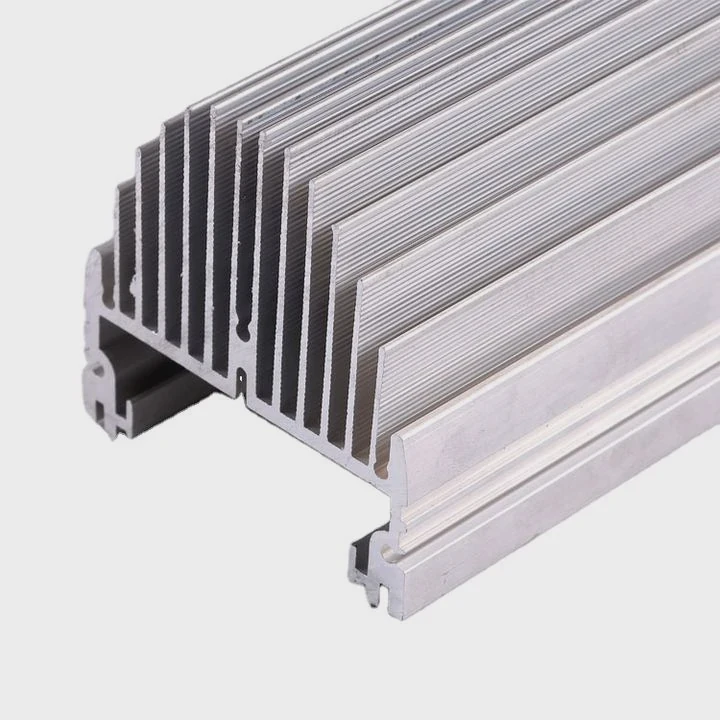
Yes, vapor chambers can reduce or eliminate the need for fans in many industrial applications. This is especially valuable in environments with dust, vibration, or strict noise control requirements.
Yes, vapor chambers help reduce fan count, lower fan speed, or enable fully passive cooling in industrial systems, leading to lower maintenance and better reliability.
How Vapor Chambers Reduce Fan Dependency
| Approach | Benefit |
|---|---|
| Replacing direct-to-fan setups | Removes point heat sources |
| Using fanless convection plates | Allows vertical cooling via chimney effect |
| Lowering fan RPM | Reduces noise and power draw |
| Redundancy for critical systems | Vapor chamber works if fan fails |
Applications Going Fanless
- Industrial controllers mounted in IP-rated enclosures
- Edge computing devices in harsh environments
- Automation cabinets with limited airflow
- Field-deployed telecom and power systems
Even when fans are still used, vapor chambers allow smaller, slower fans to achieve the same or better cooling than older high-RPM designs.
This saves on energy, cuts acoustic noise, and minimizes dust buildup—key goals in manufacturing plants and precision environments.
Conclusion
Vapor chambers are transforming industrial thermal management by enabling compact, silent, and low-maintenance cooling solutions. From power modules to robotics, they outperform traditional air cooling and reduce the need for bulky fans. With better heat spreading and thermal stability, vapor chambers extend system life and increase uptime in mission-critical environments.
TAGS
Latest Articles

Volume discount levels for heat sink orders?
Buyers often ask when heat sink prices start to drop with volume. Many worry they’re overpaying for small orders. This guide explains how B2B volume pricing works for thermal components. Heat sink
21 Dec,2025
Heat sink long-term supply contract options?
Many buyers want stable pricing and reliable delivery for heat sinks. But without a clear contract, risks grow over time. This article explores how to secure better long-term supply deals. Long-term
21 Dec,2025
Tooling cost for new heat sink profiles?
Many engineers struggle to understand why tooling for custom heat sinks costs so much. They worry about budgeting and production timelines. This article breaks down the cost drivers behind tooling.
21 Dec,2025
Heat sink custom sample process steps?
Sometimes, starting a custom heat sink project feels overwhelming—too many steps, too many unknowns, and too many risks. You want a sample, but not endless delays. The process for requesting and
20 Dec,2025
Standard B2B terms for heat sink payments?
When buyers and sellers in B2B heat sink markets talk about payment, many don’t fully understand what’s standard. This can lead to delayed orders, miscommunication, and even lost business
20 Dec,2025
Heat sink pricing factors for large orders?
Heat sinks are vital for many systems. When prices rise, projects stall and budgets break. This problem can hit teams hard without warning. Large order heat sink pricing depends on many factors. You
20 Dec,2025Related Articles
- Vapor Chamber technical drawing requirements?
- Collaborative development for Vapor Chamber projects?
- How to recycle Vapor Chamber materials?
- Vapor Chamber market growth forecast?
- Vapor Chamber export compliance checklist?
- Vapor Chamber for consumer electronics?
- Does Vapor Chamber support high frequency chips?
- Vapor Chamber application in automotive battery cooling?
- Recommended Vapor Chamber assembly process?
- How to optimize Vapor Chamber thermal performance?
- Vapor Chamber design parameters for heavy machinery?
- Vapor Chamber for high power LED modules?
Author
Dr. Emily Chen
Chief AI Researcher
Leading expert in thermal dynamics and AI optimization with over 15 years of experience in data center efficiency research.
Categories
Latest Products






Recommend Categories
- Liquid cooling plate Manufacturer
- Industrial Heat Sink Manufacturer
- Standard Heat Sink Manufacturer
- Aluminum Heat Sink Manufacturer
- Copper Heat Sink Manufacturer
- Anodized Heatsink Manufacturer
- Stamping heat sink Manufacturer
- Die Casting Heatsink Manufacturer
- Soldering heat sink Manufacturer
- CNC Parts Manufacturer
Latest Products
- Wholesale Aluminum Radiator
- Water Cooling Plate Kit
- Water Cooling Heat Sink
- Water Cooling Heat Sink Kit
- Stainless Steel Water Distributor
- Server Water Cooling Plate Kit
- Server Liquid Cooling System
- Server Aluminum Cooling Kit
- S19 Full Cover Cooling Plate
- S19 Cooling Plate Kit
- S19 Aluminum Cooling Plate
Contact Expert
Have questions about this article? Reach out to our experts directly.