Vapor Chamber usage in telecom base stations?
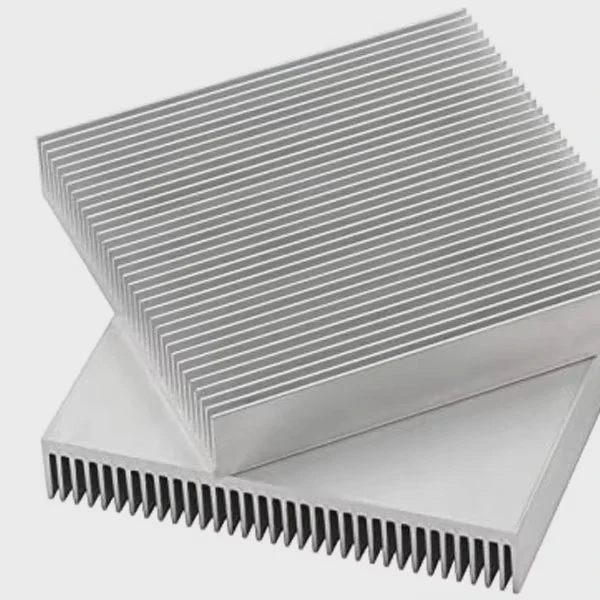
Telecom equipment generates intense heat in small enclosures, which raises failures and downtime risks.
Vapor chambers are used in telecom base stations to spread heat effectively, support high-density modules, improve signal stability and enable durable outdoor operations.
Let’s explore how they are used, where they benefit, how they affect signal quality, and whether they are suited for outdoor base-station environments.
How are Vapor Chambers used in telecom systems?
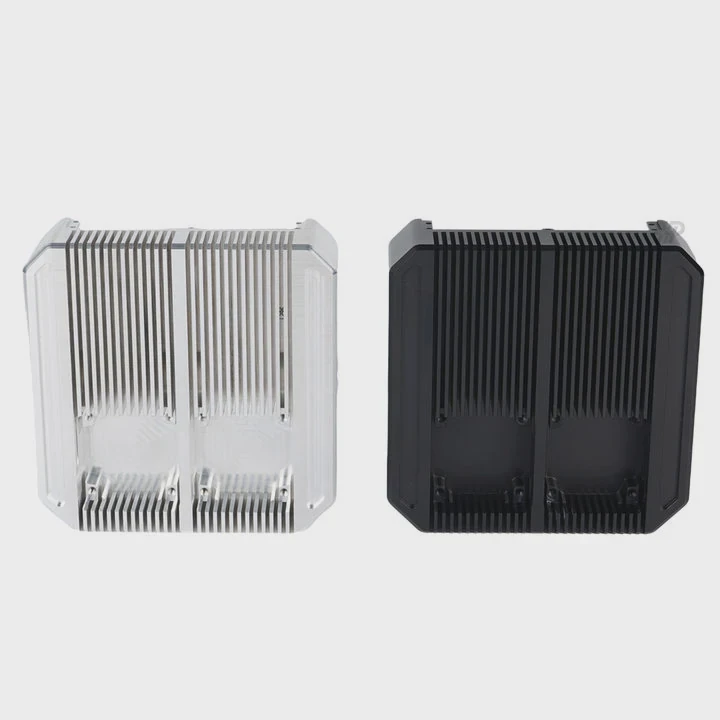
Telecom systems such as base-station cabinets, active antenna units, power amplifiers, and backhaul modules operate continuously and often in environments with poor ventilation or extreme temperatures.
Vapor chambers are used to spread localized heat from critical components, helping manage thermal loads and maintain system stability.
They work by using phase change and capillary action within a sealed metal plate to move heat quickly away from hot zones. In telecom equipment, vapor chambers are often placed directly beneath heat-generating components like RF modules or DC-DC converters. Heat is spread evenly across the chamber, then released via a heatsink or enclosure wall.
Their passive nature—no moving parts—makes them especially suitable for high-reliability telecom infrastructure. They can also be used in combination with fin stacks or other passive cooling elements to improve performance in both indoor and outdoor units.
Which telecom components benefit from Vapor Chambers?
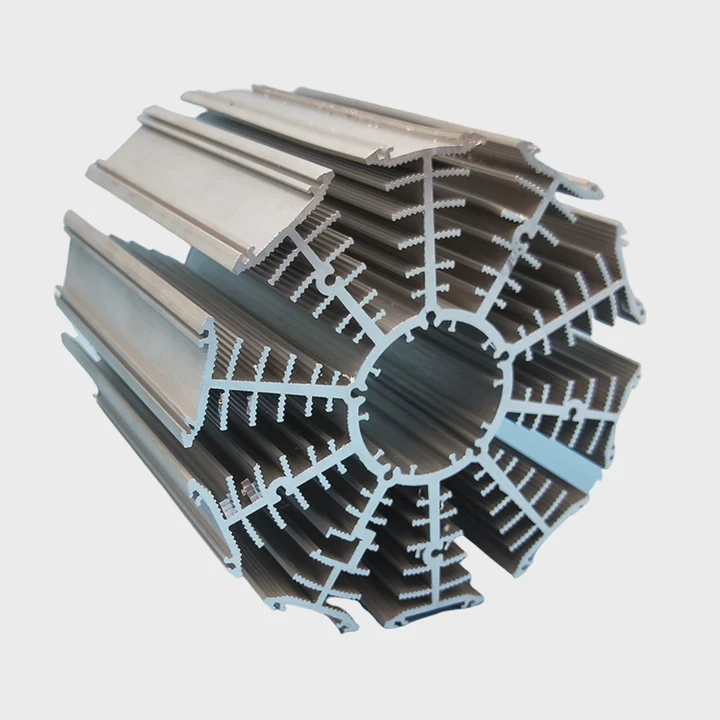
Telecom hardware includes several modules that generate concentrated heat loads in compact areas.
Power amplifiers, antenna units, baseband processors, and power modules gain the most from vapor chamber integration.
| Component Type | Thermal Challenge | Vapor Chamber Benefit |
|---|---|---|
| Power Amplifier (PA) | High localized heat under full transmit | Heat spreading prevents hotspots |
| Active Antenna Unit | Dense electronics in sealed outdoor cases | Enables compact passive cooling |
| Baseband Processor | Continuous digital load with airflow limits | Reduces thermal throttling |
| Power Converter | Heat from high-efficiency switching | Spreads heat into chassis or fins |
| Remote Radio Head | Temperature swing in outdoor conditions | Improves reliability and lifespan |
By improving thermal performance in these areas, vapor chambers help ensure signal integrity and consistent power output.
Can Vapor Chambers improve signal stability via cooling?
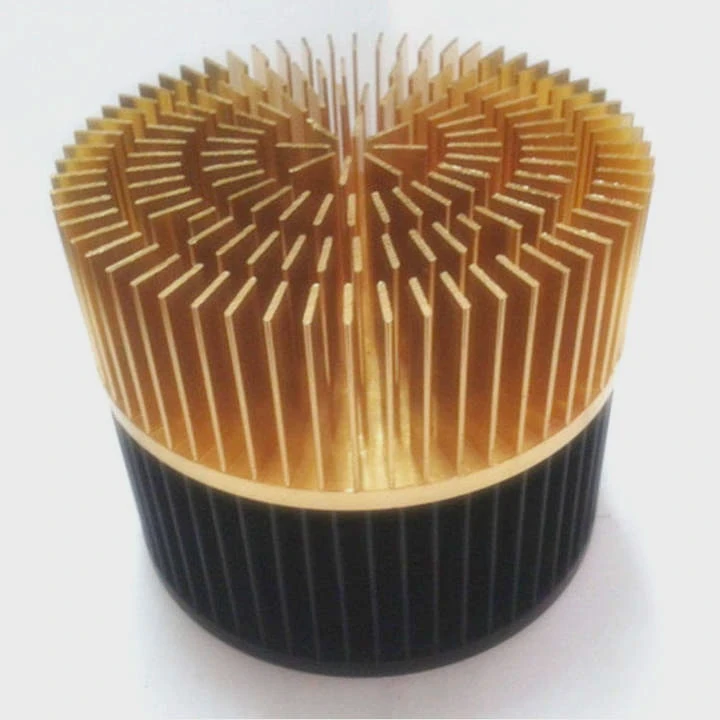
Temperature affects the electrical characteristics of many telecom components, especially RF circuitry and digital signal paths.
Yes, vapor chambers help reduce thermal variation, which leads to more stable signal quality, better gain control, and fewer thermal-induced errors.
Thermal gradients across RF modules can result in mismatched channels or frequency drift. Vapor chambers reduce these gradients by distributing heat laterally across the board or enclosure. This ensures components stay within their optimal operating range.
Lower temperatures also reduce thermal noise, improve amplifier efficiency, and reduce the risk of thermal shutdowns. In MIMO systems, uniform thermal control helps maintain channel balance and phase accuracy.
While the vapor chamber itself doesn’t process signals, its ability to prevent temperature swings indirectly supports better signal performance and fewer dropped connections.
Are outdoor base stations using sealed Vapor Chambers?
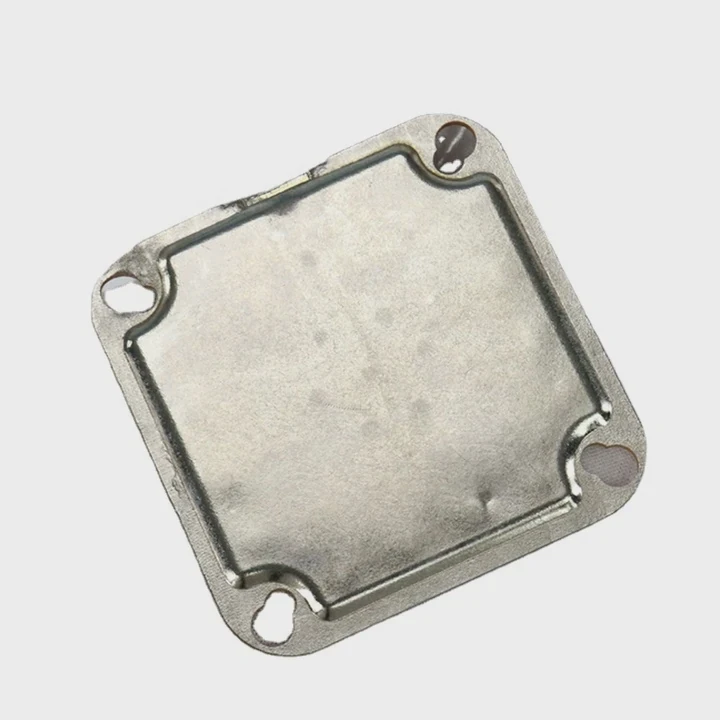
Outdoor telecom equipment faces challenges such as sunlight exposure, wide temperature ranges, rain, and limited access for maintenance.
Yes, sealed vapor chambers are increasingly used in outdoor base station systems due to their passive design and long-term reliability.
Because vapor chambers are hermetically sealed and have no moving parts, they are well-suited for harsh environments. Their ability to operate in any orientation makes them practical for vertical or rooftop installations.
In many outdoor base stations, vapor chambers are embedded inside RF enclosures or behind antenna modules. They are shielded from the environment but play a key role in transferring heat from internal components to external heat exchangers or chassis walls.
Design considerations include:
- Corrosion-resistant materials (copper, aluminum with coatings)
- Integration with rain-sealed housings or thermal spreaders
- Stable performance from -40°C to +85°C
- No maintenance required for 10+ years
As telecom networks move toward 5G and beyond, the need for passive, space-efficient, and reliable thermal solutions makes vapor chambers a smart fit for outdoor deployments.
Conclusion
Vapor chambers are a compelling thermal management solution for telecom base stations. They help key components like power amplifiers and signal processors stay cool, improve system reliability, and support long-term signal stability. Their sealed, maintenance-free design makes them ideal for both indoor racks and rugged outdoor cabinets. As telecom infrastructure continues to densify and demand grows, vapor chambers are becoming an essential tool in modern network thermal design.
TAGS
Latest Articles

Volume discount levels for heat sink orders?
Buyers often ask when heat sink prices start to drop with volume. Many worry they’re overpaying for small orders. This guide explains how B2B volume pricing works for thermal components. Heat sink
21 Dec,2025
Heat sink long-term supply contract options?
Many buyers want stable pricing and reliable delivery for heat sinks. But without a clear contract, risks grow over time. This article explores how to secure better long-term supply deals. Long-term
21 Dec,2025
Tooling cost for new heat sink profiles?
Many engineers struggle to understand why tooling for custom heat sinks costs so much. They worry about budgeting and production timelines. This article breaks down the cost drivers behind tooling.
21 Dec,2025
Heat sink custom sample process steps?
Sometimes, starting a custom heat sink project feels overwhelming—too many steps, too many unknowns, and too many risks. You want a sample, but not endless delays. The process for requesting and
20 Dec,2025
Standard B2B terms for heat sink payments?
When buyers and sellers in B2B heat sink markets talk about payment, many don’t fully understand what’s standard. This can lead to delayed orders, miscommunication, and even lost business
20 Dec,2025
Heat sink pricing factors for large orders?
Heat sinks are vital for many systems. When prices rise, projects stall and budgets break. This problem can hit teams hard without warning. Large order heat sink pricing depends on many factors. You
20 Dec,2025Related Articles
- Vapor Chamber heat resistance under overload?
- Vapor Chamber quality assurance checklist?
- Vapor Chamber for high power LED modules?
- Vapor Chamber design parameters for heavy machinery?
- How to optimize Vapor Chamber thermal performance?
- Recommended Vapor Chamber assembly process?
- Can Vapor Chamber replace heat pipes?
- Typical cycle testing for Vapor Chamber durability?
- Can Vapor Chamber work in subzero temperatures?
- Vapor Chamber impact resistance specifications?
- Does Vapor Chamber support rapid prototyping?
- Standard Vapor Chamber copper purity requirements?
Author
Dr. Emily Chen
Chief AI Researcher
Leading expert in thermal dynamics and AI optimization with over 15 years of experience in data center efficiency research.
Categories
Latest Products






Recommend Categories
- Liquid cooling plate Manufacturer
- Industrial Heat Sink Manufacturer
- Standard Heat Sink Manufacturer
- Aluminum Heat Sink Manufacturer
- Copper Heat Sink Manufacturer
- Anodized Heatsink Manufacturer
- Stamping heat sink Manufacturer
- Die Casting Heatsink Manufacturer
- Soldering heat sink Manufacturer
- CNC Parts Manufacturer
Latest Products
- Wholesale Aluminum Radiator
- Water Cooling Plate Kit
- Water Cooling Heat Sink
- Water Cooling Heat Sink Kit
- Stainless Steel Water Distributor
- Server Water Cooling Plate Kit
- Server Liquid Cooling System
- Server Aluminum Cooling Kit
- S19 Full Cover Cooling Plate
- S19 Cooling Plate Kit
- S19 Aluminum Cooling Plate
Contact Expert
Have questions about this article? Reach out to our experts directly.