Vapor Chamber heat resistance under overload?
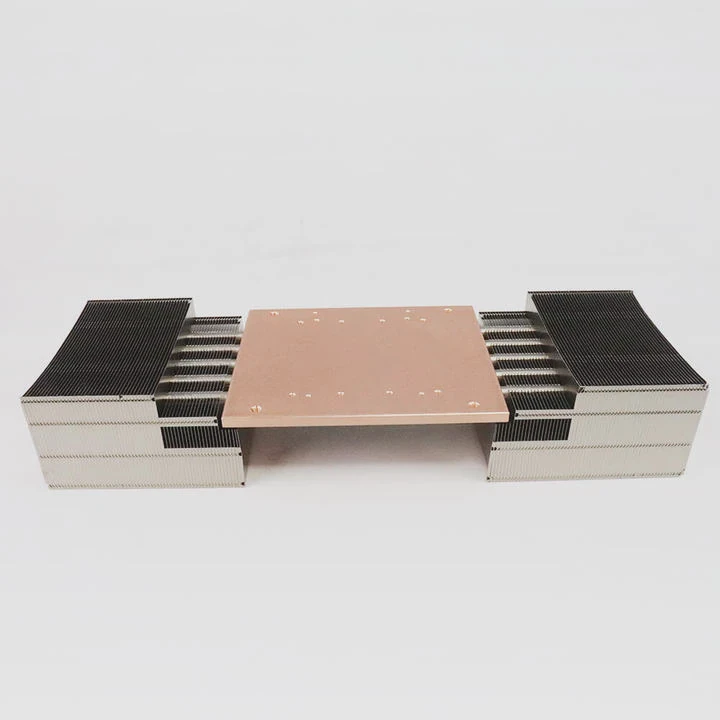
In high‑power applications, you might face sudden peaks in heat load that exceed design intent—and that’s when a thermal module like a vapor chamber can get stressed.
Yes, vapor chambers can tolerate some overload, but beyond certain limits their thermal resistance rises sharply, and repeated overloads can degrade performance and lifespan.
Let’s explore how much overload is tolerable, what happens when capacity is exceeded, how to test for overload, and whether repeated heavy use shortens the life of a vapor chamber.
How much overload can a Vapor Chamber tolerate?
Vapor chambers are designed to handle specific heat flux levels based on wick structure, fluid, and enclosure dimensions.
Most commercial vapor chambers safely handle up to 50–150 W/cm² in steady operation, and some advanced designs manage over 500 W/cm² during short-term overloads.
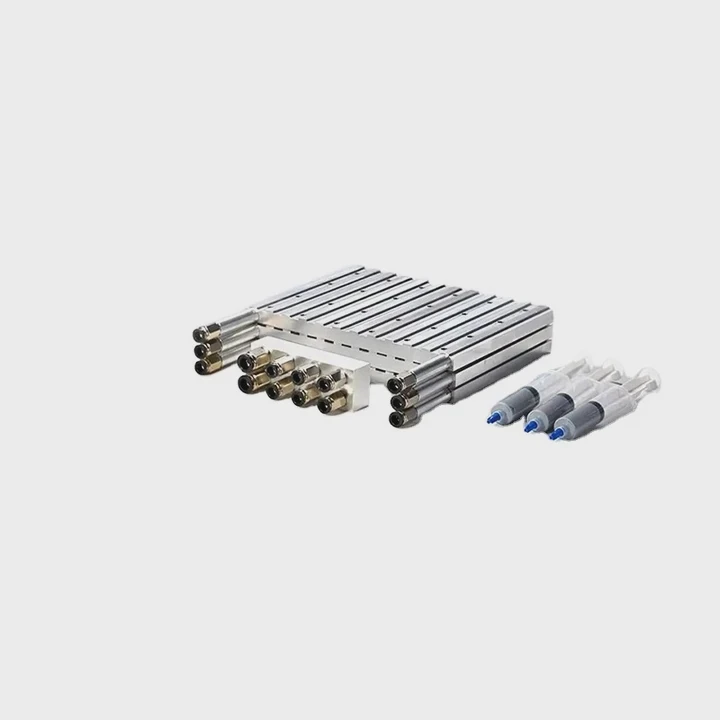
Several studies show dry-out or capillary limits occur once the heat input exceeds the wick’s ability to return liquid to the evaporator. One research noted critical limits near 550 W/cm². A larger footprint and better wick increase the tolerance.
| Design Parameter | Influence on Overload Tolerance |
|---|---|
| Wick thickness & porosity | Controls fluid return speed |
| Working fluid type | Affects boiling point and pressure |
| Chamber height | Larger space improves vapor movement |
| Heat source size | Smaller die = higher local heat flux |
To ensure tolerance, vapor chamber area should be 5–10× larger than the heat source. Your modules should publish safe overload specs—for example: “Rated 100 W/cm², overload 200 W/cm² for ≤30 sec.”
What happens if heat exceeds Vapor Chamber capacity?
When heat exceeds design limits, a cascade of issues follows.
If overload continues, thermal resistance rises, dry-out occurs, and chamber deformation or failure becomes likely.
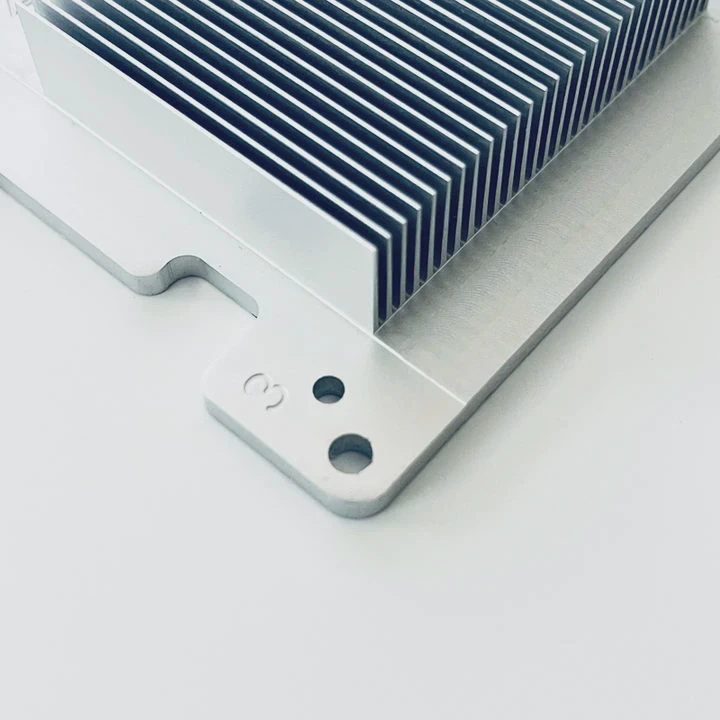
Observable effects
- Temperature spike at the source
- Wick dry-out leading to poor liquid return
- Boiling instability, causing vapor blockage
- Material deformation if internal pressure builds
- Loss of thermal uniformity, creating hot spots
One experiment showed vapor chambers holding stable up to 450 W/cm², then sharply rising in temperature after crossing 500 W/cm².
System consequences
Overheated vapor chambers may fail, but even before failure, the system (chip, module) may throttle, glitch, or shut down. In critical applications like EV or aerospace, this risk must be managed through conservative design and early alerts.
Are there tests for overload heat resistance?
Testing overload resilience is critical for product qualification.
Yes — standard lab tests can determine a vapor chamber’s overload capacity, thermal resistance curve, dry-out point, and long-term durability.
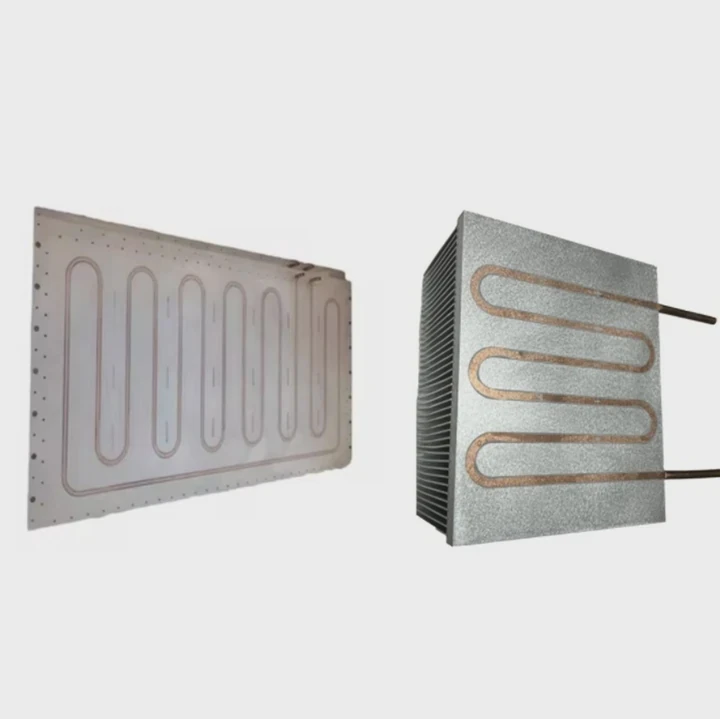
Common tests
- Steady-state power ramp to determine thermal resistance vs power
- Transient pulse input (on/off cycles) to simulate bursts
- Thermal cycling between ambient and peak temperature
- Mechanical endurance under pressure and vibration
- Visual inspection for deformation or leaks post-test
| Test Type | Purpose | Example Value |
|---|---|---|
| Heat ramp test | Find dry-out limit | ~500 W/cm² max flux |
| Pulse endurance | Test transient behavior | ≤2 s @ 2× rated power |
| Aging cycle test | Simulate long-term stress | 1000 cycles @ 90–110 °C |
| Pressure resistance | Check for bulging or rupture | ~0.3 MPa internal pressure |
Providing these test results in your datasheets improves trust and transparency for demanding OEM clients.
Does repeated overload shorten Vapor Chamber life?
Short-term overloads may be harmless, but repeated thermal abuse degrades the chamber over time.
Yes — repeated overloads accelerate wick damage, increase resistance, and reduce vapor chamber lifespan.
Long-term damage mechanisms
- Wick pore collapse from thermal cycling
- Internal oxidation of working fluid or wick
- Seal fatigue and microleaks
- Loss of capillary force leading to permanent dry zones
- Structural warping affecting flatness and contact quality
Field data and lab studies show a 15–30% rise in thermal resistance after 500–1000 overload cycles in poorly designed chambers.
Reliability strategies
You can enhance lifespan by:
- Using sintered or copper-fiber wicks with high capillary strength
- Reinforcing outer shell to prevent pressure bulge
- Preconditioning vapor chambers via thermal cycling
- Avoiding use beyond 80–90% of rated thermal capacity
If your client operates in mission-critical environments, provide a lifetime curve: “Rated 10,000 cycles @ 100 W/cm²; performance degradation <10%.”
Conclusion
Vapor chambers are powerful tools for thermal spreading, but they do have limits. Under overload, performance drops and structural risks rise. Testing and smart design can mitigate failure risk, but repeated overload will shorten life. As a manufacturer, your job is to define, test, and communicate those limits clearly, ensuring your modules serve reliably under even the most demanding applications.
TAGS
Latest Articles

Volume discount levels for heat sink orders?
Buyers often ask when heat sink prices start to drop with volume. Many worry they’re overpaying for small orders. This guide explains how B2B volume pricing works for thermal components. Heat sink
21 Dec,2025
Heat sink long-term supply contract options?
Many buyers want stable pricing and reliable delivery for heat sinks. But without a clear contract, risks grow over time. This article explores how to secure better long-term supply deals. Long-term
21 Dec,2025
Tooling cost for new heat sink profiles?
Many engineers struggle to understand why tooling for custom heat sinks costs so much. They worry about budgeting and production timelines. This article breaks down the cost drivers behind tooling.
21 Dec,2025
Heat sink custom sample process steps?
Sometimes, starting a custom heat sink project feels overwhelming—too many steps, too many unknowns, and too many risks. You want a sample, but not endless delays. The process for requesting and
20 Dec,2025
Standard B2B terms for heat sink payments?
When buyers and sellers in B2B heat sink markets talk about payment, many don’t fully understand what’s standard. This can lead to delayed orders, miscommunication, and even lost business
20 Dec,2025
Heat sink pricing factors for large orders?
Heat sinks are vital for many systems. When prices rise, projects stall and budgets break. This problem can hit teams hard without warning. Large order heat sink pricing depends on many factors. You
20 Dec,2025Related Articles
- Vapor Chamber quality assurance checklist?
- Vapor Chamber for high power LED modules?
- Vapor Chamber design parameters for heavy machinery?
- How to optimize Vapor Chamber thermal performance?
- Recommended Vapor Chamber assembly process?
- Vapor Chamber application in automotive battery cooling?
- Vapor Chamber usage in telecom base stations?
- Can Vapor Chamber replace heat pipes?
- Typical cycle testing for Vapor Chamber durability?
- Can Vapor Chamber work in subzero temperatures?
- Vapor Chamber impact resistance specifications?
- Does Vapor Chamber support rapid prototyping?
Author
Dr. Emily Chen
Chief AI Researcher
Leading expert in thermal dynamics and AI optimization with over 15 years of experience in data center efficiency research.
Categories
Latest Products






Recommend Categories
- Liquid cooling plate Manufacturer
- Industrial Heat Sink Manufacturer
- Standard Heat Sink Manufacturer
- Aluminum Heat Sink Manufacturer
- Copper Heat Sink Manufacturer
- Anodized Heatsink Manufacturer
- Stamping heat sink Manufacturer
- Die Casting Heatsink Manufacturer
- Soldering heat sink Manufacturer
- CNC Parts Manufacturer
Latest Products
- Wholesale Aluminum Radiator
- Water Cooling Plate Kit
- Water Cooling Heat Sink
- Water Cooling Heat Sink Kit
- Stainless Steel Water Distributor
- Server Water Cooling Plate Kit
- Server Liquid Cooling System
- Server Aluminum Cooling Kit
- S19 Full Cover Cooling Plate
- S19 Cooling Plate Kit
- S19 Aluminum Cooling Plate
Contact Expert
Have questions about this article? Reach out to our experts directly.