Can Vapor Chamber replace heat pipes?
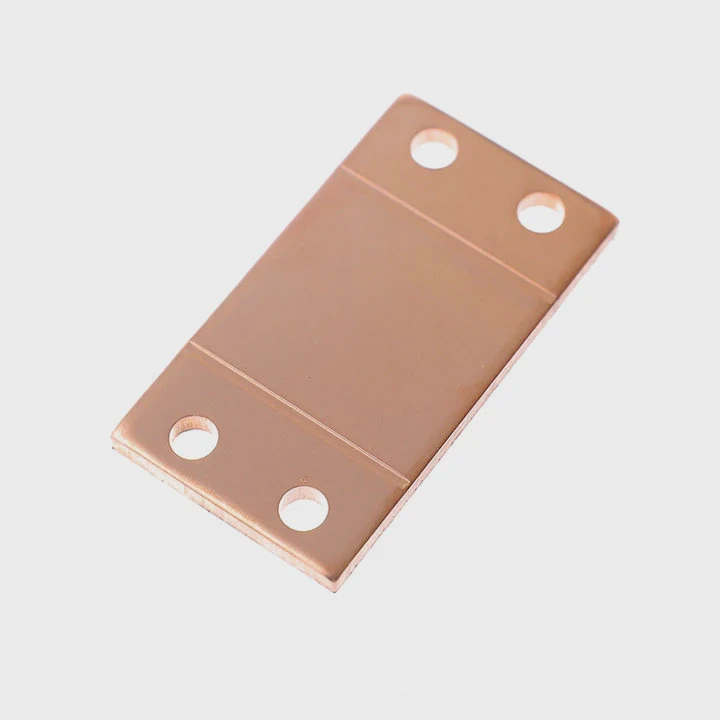
Let’s explore whether a vapor chamber can fully replace a heat pipe, when it makes sense, where heat pipes remain preferred, and what size or cost limits matter.
Is Vapor Chamber a full replacement for heat pipes?
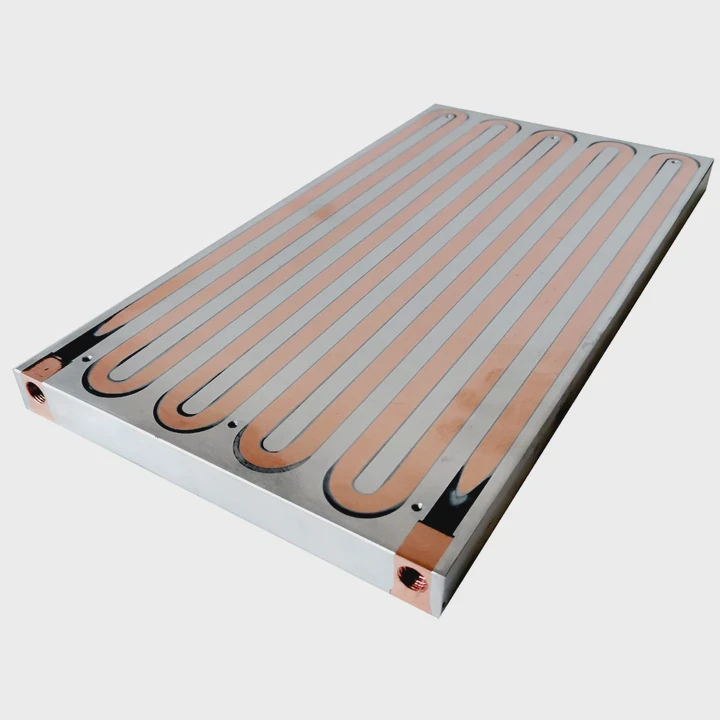
In some cases a vapor chamber can replace a heat pipe, but it is not always a full drop‑in replacement. A vapor chamber is essentially a flat heat pipe designed for two‑dimensional spreading rather than just one‑dimensional transport. According to comparisons, heat pipes excel at transferring heat along a path, while vapor chambers function more to spread heat across a surface.
Therefore, whether a vapor chamber replaces a heat pipe depends on the thermal path, space constraints, mechanical routing, heat flux, system design and cost.
What benefits does it offer over traditional heat pipes?
Vapor chambers bring several advantages compared to standard heat pipes:
- They provide large internal cross‑section and a planar structure, which allows improved “isothermal” surface or heat spread rather than just directional transport.
- They are thinner and can more uniformly spread heat across a base plate or heat sink, making them ideal for compact, high‑flux‑source applications.
- They can reduce the thermal gradient on a heat source by distributing the heat more evenly, which helps reliability and performance.
- When multiple heat sources exist or a large surface must be cooled, a vapor chamber may outperform multiple heat pipes in terms of uniformity and simplicity of mounting.
In summary, the benefits tilt towards improved spreading, flatter profile, better uniformity and often lower peak base temperature under given constraints.
Are there applications where pipes are still preferred?
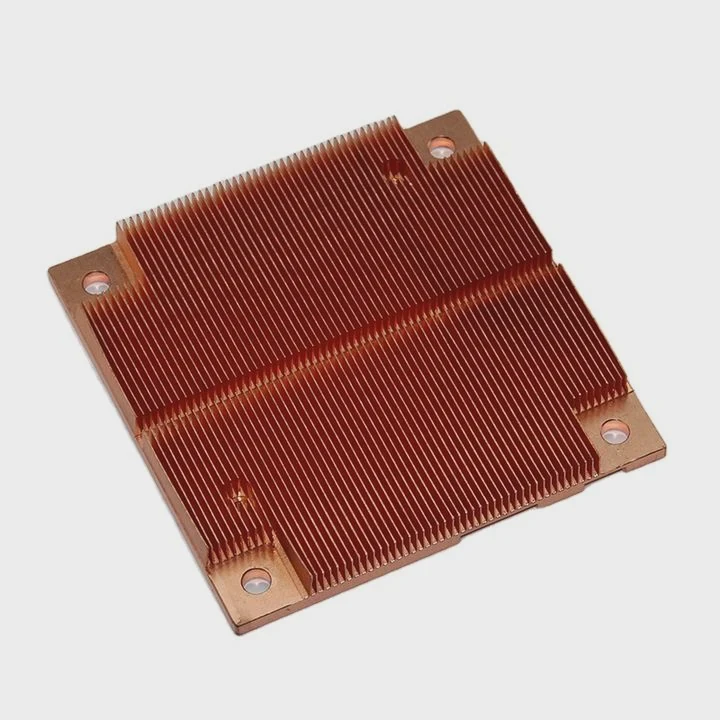
Yes — there are many scenarios where heat pipes remain the better (or necessary) choice:
- Routing/Distance: If the heat source is physically distant from the heat sink, or the path requires bending or non‑planar geometry, heat pipes excel because they can be bent, flattened, or routed flexibly.
- Cost‑sensitive designs: Heat pipes are generally simpler to manufacture and cheaper compared to vapor chambers, especially for one‑dimensional heat‑transfer tasks.
- Low heat‑flux or moderate spreading needs: If the design doesn’t demand extremely high heat flux or large area spreading, a heat pipe may suffice and be more cost‑effective.
- Legacy or modular systems: When existing infrastructure uses heat pipes and no redesign is warranted, sticking with pipes makes sense.
So yes — heat pipes are still preferred in many practical cases, especially where routing complexity, cost or simplicity matter more than ultra‑flat or ultra‑fast spreading.
Does size or cost limit replacement viability?
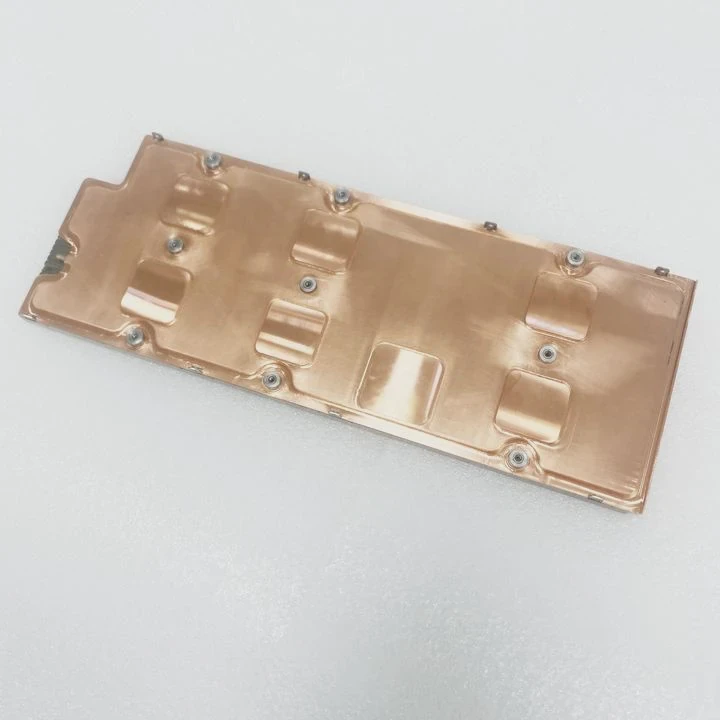
Absolutely — both size and cost impose limits on whether a vapor chamber can replace a heat pipe.
Size / geometry constraints
- Vapor chambers are planar; they excel at spreading heat but may struggle when long, narrow transport or multiple bends are required. Heat pipes win in those scenarios.
- Manufacturing large‑area or ultra‑thin vapor chambers adds complexity (warranty of vacuum, structural integrity, wick return path, warpage). As size grows, cost, risk and yield issues increase.
- Some sources mention practical power‑limits: for example, applications where vapor chambers are used when heat flux is very high; heat pipes suffice at lower flux.
Cost constraints
- Vapor chambers tend to cost more than simple heat pipes because of more complex manufacturing (flat plates, internal structure, sealing).
- If the performance gain vs cost is marginal (i.e., using a vapor chamber where a heat pipe would suffice), the return on investment may not justify the extra cost.
- In volume production (B2B manufacturing), changes in cost per unit matter; sometimes sticking with heat pipes is more economical unless the thermal performance demands vapor chamber.
Viability assessment
When deciding whether to replace heat pipes with vapor chambers, one should evaluate:
- Heat flux magnitude and distribution: is spreading needed?
- Geometry and routing: is planar spreading practical or is long transport required?
- Mechanical constraints: thickness, mounting, warpage, vibration.
- Cost and manufacturing readiness: is the additional cost justified by performance gain?
- Reliability and manufacturing risk: new tech may introduce yield or durability risk.
In many cases, the decision is not “one replaces the other” but “which is better for this application”. Sometimes a hybrid (vapor chamber + heat pipes) is optimal.
Conclusion
A vapor chamber can in many cases replace a heat pipe—especially when you need flat spreading, high heat flux handling, compact profile and uniform thermal distribution. But it is not always the right replacement. Traditional heat pipes still outperform in routing flexibility, cost‑effectiveness, simpler geometry and longer runs. Size and cost are key limiting factors in replacement viability. The optimal choice depends on your specific thermal load, geometry, mechanical constraints and manufacturing budget.
TAGS
Latest Articles

Volume discount levels for heat sink orders?
Buyers often ask when heat sink prices start to drop with volume. Many worry they’re overpaying for small orders. This guide explains how B2B volume pricing works for thermal components. Heat sink
21 Dec,2025
Heat sink long-term supply contract options?
Many buyers want stable pricing and reliable delivery for heat sinks. But without a clear contract, risks grow over time. This article explores how to secure better long-term supply deals. Long-term
21 Dec,2025
Tooling cost for new heat sink profiles?
Many engineers struggle to understand why tooling for custom heat sinks costs so much. They worry about budgeting and production timelines. This article breaks down the cost drivers behind tooling.
21 Dec,2025
Heat sink custom sample process steps?
Sometimes, starting a custom heat sink project feels overwhelming—too many steps, too many unknowns, and too many risks. You want a sample, but not endless delays. The process for requesting and
20 Dec,2025
Standard B2B terms for heat sink payments?
When buyers and sellers in B2B heat sink markets talk about payment, many don’t fully understand what’s standard. This can lead to delayed orders, miscommunication, and even lost business
20 Dec,2025
Heat sink pricing factors for large orders?
Heat sinks are vital for many systems. When prices rise, projects stall and budgets break. This problem can hit teams hard without warning. Large order heat sink pricing depends on many factors. You
20 Dec,2025Related Articles
- Vapor Chamber usage in telecom base stations?
- Vapor Chamber heat resistance under overload?
- Vapor Chamber quality assurance checklist?
- Vapor Chamber for high power LED modules?
- Vapor Chamber design parameters for heavy machinery?
- How to optimize Vapor Chamber thermal performance?
- Typical cycle testing for Vapor Chamber durability?
- Can Vapor Chamber work in subzero temperatures?
- Vapor Chamber impact resistance specifications?
- Does Vapor Chamber support rapid prototyping?
- Standard Vapor Chamber copper purity requirements?
- Vapor Chamber for defense industry electronics?
Author
Dr. Emily Chen
Chief AI Researcher
Leading expert in thermal dynamics and AI optimization with over 15 years of experience in data center efficiency research.
Categories
Latest Products






Recommend Categories
- Liquid cooling plate Manufacturer
- Industrial Heat Sink Manufacturer
- Standard Heat Sink Manufacturer
- Aluminum Heat Sink Manufacturer
- Copper Heat Sink Manufacturer
- Anodized Heatsink Manufacturer
- Stamping heat sink Manufacturer
- Die Casting Heatsink Manufacturer
- Soldering heat sink Manufacturer
- CNC Parts Manufacturer
Latest Products
- Wholesale Aluminum Radiator
- Water Cooling Plate Kit
- Water Cooling Heat Sink
- Water Cooling Heat Sink Kit
- Stainless Steel Water Distributor
- Server Water Cooling Plate Kit
- Server Liquid Cooling System
- Server Aluminum Cooling Kit
- S19 Full Cover Cooling Plate
- S19 Cooling Plate Kit
- S19 Aluminum Cooling Plate
Contact Expert
Have questions about this article? Reach out to our experts directly.