Can Vapor Chamber withstand shock testing?
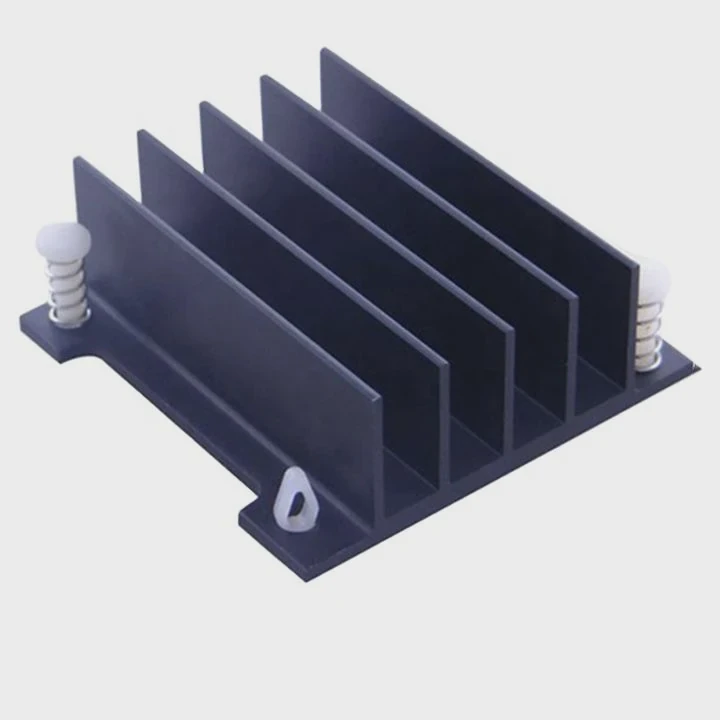
Devices in automotive, aerospace, or defense often face extreme mechanical shocks. Thermal components must be built to survive these forces.
Yes, vapor chambers can pass mechanical shock testing when properly designed, bonded, and validated under relevant standards.
Understanding how they perform under impact helps ensure system reliability in demanding environments.
Can Vapor Chambers survive mechanical shock tests?
Unexpected drops, collisions, and handling events can damage delicate parts. Vapor chambers must resist this without leaking or warping.
Yes, vapor chambers can survive shock tests if built with strong materials, secure bonding, and robust mounting structures.
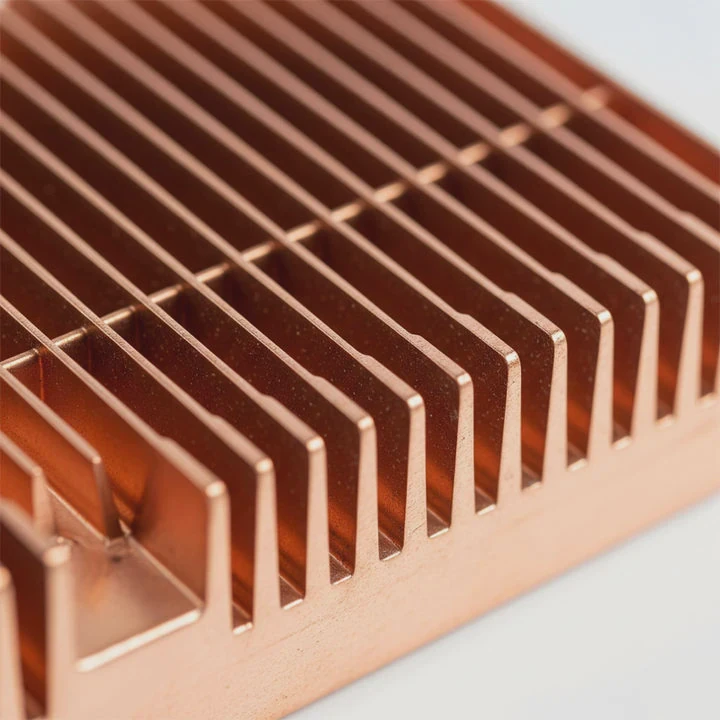
Inside a vapor chamber, there’s a sealed space with a wick, working fluid, and a thin metal housing. During shock events, sudden forces may compress or deform the housing. If the chamber is poorly made, this can break seals or shift internal structures.
However, well-constructed chambers use:
- Strong copper or aluminum shells
- Rigid internal wick structures
- Precise welding or bonding
- Vacuum-tight sealing
Shock-resistant designs may also include internal supports (like columns) to prevent plate collapse under sudden G-forces.
Manufacturers typically test units by mounting them to fixtures and applying pulses of mechanical shock across different axes. After testing, chambers are inspected for leaks, deformation, and performance loss.
What standards apply for shock resistance testing?
High-reliability products require proof of shock resistance using global standards.
Standards like MIL-STD-810, ISO 16750, and IEC 60068 define test conditions for mechanical shock on electronic components.
Common standards used:
| Standard | Scope | Use Case |
|---|---|---|
| MIL-STD-810H | Environmental tests for defense hardware | Military, rugged electronics |
| MIL-STD-883 | Shock/vibration tests for microdevices | Space-grade modules |
| ISO 16750-3 | Mechanical loads for automotive systems | Vehicles and EV systems |
| IEC 60068-2-27 | Shock response and pulse testing | Industrial, telecom modules |
These standards define:
- Peak G-force (e.g., 50g to 100g)
- Pulse shape (e.g., half-sine or sawtooth)
- Duration (e.g., 11ms)
- Axis coverage (e.g., ±X, ±Y, ±Z)
After shock pulses, chambers are tested for:
- Seal integrity
- Vacuum retention
- Flatness
- Thermal resistance
Designers working with vapor chambers in regulated industries should align their qualification plans with these standards.
Are impact tests required for product validation?
Many markets mandate that components withstand handling, drop, or crash conditions. Vapor chambers are no exception.
Yes, impact and shock tests are often required, especially in automotive, aerospace, and defense sectors.
Why impact testing matters:
- Ensures no leaks or deformation during transport
- Confirms wick and fluid are unaffected
- Proves thermal performance remains stable after shock
- Reduces failure risk in field use
Product validation often includes both environmental and mechanical testing. For vapor chambers, shock testing is done after thermal cycling to simulate real conditions.
Testing can involve:
- Shock pulse simulations
- Drop tests from defined heights
- Mounting with realistic load constraints
- Re-check of key performance metrics
Typical product validation sequence:
| Test Step | Purpose |
|---|---|
| Visual inspection | Check surface, seams, and connectors |
| Leak testing | Confirm vacuum integrity |
| Shock pulse test | Apply shock load (e.g., 50g, 11ms) |
| Thermal resistance | Re-measure heat transfer performance |
| Flatness check | Verify surface is unchanged |
Passing all these steps means the vapor chamber is validated for shock durability.
Does shock exposure reduce thermal performance?
Even if a chamber looks fine, internal damage could reduce cooling efficiency.
No, if the vapor chamber survives intact, shock exposure does not reduce thermal performance. But hidden damage can degrade it.
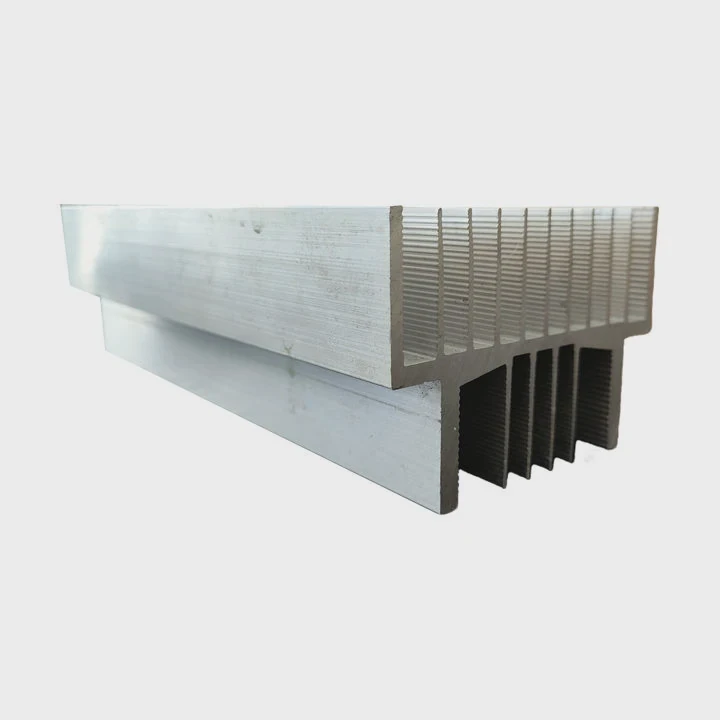
Shock events can potentially:
- Bend or warp the housing
- Dislodge or damage wick structures
- Cause micro-leaks that affect vacuum pressure
- Reduce contact between surfaces, increasing thermal resistance
To confirm performance hasn’t degraded, thermal tests are run before and after shock exposure. If results vary more than 10%, the unit may be rejected.
Post-shock validation checklist:
| Metric | Expected Result |
|---|---|
| Visual inspection | No cracks, dents, or seam openings |
| Thermal resistance | ≤10% variation from pre-shock values |
| Flatness | Remains within planarity tolerance |
| Weight/fluid loss | No significant change in mass |
| Vacuum test | Pass standard helium leak rate threshold |
When properly designed and tested, vapor chambers remain thermally effective after shock stress. If not, it may indicate structural weaknesses or process flaws.
Conclusion
Vapor chambers can handle shock forces when built to industry standards. Key is combining proper design, strong materials, and quality manufacturing. Shock testing under protocols like MIL-STD-810 or ISO 16750 helps verify structural and thermal integrity. For critical systems, always validate your vapor chamber’s performance post-shock to ensure it’s ready for real-world impact.
TAGS
Latest Articles

Volume discount levels for heat sink orders?
Buyers often ask when heat sink prices start to drop with volume. Many worry they’re overpaying for small orders. This guide explains how B2B volume pricing works for thermal components. Heat sink
21 Dec,2025
Heat sink long-term supply contract options?
Many buyers want stable pricing and reliable delivery for heat sinks. But without a clear contract, risks grow over time. This article explores how to secure better long-term supply deals. Long-term
21 Dec,2025
Tooling cost for new heat sink profiles?
Many engineers struggle to understand why tooling for custom heat sinks costs so much. They worry about budgeting and production timelines. This article breaks down the cost drivers behind tooling.
21 Dec,2025
Heat sink custom sample process steps?
Sometimes, starting a custom heat sink project feels overwhelming—too many steps, too many unknowns, and too many risks. You want a sample, but not endless delays. The process for requesting and
20 Dec,2025
Standard B2B terms for heat sink payments?
When buyers and sellers in B2B heat sink markets talk about payment, many don’t fully understand what’s standard. This can lead to delayed orders, miscommunication, and even lost business
20 Dec,2025
Heat sink pricing factors for large orders?
Heat sinks are vital for many systems. When prices rise, projects stall and budgets break. This problem can hit teams hard without warning. Large order heat sink pricing depends on many factors. You
20 Dec,2025Related Articles
- Vapor Chamber compatibility with graphite sheet?
- Does Vapor Chamber require vacuum forming?
- Vapor Chamber process flow chart?
- Typical power rating for Vapor Chamber?
- Standard inspection report for Vapor Chamber?
- Best alloy for Vapor Chamber enclosure?
- Vapor Chamber for inverter heat management?
- Vapor Chamber tolerance for thickness variation?
- Vapor Chamber unit weight calculation method?
- Vapor Chamber optimization for CPU cooling?
- Does Vapor Chamber work with water cooling?
- Vapor Chamber for solar energy systems?
Author
Dr. Emily Chen
Chief AI Researcher
Leading expert in thermal dynamics and AI optimization with over 15 years of experience in data center efficiency research.
Categories
Latest Products






Recommend Categories
- Liquid cooling plate Manufacturer
- Industrial Heat Sink Manufacturer
- Standard Heat Sink Manufacturer
- Aluminum Heat Sink Manufacturer
- Copper Heat Sink Manufacturer
- Anodized Heatsink Manufacturer
- Stamping heat sink Manufacturer
- Die Casting Heatsink Manufacturer
- Soldering heat sink Manufacturer
- CNC Parts Manufacturer
Latest Products
- Wholesale Aluminum Radiator
- Water Cooling Plate Kit
- Water Cooling Heat Sink
- Water Cooling Heat Sink Kit
- Stainless Steel Water Distributor
- Server Water Cooling Plate Kit
- Server Liquid Cooling System
- Server Aluminum Cooling Kit
- S19 Full Cover Cooling Plate
- S19 Cooling Plate Kit
- S19 Aluminum Cooling Plate
Contact Expert
Have questions about this article? Reach out to our experts directly.