Heat sink usable in coastal high-humidity areas?
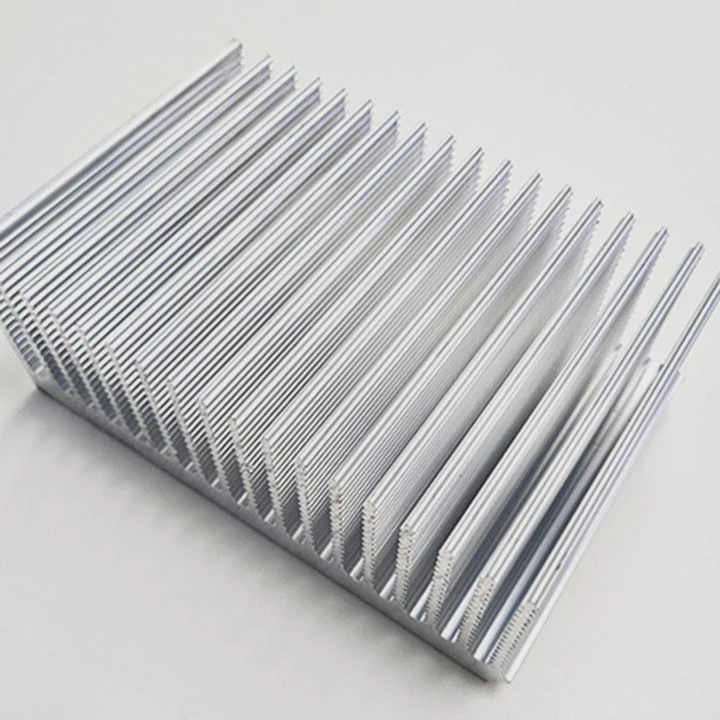
High humidity and salty air can wreck simple heat sinks fast. Coastal installations face constant corrosion and moisture stress — a real hazard to thermal devices.
Using the right materials and methods can let a heat sink survive in marine environments while keeping cooling performance high.
Below I explore what works best to fight salt, dampness, and moisture — and how to build a durable coastal‑ready heat sink.
Let’s dig into how to choose materials, handle humidity, and add coatings or sealing to protect a heat sink from coastal conditions.
What materials resist corrosion in salty air?
Salty air attacks many metals quickly. Choosing corrosion‑resistant materials helps heat sinks last much longer near the sea.
Materials like marine‑grade aluminum alloys, stainless steel, and copper with protective surface treatment resist corrosion and work well for coastal heat sinks.
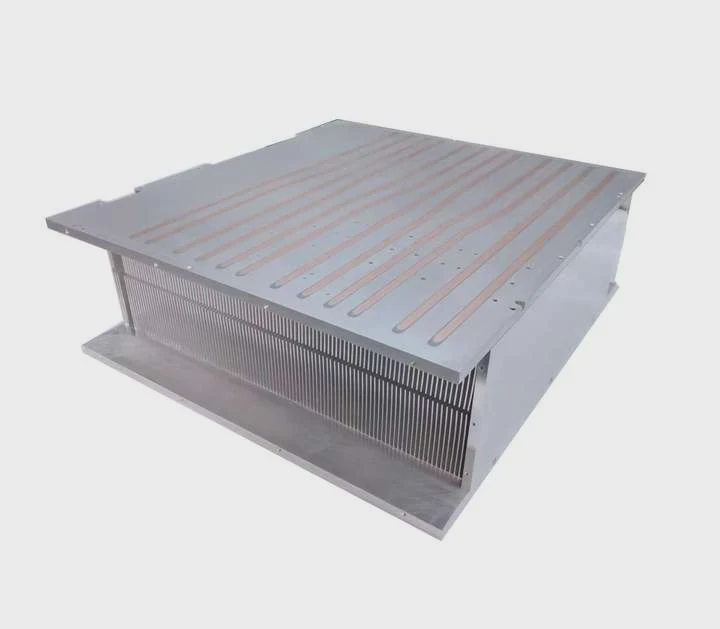
Dive deeper: comparing common materials
Corrosion resistance depends a lot on alloy composition and surface treatment. Plain metals often fail fast in salty air. But some materials stand out.
Material comparison
| Material / Alloy | Strengths in salty air | Weaknesses for heat sink use |
|---|---|---|
| Marine‑grade Aluminum (e.g. 5083, 6061-T6 with proper treatment) | Good corrosion resistance; lightweight; high thermal conductivity | Needs good surface protection; may still corrode if untreated |
| Stainless Steel (e.g. 316L) | Very high resistance to salt corrosion; durable | Lower thermal conductivity than aluminum; heavier |
| Copper (with coating) | Excellent thermal conductivity | Very prone to corrosion unless coated; heavy and costly |
| Anodized Aluminum | Corrosion resistance improved; light; cost-effective | Thermal resistance slightly increased; still needs periodic inspection |
Marine‑grade aluminum alloys like 5083 or properly treated 6061-T6 often give a balance of light weight and modest resistance to salt air. These alloys resist pitting and salt attack better than regular aluminum. The problem is they still need surface protection. Without that, even marine‑grade aluminum will start to corrode in months.
Stainless steel such as 316L resists salt spray much better and can last years. But stainless steel has lower thermal conductivity compared to aluminum. That means a larger mass or bigger surface may be needed to get the same heat dissipation. Also, the weight goes up, which may make mechanical integration harder.
Copper, while excellent thermally, tends to corrode quickly in salty air. Its use demands strong protective coatings. The coating can slow corrosion but may degrade thermal transfer if not properly applied. In some cases, the coating thickness or quality can reduce performance.
Anodized aluminum gets a protective oxide layer on the surface. That layer dramatically reduces exposure of raw metal to salt air. With good anodizing, aluminum heat sinks survive much longer than untreated ones. For coastal zones, anodizing is often a cost‑effective choice combined with good base alloy.
Marine‑grade aluminum plus anodizing or passivation offers a good balance: light weight, decent thermal conduction, and salt resistance — especially if shape and design help with water drainage and airflow. Stainless steel should be used only when mechanical robustness or chemical resistance outweighs thermal and weight disadvantages. Copper should be used only with careful coating and when thermal conductivity is critical and budget/weight allow it.
Why some alloys fail
Salt air brings chloride ions. Chloride attacks metals. In bare aluminum, chloride breaks down protective oxide layer. That starts pitting and corrosion. Moist humid air traps salt on surfaces. Repeated condensation cycles worsen corrosion. Even small scratches or unprotected joints become initiation points. That is why plain aluminum or copper without proper treatment will fail fast.
Using alloys helps a little. But surface protection — coatings, paints, anodizing — is key. Also design matters: avoid crevices where water can stay. Ensure airflow and drainage. That reduces time moisture stays on metal.
In coast-facing installations, material choice must come with design care. Hard surfaces, rounded edges, no pockets to trap water. Airflow to dry surfaces fast. Combined with alloy choice and protective finish, these help a heat sink resist salt air over years.
How does humidity impact thermal performance?
High humidity does more than cause corrosion. Moist air can affect heat sink performance and reliability.
Humidity itself does not change metal’s thermal conduction much. But moist air reduces heat transfer via convection, encourages condensation, and may bring salt deposits — all of which reduce effective cooling performance.
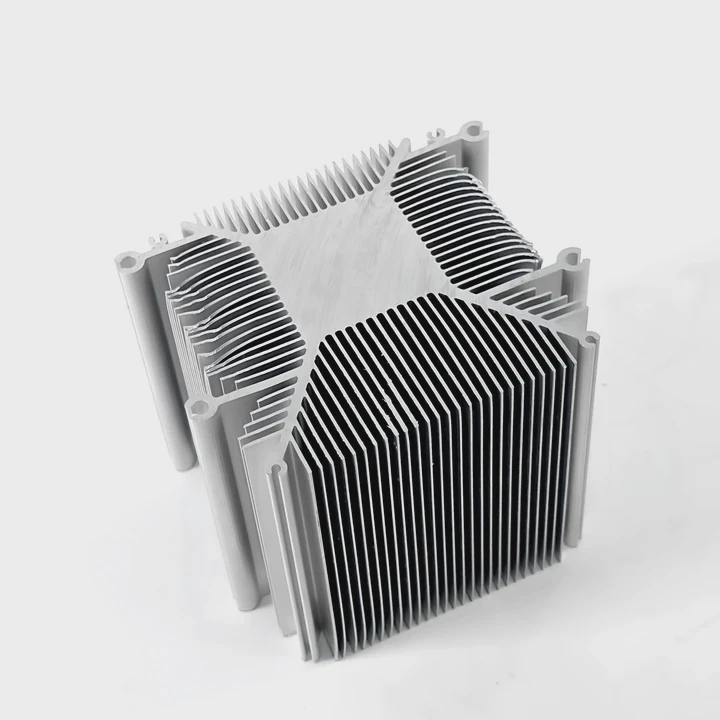
Dive deeper: humidity’s effects on heat sinks
Humidity changes how a heat sink interacts with air and environment. The metal’s conductivity stays the same. But the environment around the heat sink changes in ways that hurt performance or cause degradation.
Reduced airflow efficiency
Moist air has higher density than dry air. That changes convective heat transfer slightly. In many cases, the difference is small. But when airflow is low or slow, humid air may hold more latent heat near the surface. That reduces the temperature gradient that drives heat flow. In effect, the heat sink can dump heat less effectively.
In coastal climates often with high humidity, external air may also include salt and other aerosols. These particles can settle on fin surfaces. That buildup blocks airflow and insulates parts of the heat sink. Over time, this reduces effective surface area. The shape of fins and spacing matter strongly in such cases. If fins are too close, salt and moisture deposit between them and never dry out. That reduces airflow and makes heat dissipation poor.
Chances of condensation
When system heat cycles, metal surfaces change temperature. In humid air, surfaces can reach dew point; water condenses on them. This water then traps salt and dust when it evaporates. With repeated cycles, thin salt layers accumulate. These act like insulating films. They impair thermal contact between fins and air.
If condensation persists, metal surfaces may slowly corrode under salt film. That further reduces thermal performance and mechanical integrity.
Corrosion under moisture, salt deposits
As earlier described, salty, humid air leads to chloride attack and corrosion. But here the link to thermal performance is clear: corrosion roughens surfaces. It creates pits. Those pits reduce contact area with air. Pits may trap moisture. That worsens corrosion. Over time, fins may weaken or break. Thermal performance declines.
Maintenance and cleaning challenges
In high‑humidity zones near coast, maintenance is harder. Moisture may return quickly after cleaning. If salt dries on fins, it can be sticky. Cleaning with water may cause more corrosion if drying is slow. Dust and salt may mix into crusts.
Frequent maintenance is expensive. It may also disassemble delicate fin geometry. This reduces airflow or damages the structure. So design should aim for minimal maintenance. That means using materials and treatments that resist salt, avoid shapes that trap moisture, and allow easy drying.
Real‑world example
Consider a heat sink mounted on a telecommunication cabinet near the sea. In winter, the ambient may be 90% humidity. The cabinet cycles inside temperature: warm during operation, cooler at night. Each night surfaces hit dew point. Moisture condenses inside fins. Salt from air deposits on the fins and inside crevices. After a few months, airflow through fins is reduced. The equipment overheats more often. If corrosion begins, the fins may weaken. The heat sink may fail, or the device needs extra fan cooling, increasing power and noise.
In such case, using a regular aluminum heat sink means frequent maintenance and possible failure. But a design with protected surface, spaced fins, open airflow path, and periodic checks provides more stable thermal performance over years.
Thus, humidity does not damage metals directly in terms of conductivity. But humidity triggers moisture, salt buildup, condensation — all degrade real cooling performance and durability. Coastal‑rated heat sinks must account for these factors during design and material selection.
Can anodizing improve coastal heat sink lifespan?
A protective surface finish can make a big difference. Anodizing adds a hard oxide layer on aluminum. This layer resists corrosion and slows down degradation in salt and moisture environments.
Yes. Anodizing can greatly improve the lifespan of aluminum heat sinks in coastal conditions by protecting metal surfaces from salt, moisture, and corrosion.
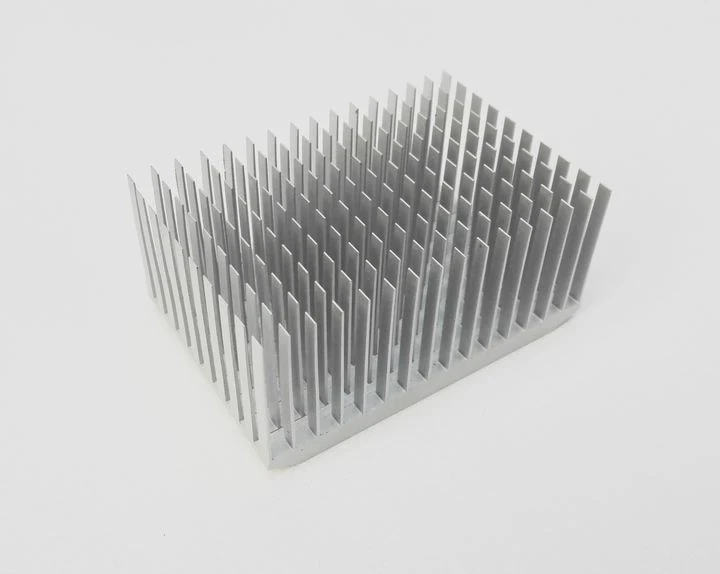
Dive deeper: how anodizing helps, and its limits
Anodizing is an electrochemical process. It builds a thick oxide layer on aluminum. That layer bonds strongly with the metal. It seals the raw aluminum from direct contact with air, salt, and water. This helps a lot in marine or coastal settings.
How anodizing works
The anodizing process uses acid electrolytes and DC current. Aluminum parts act as anode. The process grows aluminum oxide from the base metal outward. The oxide layer is dense, hard, and tightly bound. It becomes part of the surface, not a coating that can flake away easily.
This oxide resists salt water, moisture, and many chemicals. It reduces chloride attack. It also resists abrasion. For a heat sink with fins and edges, anodizing means those edges and thin parts get protection. That helps especially where water may condense or droplets may collect.
Benefits for coastal heat sinks
- Salt air cannot reach bare metal. This prevents the first step of corrosion (breaking oxide film).
- Moisture or condensation has little effect. The oxide does not corrode easily.
- Surface stays stable under cycles of wet/dry. The oxide layer is not easily damaged by humidity.
- Fins remain intact. Airflow remains stable over time.
Because of these benefits, anodized aluminum often lasts far longer in coastal zones than untreated aluminum. For many installations, anodized aluminum heat sinks can operate for years with minimal maintenance.
Limits and things to watch
Anodizing helps. But it does not make aluminum invincible. The oxide layer can be thin. If it gets scratched or worn thin, bare metal may show. Rough handling, mechanical stress, or sharp tools can break the oxide film. Any scratch can become a corrosion point. Designers must avoid sharp edges, use chamfers, and avoid stress concentration.
Also anodizing slightly increases thermal resistance at metal-air interface. The oxide layer has lower thermal conductivity than the base metal. In high-performance heat sinks where every watt counts, this added resistance may reduce thermal efficiency by a small but measurable amount. Designers must check if the efficiency loss is acceptable. Often it is, for the trade‑off of longevity.
Finally, anodizing works well for aluminum. If the base metal is stainless steel or copper, different treatments are needed. Anodizing cannot apply there. Those metals require passivation, coatings, or plating.
Summary
For aluminum heat sinks in coastal, humid, salty air zones, anodizing is often a very effective way to increase lifespan. It seals the metal, resists salt and moisture, keeps fins safe. The cost is modest compared to maintenance, corrosion, or shortened device lifespan. Designers should combine anodizing with good alloy choice, smooth geometry, and protective enclosure design for best results.
Which sealing methods prevent moisture ingress?
Protecting a heat sink inside a system often needs more than just corrosion‑resistant metal. Moisture can sneak in through joints, seams, or interfaces. Using proper sealing methods can reduce that risk and extend the life of the assembly.
Effective sealing methods include gasket sealing, potting, enclosure sealing with O‑rings, and conformal coatings — each helps prevent moisture ingress in different ways.
Dive deeper: sealing options, pros and cons
When a heat sink attaches to a device, it often sits inside a housing or attaches to other parts. Moist air can enter through gaps, joints, or screw holes. Sealing is key. Below I describe common methods, their strengths, weaknesses, and suitable use cases.
Common sealing methods
| Sealing Method | How it works | Strengths | Weaknesses |
|---|---|---|---|
| Gasket (rubber, silicone) + sealed enclosure | Compression seals at mating surfaces | Removable for maintenance; good water resistance | May degrade over time; rubber can harden or shrink; requires precise mating surfaces |
| O‑rings at interfaces and screw points | Rings compress to seal joints/hole penetrations | Simple; effective for round openings; low cost | Requires good groove design; limited to small gaps; may leak under vibration |
| Potting / epoxy sealing around electronics and base | Encapsulates components fully in resin | Excellent moisture block; durable | Not serviceable; heat dissipation can suffer; adds weight; harder to recycle |
| Conformal coating on surfaces and PCB‑heat sink interface | Thin protective film coats components | Lightweight; retains geometry; good against moisture/salt | Less effective against large water ingress; may wear or crack; periodic inspection needed |
| Sealant around screw holes / edges (silicone, polyurethane) | Fills small gaps and edges | Flexible; good for irregular seams | Can age and crack; may need re‑application over years |
When to use each method
- For removable heat sinks in devices that may need service: gasket enclosure or O‑rings are ideal. They prevent moisture ingress while allowing disassembly. The sealing works if mating surfaces are flat and grooves are well‑designed.
- For permanent, weather‑sealed enclosures: potting gives the strongest moisture protection. But you lose serviceability. Use this when heat sink is part of a sealed module — like a power supply block or a sealed outdoor unit.
- When weight and geometry matter: conformal coating is handy. It gives reasonable moisture and salt resistance without changing size or weight much. It suits moderate coastal exposure where full sealing is not required.
- For screw holes and edges: applying sealant around joints adds an extra barrier. This is often used along with other methods.
Designing for sealing and drainage
Sealing helps stop moisture entry. But good design also helps prevent water traps. I recommend:
- Use sloped surfaces or drainage paths.
- Avoid flat horizontal spots where water can puddle.
- Use vent holes with hydrophobic mesh if required — they allow pressure equalization without letting water in.
- Avoid placing joints at low or horizontal surfaces where water can pool.
Example case
Imagine a telecom outdoor cabinet near the sea. The heat sink sits inside a metal housing. There are screws at top and bottom. If designers rely only on anodized aluminum, moisture still can enter through screw holes or seams. So they add silicone sealant around seams. They insert rubber gaskets at the cover. They use conformal coating on internal electronics. As a result, even in heavy marine humidity and salt spray, no visible corrosion appears after a year. Airflow is maintained, and heat dissipation remains stable.
If they needed quick maintenance, they avoid potting. They just rely on gaskets and coating. This way they can open cabinet, replace parts, reseal. The sealing method balances protection with serviceability.
Maintenance and long-term care
Even sealed enclosures need periodic checks. Gaskets and sealants age. Rubber may harden. Coatings may crack. After a few years, humidity cycles can cause stress. It is good to plan inspection every 1–2 years. Check for cracks, corrosion starting points, any salt accumulation. Clean and reseal if needed. Replace gaskets or reapply sealant on joints. That extends lifespan.
Thus sealing — combined with material choice and protective finish — provides a strong defense against coastal humidity and salt. It ensures moisture stays out, reduces corrosion risk, and preserves thermal performance.
Conclusion
Coastal, humid, salty air challenges heat sinks. Using corrosion‑resistant materials, applying anodizing, and sealing assemblies properly can let them work reliably for years. Build with the right alloy, protect surfaces, seal metal joints, and design for drainage — and a heat sink can face the sea without failing.
TAGS
Latest Articles

Volume discount levels for heat sink orders?
Buyers often ask when heat sink prices start to drop with volume. Many worry they’re overpaying for small orders. This guide explains how B2B volume pricing works for thermal components. Heat sink
21 Dec,2025
Heat sink long-term supply contract options?
Many buyers want stable pricing and reliable delivery for heat sinks. But without a clear contract, risks grow over time. This article explores how to secure better long-term supply deals. Long-term
21 Dec,2025
Tooling cost for new heat sink profiles?
Many engineers struggle to understand why tooling for custom heat sinks costs so much. They worry about budgeting and production timelines. This article breaks down the cost drivers behind tooling.
21 Dec,2025
Heat sink custom sample process steps?
Sometimes, starting a custom heat sink project feels overwhelming—too many steps, too many unknowns, and too many risks. You want a sample, but not endless delays. The process for requesting and
20 Dec,2025
Standard B2B terms for heat sink payments?
When buyers and sellers in B2B heat sink markets talk about payment, many don’t fully understand what’s standard. This can lead to delayed orders, miscommunication, and even lost business
20 Dec,2025
Heat sink pricing factors for large orders?
Heat sinks are vital for many systems. When prices rise, projects stall and budgets break. This problem can hit teams hard without warning. Large order heat sink pricing depends on many factors. You
20 Dec,2025Related Articles
- Heat sink usage in power distribution panels?
- Heat sink selection for aerospace electronics?
- Heat sink performance in medical equipment?
- Renewable energy inverters requiring heat sink?
- Industrial automation devices needing heat sink?
- Suitable heat sink for EV battery packs?
- How heat sink extrusion is manufactured?
- what is the best CNC plasma cutter?
- Heat sink machining standards for precision parts?
- Bonding methods to improve heat sink transfer?
- Dimensional inspection methods for heat sink?
- Heat sink export packaging requirements?
Author
Dr. Emily Chen
Chief AI Researcher
Leading expert in thermal dynamics and AI optimization with over 15 years of experience in data center efficiency research.
Categories
Latest Products






Recommend Categories
- Liquid cooling plate Manufacturer
- Industrial Heat Sink Manufacturer
- Standard Heat Sink Manufacturer
- Aluminum Heat Sink Manufacturer
- Copper Heat Sink Manufacturer
- Anodized Heatsink Manufacturer
- Stamping heat sink Manufacturer
- Die Casting Heatsink Manufacturer
- Soldering heat sink Manufacturer
- CNC Parts Manufacturer
Latest Products
- Wholesale Aluminum Radiator
- Water Cooling Plate Kit
- Water Cooling Heat Sink
- Water Cooling Heat Sink Kit
- Stainless Steel Water Distributor
- Server Water Cooling Plate Kit
- Server Liquid Cooling System
- Server Aluminum Cooling Kit
- S19 Full Cover Cooling Plate
- S19 Cooling Plate Kit
- S19 Aluminum Cooling Plate
Contact Expert
Have questions about this article? Reach out to our experts directly.