How heat sink extrusion is manufactured?
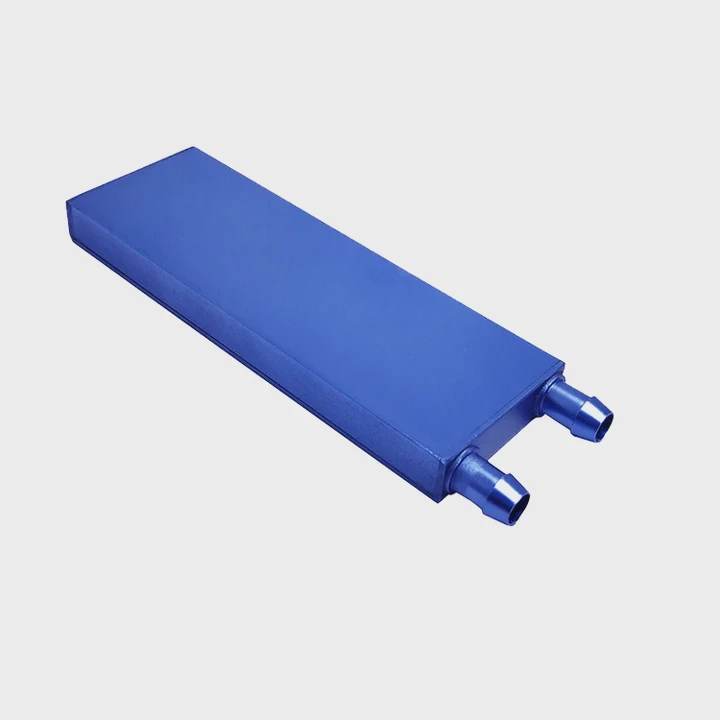
When building a heat sink extrusion, many problems can cause weak or wrong shapes. Poor process, wrong temperature, bad speed, wrong machine setup all matter. The result may be scrap or bad parts.
A good extrusion run starts with right planning. You must follow clean steps, control temperature well, choose proper speed, and use machines that match the job. If all parts work well, extrusion quality stays high.
Let us look deeper into how heat sink extrusion is made from start to finish.
What are the main steps in extrusion manufacturing?
The process begins with metal stock, then heating, pushing through a die, cooling, cutting, and finishing. Each step matters to shape, strength, and surface finish of final parts.
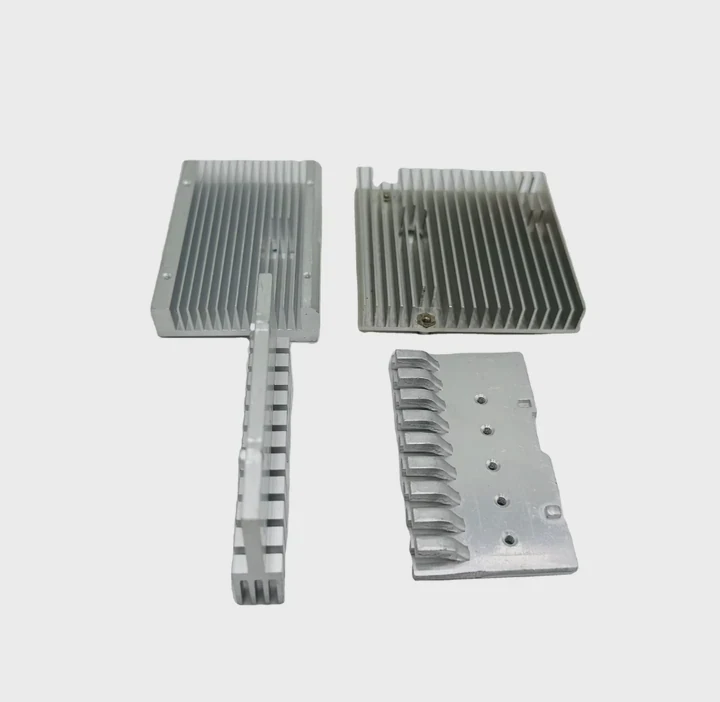
Here are the main steps:
| Step | Purpose |
|---|---|
| Billet preparation | Clean and size the metal blocks for extrusion |
| Heating the billet | Bring billet to a correct temperature so metal flows |
| Extrusion through a die | Shape the metal into the desired cross‑section |
| Cooling / Quenching / Air cooling | Solidify metal to keep shape and mechanical properties |
| Cutting / Sawing | Cut the long extrusion into usable lengths |
| Straightening and aging | Correct bending and harden metal if needed |
| Surface finish (optional) | Clean surface, remove scale, prepare for anodizing or painting |
Extrusion starts with billet preparation. Metal billets (often aluminum for heat sinks) get cleaned, checked for quality, and trimmed to size. Dirty or damaged billets can lead to defects. Then the billet goes into a heating furnace. In the furnace, the billet warms slowly until it reaches a target temperature. This temperature depends on alloy and extrusion design.
Once the billet reaches target temperature, operators move it to the extrusion press. The billet sits in a chamber behind a ram. The ram pushes the billet forward. Pressure forces the softened metal through the die. The die has the negative shape of the final cross-section. For a heat sink, the die shape determines the fin spacing, thickness, base thickness, and channels if any.
After metal exits the die, the long soft extrusion enters a cooling phase. Cooling may be done by air fans, water mist, or spray. Rapid cooling helps preserve shape and prevent deformation. Then a saw cuts the extrusion into required lengths.
Often extruded pieces bend slightly. So they move through straightening units. Some alloys also require “aging” — a heat‑treat step that brings the metal to final hardness and strength. Last, surface finishing may happen. For heat sinks, finishing might include removing oxide scale, smoothing surfaces, or preparing for anodizing.
Each step matters. A slip in billet prep, incorrect heating duration, mis‑aligned die, or poor cooling can ruin parts. Good process control is the base for good results.
How does temperature control affect extrusion quality?
Temperature control is critical. If metal is too cold, it resists flow and may crack. If too hot, metal may flow too fast or warp. Ideal temperature gives correct metal flow and even structure.
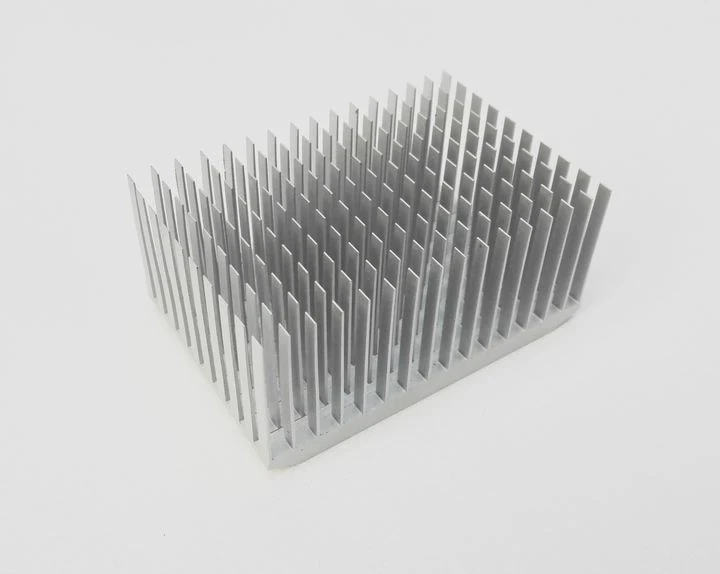
Temperature affects quality in many ways. Proper temperature ensures metal fills die completely. That gives correct shape, no voids, no weak points. Uneven temperature can cause warping or weak fins. Too high a temperature may cause grain growth. That lowers mechanical strength. Too low temperature makes extrusion tough, increases pressure, and can break the die or billet.
How temperature influences flow and shape
When billet reaches its ideal temperature range, aluminum becomes soft enough to flow under pressure. The softness allows metal to fill fine fin spaces or narrow channels. If temperature is too low, metal may stick or tear. That creates surface cracks. Also fins may stretch unevenly or hole form.
Risks of temperature too high
If billet overheats, metal becomes very soft. When ram pushes, metal flows too easily. This can cause instability. The extrusion may bulge, split, or lose straightness. Also fine structures like thin fins can deform or collapse. Overheated metal tends to result in poor surface finish and inconsistent dimensions. Sometimes alloy properties change — grain structure becomes coarse. That lowers heat conductivity or strength.
Temperature uniformity matters
Besides correct average temperature, uniform temperature across billet matters. If one side is hotter, that side flows easier. The die filling becomes uneven. Resulting profile may twist or bend. Cooling after extrusion must also be uniform. Rapid or uneven cooling can warp the part as metal contracts unevenly.
Because of these risks, temperature monitoring and control tools are essential. Many extrusion shops use thermocouples, infrared sensors, or data-logging systems. Operators check billet temperature just before extrusion. They may also pre‑heat the die. Die temperature also influences flow. A cold die may chill metal quickly causing surface lines or incomplete fill. A hot die eases flow but risks stickiness or surface roughness.
In short, temperature control affects shape accuracy, surface finish, and mechanical properties. Good control makes good parts. Poor control destroys value.
Can extrusion speed impact final shape accuracy?
Yes. The speed at which metal is extruded — ram speed, billet feed, and pull speed — plays a big role. Too fast or too slow can both cause problems.
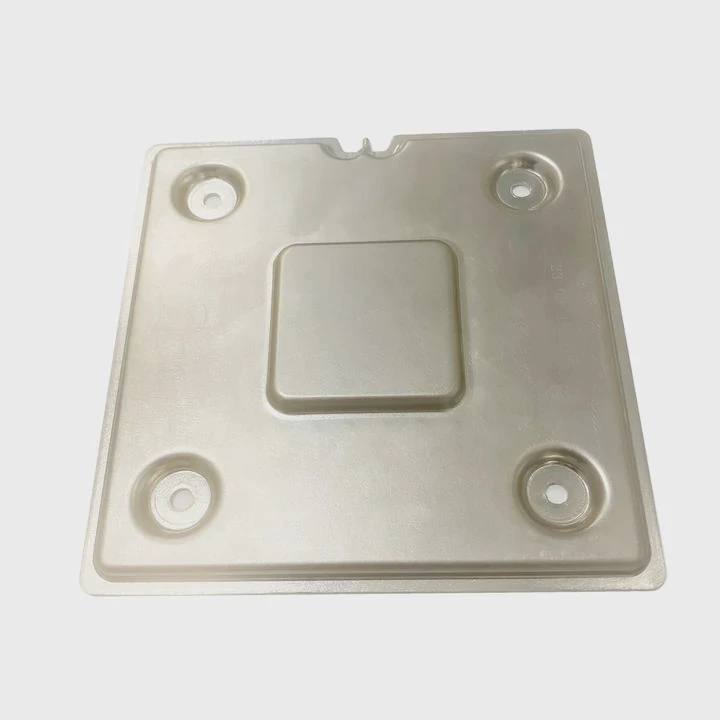
Correct speed ensures stable metal flow. If speed is too high, metal rushes through the die. That can cause turbulence inside metal, leading to surface lines, cracks, or uneven walls. Thin fins may bend or distort. Also die pressure spikes, which may stress or break the die.
If speed is too low, metal may cool or harden while inside die. That slows flow and can cause incomplete filling. The shape then will have short fins, thick walls, or gaps. Slow speed also reduces productivity and wastes energy.
What happens with high speed
When ram pushes very fast, metal may exit the die too quickly. The newly extruded part may not cool evenly. The part can mis‑shape or warp. For complex profiles, high speed might prevent full die filling. Some areas may collapse, especially thin fins. Pressure inside die may spike. That can cause metal fractures or die damage.
Even if shape looks correct, internal metal flow may be uneven. That leads to weak zones. When cooled and aged, the piece may bend or crack under stress. Surface finish may show roughness or ridges.
What happens with low speed
Running too slow reduces stress on die. But metal may stick or chill inside die. This causes pressing force to rise. Also flow becomes uneven. Thin walls might stay thick; fins may not form properly. The profile may shrink or distort after cooling.
Low speed keeps process stable, but many billets may come out undersized or underformed. That wastes both material and time.
Because of this, shops define optimum speed range. The range depends on alloy type, cross‑section complexity, wall thickness, and die design. Operators often run test extrusions to find best speed. Then they monitor and log speed during production. They adjust speed as needed.
Speed also interacts with temperature. If billet temperature or die temperature changes, ideal speed shifts. So speed cannot be fixed too early. It must adapt.
Which machines are used in heat sink extrusion?
Making a heat sink by extrusion requires several machines. Each machine serves one or more steps. You need a full line to get from billet to final extrusion.
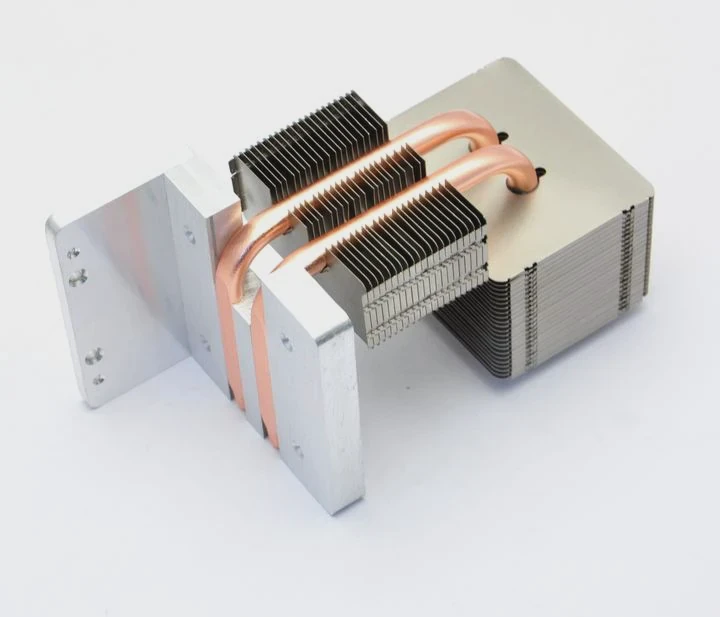
Common machines and tools include:
| Machine / Tool | Purpose |
|---|---|
| Billet heating furnace | Heat aluminum billets to target temperature |
| Extrusion press (hydraulic or mechanical) | Push billet through die |
| Die and container setup | Shape metal, guide billet |
| Cooling benches / spray / water torpedo | Cool extrusion quickly and evenly |
| Sawing or cutting station | Cut extruded lengths to size |
| Straightening machine or stretcher | Correct bend or twist after extrusion |
| Aging oven (if heat treatment needed) | Harden metal or stabilize properties |
| Surface treatment line (grinding, brushing) | Prepare surface finish before anodizing or painting |
Most extrusion lines use a hydraulic press. The press exerts high pressure via a ram. Press tonnage depends on billet alloy, shape complexity, and cross‑section area. For heat sink extrusion with many fins, high tonnage helps fill all spaces cleanly.
Dies play a key role. Die design must match profile exactly. For heat sinks, die may include thin fins and narrow gaps. Designing and machining these dies needs precision machines before extrusion run. Also containers and dummy blocks must match billet size and die geometry.
After extrusion press, cooling benches or water‑spray systems bring down temperature quickly. Cooling systems often have fans, spray nozzles, or water torpedoes. Uniform cooling helps preserve shape.
Cutting station comes next. A cold saw or flying saw cuts the hot extrusion into lengths. Timing is important. Cut too early, and metal is soft and may deform. Cut too late, metal may harden and saw cannot cut cleanly.
Then straightening machines or stretchers align the extrusion. Many extrusions bend slightly when cooled or cut. Straightening presses or stretchers pull or press parts to correct shape.
If the alloy requires, extrusion line may include an aging oven. After extrusion, aluminum may need “aging” — holding at certain temperature for hours to reach full hardness or strength. This affects final mechanical properties and heat conduction.
Finally surface treatment helps. Grinding or brushing removes scale and rough spots. This prepares surface for further finishing such as anodizing. For heat sinks, smooth surfaces and clean fins matter for thermal contact and airflow.
Some factories also use automatic stacking, packaging machines to improve efficiency. For large‑volume production, automation helps lower labor cost and reduce handling damage.
These machines form a full production line. Without any of them, a proper heat‑sink extrusion may fail quality checks. Each machine needs maintenance. Calibration and alignment must stay correct. Operators must watch temperature, pressure, speed, and cooling.
Conclusion
Heat sink extrusion involves precise steps, strict temperature control, proper speed, and the right machines. Each factor affects quality of shape, structure, and surface. A well-managed line yields strong, accurate, and clean heat sinks. Poor control at any point can ruin parts. Solid process matters most.
TAGS
Latest Articles

Volume discount levels for heat sink orders?
Buyers often ask when heat sink prices start to drop with volume. Many worry they’re overpaying for small orders. This guide explains how B2B volume pricing works for thermal components. Heat sink
21 Dec,2025
Heat sink long-term supply contract options?
Many buyers want stable pricing and reliable delivery for heat sinks. But without a clear contract, risks grow over time. This article explores how to secure better long-term supply deals. Long-term
21 Dec,2025
Tooling cost for new heat sink profiles?
Many engineers struggle to understand why tooling for custom heat sinks costs so much. They worry about budgeting and production timelines. This article breaks down the cost drivers behind tooling.
21 Dec,2025
Heat sink custom sample process steps?
Sometimes, starting a custom heat sink project feels overwhelming—too many steps, too many unknowns, and too many risks. You want a sample, but not endless delays. The process for requesting and
20 Dec,2025
Standard B2B terms for heat sink payments?
When buyers and sellers in B2B heat sink markets talk about payment, many don’t fully understand what’s standard. This can lead to delayed orders, miscommunication, and even lost business
20 Dec,2025
Heat sink pricing factors for large orders?
Heat sinks are vital for many systems. When prices rise, projects stall and budgets break. This problem can hit teams hard without warning. Large order heat sink pricing depends on many factors. You
20 Dec,2025Related Articles
- Heat sink usable in coastal high-humidity areas?
- Heat sink usage in power distribution panels?
- Heat sink selection for aerospace electronics?
- Heat sink performance in medical equipment?
- Renewable energy inverters requiring heat sink?
- Industrial automation devices needing heat sink?
- what is the best CNC plasma cutter?
- Heat sink machining standards for precision parts?
- Bonding methods to improve heat sink transfer?
- Dimensional inspection methods for heat sink?
- Heat sink export packaging requirements?
- Requirements for custom heat sink extrusion dies?
Author
Dr. Emily Chen
Chief AI Researcher
Leading expert in thermal dynamics and AI optimization with over 15 years of experience in data center efficiency research.
Categories
Latest Products






Recommend Categories
- Liquid cooling plate Manufacturer
- Industrial Heat Sink Manufacturer
- Standard Heat Sink Manufacturer
- Aluminum Heat Sink Manufacturer
- Copper Heat Sink Manufacturer
- Anodized Heatsink Manufacturer
- Stamping heat sink Manufacturer
- Die Casting Heatsink Manufacturer
- Soldering heat sink Manufacturer
- CNC Parts Manufacturer
Latest Products
- Wholesale Aluminum Radiator
- Water Cooling Plate Kit
- Water Cooling Heat Sink
- Water Cooling Heat Sink Kit
- Stainless Steel Water Distributor
- Server Water Cooling Plate Kit
- Server Liquid Cooling System
- Server Aluminum Cooling Kit
- S19 Full Cover Cooling Plate
- S19 Cooling Plate Kit
- S19 Aluminum Cooling Plate
Contact Expert
Have questions about this article? Reach out to our experts directly.