How clean should Vapor Chamber surfaces be?
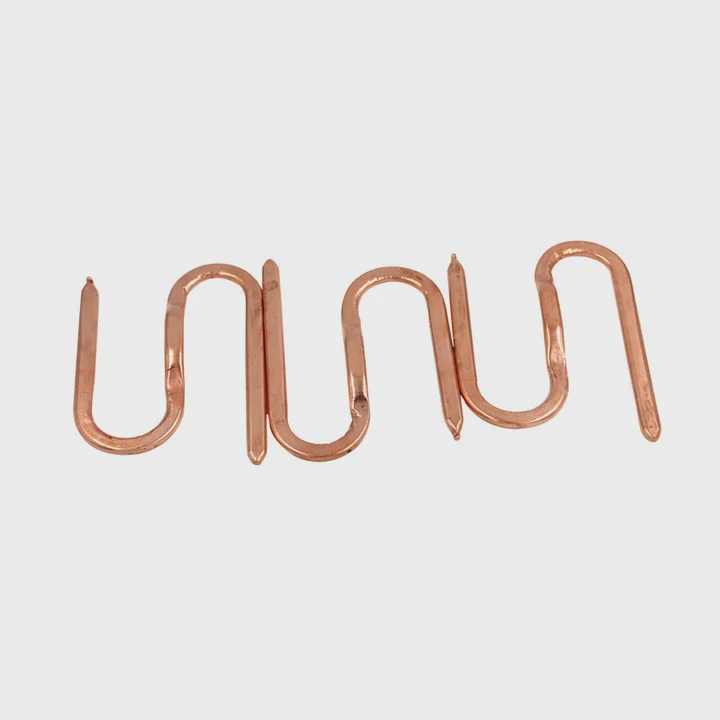
Keeping surfaces of vapor chambers dirty can cause big problems for heat flow or sealing. Contamination may block thermal paths and reduce reliability.
Vapor chamber surfaces must be extremely clean — free from oils, dust, oxides, or residues down to sub‑micron particles — to ensure full thermal conductivity and reliable sealing.
Poor cleanliness can ruin performance and lifespan. Proper cleaning and inspection are essential before assembly.
What surface cleanliness level is required for Vapor Chambers?
Dirty surfaces can cause hidden issues even before the chamber is used. Residues may block solder, create air gaps, or cause corrosion later.
The required cleanliness level is equivalent to a “near‑atomically clean” metal surface, with no visible particles or films, and minimal microscopic contamination — typically better than 10 micrograms per square centimeter of residue.
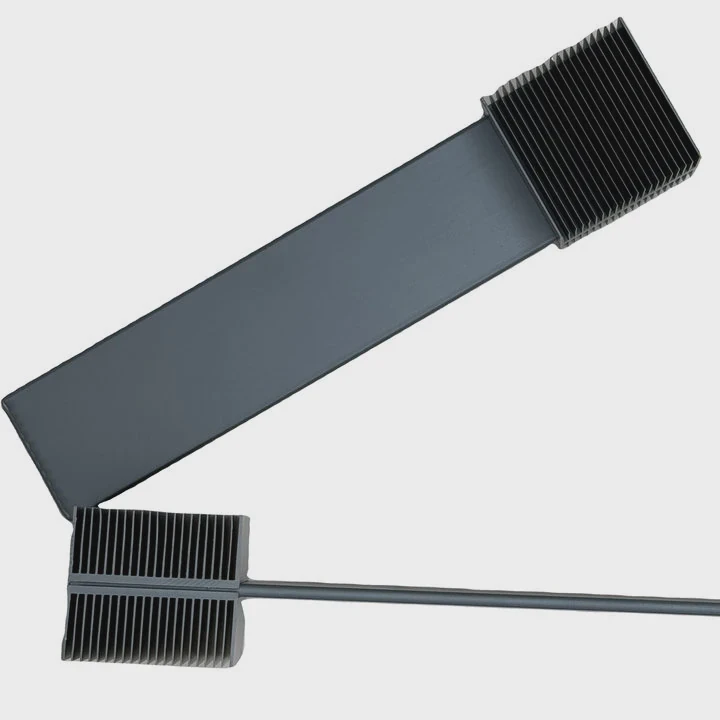
In many industries, especially electronics and thermal management, a surface cleanliness standard is often defined by residue weight per area, or by ionic contamination levels. For a vapor chamber, the goal is to make sure molten solder or bonding material can wet the metal uniformly and avoid voids or trapped gases. That means no fingerprints, no oil smears, no dust, no oxidation layers thicker than a few nanometers, and no residual flux or cleaning agents without proper rinse.
Typical Surface Cleanliness Criteria
| Contamination Type | Acceptable Level for Vapor Chamber Surfaces |
|---|---|
| Visible dust or particles | None — surface should appear clean under 10× magnification |
| Organic residues (oil, fingerprints) | Less than 10 µg/cm² (preferably less than 5 µg/cm²) |
| Oxide layers or corrosion | Thin native oxide only; no thick oxide or rust layers |
| Ionic or flux residues | Below trace — ideally none detectable under ionic cleanliness test |
These criteria are stricter than general industrial metal cleaning. Vapor chambers rely on highly efficient heat conduction paths. Any micro gap made by dust or residue can dramatically reduce conduction and create cold spots. Also, if sealing depends on soldering or welding, contamination may interfere with bond formation and cause leaks. The metal must be ready to bond at the atomic level.
Does contamination affect performance of Vapor Chambers?
Contamination may seem minor. But it can change how the chamber works. Even a thin film can block thermal contact. Dust or residue may trap gas or block liquid flow. Those reduce heat conduction and reliability.
Yes — contamination can degrade thermal performance, reduce sealing quality, and cause premature failure in vapor chambers.
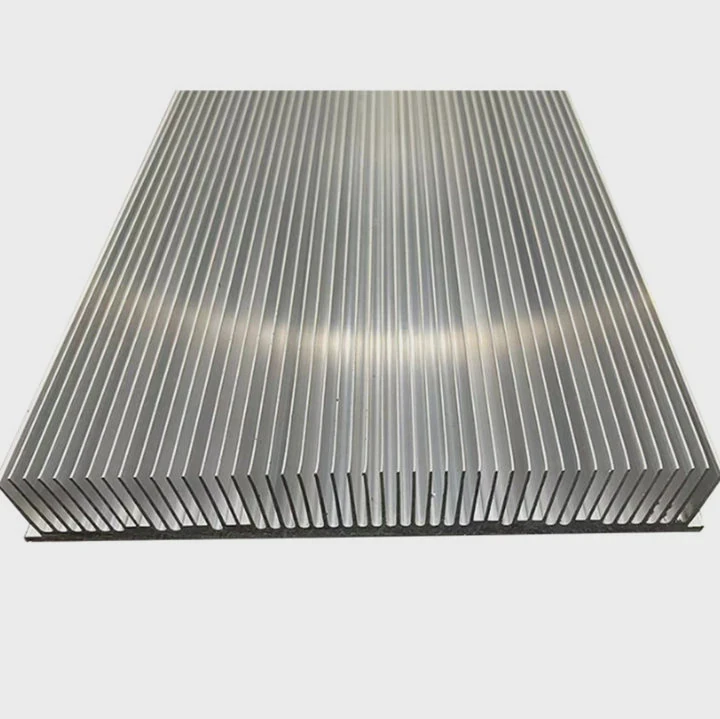
When a vapor chamber operates, it relies on vaporization and condensation inside, plus thin wall conduction. The inside surface and outside surface both matter. If external surface is not clean, when you mount the chamber to a heat source or sink, microscopic contamination can prevent full contact. That reduces heat transfer. Inside, contamination or residue can affect solder bonding or welding seams, causing weak seals or leaks.
Also, dust or particles inside before sealing can prevent full evacuation — leaving trapped gas or debris. That leads to inconsistent internal pressure or reduced vapor area. Over time, residue may react chemically with metal, leading to corrosion or degraded conductivity.
In practice, engineers have measured that a contaminated surface can reduce effective thermal conductivity by 10–30%. That means a vapor chamber expected to pass 300 W thermal load may drop to only 200 W capacity under identical conditions — risking thermal bottlenecks or overheating.
Hence, cleanliness is not optional. It is critical. Production and quality control must ensure surfaces meet strict cleanliness before any bonding or sealing step.
What cleaning methods ensure proper surface cleaning?
If surfaces must be extremely clean, then cleaning methods must be robust. Just wiping with a cloth is not enough. Many methods exist. Some use solvents, some use ultrasonic baths, some use plasma or acid etches. The method must remove oils, dust, oxides, and any residues. It must not leave new residues itself.
Effective cleaning methods include solvent degreasing, ultrasonic cleaning with deionized water rinse, acid or alkaline etch if oxide removal is needed, followed by final rinse and dry in clean environment.
Many manufacturers use a multi‑step cleaning process:
Common Cleaning Steps
- Solvent Degrease — use isopropyl alcohol (IPA) or acetone to remove oils, fingerprints, and grease.
- Ultrasonic Cleaning — submerge parts in a bath (water with mild detergent or cleaner). Sound waves shake loose particles stuck in micro crevices.
- Rinse — use deionized water to avoid leaving mineral deposits.
- Acid or Alkaline Etch (Optional) — if there is oxide or scale, a mild acid or alkaline bath may remove it. This must be well controlled to avoid pitting.
- Final Rinse and Dry — rinse again with DI water, then dry in a clean, dust-free oven or drying cabinet.
- Clean‑room Handling and Storage — after cleaning, parts should be handled with gloves and stored in clean bags or containers to avoid re‑contamination.
Comparison of Cleaning Methods
| Method | Removes | Risks / Limitations |
|---|---|---|
| Solvent wipe (IPA/Acetone) | Oils, fingerprints | May leave solvent residue if not fully evaporated; does not remove particles deeply embedded |
| Ultrasonic cleaning + DI water rinse | Oils, dust, particles | Needs clean bath and fresh DI water; risk of re‑contamination if water is impure |
| Acid/Alkaline etch | Oxides, scale | Risk of metal corrosion or pitting if too aggressive |
| Plasma cleaning (for advanced use) | Organic residues, thin oxide | Requires special equipment and may alter metal surface slightly |
In many high‑reliability vapor chamber lines, cleaning ends with ultrasonic cleaning and DI water rinse, then parts go straight to vacuum bake or soldering without air exposure. That ensures surfaces remain clean. Some lines add a final nitrogen blow or plasma clean just before bonding to ensure no hydrocarbon or moisture residual.
For my experience, parts cleaned this way show nearly zero particulate count under microscope and pass wipe tests. That gives high confidence in thermal performance and seal quality.
In some cases, quality control also includes measuring surface residue (for example using wipe sampling and weighing or ionic contamination tests). That confirms cleanliness level meets specification before assembly continues.
Are particles or residues problematic for vapor chamber sealing?
People might think small particles or minor residue do little harm. But in vapor chambers, even tiny defects matter. Sealing often uses soldering, welding, or diffusion bonding. Particles or residues disrupt the bonding surface. That can cause weak spots or leaks.
Yes — particles or residues can seriously compromise vapor chamber sealing quality, causing leaks, weak joints, or reduced service life.
Inside a vapor chamber, sealing creates a closed volume. That volume must remain vacuum or low pressure and support vapor flow. If a particle sits at a joint, the solder or weld may not fill around it, leaving a micro‑channel. That channel can leak or slowly outgas. Over time, pressure shifts and vapor flow becomes inefficient. In worst case, the chamber loses function.
Also residues like flux or cleaning chemical left on surface may break down under heat. They can form gases or corrosive products. That may weaken welds, corrode joints, or contaminate the working fluid inside. That reduces lifetime drastically.
Here is a breakdown in a simple list:
- Particles at joint → weak contact → leak path or void
- Residue film → poor wetting of solder/weld → incomplete bonding
- Residual flux chemicals → gas or corrosion under thermal cycling
- Trapped dust or moisture inside before sealing → pressure imbalance → poor vapor generation
In many quality failures, root cause is often trace contamination. That contamination may come from manufacturing, handling or storage. Even glove powder, dust from ambient air, or micro‑oil from tool contact can matter.
Therefore, before sealing, parts should be inspected visually (preferably under microscope), then cleaned if needed. Many factories also bake parts under vacuum to remove moisture or volatile residues. After that, they assemble in controlled environment (clean bench or glovebox). That process helps ensure no new contamination enters before sealing.
For high‑reliability products (like aerospace or medical cooling), sealing failure is unacceptable. So the cleaning and contamination control must be even stricter. That may include clean‑room class 1000 or better, particle monitoring, and gaseous residue checking.
Conclusion
Vapor chamber surfaces must be nearly spotless, free from dust, oils, oxidation or residues. Clean surfaces support good heat conduction and reliable sealing. Cleaning methods must be robust. Any particle or residue can reduce performance or cause leaks. High‑quality cleaning and control are essential for long‑term operation.
TAGS
Latest Articles

Volume discount levels for heat sink orders?
Buyers often ask when heat sink prices start to drop with volume. Many worry they’re overpaying for small orders. This guide explains how B2B volume pricing works for thermal components. Heat sink
21 Dec,2025
Heat sink long-term supply contract options?
Many buyers want stable pricing and reliable delivery for heat sinks. But without a clear contract, risks grow over time. This article explores how to secure better long-term supply deals. Long-term
21 Dec,2025
Tooling cost for new heat sink profiles?
Many engineers struggle to understand why tooling for custom heat sinks costs so much. They worry about budgeting and production timelines. This article breaks down the cost drivers behind tooling.
21 Dec,2025
Heat sink custom sample process steps?
Sometimes, starting a custom heat sink project feels overwhelming—too many steps, too many unknowns, and too many risks. You want a sample, but not endless delays. The process for requesting and
20 Dec,2025
Standard B2B terms for heat sink payments?
When buyers and sellers in B2B heat sink markets talk about payment, many don’t fully understand what’s standard. This can lead to delayed orders, miscommunication, and even lost business
20 Dec,2025
Heat sink pricing factors for large orders?
Heat sinks are vital for many systems. When prices rise, projects stall and budgets break. This problem can hit teams hard without warning. Large order heat sink pricing depends on many factors. You
20 Dec,2025Related Articles
- Is Vapor Chamber suitable for mass production?
- Vapor Chamber documentation required for customs
- Import duty for Vapor Chamber in Germany?
- Vapor Chamber packaging moisture tests?
- Vapor Chamber carton palletizing guide
- Vapor Chamber freight forwarder requirements
- Reliable bonding method for Vapor Chamber joints?
- Can Vapor Chamber be combined with heat sinks?
- Vapor Chamber for thermal cycling environments?
- Required energy evaluation for Vapor Chamber?
- Cost saving ideas for Vapor Chamber production?
- Vapor Chamber functional testing standards?
Author
Dr. Emily Chen
Chief AI Researcher
Leading expert in thermal dynamics and AI optimization with over 15 years of experience in data center efficiency research.
Categories
Latest Products






Recommend Categories
- Liquid cooling plate Manufacturer
- Industrial Heat Sink Manufacturer
- Standard Heat Sink Manufacturer
- Aluminum Heat Sink Manufacturer
- Copper Heat Sink Manufacturer
- Anodized Heatsink Manufacturer
- Stamping heat sink Manufacturer
- Die Casting Heatsink Manufacturer
- Soldering heat sink Manufacturer
- CNC Parts Manufacturer
Latest Products
- Wholesale Aluminum Radiator
- Water Cooling Plate Kit
- Water Cooling Heat Sink
- Water Cooling Heat Sink Kit
- Stainless Steel Water Distributor
- Server Water Cooling Plate Kit
- Server Liquid Cooling System
- Server Aluminum Cooling Kit
- S19 Full Cover Cooling Plate
- S19 Cooling Plate Kit
- S19 Aluminum Cooling Plate
Contact Expert
Have questions about this article? Reach out to our experts directly.