Is Vapor Chamber suitable for mass production?
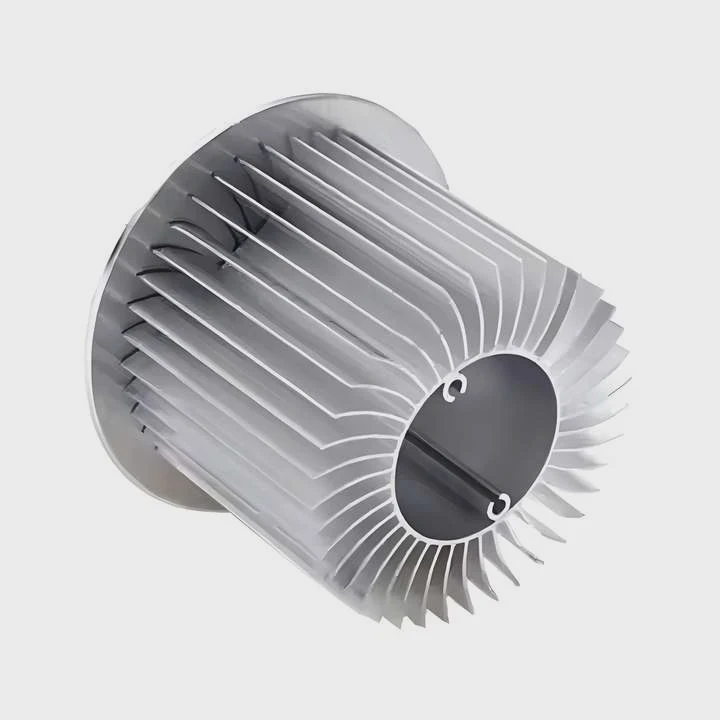
Vapor chambers are known for excellent thermal performance. But many engineers worry if they can be mass-produced at scale. Will high complexity always block large-volume applications?
Yes, vapor chambers can be used in mass production if the process is stable, cost is controlled, and yield is high.
Vapor chambers are no longer just for niche devices. Many industries now want them in volume. But success depends on solving specific production issues.
Can Vapor Chambers be efficiently produced at mass scale?
Rising demand often leads to the same concern: can these thermal devices be made at high volume with good cost and consistency?
Yes — with optimized processes and automation, vapor chambers can be efficiently manufactured in large quantities.
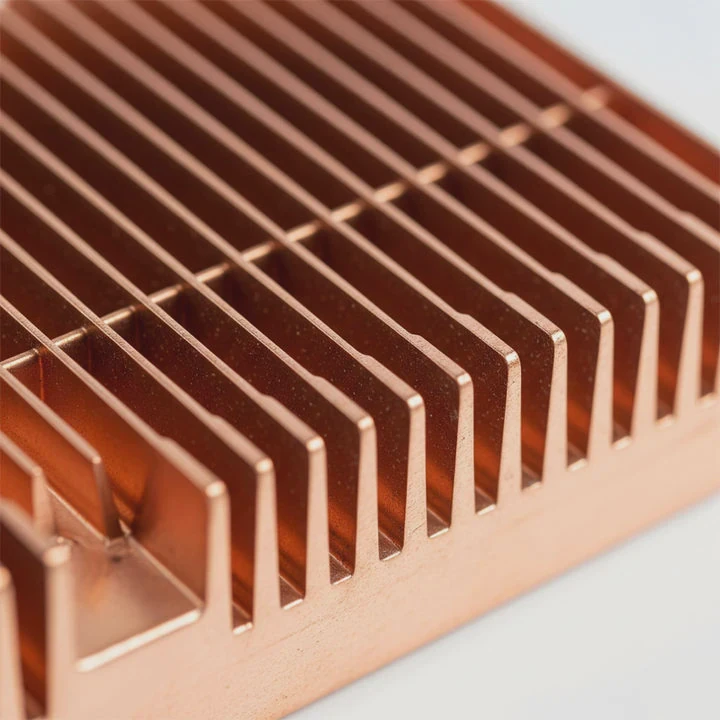
Vapor chamber production starts with forming the shell — usually aluminum or copper. Then the internal wick is added. After that, fluid is filled, and the chamber is sealed. These steps must be very precise.
Key points for scalable production
The process must be stable. Otherwise, each unit may need manual rework, which slows output and raises cost.
Some important features help efficiency:
- Standard designs allow reuse of tooling and setup
- Automation improves consistency and reduces labor
- Leak-free welding avoids scrap losses
- High process yield keeps unit cost under control
Automation makes a big difference. When filling, sealing, and leak testing are done by machines, speed and consistency improve. Human error drops. That leads to a repeatable process.
Also, when part geometry is standardized, one production line can make many variants. This helps absorb tooling cost. Over time, as yield improves, cost per unit drops.
This is why some vapor chamber producers already reach 50,000+ units per month with stable quality.
What challenges hinder mass-production of Vapor Chambers?
Some think vapor chambers are too fragile or too complex for high volume. That idea is not wrong — if key issues are not solved.
Yes — many challenges like sealing accuracy, leak testing, and wick consistency can block or slow down mass production.
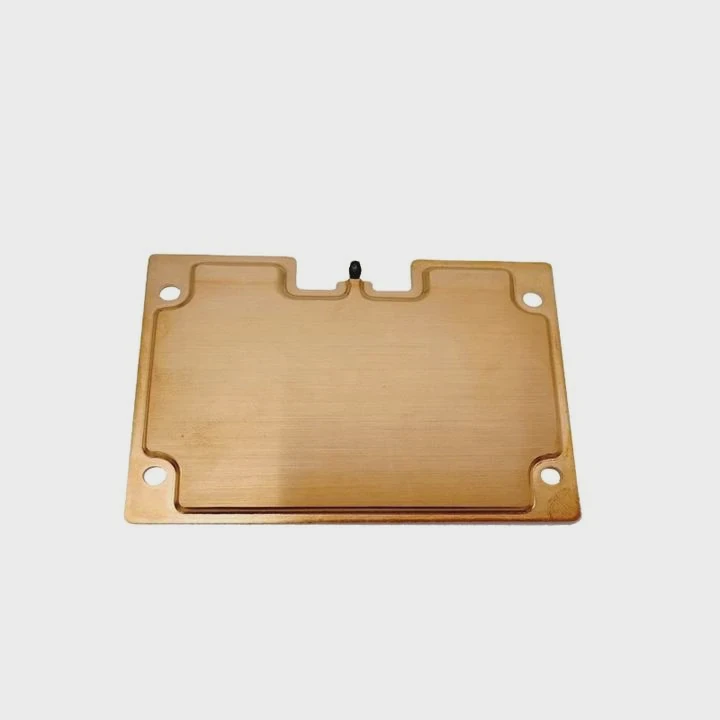
Mass production only works when failure rates are low. With vapor chambers, several areas are prone to defects.
Common production risks
- Sealing issues: Vacuum and fluid must stay inside. Any micro-leak ruins the product.
- Inconsistent wicks: Wick structure must repeat in every unit for equal heat transfer.
- Manual steps: Too much human work leads to variation and slow cycle time.
- Vacuum fill issues: Filling the exact amount of fluid under the right pressure is not easy.
- Testing delay: Leak and function tests can become a bottleneck.
Failures in any of these steps reduce yield. When yield drops, cost per good unit goes up.
Here is a simple summary:
| Problem Area | Effect on Mass Production |
|---|---|
| Leak at seal | Rejection of unit, scrap loss |
| Non-uniform wick | Different thermal performance |
| Manual process steps | Slower cycle time, higher variation |
| Low test capacity | Delays and hidden failures |
Solutions in practice
To solve this, producers now use:
- Laser welding for clean, repeatable seals
- Sintered powder beds formed by molds for consistent wicks
- In-line leak testing systems with pressure decay or helium detection
- Vacuum filling chambers to dose fluid accurately
When these tools are integrated, the process becomes repeatable. That is the key to scaling up without quality problems.
Is the unit cost of large-scale Vapor Chamber dropping?
Every company wants to know — will cost go down if we increase quantity? That’s not always true, unless the process is ready.
Yes — vapor chamber unit cost can drop significantly with stable high-yield production and good tooling amortization.
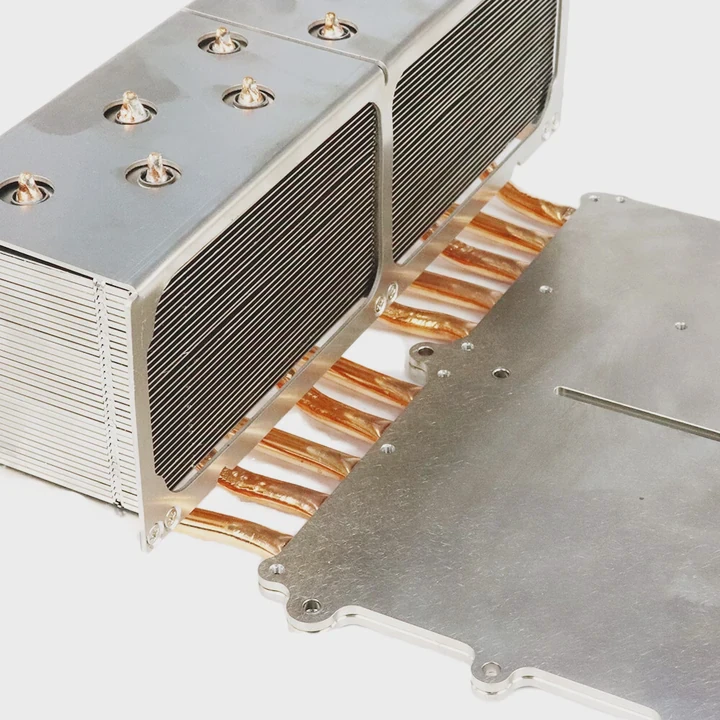
When production volume rises, several things help reduce cost:
- Tooling amortization — the cost of machines and molds spreads over more units.
- Labor efficiency — machines reduce per-unit labor hours.
- Bulk buying — raw materials become cheaper at scale.
- Improved yield — more good units mean less waste per batch.
Here’s an estimated cost trend:
| Monthly Volume | Cost per Unit (USD) |
|---|---|
| 1,000 units | $45.00 |
| 10,000 units | $22.00 |
| 50,000 units | $15.00 |
| 100,000 units | $12.00 |
Why cost doesn’t drop automatically
Unit cost only falls when these things happen together:
- Yield stays above 95%
- No major rework per batch
- Tooling is reused across models
- Cycle time is short per unit
If a factory increases volume without solving defect issues, cost can even rise. That’s why scaling up must be planned. Cost improvement is not automatic.
Over time, factories that invest in process automation and test systems see better results. Their vapor chamber cost drops below $15 per unit. That’s when mass market applications, like EVs or 5G devices, become realistic.
Do tooling and yield affect mass production feasibility?
Some think vapor chamber cost is only about materials. But tooling and yield often decide the real cost per unit.
Yes — mass production only works when tooling is reliable and yield is consistently high.
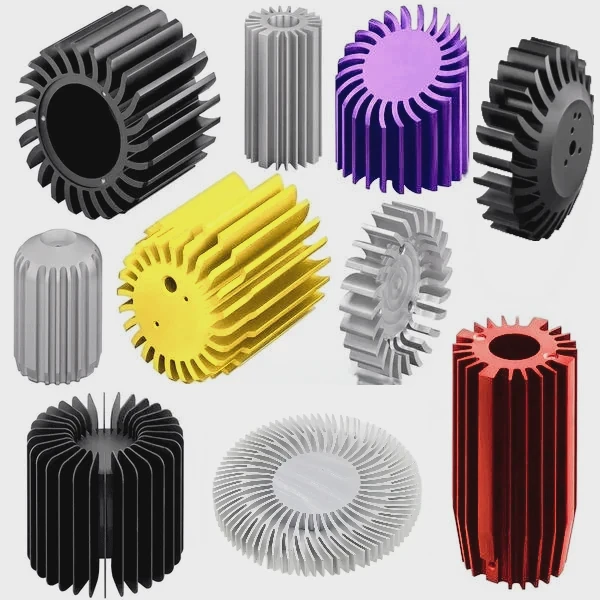
Tooling affects how stable and fast the process runs. If tooling is weak or inconsistent, then defects rise. And low yield ruins the cost structure.
Tooling: upfront cost vs long-term value
A full vapor chamber line needs:
- Shell forming dies
- Wick mold fixtures
- Welding jigs
- Leak test rigs
- Vacuum fill systems
- Pressure inspection machines
Let’s say the total tooling cost is \(200,000. If only 5,000 units are made, each unit must bear \)40 of that cost. But if 100,000 units are made, the tooling cost adds only $2 per unit.
Tooling pays off only at volume. So you need a clear production plan.
Yield: small change, big effect
Even 5% drop in yield can add 10% to per-unit cost. Here’s a simple example:
| Yield (%) | Cost per Good Unit (Base: $12 at 100%) |
|---|---|
| 100% | $12.00 |
| 95% | $12.63 |
| 90% | $13.33 |
| 85% | $14.12 |
Each failed unit costs money, materials, time, and energy. High yield is not a bonus — it is required.
Summary of feasibility
Mass production works only when:
- Tooling is strong and repeatable
- Design is stable across batches
- Yield is above 95%
- Downtime is low
- Scrap rate is under 3%
If not, vapor chambers remain niche. When these are done right, cost, speed, and scale align. That’s when vapor chambers become ready for the mainstream.
Conclusion
Vapor chambers are suitable for mass production only when tooling, process control, and yield are optimized. When done right, cost per unit falls, and volume can grow without loss in quality.
TAGS
Latest Articles

Volume discount levels for heat sink orders?
Buyers often ask when heat sink prices start to drop with volume. Many worry they’re overpaying for small orders. This guide explains how B2B volume pricing works for thermal components. Heat sink
21 Dec,2025
Heat sink long-term supply contract options?
Many buyers want stable pricing and reliable delivery for heat sinks. But without a clear contract, risks grow over time. This article explores how to secure better long-term supply deals. Long-term
21 Dec,2025
Tooling cost for new heat sink profiles?
Many engineers struggle to understand why tooling for custom heat sinks costs so much. They worry about budgeting and production timelines. This article breaks down the cost drivers behind tooling.
21 Dec,2025
Heat sink custom sample process steps?
Sometimes, starting a custom heat sink project feels overwhelming—too many steps, too many unknowns, and too many risks. You want a sample, but not endless delays. The process for requesting and
20 Dec,2025
Standard B2B terms for heat sink payments?
When buyers and sellers in B2B heat sink markets talk about payment, many don’t fully understand what’s standard. This can lead to delayed orders, miscommunication, and even lost business
20 Dec,2025
Heat sink pricing factors for large orders?
Heat sinks are vital for many systems. When prices rise, projects stall and budgets break. This problem can hit teams hard without warning. Large order heat sink pricing depends on many factors. You
20 Dec,2025Related Articles
- Vapor Chamber documentation required for customs
- Import duty for Vapor Chamber in Germany?
- Vapor Chamber packaging moisture tests?
- Vapor Chamber carton palletizing guide
- Vapor Chamber freight forwarder requirements
- Vapor Chamber road transport limitations
- How clean should Vapor Chamber surfaces be?
- Reliable bonding method for Vapor Chamber joints?
- Can Vapor Chamber be combined with heat sinks?
- Vapor Chamber for thermal cycling environments?
- Required energy evaluation for Vapor Chamber?
- Cost saving ideas for Vapor Chamber production?
Author
Dr. Emily Chen
Chief AI Researcher
Leading expert in thermal dynamics and AI optimization with over 15 years of experience in data center efficiency research.
Categories
Latest Products






Recommend Categories
- Liquid cooling plate Manufacturer
- Industrial Heat Sink Manufacturer
- Standard Heat Sink Manufacturer
- Aluminum Heat Sink Manufacturer
- Copper Heat Sink Manufacturer
- Anodized Heatsink Manufacturer
- Stamping heat sink Manufacturer
- Die Casting Heatsink Manufacturer
- Soldering heat sink Manufacturer
- CNC Parts Manufacturer
Latest Products
- Wholesale Aluminum Radiator
- Water Cooling Plate Kit
- Water Cooling Heat Sink
- Water Cooling Heat Sink Kit
- Stainless Steel Water Distributor
- Server Water Cooling Plate Kit
- Server Liquid Cooling System
- Server Aluminum Cooling Kit
- S19 Full Cover Cooling Plate
- S19 Cooling Plate Kit
- S19 Aluminum Cooling Plate
Contact Expert
Have questions about this article? Reach out to our experts directly.