Vapor Chamber for thermal cycling environments?
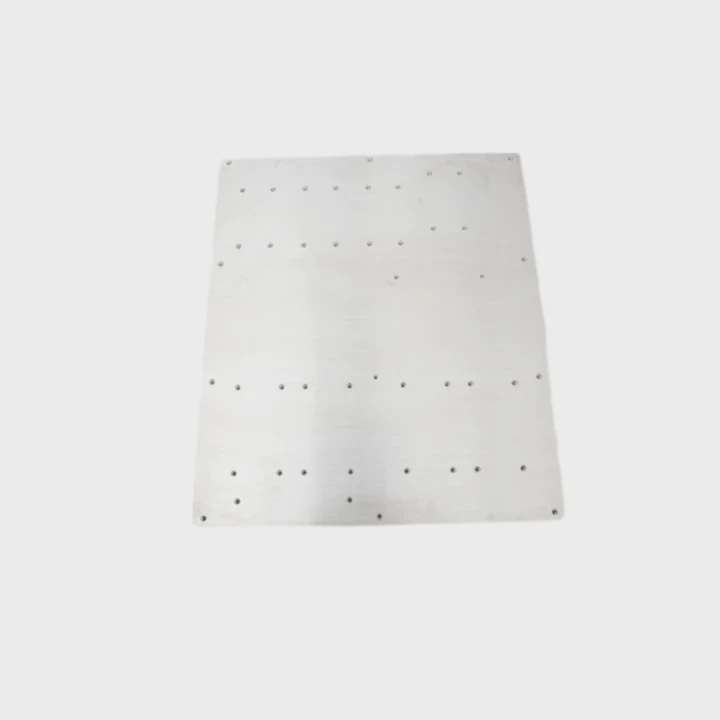
Sometimes systems see big jumps in temperature over and over. That can break down cooling parts fast. Vapor chambers promise strong heat spread. But can they survive repeated temperature swings without leaking or losing performance?
Yes, vapor chambers can be suitable in thermal‑cycling environments. With proper design, fill fluid, and testing, they handle repeated swings while keeping good heat spread and integrity.
Read on to learn why they work, what risks you must avoid, and how to test them.
Are Vapor Chambers suitable for environments with thermal cycling?
Sometimes heat systems must deal with repeated changes between hot and cold. Vapor chambers aim to spread heat evenly and quickly. This part looks at whether they fit such jobs.
Vapor chambers remain a strong option when systems face thermal cycles, as long as manufacturing quality, fluid, and sealing are correct. They can absorb stress and still spread heat evenly.
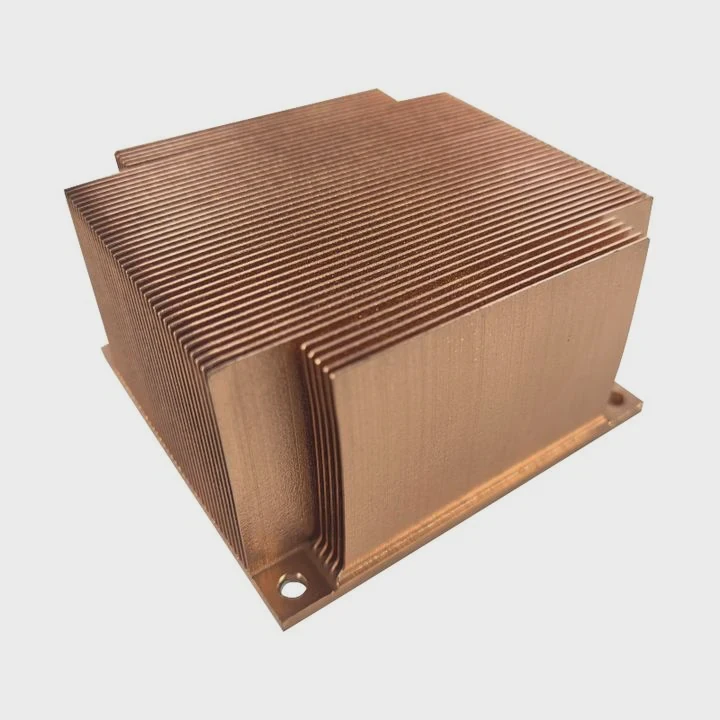
Thermal cycles mean the device heats up and cools down many times. Each cycle changes the inner pressure and size of parts. Vapor chambers hold fluid and vapor inside. Good ones rely on tight welds or braze joints, a robust wick, and stable fluid.
If a vapor chamber is built well, it handles stress. The metal shell expands or contracts when temperature changes. Good welds keep edges sealed. The wick provides capillary action so fluid moves and returns. The vapor space above fluid adjusts pressure. So the chamber keeps moving heat out even when temperature swings.
Many thermal‑management systems use vapor chambers in laptops, servers, or power electronics. These systems go through heating at load and cooling during idle. Engineers choose vapor chambers because they give stable performance under cyclic loads.
But not all vapor chambers survive cycles well. Cheap ones may have weak welds. A bad wick or wrong fluid might degrade. If seams leak, the chamber fails. If fluid dries out or gets blocked, heat spread drops. The chamber may look fine but work badly.
Thus suitability depends less on the idea of vapor chamber itself and more on how it’s made. A well‑made vapor chamber, with good materials and controls, offers durability through cycles. Low‑cost or poorly made ones may fail fast.
In short, vapour chambers can be suitable for thermal cycling if design and manufacturing quality are carefully controlled.
How do repeated temperature swings affect Vapor Chambers?
Thermal cycling causes stress inside the chamber. This part explains what changes happen over time when temperature swings repeat many times.
Repeated temperature swings can stress the metal shell, the welds, the wick, and fill fluid. Over many cycles, these parts may degrade, cause leaks, or reduce heat transfer performance.
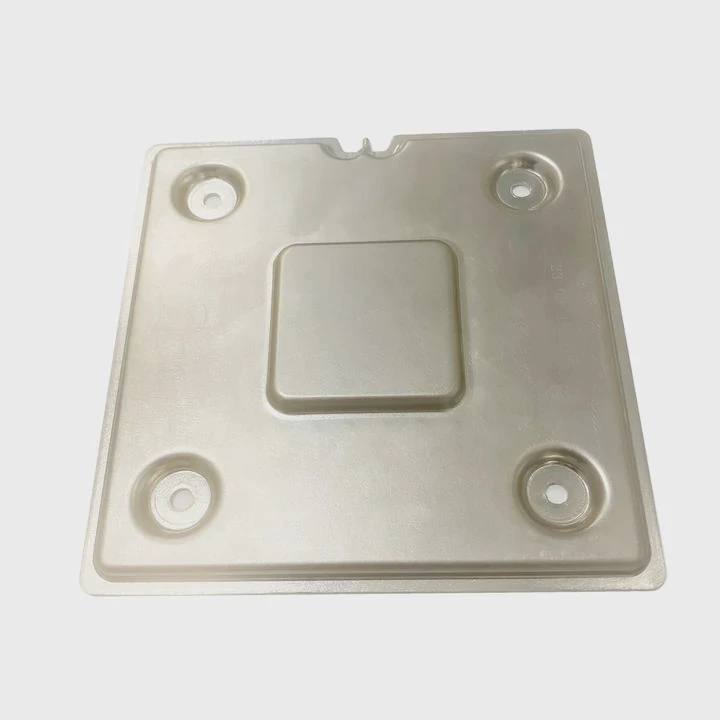
What happens inside
When temperature rises, metal expands. When it cools, it shrinks. This repeated expansion and contraction affects parts differently:
- The outer shell sees stress at corners and joints.
- Weld seams or brazed areas may open tiny gaps.
- The wick inside can deform or change pore structure over many cycles.
- Fill fluid may see pressure swings, vaporizing at high temperature and condensing at low.
All these lead to possible problems.
Risks over many cycles
Leakage
If welds or seams get micro cracks, vapor or fluid may leak. Then the chamber cannot work.Wick deformation or drying
The wick is usually metal mesh or sintered powder. Over cycles, the mesh may shift. Small voids may appear. This reduces capillary action. Fluid may not return properly. Poor fluid return reduces heat transfer.Fluid degradation
Some fluid may react over time, especially if impurities are present. Repeated boiling and condensation can build deposits. These deposits may block wick pores or change surface wetting.Pressure cycling stress
The vapor space sees pressure changes. Over many cycles, this stresses the sealing. If sealing fails, the chamber loses fluid or vacuum, so it stops working.Performance drop without visible leak
Sometimes no leak is visible. The chamber may look sealed. But wick blockage or partial fluid loss reduces thermal performance. The device may overheat under load, though the chamber appears fine.
Example of performance degradation over cycles
Here is a simple table that sketches a hypothetical case over cycles:
| Cycle Count | Shell & Joint Integrity | Wick Condition | Fluid State | Heat Transfer Efficiency |
|---|---|---|---|---|
| 0 (new) | Perfect welds | Full porosity, uniform | Stable fluid/vapor ratio | 100% |
| 100 cycles | Slight stress | Slight pore shift | Fluid clean | ≈ 98–100% |
| 500 cycles | Minor micro‑stress | Some shifts, small voids | Fluid may start slight deposit | ≈ 95–98% |
| 1,000 cycles | Micro cracks possible | Wick porosity degrades | Deposit forming | ≈ 90–95% |
| 5,000 cycles | Risk of leak | Wick may lose capillary flow | Possible fluid loss | < 85% or failure |
That shows how performance may degrade over time.
Therefore repeated temperature swings affect both the structure and function of a vapor chamber. If one cares about long life in cyclic environments, one must plan for testing, materials, and manufacturing quality.
In many real applications, engineers accept some performance loss over time. But they want failure only after many thousands of cycles. That requires conservative design.
What testing ensures Vapor Chamber reliability under thermal cycling?
To make sure a vapor chamber lasts under cycles, engineers perform tests. This section shows what tests are common and what they check.
Standard reliability tests use repeated thermal cycles and performance checks. Proper testing finds leaks, wick problems, or fluid loss before real use.
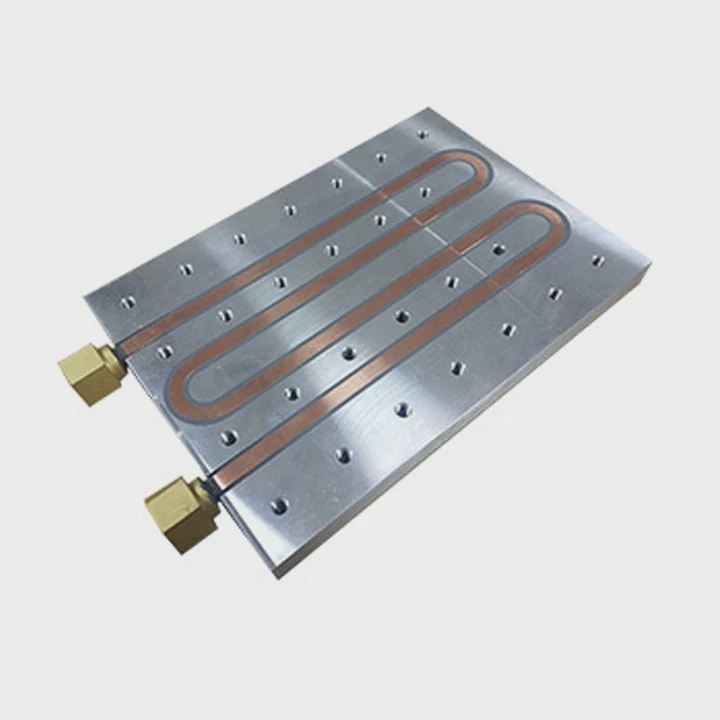
Typical test procedures
Thermal cycle chamber test: The vapor chamber is placed in a test oven or chamber. Temperature cycles between low and high extremes — for example, –40 °C to +85 °C. The cycle repeats for hundreds or thousands of cycles.
Leak check after cycle blocks: At regular intervals (say every 100 or 500 cycles), the chamber is removed and checked for leaks. This uses vacuum leak detectors or pressure decay methods.
Thermal performance tests: After cycles, the thermal resistance of the chamber is measured under a defined heat load. Engineers compare performance to baseline values. A drop beyond a threshold marks failure.
Wick and fluid inspection: For destructive tests, the chamber may be opened after cycles. Then engineers inspect the wick structure for deformation, voids, or collapse. They also check fluid residue for deposits or dryness.
Example of test plan
Here is a table that shows a sample test plan for reliability verification:
| Test Stage | Conditions | Purpose | Pass/Fail Criterion |
|---|---|---|---|
| Initial leak test | Vacuum or pressure test, room temp | Ensure initial sealing integrity | No leak detected |
| 500 cycles | –40 °C ↔ +85 °C, dwell 30 min at extremes | Simulate early life cycling | No leak, thermal resistance drop <5% |
| 2,000 cycles | –40 °C ↔ +85 °C, dwell 30 min | Simulate long‑term stress | No leak, thermal resistance drop <10% |
| Destructive test | Open chamber after cycles | Inspect wick and fluid condition | Wick intact, fluid and pores look normal |
That kind of plan helps catch failures early.
Why testing matters
Without testing, a vapor chamber might appear good at assembly. But over months or years in real use, small problems will show. Maybe heat spread goes down. Maybe leak develops. Or wick is partially blocked. Without tests, these issues show up in the field. That can cause system failure, overheating, or warranty problems.
Testing builds confidence. Manufacturers and buyers know the chamber survives repeated cycles. Buyers can trust that the product will perform years under temperature swings.
Hence testing is not optional if vapor chamber goes to a thermal‑cycling environment. It is necessary for reliability.
Does wick structure or fill fluid choice matter for cyclic durability?
Inside a vapor chamber, the wick and the fluid matter a lot. This section looks at how they affect durability under cycles.
Yes. Wick design and fluid type strongly affect how well a vapor chamber survives thermal cycles. Correct wick and fluid make the difference between long life and early failure.
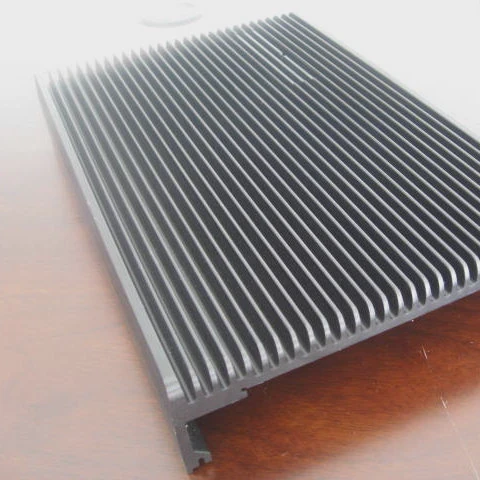
Why wick matters
The wick moves liquid by capillary action. If the wick pores stay intact and fluid wets them well, fluid returns from condensation area to evaporation area. If wick fails, fluid pooling or dry out can happen. That kills heat spread.
Different wick types have pros and cons:
- Mesh wick: Metal mesh layers. Pros: stable pore size, easy manufacturing. Cons: Over cycles mesh can deform.
- Sintered powder wick: Powder metal or copper sintered. Pros: uniform pore structure, good capillarity. Cons: More sensitive to manufacturing defects.
- Grooved wick or hybrid: Channels combined with capillary structure. Pros: helps fluid flow under tilt or gravity. Cons: complexity higher.
Wick and cyclic stress
When temperature cycles, the chamber shell moves. The wick is attached or pressed to shell walls or base. That motion can compress or stretch wick. Over many cycles, the pore geometry shifts. That reduces flow. Also metal fatigue in wick can occur, though less likely than shell fatigue.
If the wick detaches slightly or shifts, parts of wick may dry out. Then heat cannot be removed from hot spot. That leads to hot spots or poor cooling.
Why fluid matters
Fill fluid properties are critical. Good fluid:
- Has low freezing point if low‑temperature cycles exist.
- Has stable boiling point under operating temperature range.
- Does not react or degrade with container metal.
- Has good wetting on wick surfaces.
If fluid freezes at low temperature, it may damage wick or shell by volume change. If fluid degrades chemically, deposits can block wick pores.
Some common fluids: distilled water (for typical range), alcohols or glycol mixtures (for low temperature), refrigerants (for special thermal loads), or engineered fluids for high temperature.
Matching fluid to cycle range
For example, if system cycles between –40 °C and +85 °C, distilled water may freeze at the low end. That can crack wick or shell. In that case, use a fluid with lower freezing point. But that fluid must still evaporate and condense reliably at high end.
If cycles are mild (say 0 °C to +70 °C), water may be fine. If system is high power and reaches 120 °C, need special fluid stable at high temp.
Combined effects of wick and fluid over cycles
If wick and fluid are well matched, the vapor chamber handles cycles. The wick moves fluid always. Fluid evaporates and condenses as needed. The chamber remains sealed.
If wick is weak or fluid poorly chosen, cycles cause slow degradation:
- Wick pore shift or collapse.
- Fluid residue or dry spots.
- Poor wetting, causing dry zones.
- Metal fatigue in wick or shell especially at joints or welds.
Suggestion for design teams
When designing for cyclic environments:
- Choose wick type carefully. Sintered wick often more stable long‑term. It keeps structure under stress.
- Pick fluid with suitable freezing/boiling points. Validate boiling/condensation under expected heat load.
- Test wick adhesion and structural integrity under cycles.
- Use high‑quality sealing and welding.
I use these rules when I pick vapor chambers for high‑reliability jobs. I watch flame points, freezing points, wick porosity and uniformity. I avoid cheap mesh wicks for harsh cycle jobs.
Conclusion
Vapor chambers can work well in thermal cycling environments if they are built right. Wick structure, fill fluid, sealing and test work matter most. If you design and test well, you get long‑term heat spread and reliability even after thousands of cycles.
TAGS
Latest Articles

Volume discount levels for heat sink orders?
Buyers often ask when heat sink prices start to drop with volume. Many worry they’re overpaying for small orders. This guide explains how B2B volume pricing works for thermal components. Heat sink
21 Dec,2025
Heat sink long-term supply contract options?
Many buyers want stable pricing and reliable delivery for heat sinks. But without a clear contract, risks grow over time. This article explores how to secure better long-term supply deals. Long-term
21 Dec,2025
Tooling cost for new heat sink profiles?
Many engineers struggle to understand why tooling for custom heat sinks costs so much. They worry about budgeting and production timelines. This article breaks down the cost drivers behind tooling.
21 Dec,2025
Heat sink custom sample process steps?
Sometimes, starting a custom heat sink project feels overwhelming—too many steps, too many unknowns, and too many risks. You want a sample, but not endless delays. The process for requesting and
20 Dec,2025
Standard B2B terms for heat sink payments?
When buyers and sellers in B2B heat sink markets talk about payment, many don’t fully understand what’s standard. This can lead to delayed orders, miscommunication, and even lost business
20 Dec,2025
Heat sink pricing factors for large orders?
Heat sinks are vital for many systems. When prices rise, projects stall and budgets break. This problem can hit teams hard without warning. Large order heat sink pricing depends on many factors. You
20 Dec,2025Related Articles
- Can Vapor Chamber be combined with heat sinks?
- Reliable bonding method for Vapor Chamber joints?
- How clean should Vapor Chamber surfaces be?
- Is Vapor Chamber suitable for mass production?
- Vapor Chamber documentation required for customs
- Import duty for Vapor Chamber in Germany?
- Required energy evaluation for Vapor Chamber?
- Cost saving ideas for Vapor Chamber production?
- Vapor Chamber functional testing standards?
- Estimated lifespan of Vapor Chamber in industry?
- Vapor Chamber technical support availability?
- Is Vapor Chamber recyclable material?
Author
Dr. Emily Chen
Chief AI Researcher
Leading expert in thermal dynamics and AI optimization with over 15 years of experience in data center efficiency research.
Categories
Latest Products






Recommend Categories
- Liquid cooling plate Manufacturer
- Industrial Heat Sink Manufacturer
- Standard Heat Sink Manufacturer
- Aluminum Heat Sink Manufacturer
- Copper Heat Sink Manufacturer
- Anodized Heatsink Manufacturer
- Stamping heat sink Manufacturer
- Die Casting Heatsink Manufacturer
- Soldering heat sink Manufacturer
- CNC Parts Manufacturer
Latest Products
- Wholesale Aluminum Radiator
- Water Cooling Plate Kit
- Water Cooling Heat Sink
- Water Cooling Heat Sink Kit
- Stainless Steel Water Distributor
- Server Water Cooling Plate Kit
- Server Liquid Cooling System
- Server Aluminum Cooling Kit
- S19 Full Cover Cooling Plate
- S19 Cooling Plate Kit
- S19 Aluminum Cooling Plate
Contact Expert
Have questions about this article? Reach out to our experts directly.