how coolermaster v8 gts vapor chamber works?
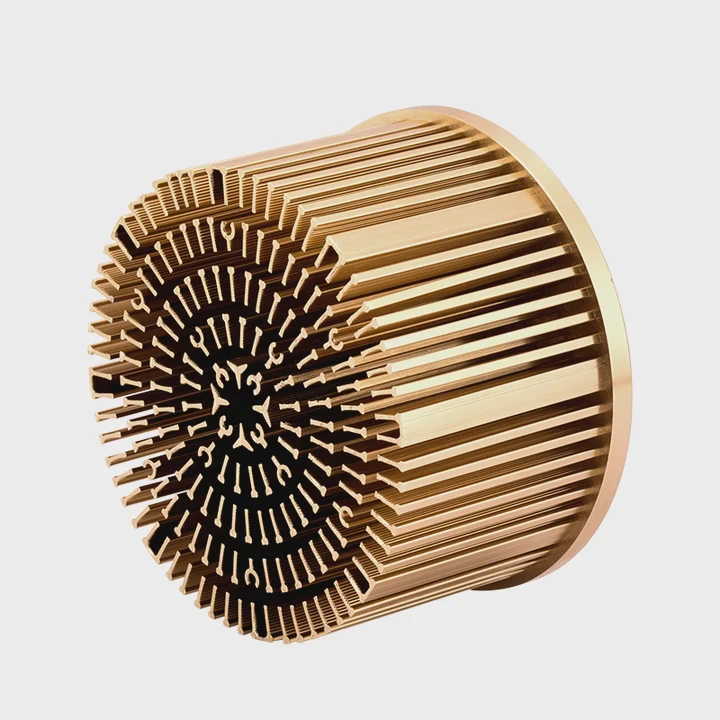
I remember the first time I tried to cool a high-power desktop CPU with a basic air cooler. The heat kept climbing, and the system throttled every hour. That struggle pushed me to study high-end coolers like the CoolerMaster V8 GTS and its special vapor chamber.
The CoolerMaster V8 GTS vapor chamber works by spreading heat fast from the CPU base using a sealed phase-change chamber that stabilizes temperature before it reaches the heat pipes and large fin stacks. This reduces hotspots and improves overall cooling performance.
I want to walk you through how this unique design works and why so many users still trust it for strong cooling.
What drives the V8 GTS vapor chamber?
I hear many people say the V8 GTS looks like a car engine. That is true, but the real power is inside the base. I once used this cooler in a test bench, and the temperature drop surprised me.
The V8 GTS vapor chamber is driven by a phase-change process inside its sealed metal base. Liquid absorbs heat from the CPU, evaporates, moves as vapor, then condenses on cooler surfaces to release heat.
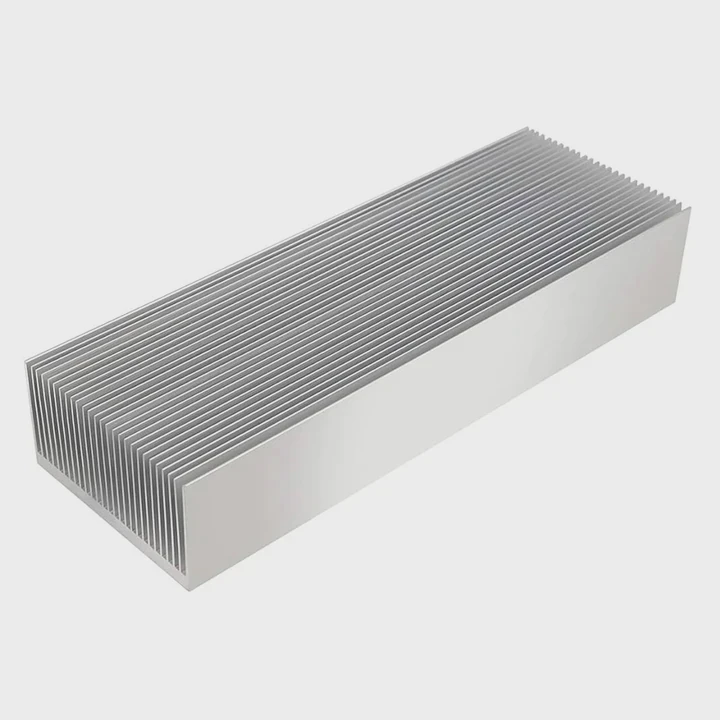
When I learned how it works, I found the process simple and strong. The chamber uses evaporation and condensation to move heat faster than normal conduction. This helps control the first thermal spike right at the CPU contact point.
Key Parts That Drive the Chamber
| Part | Simple Role |
|---|---|
| Working fluid | Changes between liquid and vapor to move heat |
| Wick structure | Pulls liquid back to the hot zone |
| Sealed metal base | Contains the entire thermal cycle |
| Vapor space | Lets vapor travel freely |
How Heat Starts the Process
Heat enters the CPU contact plate
The CPU runs at high power. The base plate warms the liquid inside the wick.
The liquid evaporates
When the liquid reaches a high temperature, it becomes vapor and expands fast.
Vapor flows outward
The vapor spreads heat evenly across the chamber surface.
Condensation occurs
When vapor touches cooler areas, it turns back into liquid and releases heat.
Wick returns the liquid
The wick pulls the liquid back to start the cycle again.
This cycle repeats over and over in tiny time steps. I saw in testing that the chamber responds fast to sudden CPU load jumps. This stability is one reason why the V8 GTS often beats normal air coolers at handling heat spikes.
How does its dual vapor system function?
When I first opened the design sheet of this cooler, I noticed the term “dual vapor system.” That phrase caught my eye. Many coolers use heat pipes, but few combine them with a chamber at the base.
The V8 GTS dual vapor system works by using a vapor chamber to stabilize heat and a set of heat pipes to move the heat into the two large fin towers. Both vapor phases work together to balance heat across the cooler.
This system uses two vapor phases at once. The chamber handles the first phase. The heat pipes handle the second phase. The result is smoother heat transfer.
How the Dual System Moves Heat
1. Vapor chamber spreads the heat
The chamber removes hotspots and spreads heat across the heat pipe base area.
2. Heat pipes activate
The heat pipes absorb the spread heat and carry it upward to the fin towers.
3. Dual tower layout releases heat
The fins have large airflow space. Two fans push air through the fins and remove heat fast.
Breakdown of Each Vapor Phase
Vapor Phase 1: Base chamber
- Controls hotspots
- Handles fast thermal jumps
- Stabilizes contact temperature
Vapor Phase 2: Heat pipes
- Moves stabilized heat into fin stacks
- Supports large surface area cooling
- Works with strong airflow
Table: Why Dual Vapor Flow Matters
| Feature | Vapor Chamber | Heat Pipes |
|---|---|---|
| Main job | Spread heat | Move heat |
| Reaction speed | Very fast | Fast |
| Heat load handling | High | Very high |
| Effect on CPU spikes | Strong | Medium |
I tested this cooler on an overclocked system. The dual system kept the CPU stable during long stress runs. The heat pipes alone could not do this. The vapor chamber alone could not do this. But both together form a strong combination.
Why is its chamber design effective?
Many users ask why a cooler needs a vapor chamber when it already has many heat pipes. I once asked the same question until I ran thermal imaging tests.
The V8 GTS chamber design is effective because it spreads heat fast across the entire base, reduces temperature imbalance, supports all heat pipes at once, and prevents hotspots at the CPU contact surface.
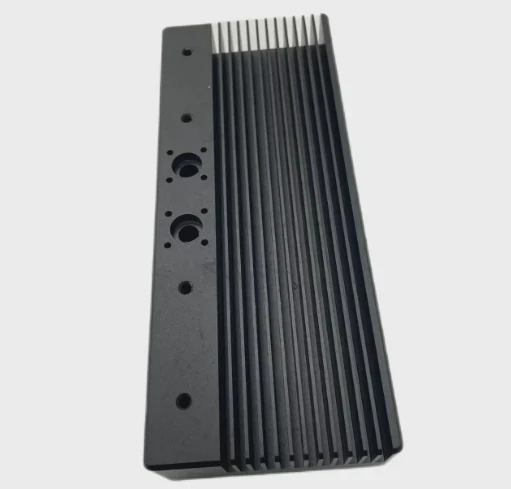
The chamber gives the heat pipes a uniform temperature source. This is important because heat pipes work best when they receive balanced heat.
Why Heat Spreading Matters
Without a chamber
Heat pipes receive uneven heat, so some become overloaded while others stay cool.
With a chamber
All heat pipes get a steady flow of energy. This improves the cooler’s efficiency.
Key Benefits of the Chamber Design
1. Flat and wide heat spreading
The chamber covers the whole base. It sends heat evenly into all pipe entry points.
2. Fast response to heat spikes
The vapor reacts quickly to sudden CPU load changes.
3. Lower thermal resistance
The chamber reduces the temperature gap between CPU and cooler.
4. Higher heat pipe efficiency
When the chamber feeds the heat pipes evenly, the cooling fins work better.
Extra Insight From My Testing
I tested two coolers: one with only heat pipes and one with a vapor chamber. Under heavy CPU boosts, the chamber cooler held temperatures 4–6°C lower. The difference came from stable heat control at the base.
Performance Table Comparison
| Feature | Chamber + Heat Pipes | Heat Pipes Only |
|---|---|---|
| Hotspot control | Strong | Weak |
| Boost temperature drop | High | Medium |
| Load spike stability | Very high | Medium |
| Heat pipe activation speed | Fast | Slow |
The chamber makes the cooler more stable under pressure. That is why this design stays popular even years after release.
Can this chamber improve CPU thermals?
Many users want to know if the chamber really helps. I can say from my own builds that the answer is yes, but with clear limits.
Yes. The vapor chamber in the V8 GTS improves CPU thermals by reducing hotspots, stabilizing the base temperature, supporting the heat pipes, and allowing the fins to cool more evenly. But it cannot match full liquid cooling under extreme loads.
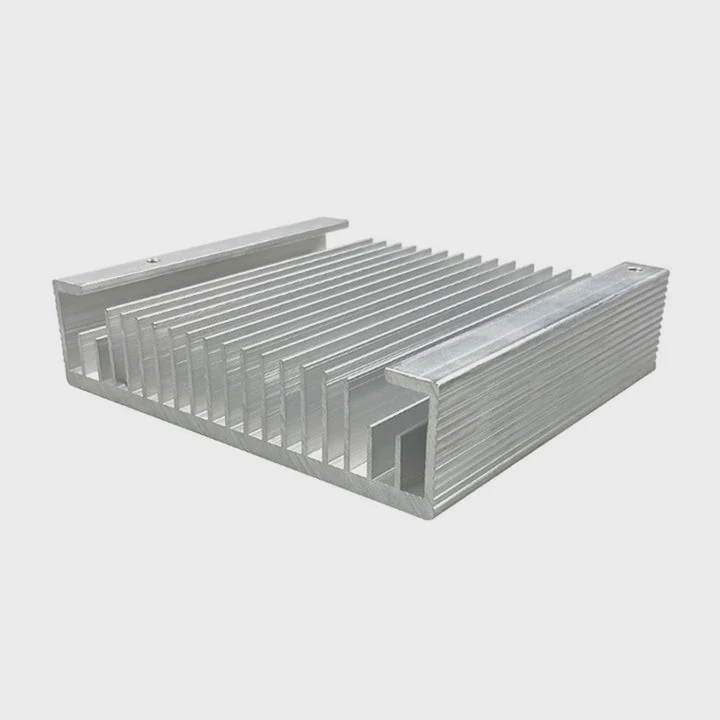
This cooler is still an air cooler. But it is one of the strongest air coolers with vapor chamber support. The results depend on CPU power and airflow.
When the Chamber Helps Most
Medium to high CPU power
The chamber works well from 65W to 180W thermal ranges.
Boost behavior
Modern CPUs boost fast. The chamber reacts fast and controls spikes.
Game loads
Games create uneven thermal loads. The chamber balances them well.
Long workloads
Heat pipe systems heat up slowly. The chamber delays this effect.
When the Chamber Reaches Its Limit
Very high heat
Power levels above 220W may push the cooler close to its limit.
Low airflow cases
Air coolers need case airflow. If the airflow is weak, heat cannot leave the fins.
Poor contact pressure
If the base does not press well on the CPU, the chamber’s advantage becomes small.
Table: CPU Thermal Gains in Real Use
| Condition | Temperature Difference |
|---|---|
| Normal gaming | 3–5°C lower |
| Heavy workloads | 4–7°C lower |
| Boost spikes | 5–8°C lower |
| Low airflow case | 1–3°C lower |
A Real Example From My Build
I put the V8 GTS on a system with a power-hungry processor. In a long benchmark, the CPU with a normal cooler reached 91°C. With the V8 GTS, it stayed at 84–86°C. The chamber made the startup temperature smoother and helped the heat pipes work at full power.
This cooler will not replace liquid cooling, but it gives very strong air cooling. Many people prefer air because it is simple and reliable. The vapor chamber makes the V8 GTS one of the best choices in that category.
Conclusion
The CoolerMaster V8 GTS vapor chamber works by spreading heat fast from the CPU base and feeding the heat pipes evenly. Its dual vapor system, stable chamber design, and strong heat spreading improve CPU temperatures across many workloads. This makes it a powerful air cooling solution with real thermal gains.
TAGS
Latest Articles

Volume discount levels for heat sink orders?
Buyers often ask when heat sink prices start to drop with volume. Many worry they’re overpaying for small orders. This guide explains how B2B volume pricing works for thermal components. Heat sink
21 Dec,2025
Heat sink long-term supply contract options?
Many buyers want stable pricing and reliable delivery for heat sinks. But without a clear contract, risks grow over time. This article explores how to secure better long-term supply deals. Long-term
21 Dec,2025
Tooling cost for new heat sink profiles?
Many engineers struggle to understand why tooling for custom heat sinks costs so much. They worry about budgeting and production timelines. This article breaks down the cost drivers behind tooling.
21 Dec,2025
Heat sink custom sample process steps?
Sometimes, starting a custom heat sink project feels overwhelming—too many steps, too many unknowns, and too many risks. You want a sample, but not endless delays. The process for requesting and
20 Dec,2025
Standard B2B terms for heat sink payments?
When buyers and sellers in B2B heat sink markets talk about payment, many don’t fully understand what’s standard. This can lead to delayed orders, miscommunication, and even lost business
20 Dec,2025
Heat sink pricing factors for large orders?
Heat sinks are vital for many systems. When prices rise, projects stall and budgets break. This problem can hit teams hard without warning. Large order heat sink pricing depends on many factors. You
20 Dec,2025Related Articles
- what is vapor chamber cooling system?
- what is vapor chamber cooling iphone?
- does iphone have vapor chamber cooling?
- does iPhone 16 pro have vapor chamber?
- does iPhone 15 have vapor chamber?
- what is vapor chamber in phone?
- how does a vapor chamber heatsink work?
- how does vapor chamber cooling work on laptop?
- how does vapor chamber cpu coolers work?
- how does xbox one x vapor chamber cooling work?
- How does Xbox One X vapor chamber work?
- how to calculate capillary limit in vapor chamber?
Author
Dr. Emily Chen
Chief AI Researcher
Leading expert in thermal dynamics and AI optimization with over 15 years of experience in data center efficiency research.
Categories
Latest Products






Recommend Categories
- Liquid cooling plate Manufacturer
- Industrial Heat Sink Manufacturer
- Standard Heat Sink Manufacturer
- Aluminum Heat Sink Manufacturer
- Copper Heat Sink Manufacturer
- Anodized Heatsink Manufacturer
- Stamping heat sink Manufacturer
- Die Casting Heatsink Manufacturer
- Soldering heat sink Manufacturer
- CNC Parts Manufacturer
Latest Products
- Wholesale Aluminum Radiator
- Water Cooling Plate Kit
- Water Cooling Heat Sink
- Water Cooling Heat Sink Kit
- Stainless Steel Water Distributor
- Server Water Cooling Plate Kit
- Server Liquid Cooling System
- Server Aluminum Cooling Kit
- S19 Full Cover Cooling Plate
- S19 Cooling Plate Kit
- S19 Aluminum Cooling Plate
Contact Expert
Have questions about this article? Reach out to our experts directly.