what is vapor chamber cooling system?
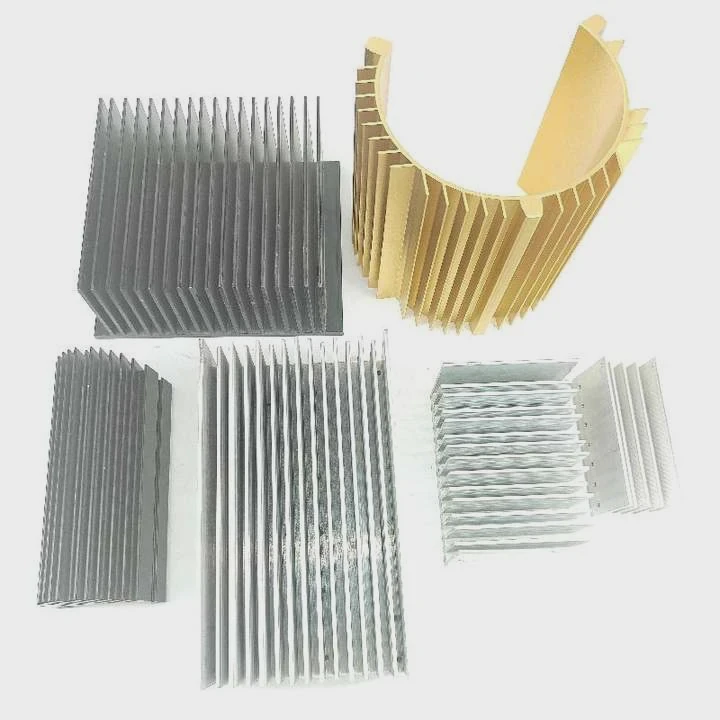
I see many engineers struggle with rising heat in compact devices. I faced the same issue in one of my early projects, and the search for a stable solution cost me weeks of stress.
A vapor chamber cooling system is a flat, sealed heat spreader that uses liquid-to-vapor phase change to move heat fast from a hot area to a cooler area. This process creates very high thermal conductivity without adding weight or complex parts.
I want to show why this simple idea makes a big difference and why so many industries now use it.
How does a vapor chamber system function?
I see many people assume a vapor chamber is just a metal plate. I made the same mistake before I worked with one for the first time.
A vapor chamber system works by evaporating a small amount of liquid at a heat source, moving the vapor to cooler areas, and condensing it back into liquid to release heat. A wick structure returns the liquid to the heat zone.
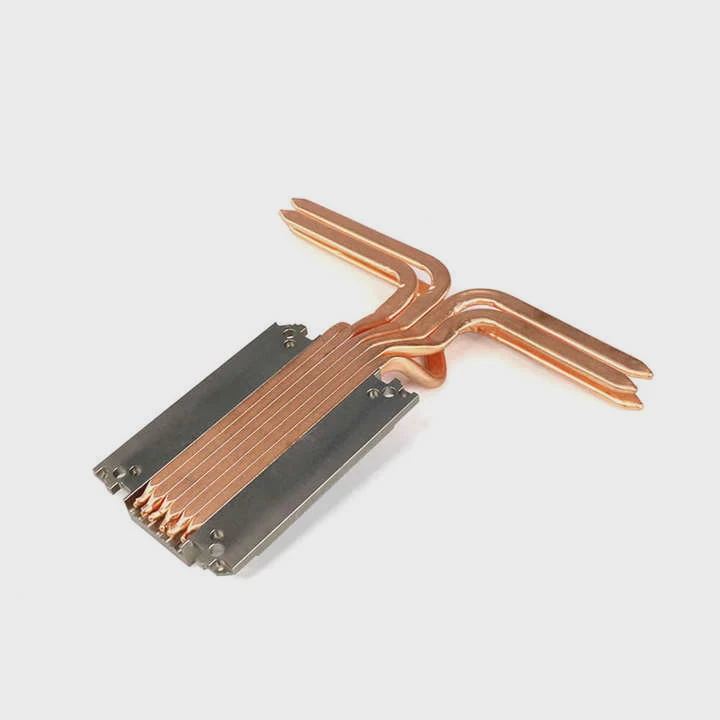
When I first opened a sample chamber years ago, I understood how simple the idea is and how smart the design is. The system uses a closed loop. The loop allows heat to move fast while the chamber stays stable. I will explain the main parts here and show how they work together.
Main Components Inside a Vapor Chamber
| Component | Simple Description |
|---|---|
| Working fluid | Liquid that evaporates and condenses |
| Wick structure | Helps the liquid return to the hot zone |
| Enclosure plates | Seal and protect the inner space |
| Vapor core | Allows vapor to travel freely |
How the Process Works Step by Step
1. Heat enters the bottom surface
The chip or heat source touches the base. The surface heats the liquid inside the wick.
2. The liquid evaporates
When the liquid absorbs heat, it changes into vapor. The vapor expands and moves across the chamber.
3. Vapor spreads the heat
The vapor flow carries energy fast to cooler regions inside the chamber.
4. Vapor condenses
When the vapor meets cooler areas, it changes back into liquid and releases heat to the top cooling surface.
5. Wick absorbs the liquid
The wick pulls the liquid back to the hot zone by capillary force. No pump is needed.
This cycle repeats many times every second. The system stays passive and stable. There are no moving parts. This keeps it quiet and reliable.
I used this system in a project with tight space and heavy heat loads. Even under shock and vibration tests, the chamber stayed stable. That experience helped me trust this method for many later designs.
Why are vapor systems thermally efficient?
Many designers feel unsure when they compare vapor chambers with metal plates. I also wondered why a thin chamber spreads heat so well.
Vapor systems are efficient because phase change moves heat fast, vapor has very low flow resistance, and the internal wick keeps fluid cycling without pumps. The system reaches very high effective thermal conductivity across a wide area.
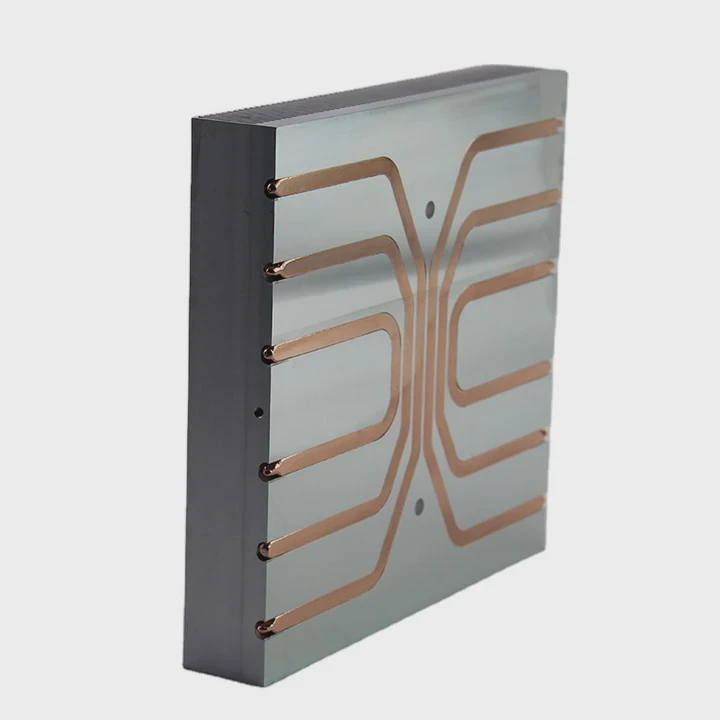
The thermal performance surprised me when I first measured it. The chamber moved heat across tens of millimeters with very small temperature differences. I want to explain the reasons in a clear way.
Key Reasons for High Thermal Performance
1. Phase change carries large amounts of heat
When liquid turns into vapor, it absorbs a big amount of energy at once. This energy is released when it condenses. This process is much stronger than simple heat conduction.
2. Vapor moves easily
Vapor flows inside a free space with almost no resistance. It spreads heat evenly without extra energy.
3. Large contact surface
The inner wick touches the full inner surface. This helps the chamber spread heat across wide areas.
4. Thin and lightweight
The design keeps the system light and flat. This helps where space is small or weight matters.
Comparison Table
| Item | Vapor Chamber | Solid Copper Plate |
|---|---|---|
| Effective thermal conductivity | Very high | Medium |
| Weight | Light | Heavy |
| Heat spreading distance | Large | Limited |
| Response speed | Fast | Slow |
| Multi-source heat handling | Strong | Weak |
Use Cases From My Work
I worked on a design where a processor and a power module sat close. Both created heat peaks at the same time. A normal copper plate could not balance the heat. A vapor chamber solved this problem. The thin plate kept the temperature small across the surface. This improved stability and saved redesign time.
The system works well in many cases where hotspots cause problems. That is why many industries trust this method.
What devices rely on vapor chamber systems?
I meet many clients who do not realize how many devices use vapor chambers. I also missed this until I started working across different sectors.
Many modern devices rely on vapor chamber systems, including laptops, smartphones, gaming consoles, servers, LED systems, and high-power communication equipment. These industries use vapor chambers because they are thin, light, and stable under high thermal loads.
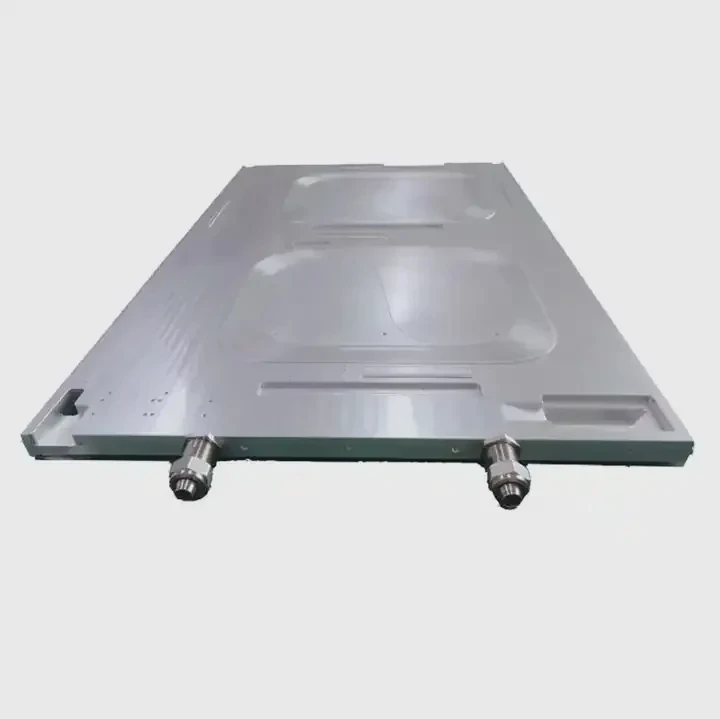
I want to show how different industries use this system. I use simple examples so you can see how broad the applications are.
Common Industries That Use Vapor Chambers
Laptops
Thin laptops need strong cooling but cannot use thick heat sinks. A vapor chamber spreads heat from CPU and GPU to a larger fin surface.
Smartphones
Modern smartphone chips run hot. A vapor chamber keeps the back cover cool. I worked on a case where the chamber reduced the device skin temperature by several degrees.
Gaming Consoles
High-power consoles use vapor chambers to handle sudden heat spikes. The chamber spreads heat across a wide base plate for strong airflow cooling.
Servers and Data Centers
Servers produce dense heat loads. Many server blades use vapor chambers to reduce hotspots.
5G and RF Modules
High-frequency systems run hot in small housings. A vapor chamber stabilizes temperature for long operation.
Table: Devices and Typical Reasons for Using Vapor Chambers
| Device Type | Main Reason |
|---|---|
| Laptop | Thin design, high heat load |
| Smartphone | Skin temperature control |
| Console | Peak power handling |
| Server module | Hotspot reduction |
| LED light engine | Uniform heat spreading |
My Experience With Different Devices
I remember a project with a compact LED module. The LEDs were bright but ran at high temperatures. A small vapor chamber under the LED board spread the heat to the outer aluminum frame. The LEDs ran cooler and lasted longer. That result convinced the client to switch all their models to this solution.
The range of devices keeps growing. More companies want small designs with more power. Vapor chambers help them reach that goal.
Can these systems replace liquid cooling?
This question appears often in meetings. Many clients ask if they should remove liquid cooling and switch fully to vapor chambers.
Vapor chambers cannot fully replace liquid cooling in high-power systems, but they can replace it in many mid-power devices where heat loads are moderate and space is limited.
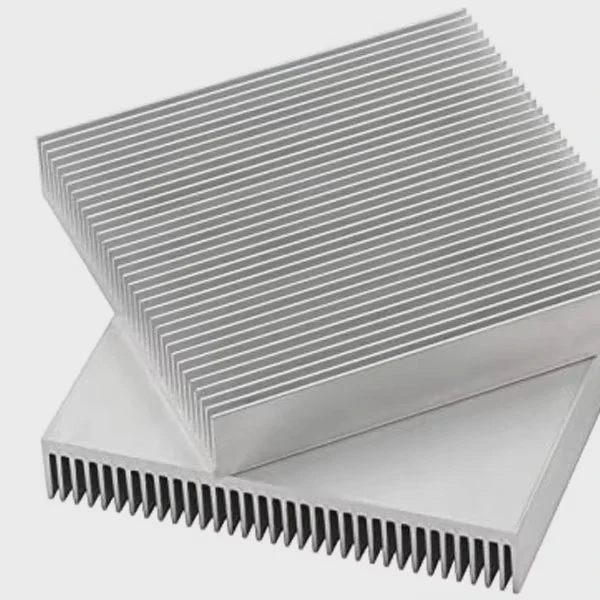
This topic depends on power levels and design goals. I want to explain the differences so you can choose the right approach.
When Vapor Chambers Are Enough
Moderate power
Vapor chambers work well for CPUs, GPUs, LEDs, and RF modules under controlled loads.
Space limits
Thin devices use vapor chambers because liquid cooling takes more space.
Reliability needs
Since vapor chambers have no moving parts, they are stable for long-term use.
When Liquid Cooling Is Better
Very high heat
Large industrial modules or heavy computing systems may need liquid cooling.
Long continuous operation
If the system runs hot for long hours, liquid cooling removes heat faster.
Simple Comparison
| Feature | Vapor Chamber | Liquid Cooling |
|---|---|---|
| Thickness | Very thin | Thick |
| Parts | Simple | Pump, tubes, radiator |
| Reliability | Very high | Medium |
| Heat removal limit | Medium–high | Very high |
| Maintenance | Almost none | Regular |
My Story From a Client Case
I once had a client with a powerful computing module. They wanted to replace their liquid loop to save space. They hoped a vapor chamber would manage the heat. The tests showed the chamber worked well in normal loads but reached the limit under extreme cases. We kept the vapor chamber but added a small liquid cooling loop. This gave a balanced and safe design.
From my experience, vapor chambers are strong for spreading heat but not for rejecting very large amounts of heat to the environment. Liquid cooling is still better in that area.
Conclusion
A vapor chamber cooling system uses phase change to move heat fast inside a thin plate. It spreads heat well, stays light, and supports many devices. It cannot replace liquid cooling in very high-power environments, but it works well in many compact designs where stable thermal performance matters.
TAGS
Latest Articles

Volume discount levels for heat sink orders?
Buyers often ask when heat sink prices start to drop with volume. Many worry they’re overpaying for small orders. This guide explains how B2B volume pricing works for thermal components. Heat sink
21 Dec,2025
Heat sink long-term supply contract options?
Many buyers want stable pricing and reliable delivery for heat sinks. But without a clear contract, risks grow over time. This article explores how to secure better long-term supply deals. Long-term
21 Dec,2025
Tooling cost for new heat sink profiles?
Many engineers struggle to understand why tooling for custom heat sinks costs so much. They worry about budgeting and production timelines. This article breaks down the cost drivers behind tooling.
21 Dec,2025
Heat sink custom sample process steps?
Sometimes, starting a custom heat sink project feels overwhelming—too many steps, too many unknowns, and too many risks. You want a sample, but not endless delays. The process for requesting and
20 Dec,2025
Standard B2B terms for heat sink payments?
When buyers and sellers in B2B heat sink markets talk about payment, many don’t fully understand what’s standard. This can lead to delayed orders, miscommunication, and even lost business
20 Dec,2025
Heat sink pricing factors for large orders?
Heat sinks are vital for many systems. When prices rise, projects stall and budgets break. This problem can hit teams hard without warning. Large order heat sink pricing depends on many factors. You
20 Dec,2025Related Articles
- what is vapor chamber cooling iphone?
- does iphone have vapor chamber cooling?
- does iPhone 16 pro have vapor chamber?
- does iPhone 15 have vapor chamber?
- what is vapor chamber in phone?
- what is vapor chamber cooling laptop?
- how coolermaster v8 gts vapor chamber works?
- how does a vapor chamber heatsink work?
- how does vapor chamber cooling work on laptop?
- how does vapor chamber cpu coolers work?
- how does xbox one x vapor chamber cooling work?
- How does Xbox One X vapor chamber work?
Author
Dr. Emily Chen
Chief AI Researcher
Leading expert in thermal dynamics and AI optimization with over 15 years of experience in data center efficiency research.
Categories
Latest Products






Recommend Categories
- Liquid cooling plate Manufacturer
- Industrial Heat Sink Manufacturer
- Standard Heat Sink Manufacturer
- Aluminum Heat Sink Manufacturer
- Copper Heat Sink Manufacturer
- Anodized Heatsink Manufacturer
- Stamping heat sink Manufacturer
- Die Casting Heatsink Manufacturer
- Soldering heat sink Manufacturer
- CNC Parts Manufacturer
Latest Products
- Wholesale Aluminum Radiator
- Water Cooling Plate Kit
- Water Cooling Heat Sink
- Water Cooling Heat Sink Kit
- Stainless Steel Water Distributor
- Server Water Cooling Plate Kit
- Server Liquid Cooling System
- Server Aluminum Cooling Kit
- S19 Full Cover Cooling Plate
- S19 Cooling Plate Kit
- S19 Aluminum Cooling Plate
Contact Expert
Have questions about this article? Reach out to our experts directly.