How Does a Liquid-Cooled Engine Work?

When it comes to automotive engines, cooling is a critical component in preventing overheating and maintaining optimal performance. But how does a liquid-cooled engine manage heat?
A liquid-cooled engine uses a cooling system that circulates coolant through the engine to absorb heat, transferring it to a radiator where it dissipates into the air. This process helps keep the engine at an optimal operating temperature.
The concept of liquid cooling has been around for years, playing a crucial role in the performance and longevity of modern engines. It helps prevent engine overheating, a common issue that can lead to damage or failure if not properly managed.
What is a Liquid-Cooled Engine?
What makes a liquid-cooled engine different from its air-cooled counterpart?
A liquid-cooled engine uses a coolant fluid, typically a mixture of water and antifreeze, to absorb and dissipate heat from the engine. This system is designed to maintain a steady, optimal temperature for engine performance, regardless of driving conditions.
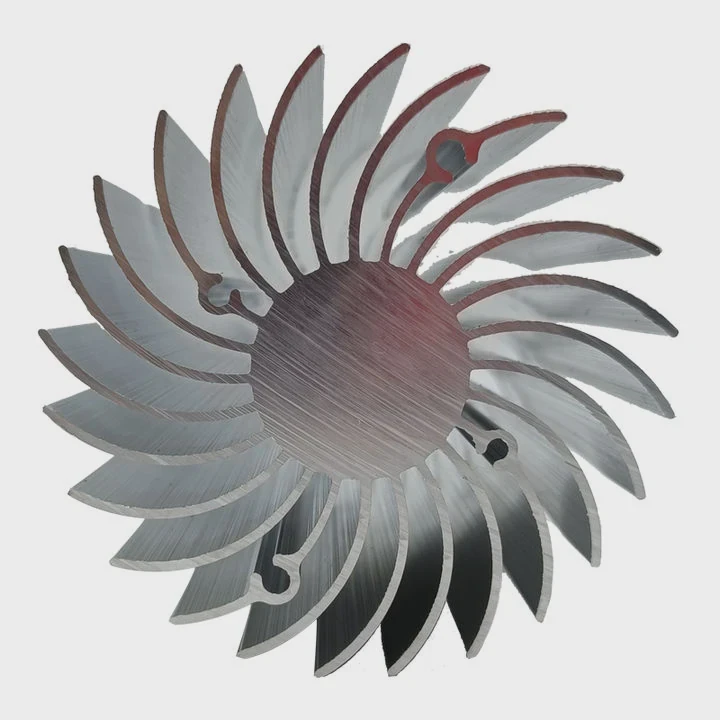
In a liquid-cooled engine, the coolant circulates through the engine block, absorbing heat as it passes over hot components like the cylinders and engine block. Once the coolant absorbs enough heat, it is pumped to a radiator where it cools down, usually with the help of air passing through the radiator fins. The cooled fluid is then recirculated back into the engine to continue the process. This process of heat exchange and fluid circulation ensures that the engine doesn’t overheat and operates within the ideal temperature range.
What Are Its Performance Benefits?
Why is liquid cooling a popular choice for modern engines? Let’s explore the key benefits.
Liquid-cooled engines provide better heat management, enhance engine performance, improve fuel efficiency, and extend the lifespan of engine components by maintaining a consistent temperature.
1. Efficient Heat Dissipation:
The liquid cooling system is more efficient at transferring heat than air cooling. Liquid can absorb more heat and maintain a more consistent temperature, which is essential in modern engines that generate a lot of heat. This leads to more stable engine performance and prevents overheating, even in high-performance engines.
2. Improved Performance:
With better heat control, a liquid-cooled engine operates at optimal temperatures, which helps maintain the engine’s power output. When an engine overheats, it can lose power, so by preventing overheating, liquid cooling ensures that the engine operates efficiently under all conditions, whether it’s heavy acceleration or sustained high speeds.
3. Better Fuel Efficiency:
Engines that run at a steady, optimal temperature perform more efficiently. Liquid cooling helps maintain the ideal operating temperature, preventing the engine from working too hard or too inefficiently. This can result in improved fuel efficiency, reducing the strain on the engine and lowering overall fuel consumption.
4. Longer Engine Life:
An engine that runs at a consistent temperature experiences less wear and tear. By managing temperature fluctuations, liquid cooling helps protect internal components such as the pistons, cylinders, and valves, ultimately extending the engine’s lifespan.
5. Quieter Operation:
Unlike air-cooled engines, which often require large, noisy fans to dissipate heat, liquid-cooled engines can operate more quietly. The radiator and cooling system work efficiently without the need for loud fan noise, creating a smoother and quieter driving experience.
How Does Coolant Circulate in the Engine?
How does the coolant actually move through the engine and radiator?
Coolant circulates in a closed-loop system, where it absorbs heat from the engine, moves to the radiator, and then returns to the engine after cooling down. This continuous process ensures that the engine maintains an optimal operating temperature.
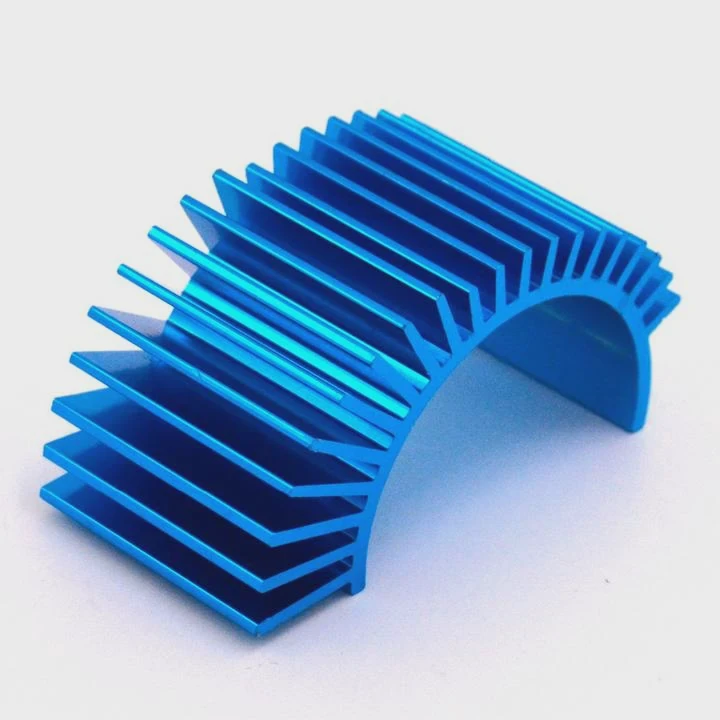
Here’s how the coolant circulates in a typical liquid-cooled engine:
Pump: The circulation of coolant is driven by a water pump, which forces the coolant through the system. The pump moves coolant from the engine block to the radiator and back again.
Engine Block: The coolant enters the engine block and flows around the cylinder walls and other hot components. As the coolant passes through these areas, it absorbs heat and increases in temperature.
Radiator: The hot coolant then travels through the hoses to the radiator. In the radiator, the coolant passes through a series of thin metal tubes that are exposed to airflow. This allows the heat to dissipate from the coolant, cooling it down.
Coolant Reservoir: Once the coolant has cooled, it flows back into the engine through the thermostat and continues the cycle. The coolant reservoir helps maintain the appropriate coolant levels in the system.
Thermostat: The thermostat regulates the flow of coolant based on the engine’s temperature. If the engine is cold, the thermostat remains closed, keeping the coolant in the engine until it reaches the ideal temperature. Once the temperature is reached, the thermostat opens and allows coolant to flow into the radiator.
This continuous flow of coolant through the engine and radiator ensures that the engine maintains a constant, safe temperature, regardless of the driving conditions.
What Are the Trends in Automotive Cooling?
As engines become more powerful and complex, the need for advanced cooling solutions continues to grow. What are the current trends in automotive cooling?
The trends in automotive cooling are focused on improving efficiency, reducing environmental impact, and developing new materials and systems for better thermal management.
1. Electric Vehicle Cooling:
As electric vehicles (EVs) gain popularity, cooling systems for EVs are evolving to meet the unique demands of electric powertrains and batteries. Liquid cooling is particularly important for EV batteries, which generate significant heat during charging and discharging. Advanced liquid cooling systems are being developed to optimize battery performance and prevent overheating, improving the range and lifespan of electric vehicles.
2. Hybrid Cooling Systems:
Many modern cars are incorporating hybrid cooling systems that combine liquid cooling and air cooling. These systems are designed to provide more efficient cooling by using liquid in high-heat areas like the engine and air cooling in low-heat areas. Hybrid systems are becoming more common in both gasoline and electric vehicles to optimize energy consumption and cooling efficiency.
3. Advanced Materials:
Innovative materials, such as graphene and ceramics, are being integrated into automotive cooling systems to improve heat transfer capabilities. These materials are lightweight and have excellent thermal conductivity, making them ideal for improving the efficiency of liquid cooling systems in engines and batteries.
4. Smart Cooling Systems:
With the rise of connected cars, cooling systems are becoming more intelligent. Sensors embedded in the engine and cooling system can monitor temperature and adjust coolant flow automatically to ensure that the engine stays within the optimal temperature range. These smart systems can also provide real-time data to the driver, alerting them to any potential cooling issues.
5. Sustainability:
Automakers are focusing on sustainability by developing cooling systems that use environmentally friendly coolants. Traditional coolants often contain harmful chemicals, but newer coolants are being formulated to be less toxic and more biodegradable, reducing the environmental impact of automotive cooling systems.
These trends indicate a shift toward more efficient, intelligent, and sustainable automotive cooling solutions that cater to the evolving needs of modern vehicles.
Conclusion
A liquid-cooled engine is an essential component in modern vehicles, offering superior heat management, improved performance, and longer engine life. As automotive technology advances, cooling systems will continue to evolve, providing better efficiency and sustainability to meet the needs of high-performance and electric vehicles.
TAGS
Latest Articles
Volume discount levels for heat sink orders?
Buyers often ask when heat sink prices start to drop with volume. Many worry they’re overpaying for small orders. This guide explains how B2B volume pricing works for thermal components. Heat sink
21 Dec,2025
Heat sink long-term supply contract options?
Many buyers want stable pricing and reliable delivery for heat sinks. But without a clear contract, risks grow over time. This article explores how to secure better long-term supply deals. Long-term
21 Dec,2025
Tooling cost for new heat sink profiles?
Many engineers struggle to understand why tooling for custom heat sinks costs so much. They worry about budgeting and production timelines. This article breaks down the cost drivers behind tooling.
21 Dec,2025
Heat sink custom sample process steps?
Sometimes, starting a custom heat sink project feels overwhelming—too many steps, too many unknowns, and too many risks. You want a sample, but not endless delays. The process for requesting and
20 Dec,2025
Standard B2B terms for heat sink payments?
When buyers and sellers in B2B heat sink markets talk about payment, many don’t fully understand what’s standard. This can lead to delayed orders, miscommunication, and even lost business
20 Dec,2025
Heat sink pricing factors for large orders?
Heat sinks are vital for many systems. When prices rise, projects stall and budgets break. This problem can hit teams hard without warning. Large order heat sink pricing depends on many factors. You
20 Dec,2025Related Articles
- Which Liquid Cools the Fastest?
- How to Check a Liquid Cooling System?
- Which Phone Has a Liquid Cooling System?
- Is Alienware Liquid Cooling Worth It?
- How to Screw in a Processor Liquid Cooler?
- Why is a Liquid-Cooled System Pressurized?
- What is Liquid Cooled?
- Does Liquid Cooling Evaporate?
- How Tight to Tighten Liquid Cooler on CPU?
- Does RTX 3080 Need Liquid Cooling?
- How Does Liquid Cooling Work in Bikes?
- How to Connect Liquid Cooling to a Motherboard?
Author
Dr. Emily Chen
Chief AI Researcher
Leading expert in thermal dynamics and AI optimization with over 15 years of experience in data center efficiency research.
Categories
Latest Products






Recommend Categories
- Liquid cooling plate Manufacturer
- Industrial Heat Sink Manufacturer
- Standard Heat Sink Manufacturer
- Aluminum Heat Sink Manufacturer
- Copper Heat Sink Manufacturer
- Anodized Heatsink Manufacturer
- Stamping heat sink Manufacturer
- Die Casting Heatsink Manufacturer
- Soldering heat sink Manufacturer
- CNC Parts Manufacturer
Latest Products
- Wholesale Aluminum Radiator
- Water Cooling Plate Kit
- Water Cooling Heat Sink
- Water Cooling Heat Sink Kit
- Stainless Steel Water Distributor
- Server Water Cooling Plate Kit
- Server Liquid Cooling System
- Server Aluminum Cooling Kit
- S19 Full Cover Cooling Plate
- S19 Cooling Plate Kit
- S19 Aluminum Cooling Plate
Contact Expert
Have questions about this article? Reach out to our experts directly.