What is Liquid Cooled?
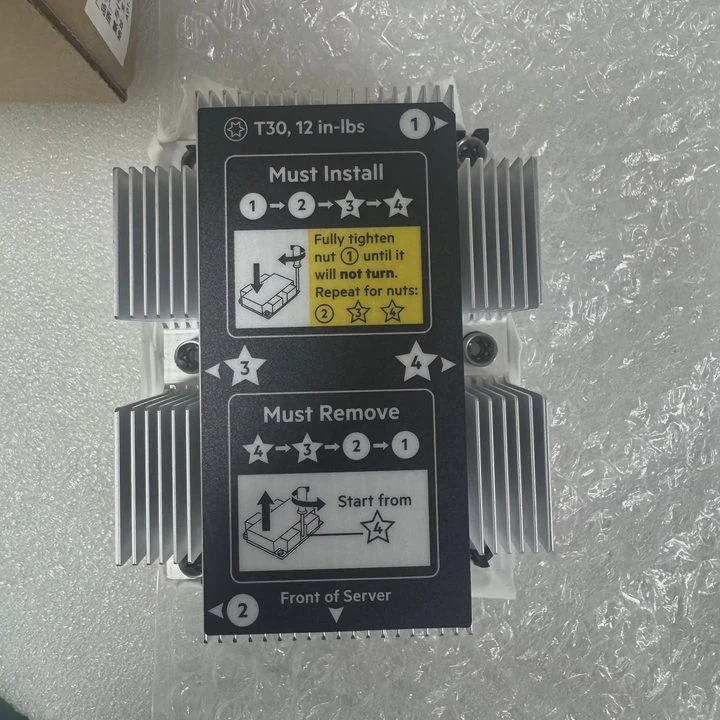
If you’ve ever looked at a motorcycle, a computer, or even a gaming console and wondered about the term “liquid cooled,” you’re not alone. Let’s explore what it really means and why it’s a popular cooling solution for modern devices.
Liquid cooling refers to the method of using liquid to remove heat from a system, ensuring optimal temperature regulation for high-performance components. This method is commonly used in motorcycles, computers, and various other devices.
In this article, we’ll break down what liquid cooling is, its advantages over air-cooled systems, how it’s applied across different devices, and the modern trends in liquid cooling technology.
What Does Liquid Cooled Mean?
What exactly does the term “liquid cooled” mean, and why is it such a big deal in various industries? Let’s dive into the technical details.
Liquid cooling uses a fluid, usually water mixed with antifreeze, to absorb and dissipate heat from components that generate excessive heat, such as engines or processors.
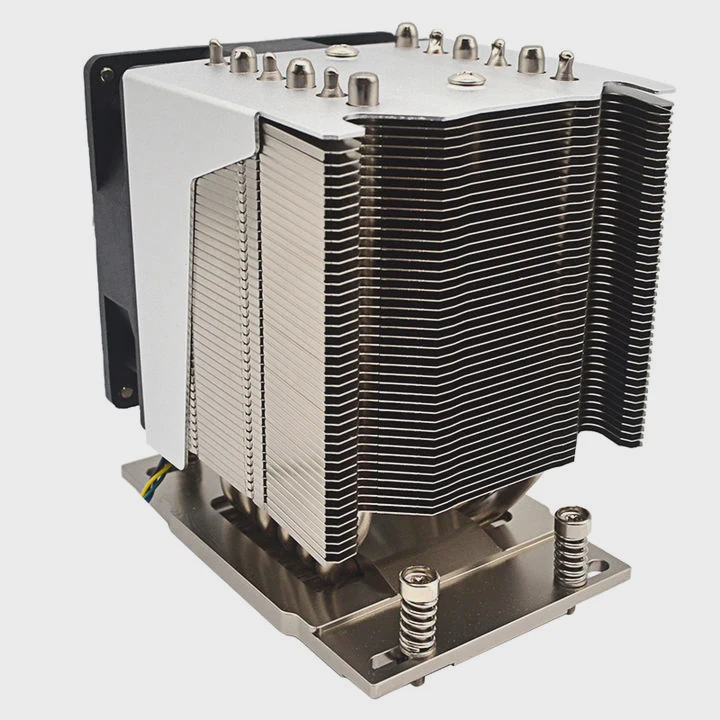
Liquid cooling involves a system where a coolant is pumped through pipes or tubes that run alongside hot components. As the coolant moves through the system, it absorbs heat, carrying it away from the source of heat. The liquid then passes through a heat exchanger (such as a radiator), where it is cooled by air or another cooling method before circulating again to continue the process.
Key Components of Liquid Cooling Systems:
- Coolant: The liquid that absorbs heat from the system, often a mixture of water and antifreeze or other cooling fluids.
- Pump: Circulates the coolant through the system.
- Heat Exchanger (Radiator): A component where the heat is released into the air or another medium.
- Tubes and Hoses: Channels that carry the coolant between the various components of the cooling system.
- Reservoir: A storage tank for coolant, usually located near the pump.
The primary advantage of liquid cooling is that it can handle more heat compared to air cooling systems, which makes it ideal for high-performance systems where temperature control is critical.
What Are the Advantages Over Air-Cooled Systems?
Why do many high-performance devices use liquid cooling systems instead of air-cooling systems? Let’s compare the two and look at the key advantages of liquid cooling.
Liquid cooling offers more efficient heat dissipation, better thermal control, and is capable of handling higher heat loads than traditional air-cooled systems.
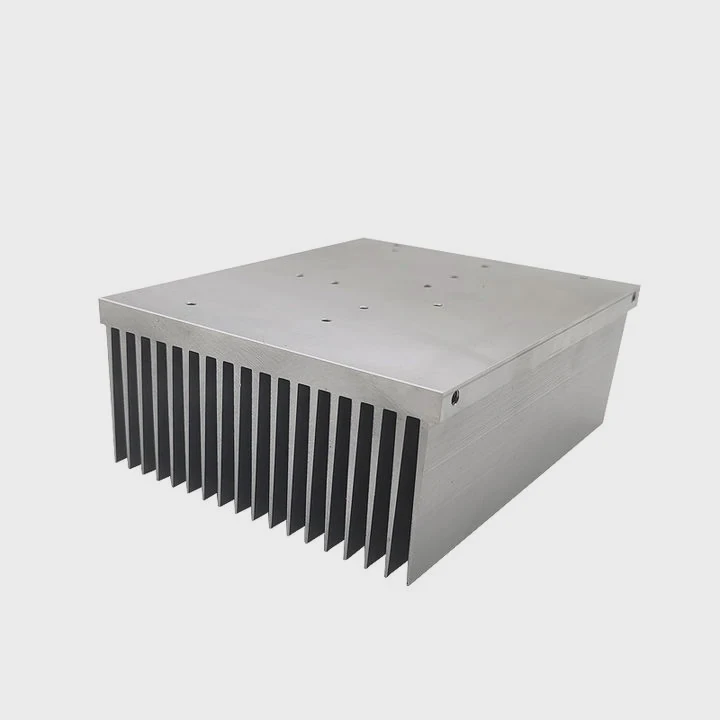
Advantages of Liquid Cooling:
Better Heat Dissipation: Liquid has a higher thermal conductivity than air, which means it can absorb and carry away more heat, making liquid cooling more efficient in transferring heat from components.
Smaller Components: Liquid cooling allows components to be smaller and more compact. It can absorb more heat in a smaller space compared to air cooling, which often requires large fans and vents.
Less Noise: Air-cooled systems rely on fans to move air over heat sinks, and this can create a lot of noise, especially in high-performance devices. Liquid cooling systems are quieter because they do not require as many moving parts.
More Efficient in High-Performance Applications: Liquid cooling systems are better at handling the heat generated by high-performance components, such as processors in computers or engines in motorcycles. This makes them essential for devices where excessive heat could lead to damage or performance degradation.
Compact Design: Because liquid cooling is more efficient, it allows for smaller, more compact cooling designs. This is especially important in applications like gaming PCs or motorcycles where space is limited but cooling needs are high.
Improved Overclocking Potential: In systems like gaming computers, where users might overclock their CPUs or GPUs, liquid cooling allows for higher performance without the risk of overheating, as liquid cooling can handle the increased heat load better than air cooling.
Air-Cooled Systems vs Liquid-Cooled Systems
| Feature | Air-Cooled Systems | Liquid-Cooled Systems |
|---|---|---|
| Heat Dissipation Efficiency | Lower, struggles with high heat loads | Higher, more efficient at absorbing and dissipating heat |
| Noise Levels | Higher due to fans | Lower, more quiet because of fewer moving parts |
| Component Size | Larger due to heat sinks and fans | Smaller, more compact, reduces the need for large components |
| Maintenance | Easier to maintain and more cost-effective | Can be more complex and expensive |
| Performance Under Load | Limited, less efficient under heavy loads | Better performance under heavy loads |
While air cooling is effective for smaller or less demanding systems, liquid cooling becomes essential when dealing with high-performance devices that require better thermal management.
How is Liquid Cooling Applied Across Devices?
From computers to motorcycles, liquid cooling has become a widely used method for keeping high-performance devices at safe operating temperatures. Let’s take a closer look at how liquid cooling is applied across different devices.
Liquid cooling is used in motorcycles, high-end gaming PCs, servers, electric vehicles, and more. Each application takes advantage of liquid cooling’s superior heat dissipation capabilities.
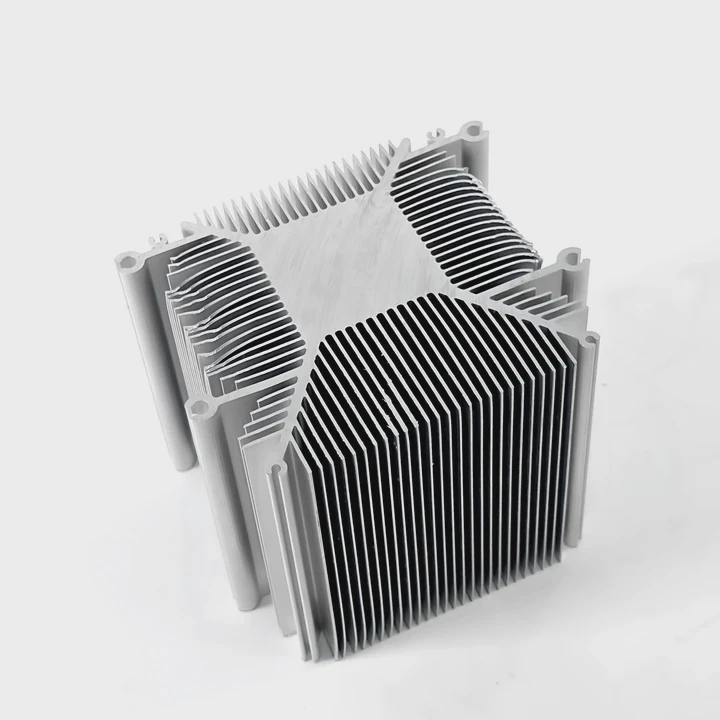
Applications of Liquid Cooling:
Motorcycles and Cars: Many modern motorcycles, especially high-performance models like the Royal Enfield Super Meteor 650, use liquid cooling to keep the engine temperature stable. This prevents overheating during long rides or in hot climates, ensuring better performance and longevity.
Gaming PCs and High-Performance Computers: In gaming PCs, overclocked CPUs, and GPUs, liquid cooling is used to keep processors cool while pushing them to their limits. Custom liquid cooling systems can be designed for PCs to achieve better thermal performance compared to air coolers.
Data Centers and Servers: Data centers, which house thousands of high-performance servers, use liquid cooling to manage the immense heat generated by processing units. Liquid cooling solutions can transfer heat more efficiently than air cooling, ensuring servers stay within safe operating temperatures.
Electric Vehicles (EVs): Liquid cooling is increasingly being used in the battery packs of electric vehicles. Since lithium-ion batteries generate heat during charging and discharging, liquid cooling systems are employed to maintain optimal battery temperatures and prevent overheating, which can improve battery life and performance.
Power Electronics: Industrial and commercial power electronics, such as inverters and transformers, also use liquid cooling to prevent overheating, ensuring their reliable operation in high-demand environments.
High-Performance LED Lighting: Some high-power LED lighting systems use liquid cooling to prevent overheating, which can affect their lifespan and light output. Liquid cooling ensures that the LEDs stay within their optimal operating range.
What Are the Modern Trends in Liquid Cooling?
As technology advances, so does the field of liquid cooling. Let’s explore the latest trends in liquid cooling technology and how it’s evolving.
Modern trends in liquid cooling include the use of advanced materials, eco-friendly coolants, miniaturization for space-constrained applications, and innovations in cooling efficiency using nanotechnology.
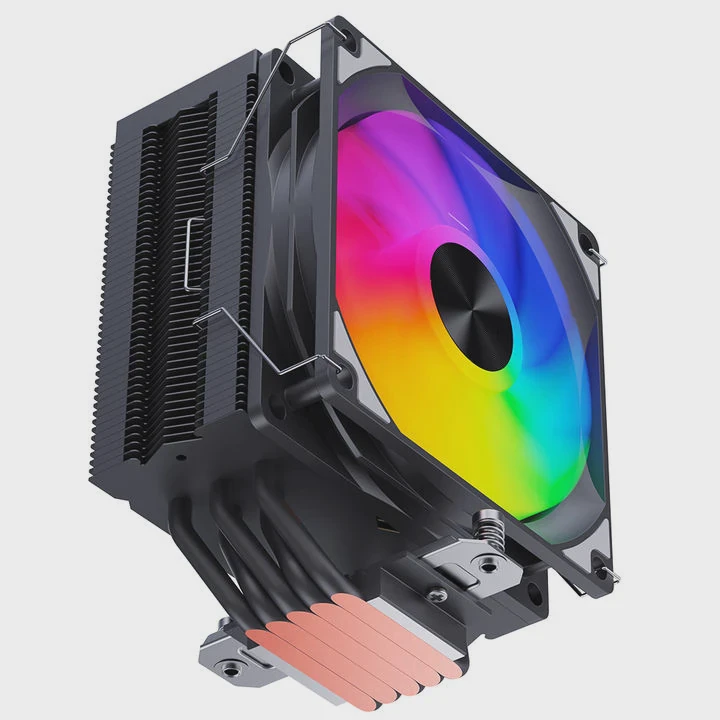
Current Trends in Liquid Cooling:
Use of Eco-Friendly Coolants: There is a growing trend towards using non-toxic, environmentally friendly coolants in liquid cooling systems. Bio-based coolants and synthetic fluids with lower environmental impact are being developed, which are safer for the environment compared to traditional ethylene glycol-based coolants.
Miniaturization and Integration: As devices become smaller and more compact, liquid cooling solutions are evolving to meet these demands. Companies are designing compact and integrated cooling systems that combine pumps, reservoirs, and radiators in smaller, more space-efficient packages.
Liquid Cooling for AI and Machine Learning: As machine learning and AI applications become more demanding in terms of computational power, liquid cooling is being adopted in specialized AI hardware. These devices require significant amounts of power and generate heat, making efficient cooling essential to prevent overheating and ensure peak performance.
Hybrid Cooling Systems: Some modern systems are integrating both air and liquid cooling. These hybrid systems allow devices to benefit from the advantages of both cooling methods, offering better performance and efficiency under varying conditions. For example, hybrid cooling systems might use air cooling for low-intensity operations and switch to liquid cooling when higher heat loads are detected.
Nanotechnology in Cooling Fluids: The use of nanomaterials in cooling fluids is an emerging trend. Nanoparticles can be added to coolants to enhance their thermal conductivity, enabling them to absorb and dissipate heat more effectively. This is especially important in high-performance applications like supercomputing and high-end gaming.
Wireless Liquid Cooling Systems: Wireless and flexible liquid cooling systems are being developed for certain applications, such as wearables or compact devices. These systems use wireless pumps and tubing to provide cooling without the need for bulky connectors, offering more flexibility in design.
Advanced Cooling for VR and AR: Virtual Reality (VR) and Augmented Reality (AR) technologies require significant processing power, which generates heat. Liquid cooling is increasingly used in these systems to ensure that the hardware operates at an optimal temperature, even during extended use.
Future Directions
| Trend | Description |
|---|---|
| Eco-Friendly Coolants | Development of non-toxic, biodegradable coolants that reduce environmental impact. |
| Miniaturized Systems | Smaller and more integrated liquid cooling solutions for space-limited devices. |
| Hybrid Cooling Systems | Combining air and liquid cooling for maximum performance and efficiency. |
| Nanotechnology | Enhanced cooling efficiency using nanoparticles in coolants. |
| Wireless Cooling | Flexible and wireless cooling systems for wearable and compact devices. |
The future of liquid cooling looks promising, with innovations aimed at improving efficiency, reducing environmental impact, and meeting the growing demands of high-performance devices.
Conclusion
Liquid cooling is a highly efficient way to manage heat in high-performance systems. With its ability to transfer heat more effectively than air, liquid cooling is applied across a wide range of devices, from motorcycles to supercomputers. As technology continues to evolve, so do the trends and innovations in liquid cooling, ensuring that systems remain cool and efficient for years to come.
TAGS
Latest Articles

Volume discount levels for heat sink orders?
Buyers often ask when heat sink prices start to drop with volume. Many worry they’re overpaying for small orders. This guide explains how B2B volume pricing works for thermal components. Heat sink
21 Dec,2025
Heat sink long-term supply contract options?
Many buyers want stable pricing and reliable delivery for heat sinks. But without a clear contract, risks grow over time. This article explores how to secure better long-term supply deals. Long-term
21 Dec,2025
Tooling cost for new heat sink profiles?
Many engineers struggle to understand why tooling for custom heat sinks costs so much. They worry about budgeting and production timelines. This article breaks down the cost drivers behind tooling.
21 Dec,2025
Heat sink custom sample process steps?
Sometimes, starting a custom heat sink project feels overwhelming—too many steps, too many unknowns, and too many risks. You want a sample, but not endless delays. The process for requesting and
20 Dec,2025
Standard B2B terms for heat sink payments?
When buyers and sellers in B2B heat sink markets talk about payment, many don’t fully understand what’s standard. This can lead to delayed orders, miscommunication, and even lost business
20 Dec,2025
Heat sink pricing factors for large orders?
Heat sinks are vital for many systems. When prices rise, projects stall and budgets break. This problem can hit teams hard without warning. Large order heat sink pricing depends on many factors. You
20 Dec,2025Related Articles
- How Does a Liquid-Cooled Engine Work?
- Which Liquid Cools the Fastest?
- How to Check a Liquid Cooling System?
- Which Phone Has a Liquid Cooling System?
- Is Alienware Liquid Cooling Worth It?
- How to Screw in a Processor Liquid Cooler?
- Does Liquid Cooling Evaporate?
- How Tight to Tighten Liquid Cooler on CPU?
- Does RTX 3080 Need Liquid Cooling?
- How Does Liquid Cooling Work in Bikes?
- How to Connect Liquid Cooling to a Motherboard?
- What is Liquid Cooling in Data Centers?
Author
Dr. Emily Chen
Chief AI Researcher
Leading expert in thermal dynamics and AI optimization with over 15 years of experience in data center efficiency research.
Categories
Latest Products






Recommend Categories
- Liquid cooling plate Manufacturer
- Industrial Heat Sink Manufacturer
- Standard Heat Sink Manufacturer
- Aluminum Heat Sink Manufacturer
- Copper Heat Sink Manufacturer
- Anodized Heatsink Manufacturer
- Stamping heat sink Manufacturer
- Die Casting Heatsink Manufacturer
- Soldering heat sink Manufacturer
- CNC Parts Manufacturer
Latest Products
- Wholesale Aluminum Radiator
- Water Cooling Plate Kit
- Water Cooling Heat Sink
- Water Cooling Heat Sink Kit
- Stainless Steel Water Distributor
- Server Water Cooling Plate Kit
- Server Liquid Cooling System
- Server Aluminum Cooling Kit
- S19 Full Cover Cooling Plate
- S19 Cooling Plate Kit
- S19 Aluminum Cooling Plate
Contact Expert
Have questions about this article? Reach out to our experts directly.