Which Liquid Cools the Fastest?
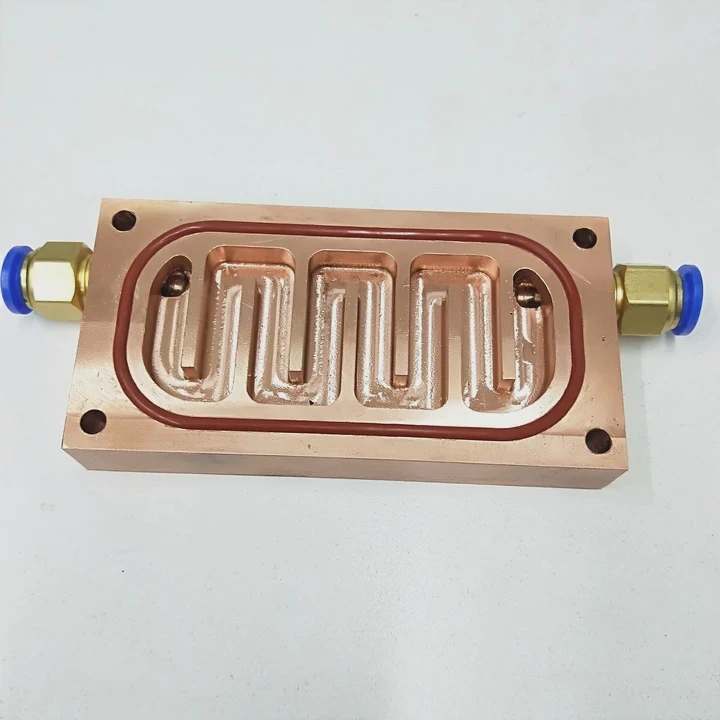
When it comes to liquid cooling, not all liquids are created equal. If you’re wondering which liquid cools the fastest, we’ve got the answers for you. Let’s take a closer look at cooling liquids and their properties.
Water, with its high specific heat capacity, is generally the fastest cooling liquid, followed by specially engineered coolants. However, its performance can be optimized by adding specific additives.
Cooling is a crucial factor in engine performance, particularly in high-performance motorcycles and vehicles. In this article, we will explore the types of cooling liquids, their thermal properties, how to choose the fastest cooling liquid, and innovations in coolant science.
What Types of Cooling Liquids Exist?
What liquids are commonly used in cooling systems? And how do these different liquids perform in terms of heat dissipation? Let’s break down the main types.
Cooling liquids fall into several categories, such as water-based coolants, ethylene glycol, propylene glycol, and synthetic coolants. Each has its own advantages in terms of cooling performance, stability, and durability.
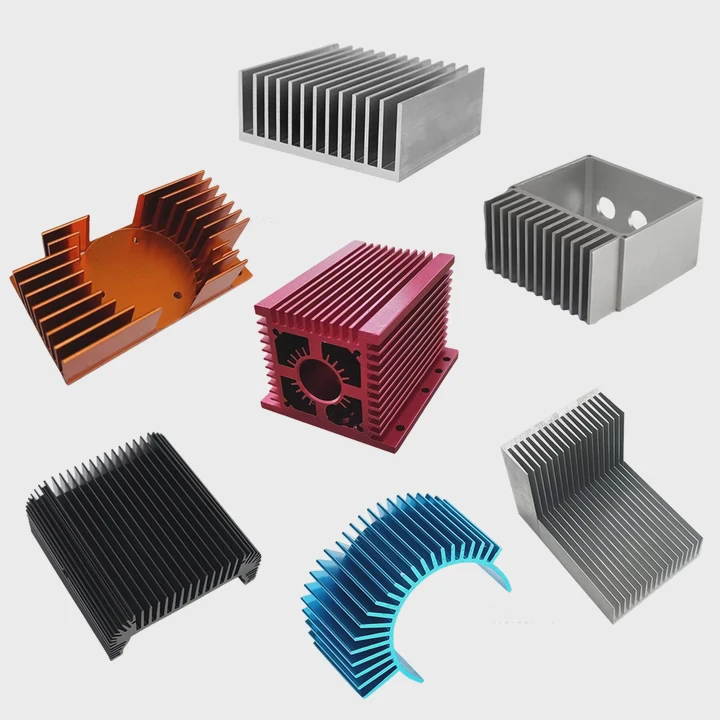
The most common cooling liquids include:
Water-based Coolants: These are mixtures of water and antifreeze (usually ethylene glycol or propylene glycol). They are widely used because of their excellent heat transfer properties.
Ethylene Glycol: Ethylene glycol is commonly used in automotive and motorcycle cooling systems. It has a high boiling point and is less prone to freezing, which is why it is used as an antifreeze in coolants.
Propylene Glycol: A less toxic alternative to ethylene glycol, propylene glycol is used in certain applications where the coolant may come in contact with food, such as in refrigeration systems.
Synthetic Coolants: These are specially engineered fluids that offer improved performance, such as better heat resistance and higher thermal stability compared to standard water-based coolants.
Each of these liquids has its own properties and suitability depending on the specific cooling system needs.
What Are the Thermal Properties of Each Cooling Liquid?
How do the thermal properties of each cooling liquid affect performance? Let’s take a look at the characteristics that make each liquid unique.
The thermal properties of cooling liquids, such as thermal conductivity, specific heat, boiling point, and freezing point, determine how effectively they absorb and dissipate heat.
1. Water-Based Coolants
Water is considered one of the best cooling fluids due to its high specific heat capacity, meaning it can absorb a large amount of heat before its temperature increases significantly. However, water on its own is not ideal due to its freezing point (0°C) and its tendency to cause corrosion in cooling systems. That’s why water is usually mixed with antifreeze.
Thermal Properties:
| Property | Water-Based Coolants |
|---|---|
| Specific Heat Capacity | High, excellent at absorbing heat |
| Boiling Point | ~100°C (with antifreeze, higher) |
| Freezing Point | 0°C (lowered with antifreeze) |
| Thermal Conductivity | High, efficient at heat dissipation |
2. Ethylene Glycol
Ethylene glycol is commonly used in combination with water to form a coolant. It has a lower freezing point and a higher boiling point compared to water, which makes it ideal for use in both very cold and very hot conditions.
Thermal Properties:
| Property | Ethylene Glycol |
|---|---|
| Specific Heat Capacity | Moderate, not as high as water |
| Boiling Point | ~197°C |
| Freezing Point | -12°C (when mixed with water) |
| Thermal Conductivity | Moderate |
3. Propylene Glycol
Propylene glycol is similar to ethylene glycol but is safer for humans and animals if accidental ingestion occurs. While it has similar thermal properties to ethylene glycol, it is slightly less efficient at heat transfer.
Thermal Properties:
| Property | Propylene Glycol |
|---|---|
| Specific Heat Capacity | Moderate |
| Boiling Point | ~188°C |
| Freezing Point | -26°C (when mixed with water) |
| Thermal Conductivity | Moderate |
4. Synthetic Coolants
Synthetic coolants are engineered to provide better performance than traditional coolants. These coolants offer improved thermal stability, higher boiling points, and greater resistance to freezing. They are often used in extreme conditions and high-performance vehicles.
Thermal Properties:
| Property | Synthetic Coolants |
|---|---|
| Specific Heat Capacity | High, optimized for heat retention and dissipation |
| Boiling Point | Very high (varies depending on formulation) |
| Freezing Point | Very low (depending on formulation) |
| Thermal Conductivity | High, with engineered properties for improved performance |
How to Choose the Fastest Cooling Liquid Safely?
Which liquid cools the fastest, and how can you select the right one? It’s important to choose a coolant based on the operating conditions of your engine and cooling system.
When selecting a cooling liquid, consider the application, the cooling system’s demands, and the operating environment. Water-based coolants often cool the fastest, but special additives and mixtures may improve performance.
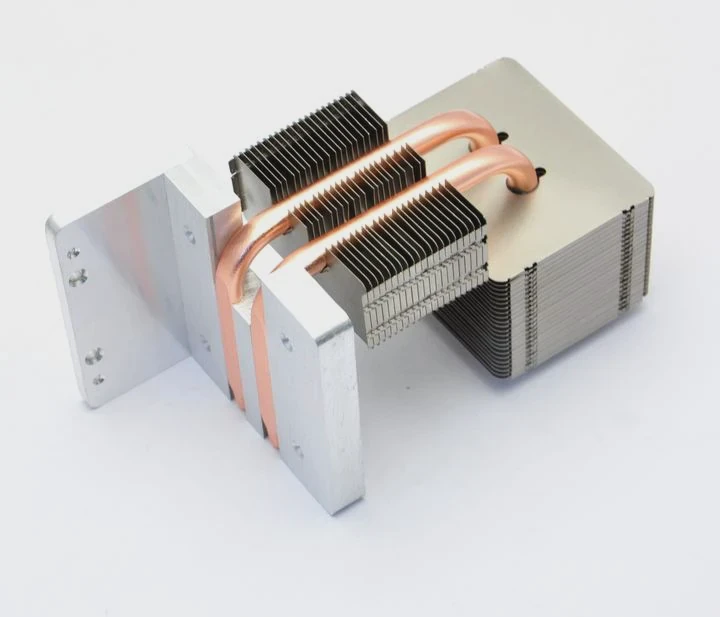
Factors to Consider:
Thermal Conductivity: The higher the thermal conductivity of the liquid, the faster it can absorb and dissipate heat. Water has the highest thermal conductivity, which is why it is often the base fluid in coolants.
Specific Heat Capacity: The ability of a liquid to absorb heat is crucial. Liquids with a high specific heat can absorb more heat before their temperature rises, which makes them more efficient at cooling.
Freezing and Boiling Points: It’s important to choose a coolant that has a low freezing point and a high boiling point to prevent it from freezing in cold conditions or boiling over in high heat. This is especially important in extreme weather conditions.
Viscosity: Lower viscosity coolants circulate more easily, which helps improve cooling performance. Higher viscosity fluids may slow down circulation, reducing heat transfer efficiency.
Choosing the Best Cooling Liquid:
- For most standard applications, a water-based coolant with antifreeze additives works best. It cools quickly and efficiently while protecting against freezing and corrosion.
- If your motorcycle or car operates in extreme temperatures, ethylene glycol or propylene glycol-based coolants are more suitable.
- For high-performance vehicles, synthetic coolants offer the best cooling performance, especially under extreme conditions, though they may be more expensive.
What Are the Innovations in Coolant Science?
Coolant technology has come a long way, and recent innovations in coolant science have led to more efficient, durable, and environmentally friendly coolants. Let’s take a look at the latest advancements.
Recent innovations in coolant science include the development of more efficient, eco-friendly coolants, improved heat transfer technologies, and the use of nanotechnology to enhance thermal properties.
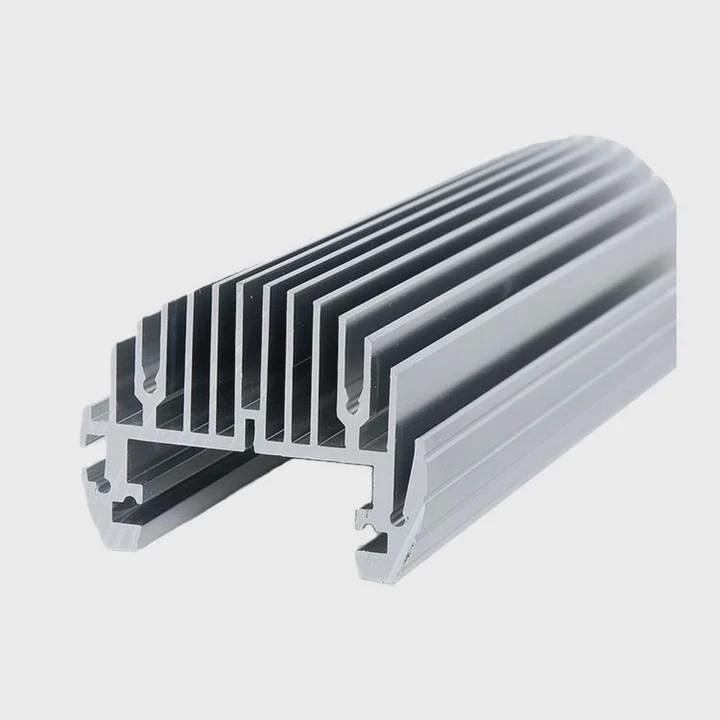
Advancements in Coolant Science:
Nanotechnology in Coolants: Nanoparticles are now being added to coolants to enhance heat transfer properties. These nanoparticles help improve the heat dissipation rate by providing additional surface area for heat exchange, increasing the coolant’s efficiency.
Bio-based Coolants: There’s a growing interest in bio-based coolants, which are derived from natural sources and are more environmentally friendly than traditional coolants. These coolants offer similar thermal performance to conventional coolants but are biodegradable and non-toxic.
Low-Viscosity Coolants: New formulations are focused on creating low-viscosity coolants, which can circulate more easily, reducing the energy required to pump the coolant through the system. This improves cooling performance and reduces fuel consumption.
Hybrid Coolants: Hybrid coolants are designed to combine the best properties of different types of coolants. These advanced coolants are engineered to work effectively in a wide range of temperatures while providing superior heat transfer and corrosion resistance.
Phase Change Coolants: These coolants use phase-change materials to absorb and release heat more efficiently. The coolant changes its state from liquid to solid as it absorbs heat, offering improved thermal storage and cooling efficiency. This technology is still being refined for use in high-performance applications.
The Future of Coolants:
| Innovation | Benefit |
|---|---|
| Nanotechnology | Improved heat transfer and higher efficiency in heat dissipation. |
| Bio-based Coolants | Environmentally friendly, biodegradable, and non-toxic. |
| Low-Viscosity Coolants | Reduced energy consumption and faster coolant circulation. |
| Hybrid Coolants | Optimized performance across a wide range of temperatures. |
| Phase Change Coolants | Enhanced heat storage and efficient heat absorption/release. |
These innovations promise to make cooling systems even more efficient and environmentally conscious, with the potential to revolutionize industries that rely heavily on high-performance engines.
Conclusion
When choosing a coolant, the fastest cooling liquid is typically a water-based coolant due to its high thermal conductivity. However, advanced coolants, including synthetic and bio-based formulas, offer improved performance, especially under extreme conditions. With continuous innovation in coolant science, we’re seeing more efficient, environmentally friendly solutions to meet the needs of modern engines.
TAGS
Latest Articles

Volume discount levels for heat sink orders?
Buyers often ask when heat sink prices start to drop with volume. Many worry they’re overpaying for small orders. This guide explains how B2B volume pricing works for thermal components. Heat sink
21 Dec,2025
Heat sink long-term supply contract options?
Many buyers want stable pricing and reliable delivery for heat sinks. But without a clear contract, risks grow over time. This article explores how to secure better long-term supply deals. Long-term
21 Dec,2025
Tooling cost for new heat sink profiles?
Many engineers struggle to understand why tooling for custom heat sinks costs so much. They worry about budgeting and production timelines. This article breaks down the cost drivers behind tooling.
21 Dec,2025
Heat sink custom sample process steps?
Sometimes, starting a custom heat sink project feels overwhelming—too many steps, too many unknowns, and too many risks. You want a sample, but not endless delays. The process for requesting and
20 Dec,2025
Standard B2B terms for heat sink payments?
When buyers and sellers in B2B heat sink markets talk about payment, many don’t fully understand what’s standard. This can lead to delayed orders, miscommunication, and even lost business
20 Dec,2025
Heat sink pricing factors for large orders?
Heat sinks are vital for many systems. When prices rise, projects stall and budgets break. This problem can hit teams hard without warning. Large order heat sink pricing depends on many factors. You
20 Dec,2025Related Articles
- How to Check a Liquid Cooling System?
- Which Phone Has a Liquid Cooling System?
- Is Alienware Liquid Cooling Worth It?
- How to Screw in a Processor Liquid Cooler?
- Why is a Liquid-Cooled System Pressurized?
- What is Mobile Liquid Cooling?
- How Does a Liquid-Cooled Engine Work?
- What is Liquid Cooled?
- Does Liquid Cooling Evaporate?
- How Tight to Tighten Liquid Cooler on CPU?
- Does RTX 3080 Need Liquid Cooling?
- How Does Liquid Cooling Work in Bikes?
Author
Dr. Emily Chen
Chief AI Researcher
Leading expert in thermal dynamics and AI optimization with over 15 years of experience in data center efficiency research.
Categories
Latest Products






Recommend Categories
- Liquid cooling plate Manufacturer
- Industrial Heat Sink Manufacturer
- Standard Heat Sink Manufacturer
- Aluminum Heat Sink Manufacturer
- Copper Heat Sink Manufacturer
- Anodized Heatsink Manufacturer
- Stamping heat sink Manufacturer
- Die Casting Heatsink Manufacturer
- Soldering heat sink Manufacturer
- CNC Parts Manufacturer
Latest Products
- Wholesale Aluminum Radiator
- Water Cooling Plate Kit
- Water Cooling Heat Sink
- Water Cooling Heat Sink Kit
- Stainless Steel Water Distributor
- Server Water Cooling Plate Kit
- Server Liquid Cooling System
- Server Aluminum Cooling Kit
- S19 Full Cover Cooling Plate
- S19 Cooling Plate Kit
- S19 Aluminum Cooling Plate
Contact Expert
Have questions about this article? Reach out to our experts directly.