What is the best CPU liquid cooler?
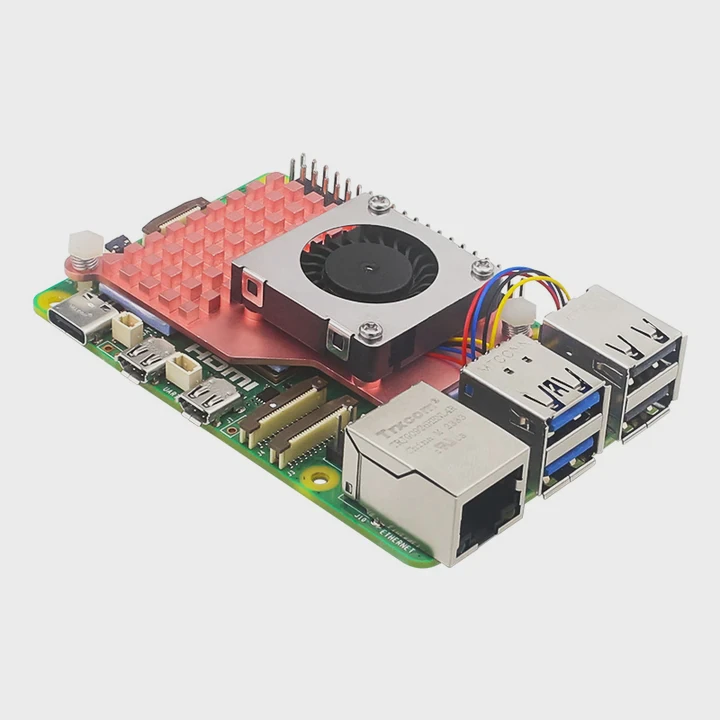
Choosing the best CPU liquid cooler can make a huge difference in system performance, stability, and even aesthetics. With today’s powerful processors generating more heat than ever, efficient cooling is essential to maintain top performance under heavy workloads.
The best CPU liquid cooler is one that delivers excellent thermal performance, quiet operation, long-term reliability, and easy installation while fitting your case and budget.
There’s no single “best” model for everyone — but understanding what makes a high-quality cooler helps you find the right one for your specific needs.
What defines a high-quality CPU liquid cooler?
Liquid coolers vary widely in performance and design. Some are built for quiet operation, while others are optimized for extreme overclocking. The difference between a good and great cooler lies in engineering quality and material design.
A high-quality CPU liquid cooler uses durable materials, efficient pump design, large radiators, high static pressure fans, and low-evaporation tubing for maximum performance and reliability.
Core Features of a High-Quality Cooler
| Feature | Description | Importance |
|---|---|---|
| Pump Efficiency | Circulates coolant quickly and quietly | Critical for thermal transfer |
| Radiator Design | Determines surface area for heat dissipation | Affects cooling capacity |
| Fan Quality | Impacts airflow and noise level | Balances performance and acoustics |
| Tubing Durability | Prevents leaks and evaporation | Ensures long-term reliability |
| Cold Plate Material | Conducts heat from CPU efficiently | Improves temperature control |
| Mounting Hardware | Provides secure and easy installation | Prevents uneven pressure |
Common Sizes
- 120mm or 140mm – Compact builds or moderate CPUs
- 240mm or 280mm – Balanced for gaming and productivity
- 360mm or 420mm – High-end cooling for overclocked or workstation CPUs
Premium coolers typically combine copper cold plates, reinforced tubes, and precision-engineered radiators for superior efficiency and quieter operation.
What are the benefits of premium coolers?
Investing in a premium liquid cooler might seem excessive at first, but it offers several practical advantages — from better thermal performance to overall system health and lifespan.
Premium liquid coolers provide superior heat dissipation, lower noise, longer lifespan, better aesthetics, and improved overclocking stability.
1. Lower CPU Temperatures
High-end coolers have larger radiators and more efficient pumps, reducing CPU temperatures by 5–15°C compared to entry-level models. This ensures stable performance under long gaming or rendering sessions.
2. Quieter Operation
Premium coolers use optimized fan blades and fluid-dynamic bearings, reducing noise even under high load.
3. Extended Hardware Lifespan
Consistent cooling minimizes thermal stress on your CPU and VRMs, extending the life of components.
4. Overclocking Stability
Lower temperatures allow for higher sustained clock speeds and greater system stability for enthusiasts and creators.
5. Aesthetic Customization
Modern premium coolers often include RGB lighting, OLED displays, and sleek finishes that enhance a build’s appearance.
| Benefit | Description | Result |
|---|---|---|
| Cooling Efficiency | Improved heat removal | Lower CPU temps |
| Noise Reduction | Quiet operation | Comfortable acoustics |
| Durability | Quality materials | Long lifespan |
| Overclocking | Thermal headroom | Stable performance |
| Design | RGB and displays | Visual appeal |
Overall, premium coolers combine engineering precision and visual refinement for an ideal balance of function and style.
How to select the best cooler for performance?
With dozens of options available, selecting the right CPU liquid cooler requires evaluating several key factors — performance needs, system layout, and personal priorities.
To select the best CPU liquid cooler, consider CPU TDP, radiator size, case compatibility, fan design, and noise level to match your performance and comfort goals.
Step 1: Check CPU Power Requirements
Your CPU’s TDP (Thermal Design Power) determines the level of cooling required. High-end chips like the Intel i9 or Ryzen 9 benefit from 280mm or 360mm coolers.
Step 2: Verify Case Compatibility
Ensure your PC case supports the radiator length and fan configuration. Most mid-tower cases fit 240mm radiators, while full towers handle 360mm easily.
Step 3: Compare Pump and Fan Design
Choose a pump known for low noise and reliability. Fans with high static pressure perform better through radiator fins.
Step 4: Evaluate Noise vs Performance
If you value silence, pick models with PWM fans that adjust speeds automatically. For maximum performance, prioritize larger radiators and multi-fan setups.
Step 5: Prioritize Brand Reliability and Warranty
Top brands like Corsair, NZXT, Arctic, EKWB, DeepCool, and Cooler Master are known for consistent quality and 3–6 year warranties.
| Category | Example Model | Radiator Size | Highlights |
|---|---|---|---|
| Budget | Cooler Master MasterLiquid 240L Core | 240mm | Reliable performance, affordable |
| Balanced | Corsair iCUE H100i Elite Capellix | 240mm | RGB lighting, quiet fans |
| Performance | Arctic Liquid Freezer II 360 | 360mm | Excellent cooling, low noise |
| Premium | NZXT Kraken Elite 360 | 360mm | OLED display, premium aesthetics |
| Enthusiast | EK-Nucleus CR360 Lux | 360mm | Custom-loop performance, modular design |
Selecting the best cooler comes down to balancing your thermal needs, space constraints, and aesthetic preferences.
What are the market trends in CPU coolers?
As CPUs grow more powerful and compact, cooling technology is rapidly advancing. Manufacturers are introducing smarter, more sustainable, and maintenance-free designs.
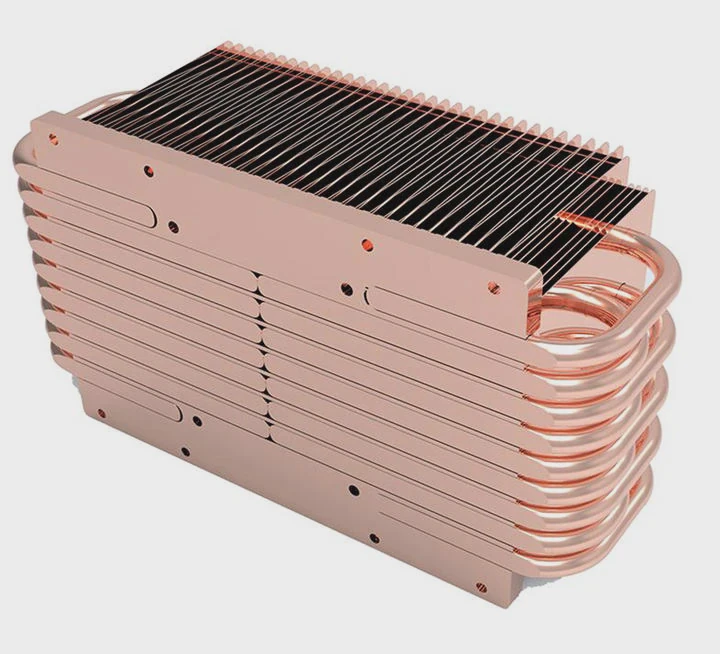
The latest market trends in CPU cooling include AI-controlled systems, hybrid vapor-liquid designs, eco-friendly materials, and modular customization for future upgrades.
1. AI-Based Cooling Control
Intelligent controllers now monitor CPU load and temperature in real time, adjusting fan and pump speeds automatically to optimize performance and noise.
2. Hybrid Cooling Technologies
Manufacturers are combining vapor chambers with micro-channel liquid designs, delivering higher heat dissipation with less liquid volume.
3. Maintenance-Free Designs
Modern sealed AIOs feature low-evaporation tubing and anti-corrosion coolants that can last over five years without refilling or servicing.
4. Eco-Friendly Manufacturing
Cooling companies are reducing environmental impact by using recyclable materials, biodegradable coolants, and energy-efficient pumps.
5. Integrated Display and Software Ecosystems
High-end coolers now feature OLED or LCD panels showing system data, synchronized with RGB and control software for unified customization.
| Trend | Description | Benefit |
|---|---|---|
| AI Cooling | Smart fan/pump management | Efficiency and silence |
| Hybrid Systems | Vapor + liquid designs | Compact high-performance |
| Maintenance-Free | Long-lasting sealed loops | Zero upkeep |
| Eco Design | Sustainable materials | Environmental benefit |
| Smart Displays | Real-time system info | User interaction |
These innovations are transforming CPU coolers from basic hardware components into intelligent, connected, and eco-conscious systems.
Conclusion
The best CPU liquid cooler depends on your priorities — temperature control, silence, or aesthetics. A premium cooler offers excellent thermal performance, reliability, and style while minimizing noise and maintenance. As technology advances, new trends like AI-based control, hybrid designs, and sustainable manufacturing are setting the standard for the next generation of cooling solutions.
TAGS
Latest Articles

Volume discount levels for heat sink orders?
Buyers often ask when heat sink prices start to drop with volume. Many worry they’re overpaying for small orders. This guide explains how B2B volume pricing works for thermal components. Heat sink
21 Dec,2025
Heat sink long-term supply contract options?
Many buyers want stable pricing and reliable delivery for heat sinks. But without a clear contract, risks grow over time. This article explores how to secure better long-term supply deals. Long-term
21 Dec,2025
Tooling cost for new heat sink profiles?
Many engineers struggle to understand why tooling for custom heat sinks costs so much. They worry about budgeting and production timelines. This article breaks down the cost drivers behind tooling.
21 Dec,2025
Heat sink custom sample process steps?
Sometimes, starting a custom heat sink project feels overwhelming—too many steps, too many unknowns, and too many risks. You want a sample, but not endless delays. The process for requesting and
20 Dec,2025
Standard B2B terms for heat sink payments?
When buyers and sellers in B2B heat sink markets talk about payment, many don’t fully understand what’s standard. This can lead to delayed orders, miscommunication, and even lost business
20 Dec,2025
Heat sink pricing factors for large orders?
Heat sinks are vital for many systems. When prices rise, projects stall and budgets break. This problem can hit teams hard without warning. Large order heat sink pricing depends on many factors. You
20 Dec,2025Related Articles
- How to maintain liquid cooling?
- Does the i9 9900K need liquid cooling?
- What is an AIO liquid cooler?
- Which is better, air cooler or liquid cooler?
- What happens when liquid magma is cooled?
- How much does liquid cooling cost?
- How does liquid nitrogen cooling work?
- How to liquid cool your computer?
- How to install a CPU liquid cooler?
- Where to plug in a liquid cooling pump?
- How to refill a liquid cooler?
- Who makes liquid-cooled servers?
Author
Dr. Emily Chen
Chief AI Researcher
Leading expert in thermal dynamics and AI optimization with over 15 years of experience in data center efficiency research.
Categories
Latest Products






Recommend Categories
- Liquid cooling plate Manufacturer
- Industrial Heat Sink Manufacturer
- Standard Heat Sink Manufacturer
- Aluminum Heat Sink Manufacturer
- Copper Heat Sink Manufacturer
- Anodized Heatsink Manufacturer
- Stamping heat sink Manufacturer
- Die Casting Heatsink Manufacturer
- Soldering heat sink Manufacturer
- CNC Parts Manufacturer
Latest Products
- Wholesale Aluminum Radiator
- Water Cooling Plate Kit
- Water Cooling Heat Sink
- Water Cooling Heat Sink Kit
- Stainless Steel Water Distributor
- Server Water Cooling Plate Kit
- Server Liquid Cooling System
- Server Aluminum Cooling Kit
- S19 Full Cover Cooling Plate
- S19 Cooling Plate Kit
- S19 Aluminum Cooling Plate
Contact Expert
Have questions about this article? Reach out to our experts directly.