Typical porosity limits for Vapor Chamber material?
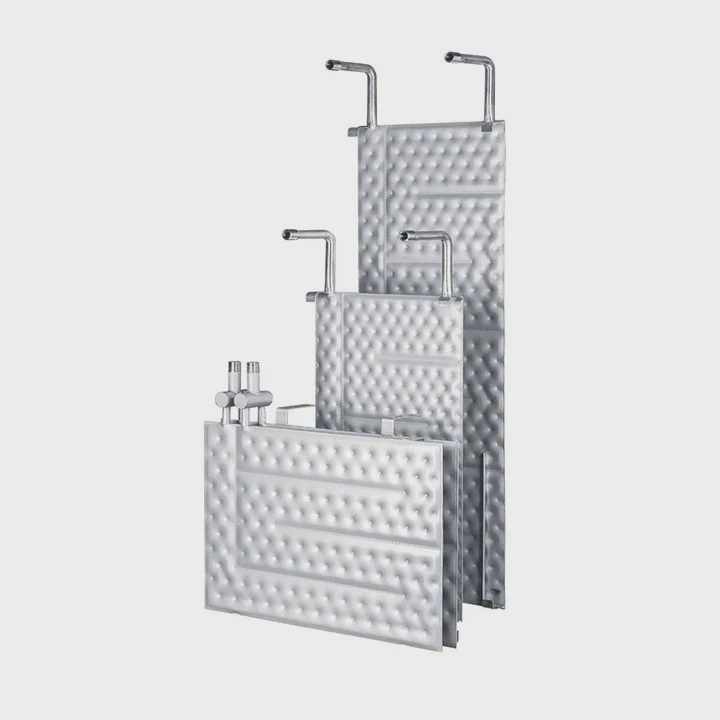
Tiny holes in metal plates can lead to big problems. Porosity weakens structure, leaks vacuum, and wrecks performance. Vapor chambers need perfect plates — but what is “perfect” in practice?
Porosity in vapor chamber materials must be tightly controlled, usually below 1% volume, to ensure structural strength and vacuum sealing integrity.
Read on to learn how porosity is measured, what limits are typical, and how it affects vapor chamber quality.
What is the allowable porosity in Vapor Chamber plates?
Metal looks solid — but microscopic pores can cause leaks or weak spots. The question is how much porosity is too much?
Allowable porosity in vapor chamber plates is typically under 1% by volume, and critical zones may require <0.5% or even near-zero porosity.
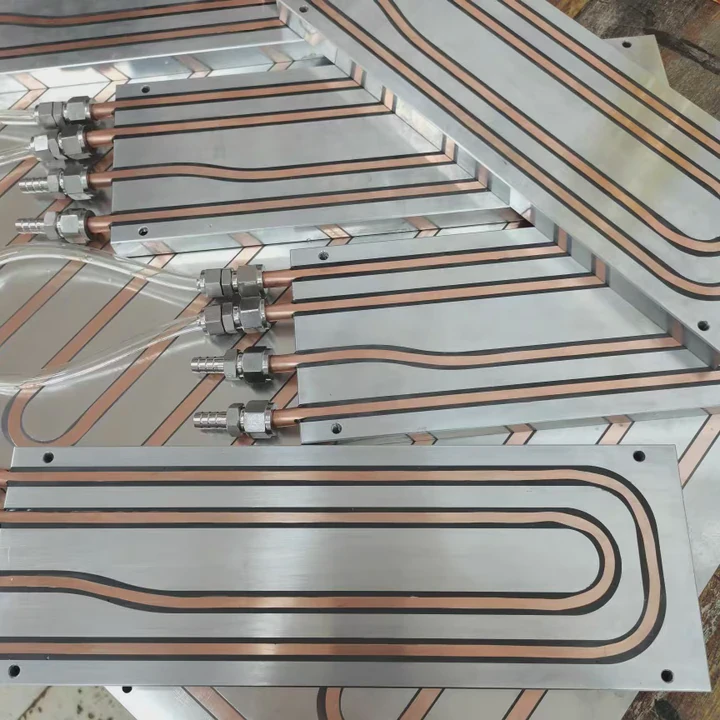
Porosity refers to tiny voids or pockets of air inside the metal, caused during casting, rolling, or sintering processes. In vapor chamber production, even small porosity can cause significant problems:
- Loss of vacuum sealing over time
- Infiltration of moisture or air
- Weakened weld joints or seams
- Poor mechanical strength under pressure or shock
To ensure safety and reliability, most manufacturers define porosity limits in their material specifications. For copper and aluminum used in vapor chambers, the porosity is usually measured as:
- Volume percent of pores in a given cross-section
- Number of pores per unit area above a certain size (e.g. >50 µm)
Typical limits for vapor chamber components:
| Area of the Vapor Chamber | Max Allowable Porosity |
|---|---|
| Outer copper plate (non-weld) | <1.0% volume |
| Sealing zones (near welds) | <0.5% volume or pore-free |
| Wick substrate (sintered) | Engineered porosity (50–70%) |
Unlike the outer plates, the wick structure is intentionally porous to enable capillary action. But for the chamber plates, low porosity is critical.
The allowable porosity level also depends on welding method (laser welds are more sensitive), vacuum level required, and application environment (space or medical devices often need near-zero porosity).
How is porosity measured during inspection?
You can’t fix what you don’t see. Measuring porosity is essential, but how do engineers do it accurately?
Porosity is measured using microscopic imaging, X-ray inspection, and metallographic analysis of cross-sections under high magnification.
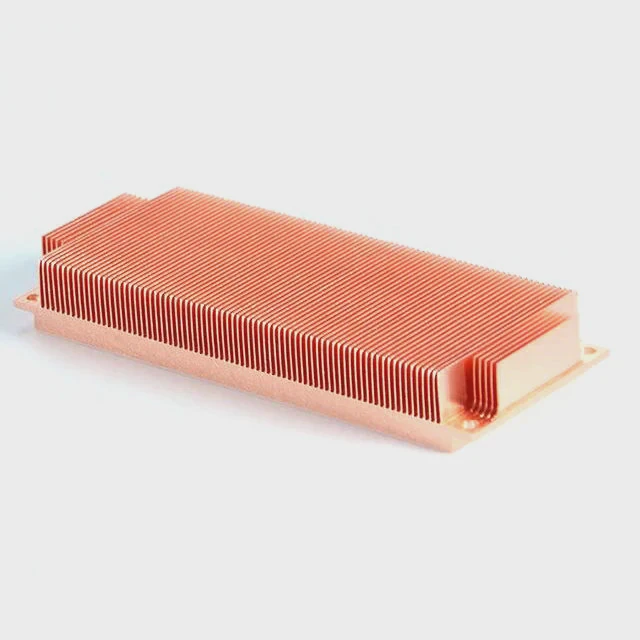
Manufacturers use several inspection techniques to detect and quantify porosity in vapor chamber materials. These tests are typically performed during incoming material inspection, in-process quality checks, or final product validation.
Common Porosity Measurement Methods:
| Method | Description | Typical Use Case |
|---|---|---|
| Optical Microscopy | Cross-section polish + magnified image (50x–500x) | Routine metallographic checks |
| Scanning Electron Microscopy (SEM) | High-resolution imaging of surface and cross-section | Research or failure analysis |
| X-ray/CT Scanning | Non-destructive internal inspection of pores | High-end QC or aerospace-grade parts |
| Image Analysis Software | Quantifies area or volume % of porosity in images | Standard for reportable quality data |
Inspection Process Overview:
- A sample from the copper plate is cut and mounted in epoxy.
- It’s polished to a mirror finish and etched to reveal the grain and pore structure.
- A technician uses a microscope to take images at fixed magnification.
- Image analysis software calculates the number, size, and area fraction of pores.
- Results are compared to acceptance criteria.
Advanced methods like CT scanning can create a 3D map of pores, which helps detect connected porosity (pathways that could leak). This is especially valuable in critical sealing zones.
Engineers also perform leak testing to indirectly verify porosity control. If porosity is too high, chambers may fail helium leak tests or lose vacuum over time.
Porosity inspection is not just about aesthetics. It’s a must for safety and performance in thermal control products.
Does high porosity impact vacuum sealing?
Even microscopic pores can leak over time. That’s why porosity control is key in vapor chambers, especially during sealing.
Yes. High porosity in vapor chamber plates increases the risk of vacuum loss, helium leakage, and long-term reliability failure.
Vacuum sealing is a critical step in vapor chamber manufacturing. Once the inner wick is installed and fluid is charged, the chamber must be sealed while under vacuum. If the chamber walls or welds are porous, two major problems occur:
- Slow vacuum leak through pores
- Gas trapped inside pores slowly escaping later
This can degrade performance by:
- Lowering the internal vacuum level, which raises boiling point and reduces phase-change efficiency.
- Allowing oxygen or moisture to enter, which may oxidize the wick or fluid.
- Causing long-term reliability issues due to pressure changes and material fatigue.
Test Evidence:
In lab tests, vapor chambers with >1.2% porosity showed:
- 3× higher helium leak rate
- 20% loss of thermal performance after 500 thermal cycles
- 15°C higher surface temperature in high-load conditions
That makes porosity a root cause of silent failure. The chamber may pass initial function tests but degrade quickly in field use.
To prevent this, sealing zones — especially near weld beads or vacuum ports — must use low-porosity material, often with a spec of <0.3%. High-porosity plates cannot be reliably sealed using laser or TIG welding due to micro-leak paths.
To help verify integrity, manufacturers conduct:
- Helium leak tests (mass spectrometer-based)
- Vacuum hold tests (monitor internal pressure over time)
- Residual gas analysis (RGA) to detect slow outgassing
These tests help catch porous material or poor weld zones before shipping.
Controlling porosity is not optional — it’s central to vapor chamber design quality.
Are there standard limits for copper porosity?
Different industries, different rules. Are there standard porosity limits for copper in thermal applications?
Yes. Industry standards define copper porosity limits, often <1.0% for structural plates and <0.3% in sealing zones. Specialized uses (aerospace, medical) may require <0.1%.
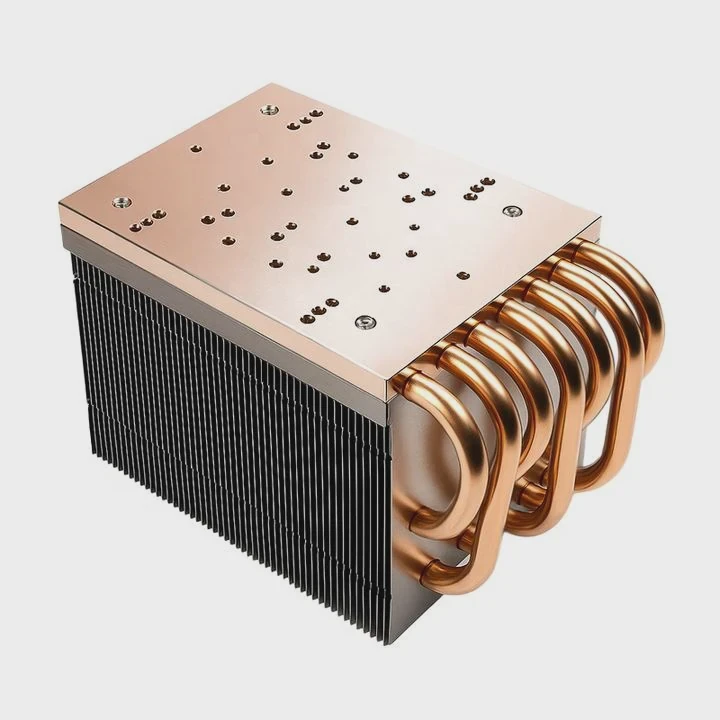
Several organizations and material specs define porosity thresholds for copper used in vacuum, thermal, or pressure-sensitive applications.
Common Standards Referenced:
| Standard Code | Description | Porosity Limit |
|---|---|---|
| ASTM B170 / B152 | Copper sheet and plate standards | Porosity not to affect integrity |
| MIL-C-15726 | Military copper plate spec | <0.5% volume in sealing zones |
| SEMI G88 | Semiconductor module copper plates | Near-zero in weld zones |
| ISO 8573-1 / ISO 945 | General porosity inspection | ≤ 1.0% for general zones |
In the vapor chamber industry, manufacturers often build custom internal standards based on:
- Application type (consumer vs aerospace)
- Vacuum level required
- Welding or joining method
- Life-cycle environment (thermal cycles, humidity, pressure swings)
Some companies go further, applying Class A / Class B grading:
| Porosity Class | Description | Application Examples |
|---|---|---|
| Class A | Ultra-low porosity (<0.1%) | Aerospace, space, vacuum optics |
| Class B | Low porosity (<0.5%) | Industrial vapor chambers, servers |
| Class C | General (<1.0%) | Consumer-grade electronics, laptops |
The best practice is to combine standard limits with real-world testing like leak and cycle life validation. Standards offer a baseline, but performance over time defines the success of porosity control.
Conclusion
Porosity might be invisible, but it decides whether a vapor chamber works or fails. Strict control, careful inspection, and industry-standard limits ensure that copper plates hold vacuum, resist leaks, and support long-term thermal reliability.
TAGS
Latest Articles

Volume discount levels for heat sink orders?
Buyers often ask when heat sink prices start to drop with volume. Many worry they’re overpaying for small orders. This guide explains how B2B volume pricing works for thermal components. Heat sink
21 Dec,2025
Heat sink long-term supply contract options?
Many buyers want stable pricing and reliable delivery for heat sinks. But without a clear contract, risks grow over time. This article explores how to secure better long-term supply deals. Long-term
21 Dec,2025
Tooling cost for new heat sink profiles?
Many engineers struggle to understand why tooling for custom heat sinks costs so much. They worry about budgeting and production timelines. This article breaks down the cost drivers behind tooling.
21 Dec,2025
Heat sink custom sample process steps?
Sometimes, starting a custom heat sink project feels overwhelming—too many steps, too many unknowns, and too many risks. You want a sample, but not endless delays. The process for requesting and
20 Dec,2025
Standard B2B terms for heat sink payments?
When buyers and sellers in B2B heat sink markets talk about payment, many don’t fully understand what’s standard. This can lead to delayed orders, miscommunication, and even lost business
20 Dec,2025
Heat sink pricing factors for large orders?
Heat sinks are vital for many systems. When prices rise, projects stall and budgets break. This problem can hit teams hard without warning. Large order heat sink pricing depends on many factors. You
20 Dec,2025Related Articles
- Vapor Chamber bonding adhesive requirements?
- Can Vapor Chamber reduce overheating issues?
- Vapor Chamber for handheld electronics?
- Does Vapor Chamber increase performance stability?
- How to choose Vapor Chamber thickness?
- Vapor Chamber use in hydrogen energy systems?
- Vapor Chamber for flexible electronics?
- Can Vapor Chamber improve battery safety?
- Vapor Chamber for industrial automation systems?
- Does Vapor Chamber pass aging tests?
- Vapor Chamber suggested testing frequency?
- How to calibrate Vapor Chamber testing equipment?
Author
Dr. Emily Chen
Chief AI Researcher
Leading expert in thermal dynamics and AI optimization with over 15 years of experience in data center efficiency research.
Categories
Latest Products






Recommend Categories
- Liquid cooling plate Manufacturer
- Industrial Heat Sink Manufacturer
- Standard Heat Sink Manufacturer
- Aluminum Heat Sink Manufacturer
- Copper Heat Sink Manufacturer
- Anodized Heatsink Manufacturer
- Stamping heat sink Manufacturer
- Die Casting Heatsink Manufacturer
- Soldering heat sink Manufacturer
- CNC Parts Manufacturer
Latest Products
- Wholesale Aluminum Radiator
- Water Cooling Plate Kit
- Water Cooling Heat Sink
- Water Cooling Heat Sink Kit
- Stainless Steel Water Distributor
- Server Water Cooling Plate Kit
- Server Liquid Cooling System
- Server Aluminum Cooling Kit
- S19 Full Cover Cooling Plate
- S19 Cooling Plate Kit
- S19 Aluminum Cooling Plate
Contact Expert
Have questions about this article? Reach out to our experts directly.