How to change cooling liquid in a car?
Many drivers forget about the cooling system until their engine overheats on a hot day. But one simple habit — changing the cooling liquid — can prevent expensive repairs and improve vehicle performance.
Changing the cooling liquid, also called coolant or antifreeze, involves draining the old fluid, flushing the system, and refilling it with fresh coolant to maintain proper engine temperature and prevent corrosion.
Regular maintenance of your car’s cooling liquid keeps the engine safe, ensures efficiency, and extends the overall lifespan of the vehicle.
What is automotive cooling liquid?
When the engine runs, it produces intense heat. To prevent damage, a special fluid circulates through the engine block and radiator, carrying heat away. This fluid is known as the cooling liquid or coolant.
Automotive coolant is a heat-transfer liquid made from water, glycol, and protective additives that regulate engine temperature and prevent freezing, boiling, or corrosion inside the cooling system.
Composition of Automotive Coolant
Most coolants use a mixture of ethylene glycol or propylene glycol and water. The glycol prevents freezing in cold conditions and raises the boiling point under heat. Additives in the fluid protect against rust, oxidation, and scale buildup.
| Component | Function | Typical Ratio |
|---|---|---|
| Water | Carries heat | 50% |
| Ethylene/Propylene Glycol | Prevents freezing & boiling | 50% |
| Additives | Inhibit corrosion and deposits | % |
Types of Coolant
- Inorganic Acid Technology (IAT): Common in older vehicles, usually green in color. Contains silicate and phosphate inhibitors for corrosion protection.
- Organic Acid Technology (OAT): Used in modern vehicles. Longer life and usually orange or red.
- Hybrid Organic Acid Technology (HOAT): Combines both systems for extended protection, often yellow or blue.
Each vehicle manufacturer recommends a specific type of coolant. Using the wrong one can reduce performance or cause chemical reactions that damage seals and metals.
How Coolant Works
When the engine runs, the coolant absorbs heat and circulates to the radiator. There, it releases the heat into the air before returning to the engine. This continuous cycle maintains the engine’s operating temperature between 85°C and 105°C, which is crucial for efficiency and emissions control.
Why is changing coolant necessary?
Coolant doesn’t last forever. Over time, the fluid breaks down, loses its protective additives, and becomes contaminated with rust and debris. This can lead to overheating and mechanical damage.
Changing coolant is essential because it restores corrosion protection, improves heat transfer, and prevents buildup of scale or sludge inside the radiator and water pump.
Signs That Coolant Needs to Be Changed
- Temperature gauge shows overheating
- Coolant appears brown, cloudy, or oily
- Strange smell from engine bay
- Leaks or drops in coolant level
- Heater performance decreases
Risks of Not Changing Coolant
- Corrosion and Rust: Old coolant loses its inhibitors, allowing metal parts like the radiator and water pump to corrode.
- Clogged Passages: Sediment and rust flakes can block coolant flow, leading to overheating.
- Seal and Hose Damage: Acidic coolant degrades rubber and gaskets, causing leaks.
- Reduced Efficiency: The engine must work harder to maintain temperature, consuming more fuel.
Recommended Replacement Interval
| Coolant Type | Change Interval | Color Example |
|---|---|---|
| IAT | Every 2 years or 40,000 km | Green |
| OAT | Every 5 years or 100,000 km | Orange/Red |
| HOAT | Every 5 years or 100,000 km | Yellow/Blue |
Real-World Experience
Once, I delayed changing coolant in my old sedan. After three years, I noticed the temperature gauge creeping up. A flush revealed thick brown residue — a clear sign of corrosion. Replacing it not only fixed the overheating but also improved engine performance. Since then, I follow the schedule strictly.
How to replace car coolant safely?
Changing coolant at home is simple if done carefully. You only need basic tools and a few safety precautions to avoid burns or spills.
To replace coolant safely, let the engine cool completely, drain the old fluid, flush the system, and refill it with the correct new coolant mix, ensuring no air pockets remain.
Step-by-Step Process
Step 1: Preparation
- Park the car on a flat surface and turn off the engine.
- Wait at least 30 minutes until the engine is cool.
- Wear gloves and safety glasses.
- Gather tools: wrench, drain pan, funnel, and new coolant.
Step 2: Locate the Drain Plug
Open the hood and find the radiator drain plug or petcock at the bottom of the radiator. Place a large container underneath to catch old fluid.
Step 3: Drain the Old Coolant
Remove the radiator cap slowly to release pressure. Open the drain plug and let the coolant flow out. Avoid contact with skin — used coolant can be toxic.
Step 4: Flush the System
Close the drain plug and fill the system with clean distilled water. Start the engine for a few minutes, then drain again. This removes any residue or rust. Repeat if the water still looks dirty.
Step 5: Refill with New Coolant
Mix the new coolant with distilled water (usually 50⁄50 unless pre-mixed). Slowly pour the coolant into the radiator and reservoir. Avoid overfilling.
Step 6: Bleed Air from the System
Air pockets can cause overheating. Start the engine with the radiator cap off and let it idle until the thermostat opens. Add coolant if the level drops.
Step 7: Check for Leaks
After sealing the cap, check hoses and connections for leaks. Dispose of old coolant at a recycling center — never pour it down a drain.
Important Safety Tips
- Never open a hot radiator cap — steam can cause burns.
- Always use distilled water, not tap water.
- Keep pets away from coolant spills — it is poisonous.
- Verify the coolant color and type recommended in your owner’s manual.
| Safety Measure | Reason |
|---|---|
| Let engine cool | Avoid burns from hot coolant |
| Use gloves | Prevent skin irritation |
| Dispose properly | Environmental protection |
| Check for leaks | Prevent overheating |
After Replacement
Take the car for a short drive and monitor the temperature gauge. Check the coolant level again the next day, as trapped air may cause a small drop. Top up if needed.
Replacing coolant takes about an hour, and the benefits are long-lasting — stable temperatures, better performance, and a cleaner engine system.
What are the trends in vehicle maintenance fluids?
The world of automotive fluids is evolving fast. As engines, materials, and regulations change, so do the formulas behind coolant and lubricants.
Modern trends in vehicle maintenance fluids focus on extended life, eco-friendly ingredients, and multi-vehicle compatibility through advanced additive technology.
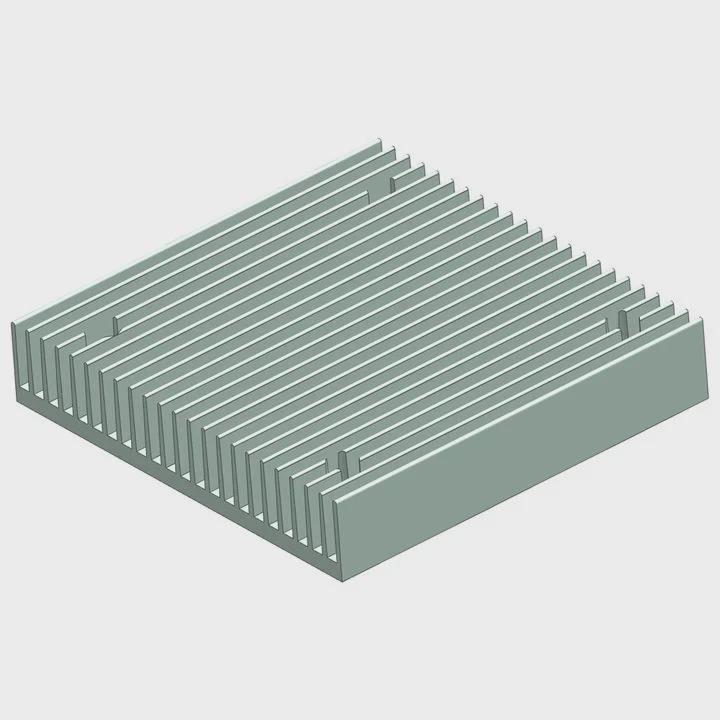
1. Extended-Life Coolants
New coolants can last up to 10 years or 250,000 km thanks to improved organic acid inhibitors. They reduce waste and lower maintenance costs for drivers. Manufacturers now promote “fill-for-life” fluids for sealed systems.
2. Environmentally Friendly Formulas
Old ethylene glycol coolants are toxic. The shift toward propylene glycol-based or biodegradable fluids is growing. These are safer for humans, pets, and the environment without compromising performance.
3. Universal Compatibility
Modern HOAT coolants are designed to work with both aluminum and iron engines, reducing the risk of wrong-fluid damage. Multi-vehicle coolants simplify maintenance for mixed fleets.
4. Electric Vehicle (EV) Coolants
EVs use special dielectric coolants that manage heat from batteries and electronics without conducting electricity. These fluids have different viscosity and stability requirements compared to traditional engine coolants.
5. Smart Fluids and Sensors
Some premium vehicles now use coolant sensors that measure pH, temperature, and conductivity in real-time. These sensors alert drivers when fluid performance drops, making maintenance predictive rather than reactive.
6. Recycled and Synthetic Fluids
Recycled glycol technology converts old coolant into purified base material for reuse. Synthetic coolant bases resist oxidation and scale formation longer than natural ones.
7. Integration with Other Fluids
Future vehicles aim for systems that share similar fluid bases across components — such as combining cooling, transmission, and lubrication fluids — to simplify maintenance.
Table: Key Trends in Automotive Fluids
| Trend | Description | Benefit |
|---|---|---|
| Long-Life Coolants | OAT and HOAT formulas with 10-year lifespan | Reduced maintenance |
| Eco-Friendly Bases | Propylene glycol or bio-based | Lower toxicity |
| EV Dielectric Fluids | For battery and inverter cooling | Electrical safety |
| Smart Monitoring | Real-time fluid sensors | Predictive maintenance |
| Recycled Coolant | Reprocessed glycol fluids | Environmental sustainability |
Industry Outlook
The coolant market is adapting to a world where engines are more compact and efficient. As hybrid and electric vehicles rise, thermal management is becoming a critical factor for performance and safety. Manufacturers are also investing in nanofluids and phase-change materials that could revolutionize cooling in the next decade.
My Observation
In my workshop, I’ve seen customers move toward longer-life and eco-friendly coolants. They ask fewer questions about color and more about chemistry. It’s a sign that drivers now understand maintenance is science-based, not just routine.
Conclusion
Changing the cooling liquid is a simple but vital part of car maintenance. It keeps the engine at the right temperature, prevents corrosion, and extends the vehicle’s life. Modern coolants last longer, protect better, and adapt to new engine technologies. The best practice is always the same — follow your vehicle’s guide, use the right fluid, and keep your engine cool for years to come.
TAGS
Latest Articles

Volume discount levels for heat sink orders?
Buyers often ask when heat sink prices start to drop with volume. Many worry they’re overpaying for small orders. This guide explains how B2B volume pricing works for thermal components. Heat sink
21 Dec,2025
Heat sink long-term supply contract options?
Many buyers want stable pricing and reliable delivery for heat sinks. But without a clear contract, risks grow over time. This article explores how to secure better long-term supply deals. Long-term
21 Dec,2025
Tooling cost for new heat sink profiles?
Many engineers struggle to understand why tooling for custom heat sinks costs so much. They worry about budgeting and production timelines. This article breaks down the cost drivers behind tooling.
21 Dec,2025
Heat sink custom sample process steps?
Sometimes, starting a custom heat sink project feels overwhelming—too many steps, too many unknowns, and too many risks. You want a sample, but not endless delays. The process for requesting and
20 Dec,2025
Standard B2B terms for heat sink payments?
When buyers and sellers in B2B heat sink markets talk about payment, many don’t fully understand what’s standard. This can lead to delayed orders, miscommunication, and even lost business
20 Dec,2025
Heat sink pricing factors for large orders?
Heat sinks are vital for many systems. When prices rise, projects stall and budgets break. This problem can hit teams hard without warning. Large order heat sink pricing depends on many factors. You
20 Dec,2025Related Articles
- How to check if a liquid cooler is working?
- What is the difference between water cooling and liquid cooling?
- Is a Liquid CPU Cooler Worth It?
- Is liquid cooling quieter than fans?
- Which is better, oil-cooled or liquid-cooled engine?
- How to replace liquid cooling?
- Is air-cooled better than liquid?
- When do you need liquid cooling?
- How much better is liquid cooling?
- Where to mount liquid cooling radiator?
- Is it worth liquid cooling your GPU?
- What’s better, liquid-cooled or air-cooled?
Author
Dr. Emily Chen
Chief AI Researcher
Leading expert in thermal dynamics and AI optimization with over 15 years of experience in data center efficiency research.
Categories
Latest Products
Recommend Categories
- Liquid cooling plate Manufacturer
- Industrial Heat Sink Manufacturer
- Standard Heat Sink Manufacturer
- Aluminum Heat Sink Manufacturer
- Copper Heat Sink Manufacturer
- Anodized Heatsink Manufacturer
- Stamping heat sink Manufacturer
- Die Casting Heatsink Manufacturer
- Soldering heat sink Manufacturer
- CNC Parts Manufacturer
Latest Products
- Wholesale Aluminum Radiator
- Water Cooling Plate Kit
- Water Cooling Heat Sink
- Water Cooling Heat Sink Kit
- Stainless Steel Water Distributor
- Server Water Cooling Plate Kit
- Server Liquid Cooling System
- Server Aluminum Cooling Kit
- S19 Full Cover Cooling Plate
- S19 Cooling Plate Kit
- S19 Aluminum Cooling Plate
Contact Expert
Have questions about this article? Reach out to our experts directly.