What is the difference between water cooling and liquid cooling?
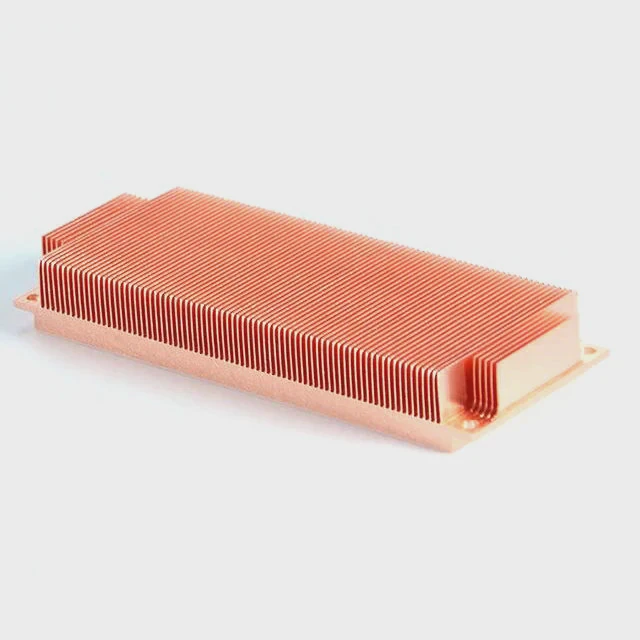
Many people use the terms “water cooling” and “liquid cooling” as if they mean the same thing. But are they really identical?
Water cooling uses pure or distilled water as the coolant, while liquid cooling refers to a broader category that includes water-based or engineered coolants with additives for better stability and performance.
At first glance, both systems seem similar—they circulate a fluid to absorb and dissipate heat. However, the choice between them affects performance, reliability, maintenance, and lifespan.
What defines water and liquid cooling systems?
When people say “water cooling,” they usually imagine a simple setup with tubes, a pump, a radiator, and distilled water inside. “Liquid cooling,” on the other hand, can mean more advanced systems that use special fluids to enhance efficiency and prevent corrosion.
Water cooling systems rely mainly on distilled water, while liquid cooling systems use engineered coolants with chemical additives to control corrosion, conductivity, and temperature range.
Understanding the two systems
| Aspect | Water Cooling | Liquid Cooling |
|---|---|---|
| Coolant Composition | Distilled or deionized water | Water mixed with glycol or engineered fluids |
| Corrosion Protection | Low, needs additives | High, already formulated |
| Thermal Conductivity | Very high | Slightly lower |
| Maintenance | More frequent | Lower, longer lifespan |
| Application | DIY or lab systems | Consumer, industrial, and aerospace |
How they work
Both systems use the same principle—heat absorption and dissipation through convection. Heat is transferred from the source (CPU, GPU, or power electronics) to the coolant via a cold plate or block. The fluid then carries the heat to a radiator, where it releases it into the air before cycling back.
In water cooling, distilled water is often chosen for its high thermal conductivity and low cost. But it can cause corrosion or algae growth over time if additives are not used.
In liquid cooling, special coolants (like ethylene glycol, propylene glycol, or dielectric fluids) are designed to overcome those weaknesses. They protect against corrosion, inhibit microbial growth, and can operate safely across wider temperature ranges.
What are the benefits of each type?
Both water and liquid cooling have their strengths. The right choice depends on the application, the environment, and how much maintenance you can handle.
Water cooling provides the best raw thermal performance, while liquid cooling offers better reliability, corrosion protection, and reduced maintenance.
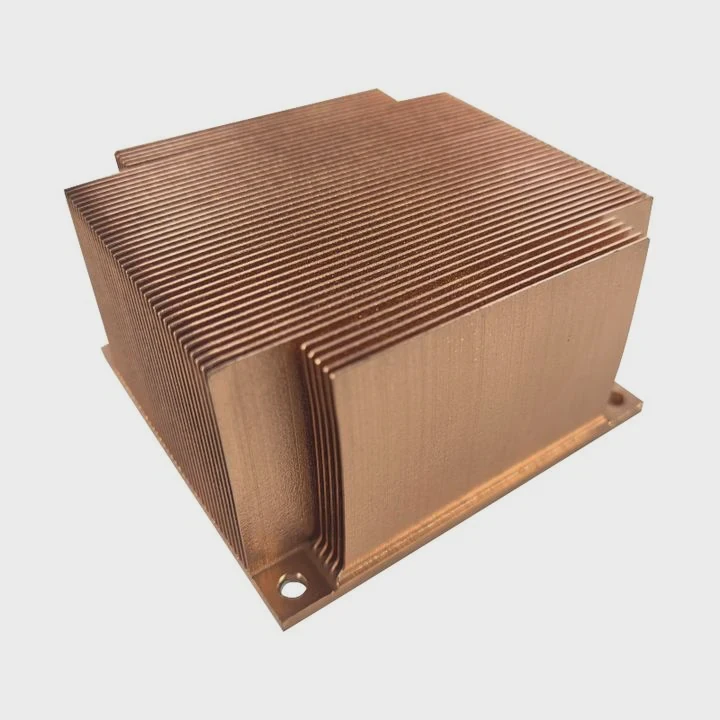
Benefits of water cooling
- Superior thermal transfer: Pure water has one of the highest heat capacities of any common liquid, allowing it to absorb more heat per unit volume.
- Low cost: Distilled water is inexpensive and easy to replace.
- Ideal for testing or short-term use: In laboratories or DIY setups, where maintenance is frequent, water works perfectly.
Benefits of liquid cooling
- Corrosion protection: Additives prevent oxidation inside copper, aluminum, or nickel components.
- Long-term stability: Engineered coolants can last years without replacement.
- Reduced microbial growth: Biocides stop algae and bacteria that might clog tubes.
- Lower electrical conductivity: Some coolants are non-conductive, reducing risk if leaks occur.
- Wider temperature range: Glycol-based fluids resist freezing and boiling, making them ideal for extreme environments.
Comparison summary
| Feature | Water Cooling | Liquid Cooling |
|---|---|---|
| Heat Conductivity | Excellent | Very good |
| Long-Term Reliability | Moderate | Excellent |
| Maintenance Needs | Frequent | Minimal |
| Safety (Leak Impact) | Risky | Safer |
| Environmental Range | Limited | Broad |
| Ideal Users | Hobbyists, labs | Professionals, industry |
In short, water cooling wins in pure efficiency, while liquid cooling wins in long-term reliability and safety.
I remember when I used distilled water in my first custom loop—it cooled beautifully for a few months, but later I saw white buildup in the tubes. After switching to a glycol-based coolant, the flow stayed clean and silent for over two years with no issues.
How to choose between water and liquid cooling?
Selecting between water and liquid cooling depends on your goals: do you want the absolute best thermal performance, or a worry-free long-term solution?
Choose water cooling for maximum heat transfer efficiency, and liquid cooling for long-term durability, safety, and lower maintenance.
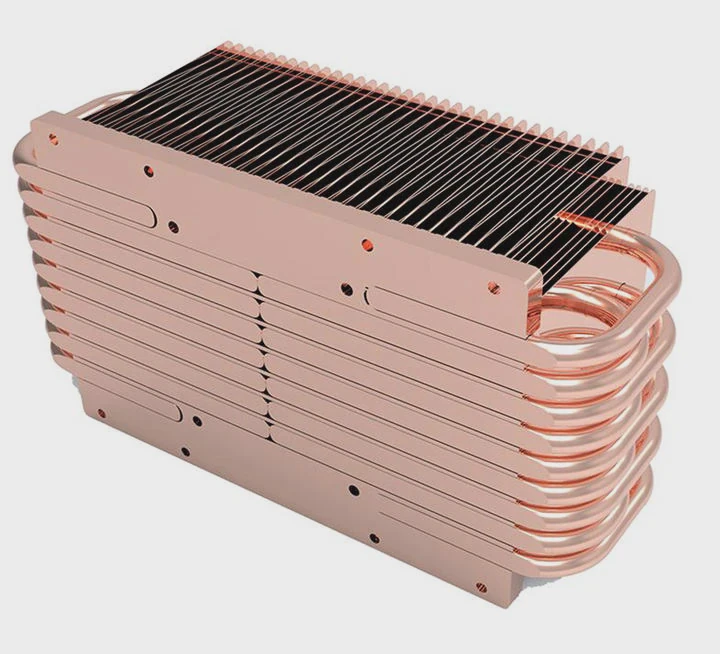
Step 1: Define your purpose
If you’re building a high-performance system or testing setup where you need to remove large amounts of heat quickly, water cooling provides unmatched performance. But if your project must run continuously, such as in data centers or industrial equipment, liquid cooling is more reliable.
Step 2: Consider maintenance
Water-based systems need periodic draining and cleaning to prevent scaling and corrosion. In comparison, modern liquid cooling solutions can run for years without needing fluid replacement.
Step 3: Evaluate safety and risk
Distilled water conducts electricity if impurities enter. A small leak can damage electronics. Many engineered coolants are dielectric, meaning they do not conduct electricity even if spilled. This makes them safer for high-value hardware or tight enclosures.
Step 4: Environmental conditions
If the system operates in cold or outdoor environments, glycol-based coolants are essential. They prevent freezing below 0°C and boiling at high temperatures, keeping the system stable across different climates.
Example decision guide
| Use Case | Recommended Cooling Type | Reason |
|---|---|---|
| Gaming PC | Water Cooling | Best heat transfer and DIY flexibility |
| Industrial Power System | Liquid Cooling | Reliable and low maintenance |
| Aerospace Equipment | Liquid Cooling | Temperature stability and low conductivity |
| R&D Laboratory | Water Cooling | Easy to clean and modify |
| Medical Imaging | Liquid Cooling | Safety and contamination control |
When performance matters more than longevity, I go with water cooling. But for commercial or professional systems, I always prefer liquid cooling. It saves time, reduces risk, and keeps performance stable year after year.
What are the latest cooling technology trends?
Cooling technology is evolving quickly. Today’s systems are smarter, quieter, and more efficient than ever.
The latest cooling trends include hybrid cooling systems, dielectric fluids, microchannel cold plates, and AI-controlled thermal management.
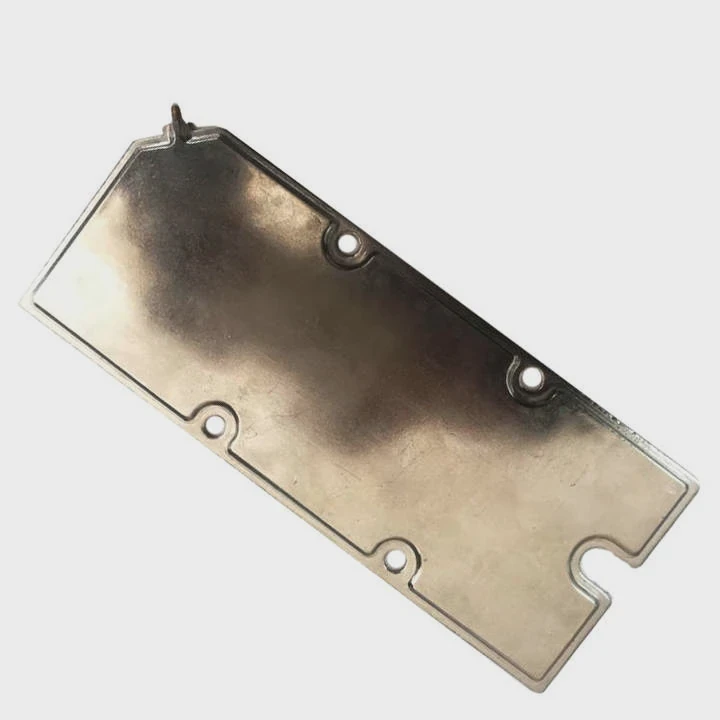
1. Hybrid cooling
Hybrid systems combine air and liquid cooling. They use air for light loads and switch to liquid under high thermal stress. This balance reduces noise and saves energy. Some industrial servers already use hybrid systems to manage variable workloads efficiently.
2. Dielectric fluids
These fluids are fully non-conductive and can directly submerge electronic components. Immersion cooling with dielectric liquids eliminates the need for fans or radiators. It’s used in data centers and EV battery systems to maintain uniform temperatures.
3. Microchannel and vapor chamber plates
Microchannel technology uses ultra-thin fluid channels etched into metal plates to increase surface area and speed up heat transfer. Vapor chambers spread heat evenly across flat surfaces, enabling compact cooling modules for laptops and aerospace electronics.
4. AI-controlled cooling management
AI now plays a big role in controlling fan and pump speeds dynamically. It learns temperature patterns and predicts workload changes, adjusting cooling performance in advance. This improves both noise control and energy efficiency.
5. Phase-change and two-phase cooling
This technique uses evaporation and condensation of a fluid to absorb large amounts of heat. It’s widely used in high-performance CPUs, GPUs, and laser systems. Phase-change cooling maintains very stable temperatures even during peak power usage.
Technology trend summary
| Trend | Description | Main Benefit |
|---|---|---|
| Hybrid Cooling | Combines air and liquid | Flexible, efficient |
| Dielectric Immersion | Non-conductive fluid immersion | Silent and safe |
| Microchannel Design | Narrow fluid channels | High heat transfer |
| AI Thermal Control | Adaptive control via sensors | Smart optimization |
| Phase-Change Cooling | Evaporation-condensation cycle | Stable performance |
Looking ahead
In the near future, cooling systems will become part of smart ecosystems. Devices will communicate in real time, sharing temperature data to balance thermal loads. Materials like graphene and advanced ceramics may further boost conductivity while keeping systems lightweight.
As I work on thermal management projects, I often see how this evolution connects across industries—from 5G base stations to electric vehicles and even aerospace. The push for silence, stability, and efficiency keeps driving innovation forward.
Conclusion
Water and liquid cooling share the same core idea but differ in coolant type and system behavior. Water cooling gives you the best raw performance, while liquid cooling provides superior protection and lower upkeep. With hybrid systems and smart cooling on the rise, the future of thermal management is efficient, quiet, and intelligent.
TAGS
Latest Articles

Volume discount levels for heat sink orders?
Buyers often ask when heat sink prices start to drop with volume. Many worry they’re overpaying for small orders. This guide explains how B2B volume pricing works for thermal components. Heat sink
21 Dec,2025
Heat sink long-term supply contract options?
Many buyers want stable pricing and reliable delivery for heat sinks. But without a clear contract, risks grow over time. This article explores how to secure better long-term supply deals. Long-term
21 Dec,2025
Tooling cost for new heat sink profiles?
Many engineers struggle to understand why tooling for custom heat sinks costs so much. They worry about budgeting and production timelines. This article breaks down the cost drivers behind tooling.
21 Dec,2025
Heat sink custom sample process steps?
Sometimes, starting a custom heat sink project feels overwhelming—too many steps, too many unknowns, and too many risks. You want a sample, but not endless delays. The process for requesting and
20 Dec,2025
Standard B2B terms for heat sink payments?
When buyers and sellers in B2B heat sink markets talk about payment, many don’t fully understand what’s standard. This can lead to delayed orders, miscommunication, and even lost business
20 Dec,2025
Heat sink pricing factors for large orders?
Heat sinks are vital for many systems. When prices rise, projects stall and budgets break. This problem can hit teams hard without warning. Large order heat sink pricing depends on many factors. You
20 Dec,2025Related Articles
- Is a Liquid CPU Cooler Worth It?
- Is liquid cooling quieter than fans?
- Which is better, oil-cooled or liquid-cooled engine?
- How to replace liquid cooling?
- How to check if my liquid cooling is working?
- Is liquid cooling safe?
- How to check if a liquid cooler is working?
- How to change cooling liquid in a car?
- Is air-cooled better than liquid?
- When do you need liquid cooling?
- How much better is liquid cooling?
- Where to mount liquid cooling radiator?
Author
Dr. Emily Chen
Chief AI Researcher
Leading expert in thermal dynamics and AI optimization with over 15 years of experience in data center efficiency research.
Categories
Latest Products






Recommend Categories
- Liquid cooling plate Manufacturer
- Industrial Heat Sink Manufacturer
- Standard Heat Sink Manufacturer
- Aluminum Heat Sink Manufacturer
- Copper Heat Sink Manufacturer
- Anodized Heatsink Manufacturer
- Stamping heat sink Manufacturer
- Die Casting Heatsink Manufacturer
- Soldering heat sink Manufacturer
- CNC Parts Manufacturer
Latest Products
- Wholesale Aluminum Radiator
- Water Cooling Plate Kit
- Water Cooling Heat Sink
- Water Cooling Heat Sink Kit
- Stainless Steel Water Distributor
- Server Water Cooling Plate Kit
- Server Liquid Cooling System
- Server Aluminum Cooling Kit
- S19 Full Cover Cooling Plate
- S19 Cooling Plate Kit
- S19 Aluminum Cooling Plate
Contact Expert
Have questions about this article? Reach out to our experts directly.