When do you need liquid cooling?

Many systems work fine with air cooling, but some reach a point where fans and heat sinks cannot keep up. At that moment, liquid cooling becomes not only useful but essential.
You need liquid cooling when air cooling cannot remove enough heat efficiently. It is required for high-power, high-density, or temperature-sensitive systems that demand stable performance.
In this article, I will explain when liquid cooling becomes necessary, which conditions require it, what benefits it brings, how to decide if your system needs it, and what trends are shaping its future.
What situations require liquid cooling?
As devices become smaller and more powerful, air cooling often fails to meet performance needs. I have seen this in electric vehicles, data centers, and semiconductor systems.
Liquid cooling is required in high-heat applications like EV batteries, data centers, aerospace systems, and industrial electronics where heat density is too high for air.
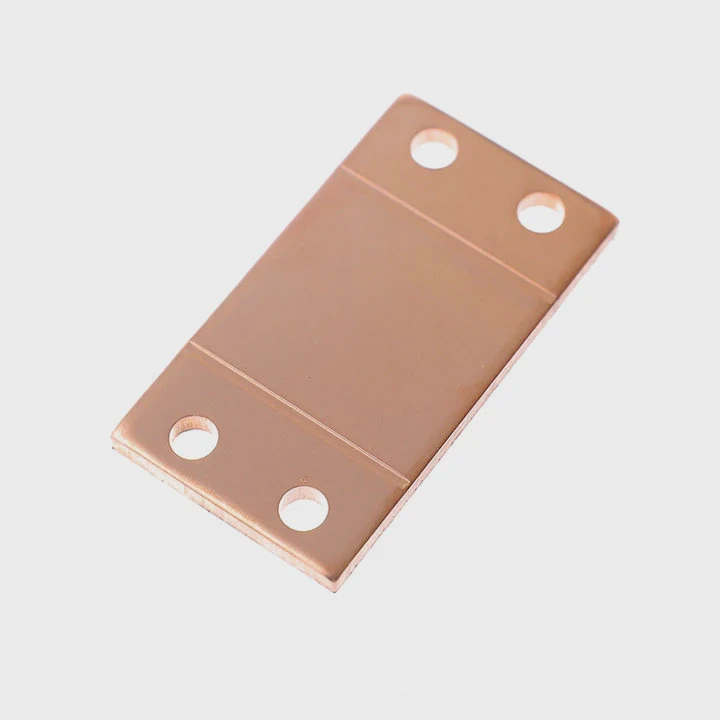
When we design a power module or energy storage system, we always start with a heat balance analysis. If the thermal load exceeds 200 W per square centimeter, or if components must stay under 60 °C, air cooling is no longer enough. Liquid cooling transfers heat hundreds of times faster because fluids absorb and move energy much more effectively than air.
Typical Use Cases
| Industry | Application | Heat Density | Cooling Type |
|---|---|---|---|
| Electric vehicles | Battery packs, power inverters | High (100–300 W/cm²) | Liquid cooling |
| Data centers | CPUs, GPUs, servers | Very high (up to 400 W/cm²) | Liquid immersion or cold plates |
| Aerospace | Avionics and radar systems | Medium to high | Two-phase liquid cooling |
| Renewable energy | Inverters, converters | High | Cold plate liquid cooling |
Real-world Insight
I once helped design a cooling system for a satellite component. Airflow was impossible in a vacuum environment, so we used a liquid-cooled aluminum plate connected to a radiator. It kept the electronics stable for years in orbit. This experience taught me that sometimes, liquid cooling is not a luxury—it is the only option.
Systems that operate continuously under heavy loads or in compact enclosures benefit the most. The more compact the space, the harder it is for air to flow. Liquid cooling solves this by removing heat directly from the source.
What are the benefits of using it?
People often think liquid cooling is just “fancier air cooling,” but that’s far from true. Its advantages go beyond temperature.
Liquid cooling provides higher heat transfer efficiency, smaller size, lower noise, and longer equipment lifespan compared to air cooling.
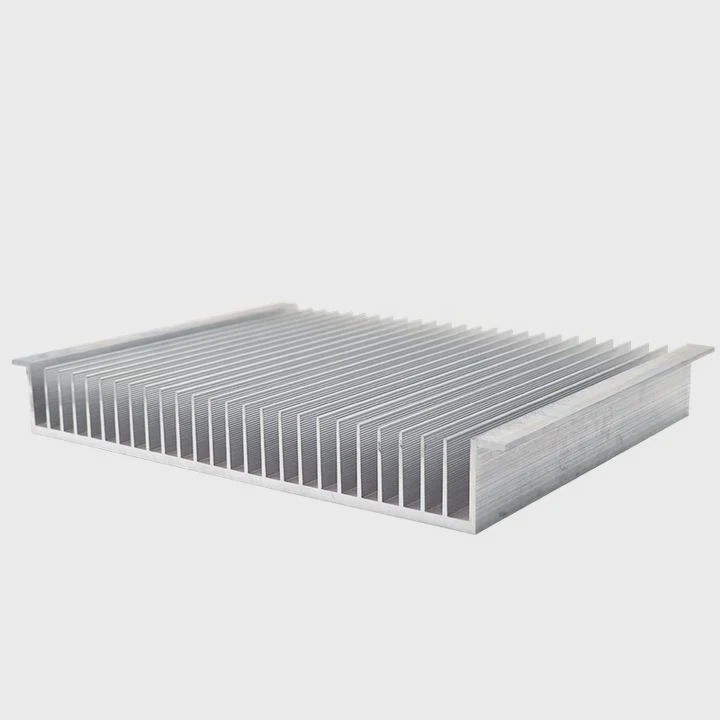
Liquid cooling systems can move large amounts of heat with minimal temperature rise. This helps maintain consistent performance even under heavy workloads. I have seen customers reduce component failure rates by 30% after switching from air to liquid systems.
Key Benefits Overview
| Benefit | Description | Typical Improvement |
|---|---|---|
| High thermal efficiency | Transfers heat faster and more evenly | 10× air cooling |
| Compact size | Allows smaller enclosures | 30–50% smaller |
| Silent operation | No large fans required | <30 dB noise |
| Energy savings | Reduces power for fans | 20–40% less power |
| Extended lifespan | Keeps components at stable temperature | +3–5 years average |
Performance and Longevity
When temperature fluctuations are minimized, mechanical stress decreases. This means solder joints and circuit materials last longer. For example, in electric vehicle power modules, a temperature swing of only ±3 °C can double the system’s life compared to ±10 °C.
Another hidden advantage is stability. Liquid cooling maintains near-constant temperature even when external conditions change. That’s why critical applications like medical lasers and 5G base stations depend on it—they cannot afford performance drops during operation.
How to decide if your system needs it?
Not every project requires liquid cooling, so the decision should be based on heat load, performance goals, and reliability expectations.
You should consider liquid cooling when air systems cannot maintain safe temperatures, cause noise, or limit product performance and miniaturization.
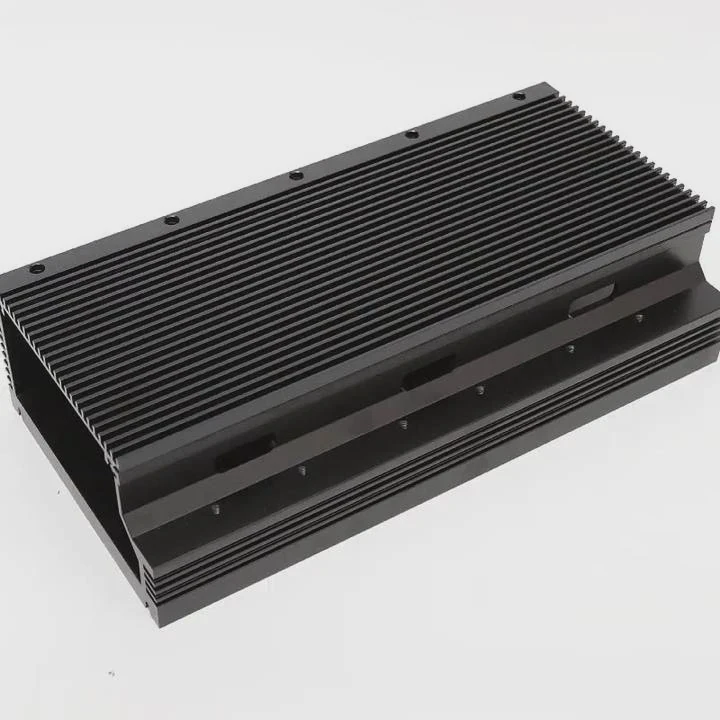
Before choosing, engineers must calculate total heat generation and evaluate temperature limits of key components. This process includes simulation and prototype testing.
Decision Checklist
| Criteria | Question to Ask | Indicator for Liquid Cooling |
|---|---|---|
| Heat density | Is heat >150 W/cm²? | Yes |
| Noise limits | Is low noise required? | Yes |
| Size constraint | Is airflow limited by design? | Yes |
| Reliability | Is consistent temperature critical? | Yes |
| Maintenance | Is regular fan cleaning difficult? | Yes |
My Experience in Decision Making
I once worked with a customer in renewable energy. Their inverter system failed under summer heat despite multiple fans. After testing, we discovered hotspots exceeding 95 °C. We switched to liquid cold plates, reducing temperature to 55 °C and extending life expectancy by more than five years.
In general, if your system must run 24⁄7, handle high power, or fit into compact spaces, liquid cooling is worth serious consideration. The initial investment pays off in reliability and performance stability.
What are the adoption trends in cooling systems?
Technology trends show a clear shift toward liquid cooling across many industries. What used to be limited to high-end servers is now becoming mainstream.
Adoption of liquid cooling is rising rapidly in data centers, EVs, and renewable energy systems due to higher power density and sustainability demands.
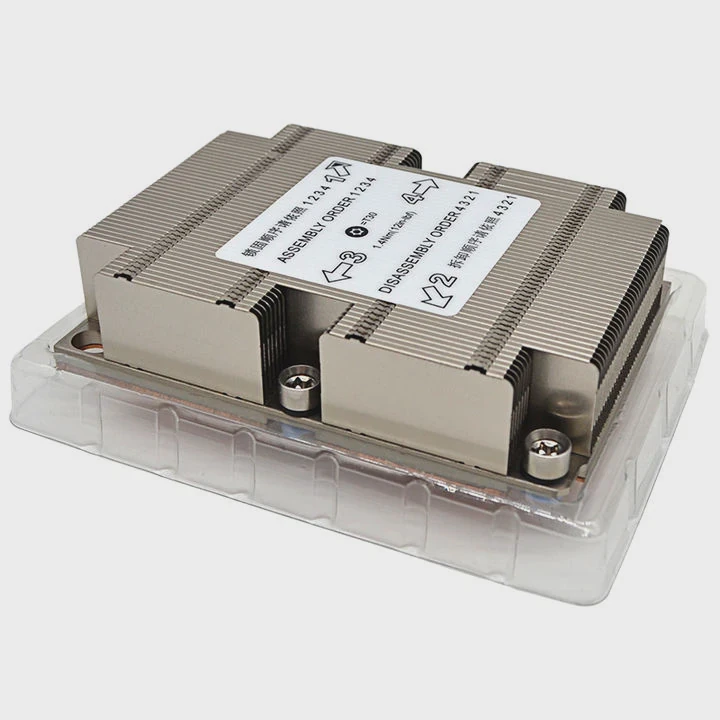
Industry Growth Overview
| Sector | Adoption Rate (2024) | Projected Rate (2030) | Main Driver |
|---|---|---|---|
| Data centers | 20% | 65% | Power and space efficiency |
| Electric vehicles | 45% | 80% | Battery temperature control |
| Renewable energy | 30% | 70% | Inverter reliability |
| Industrial electronics | 15% | 55% | Compact system design |
Trends Driving the Shift
- Increased Power Density: Chips, batteries, and converters now operate at higher wattages per square centimeter.
- Sustainability Goals: Liquid cooling reduces overall power use by cutting fan and HVAC energy consumption.
- Miniaturization: Smaller devices need localized cooling since air cannot reach tight spaces.
- AI and HPC Growth: High-performance computing and AI servers produce extreme heat that only liquid systems can manage.
- Material Innovation: New coolants and corrosion-resistant alloys have made systems safer and easier to maintain.
Future Outlook
I believe the next decade will see hybrid systems that combine air and liquid cooling. For instance, direct-to-chip liquid systems might handle core heat, while small fans control ambient temperatures. As manufacturing costs drop, liquid cooling will be standard for mid-range devices, not just high-end systems.
In my field, the strongest demand comes from industries balancing high performance with environmental goals. Customers not only want faster systems but also greener ones. Liquid cooling fits perfectly because it saves power, reduces emissions, and improves product life.
Conclusion
Liquid cooling becomes essential when heat loads exceed what air can handle. It offers superior performance, quiet operation, and longer lifespan. With modern trends in power density and sustainability, liquid cooling is no longer optional—it’s the future of efficient thermal management.
TAGS
Latest Articles

Volume discount levels for heat sink orders?
Buyers often ask when heat sink prices start to drop with volume. Many worry they’re overpaying for small orders. This guide explains how B2B volume pricing works for thermal components. Heat sink
21 Dec,2025
Heat sink long-term supply contract options?
Many buyers want stable pricing and reliable delivery for heat sinks. But without a clear contract, risks grow over time. This article explores how to secure better long-term supply deals. Long-term
21 Dec,2025
Tooling cost for new heat sink profiles?
Many engineers struggle to understand why tooling for custom heat sinks costs so much. They worry about budgeting and production timelines. This article breaks down the cost drivers behind tooling.
21 Dec,2025
Heat sink custom sample process steps?
Sometimes, starting a custom heat sink project feels overwhelming—too many steps, too many unknowns, and too many risks. You want a sample, but not endless delays. The process for requesting and
20 Dec,2025
Standard B2B terms for heat sink payments?
When buyers and sellers in B2B heat sink markets talk about payment, many don’t fully understand what’s standard. This can lead to delayed orders, miscommunication, and even lost business
20 Dec,2025
Heat sink pricing factors for large orders?
Heat sinks are vital for many systems. When prices rise, projects stall and budgets break. This problem can hit teams hard without warning. Large order heat sink pricing depends on many factors. You
20 Dec,2025Related Articles
- Is air-cooled better than liquid?
- How to change cooling liquid in a car?
- How to check if a liquid cooler is working?
- What is the difference between water cooling and liquid cooling?
- Is a Liquid CPU Cooler Worth It?
- Is liquid cooling quieter than fans?
- How much better is liquid cooling?
- Where to mount liquid cooling radiator?
- Is it worth liquid cooling your GPU?
- What’s better, liquid-cooled or air-cooled?
- What Liquid Is Used in CPU Cooler?
- Does liquid cooler need maintenance?
Author
Dr. Emily Chen
Chief AI Researcher
Leading expert in thermal dynamics and AI optimization with over 15 years of experience in data center efficiency research.
Categories
Latest Products






Recommend Categories
- Liquid cooling plate Manufacturer
- Industrial Heat Sink Manufacturer
- Standard Heat Sink Manufacturer
- Aluminum Heat Sink Manufacturer
- Copper Heat Sink Manufacturer
- Anodized Heatsink Manufacturer
- Stamping heat sink Manufacturer
- Die Casting Heatsink Manufacturer
- Soldering heat sink Manufacturer
- CNC Parts Manufacturer
Latest Products
- Wholesale Aluminum Radiator
- Water Cooling Plate Kit
- Water Cooling Heat Sink
- Water Cooling Heat Sink Kit
- Stainless Steel Water Distributor
- Server Water Cooling Plate Kit
- Server Liquid Cooling System
- Server Aluminum Cooling Kit
- S19 Full Cover Cooling Plate
- S19 Cooling Plate Kit
- S19 Aluminum Cooling Plate
Contact Expert
Have questions about this article? Reach out to our experts directly.