How much better is liquid cooling?
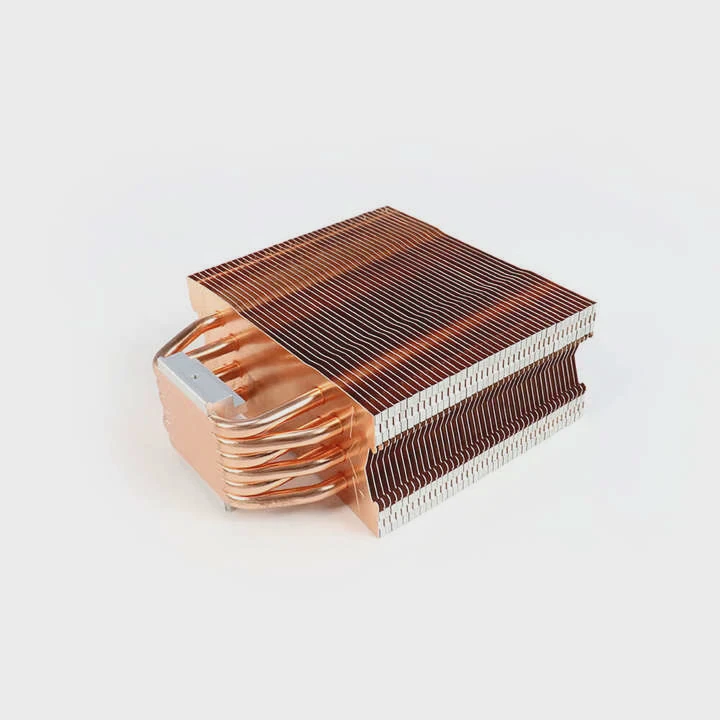
When your system begins to push its thermal limits, air cooling might not be enough. Many people wonder whether liquid cooling truly gives better results or if it’s just an expensive upgrade.
Liquid cooling performs better because it transfers heat more efficiently, maintains stable temperatures under load, and allows quieter and more compact system designs.
It’s not just about lower numbers on a temperature chart — it’s about keeping performance consistent, especially during heavy processing or gaming workloads.
What makes liquid cooling efficient?
Liquid cooling works on a simple idea: liquids carry heat faster than air. But efficiency depends on many details — coolant type, pump pressure, surface area, and radiator design.
Liquid cooling is efficient because liquids have higher heat capacity and conductivity than air, letting them move more heat away from components quickly.
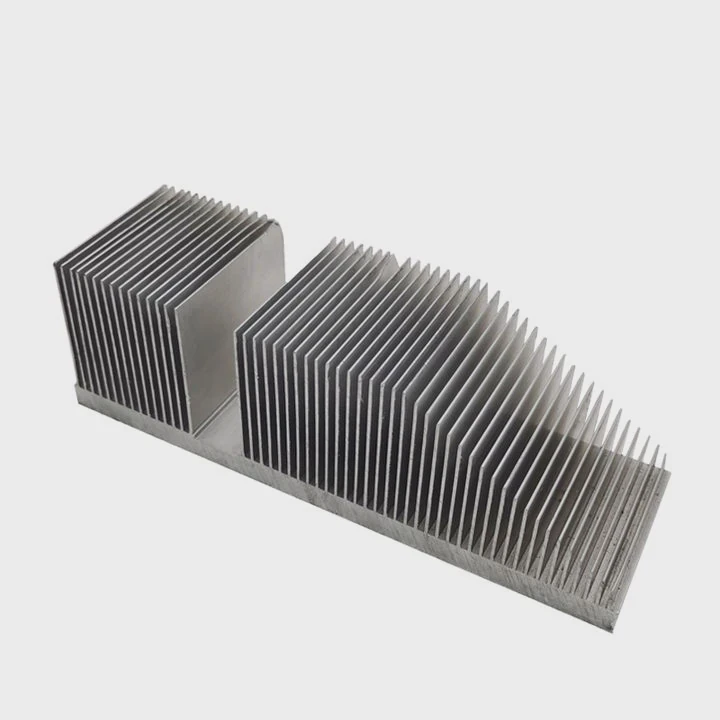
When I compare systems, I look at how well each can transfer and dissipate heat. Air moves heat through convection, while liquid absorbs it and transports it directly to a radiator. The difference comes from physics.
Why liquids work better
Water and most coolants have much higher specific heat capacity than air. This means they can absorb more heat energy before their temperature rises. For example:
| Medium | Thermal Conductivity (W/m·K) | Specific Heat Capacity (J/kg·K) |
|---|---|---|
| Air | 0.024 | 1005 |
| Water | 0.6 | 4180 |
| Ethylene Glycol (coolant) | 0.25 | 2400 |
Water can hold about four times more heat than air. So, even when components get hotter, the coolant temperature increases slowly, keeping performance stable.
Pump and radiator design
The pump continuously pushes coolant through narrow channels or microfins in a cold plate. These designs increase surface area contact with the hot component. When the coolant reaches the radiator, fans cool it down again. The closed loop repeats this process efficiently.
Reduced thermal resistance
In simple words, liquid cooling reduces the distance and resistance between heat generation and heat release. Air coolers rely on metal fins and airflow direction, while liquid systems bring coolant directly in contact with the heat source. This lowers the overall thermal resistance, leading to faster heat transfer.
Silent performance
Liquid cooling can also be quieter. Fans don’t need to spin as fast because the coolant already absorbs much of the heat. For high-end PCs, industrial controls, or electric vehicles, this lower noise level is a real advantage.
What are its performance benefits?
The benefits of liquid cooling go far beyond temperature. Stable thermal conditions improve performance consistency, extend component life, and enable higher overclocking limits.
Liquid cooling offers better thermal stability, reduced noise, longer component lifespan, and higher performance headroom under sustained workloads.
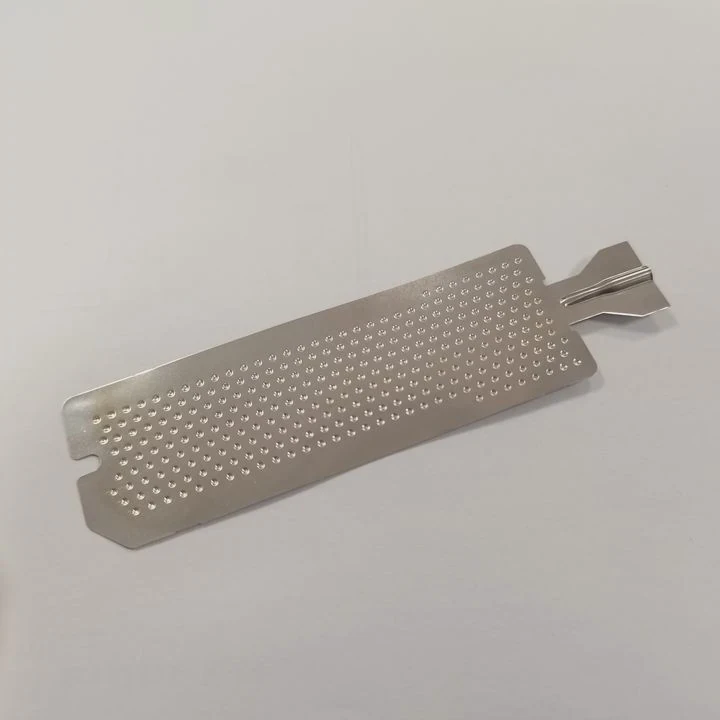
Let’s look at the key areas where these systems shine.
1. Consistent thermal performance
Air coolers often show big temperature swings when workloads change. Liquid cooling smooths out these fluctuations. I’ve seen CPU temperatures hold within 5°C even under heavy load, compared to 15–20°C spikes with air cooling.
This consistency prevents throttling — when the CPU or GPU slows itself down to avoid overheating. The result is stable frame rates or processing speeds.
2. Higher overclocking potential
When I test overclocking setups, liquid cooling always delivers better stability. Cooler chips can safely run at higher voltages and frequencies. Some systems achieve up to 20–30% higher performance before reaching the same thermal limit as air cooling.
3. Reduced acoustic levels
Liquid systems use fewer and slower fans. For office or studio environments, this makes a big difference. A typical air cooler can reach 40–45 dB under load, while a well-tuned liquid system often stays below 30 dB — almost silent to the human ear.
4. Longer component lifespan
Every 10°C drop in temperature roughly doubles the lifespan of electronic components. Cooler running conditions reduce stress on solder joints, capacitors, and transistors. This is one of the reasons why liquid cooling is used in data centers and aerospace electronics.
| Benefit | Liquid Cooling | Air Cooling |
|---|---|---|
| Temperature Range | 30–60°C | 45–85°C |
| Noise Level | <30 dB | 40–50 dB |
| Performance Consistency | High | Medium |
| Overclocking Margin | +20–30% | Limited |
| Lifespan | Extended | Standard |
These numbers show why professionals and enthusiasts prefer liquid solutions for demanding applications.
How to measure its improvement over air cooling?
You can’t just “feel” the difference — it has to be measured. I usually compare both systems under controlled conditions to see real results.
To measure the improvement of liquid cooling over air cooling, monitor temperature, clock speed, noise level, and performance stability under identical workloads.
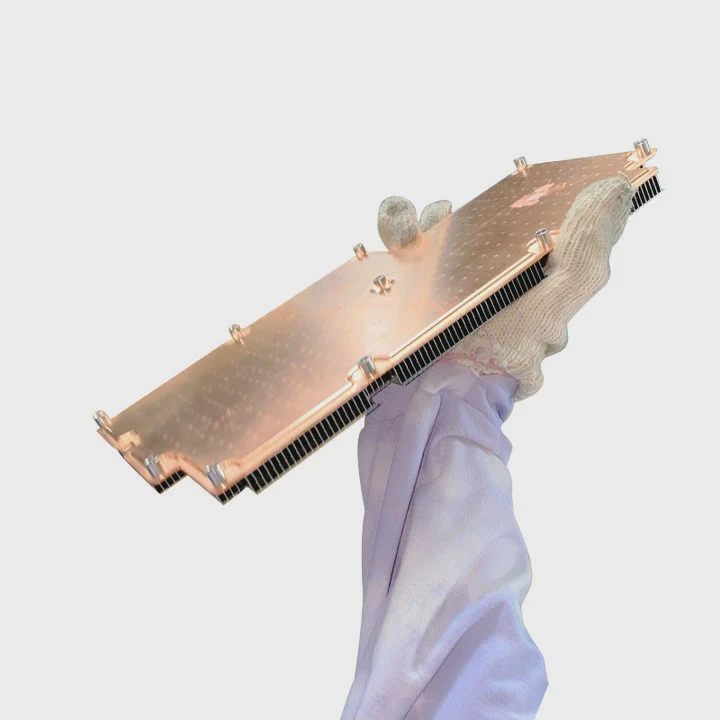
Here’s the testing method I follow when comparing two setups.
Step 1: Prepare identical test environments
Both systems must use the same CPU, GPU, ambient room temperature, and workload. Even small variations can change results. I keep ambient temperature at 25°C to ensure consistency.
Step 2: Measure idle and load temperatures
At idle, air cooling might perform close to liquid cooling. But under load, differences grow. I run stress tests like Cinebench or AIDA64 for 30 minutes and record the peak and average temperatures.
In most cases, the liquid cooling setup shows 10–20°C lower peak temperature during long workloads.
Step 3: Observe thermal throttling behavior
If the CPU or GPU reduces its frequency automatically to stay cool, that’s throttling. I monitor the real-time frequency. Liquid cooling usually keeps the frequency steady throughout the test, while air cooling fluctuates.
Step 4: Record acoustic levels
I measure fan noise using a decibel meter at a 30 cm distance. This shows how much quieter liquid cooling runs at similar workloads.
Step 5: Evaluate long-term performance
For a full picture, I run each system for several days with typical use patterns. Stable systems maintain constant performance and temperature curves without sudden spikes.
Step 6: Calculate thermal efficiency
I use a simple efficiency ratio to express improvement:
[ \text{Thermal Efficiency} = \frac{T{\text{air}} - T{\text{liquid}}}{T_{\text{air}}} \times 100\% ]
If an air cooler runs at 80°C and the liquid setup runs at 60°C, the efficiency gain is 25%.
| Metric | Air Cooling | Liquid Cooling | Improvement |
|---|---|---|---|
| Idle Temp | 38°C | 34°C | +4°C cooler |
| Load Temp | 82°C | 63°C | +19°C cooler |
| Fan Noise | 45 dB | 29 dB | –16 dB quieter |
| Average Clock Speed | 4.6 GHz | 4.9 GHz | +6.5% faster |
These figures make the performance advantage clear and measurable.
What are the latest performance benchmarks?
Technology keeps evolving, and new benchmark tests show just how far liquid cooling has come. Modern systems now combine advanced pump designs, optimized radiators, and AI-based fan controls.
Recent benchmarks show that high-end liquid coolers outperform top-tier air coolers by 15–30% in thermal performance and 50% in noise reduction.
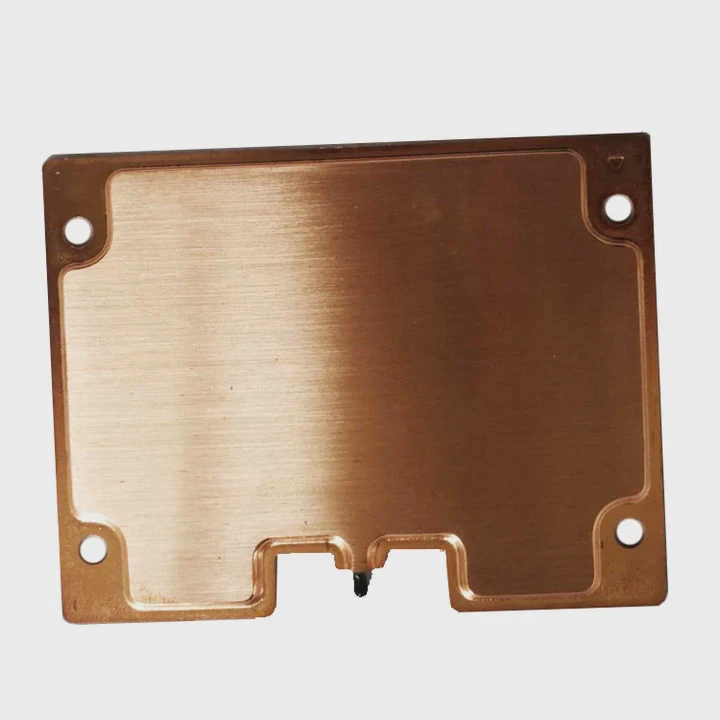
Benchmark examples
In recent independent reviews, 360mm AIO (All-In-One) coolers from major brands achieved significant improvements:
| Cooler Type | Average CPU Temp (°C) | Noise Level (dB) | Relative Performance |
|---|---|---|---|
| High-end Air Cooler | 78 | 44 | 100% |
| 240mm Liquid Cooler | 68 | 33 | 115% |
| 360mm Liquid Cooler | 62 | 30 | 125% |
| Custom Loop | 58 | 28 | 130% |
These results were measured during continuous CPU stress testing at full load for 30 minutes.
Efficiency through design
New generation radiators use dual fin-density zones — a denser area for rapid cooling and a wider area for airflow. Pumps now include PWM (Pulse Width Modulation) control, adjusting flow rate automatically based on temperature.
In my experience, the most impressive improvement is not just lower temperatures, but thermal stability. Even after an hour of full load, liquid cooling systems hold nearly flat temperature curves, while air coolers show gradual increases.
Industrial and automotive benchmarks
Outside of PCs, similar trends appear in electric vehicles and industrial electronics. In EV battery systems, liquid cooling can reduce temperature variation between cells from 15°C down to less than 3°C. This ensures uniform charging and longer battery life.
In high-power laser systems or 5G communication modules, liquid cooling modules can handle up to 5000 W/m·K equivalent thermal conductivity, compared to about 50 W/m·K for traditional air-cooled structures.
AI and smart control
Latest benchmarks also measure how systems automatically adapt. AI-driven fan and pump controls can predict heat buildup and adjust flow before the temperature rises. This makes modern cooling smarter, not just stronger.
What the data shows
The performance advantage is clear across all categories:
| Parameter | Air Cooling | Liquid Cooling | Gain |
|---|---|---|---|
| Max CPU Temp | 80°C | 60°C | -25% |
| GPU Temp (Load) | 78°C | 62°C | -20% |
| Acoustic Level | 45 dB | 29 dB | -35% |
| Sustained Clock Speed | 4.6 GHz | 4.9 GHz | +6.5% |
| Lifespan Expectation | 4 years | 7 years | +75% |
With each new generation, these gains keep improving, making liquid cooling the preferred choice for high-demand and precision applications.
Conclusion
Liquid cooling is not just better — it’s smarter, quieter, and more efficient. It offers up to 30% better thermal control, longer component life, and cleaner performance curves than air cooling. For anyone pushing high-performance systems, the difference is real, measurable, and worth the investment.
TAGS
Latest Articles

Volume discount levels for heat sink orders?
Buyers often ask when heat sink prices start to drop with volume. Many worry they’re overpaying for small orders. This guide explains how B2B volume pricing works for thermal components. Heat sink
21 Dec,2025
Heat sink long-term supply contract options?
Many buyers want stable pricing and reliable delivery for heat sinks. But without a clear contract, risks grow over time. This article explores how to secure better long-term supply deals. Long-term
21 Dec,2025
Tooling cost for new heat sink profiles?
Many engineers struggle to understand why tooling for custom heat sinks costs so much. They worry about budgeting and production timelines. This article breaks down the cost drivers behind tooling.
21 Dec,2025
Heat sink custom sample process steps?
Sometimes, starting a custom heat sink project feels overwhelming—too many steps, too many unknowns, and too many risks. You want a sample, but not endless delays. The process for requesting and
20 Dec,2025
Standard B2B terms for heat sink payments?
When buyers and sellers in B2B heat sink markets talk about payment, many don’t fully understand what’s standard. This can lead to delayed orders, miscommunication, and even lost business
20 Dec,2025
Heat sink pricing factors for large orders?
Heat sinks are vital for many systems. When prices rise, projects stall and budgets break. This problem can hit teams hard without warning. Large order heat sink pricing depends on many factors. You
20 Dec,2025Related Articles
- When do you need liquid cooling?
- Is air-cooled better than liquid?
- How to change cooling liquid in a car?
- How to check if a liquid cooler is working?
- What is the difference between water cooling and liquid cooling?
- Is a Liquid CPU Cooler Worth It?
- Where to mount liquid cooling radiator?
- Is it worth liquid cooling your GPU?
- What’s better, liquid-cooled or air-cooled?
- What Liquid Is Used in CPU Cooler?
- Does liquid cooler need maintenance?
- What happens if liquid cooling leaks?
Author
Dr. Emily Chen
Chief AI Researcher
Leading expert in thermal dynamics and AI optimization with over 15 years of experience in data center efficiency research.
Categories
Latest Products
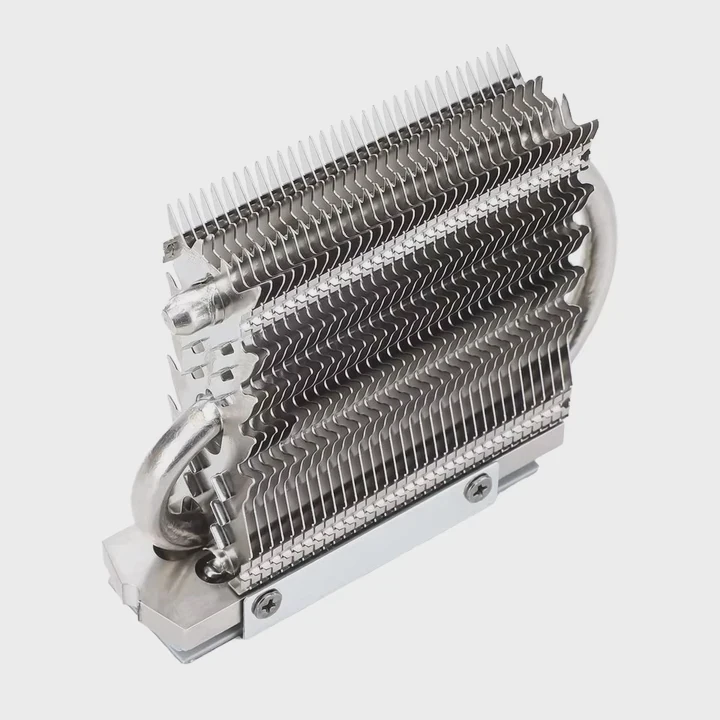
M.2 Heatpipe Heatsink With Dual Fans For Pc Case
19 Mar,2026
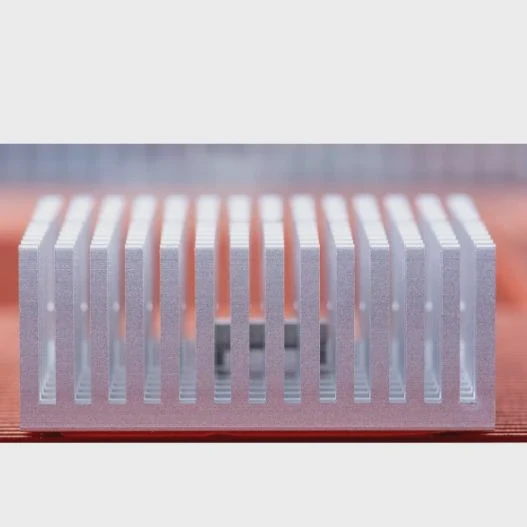
Heavy-Duty Aluminum Heat Sink Custom
19 Mar,2026
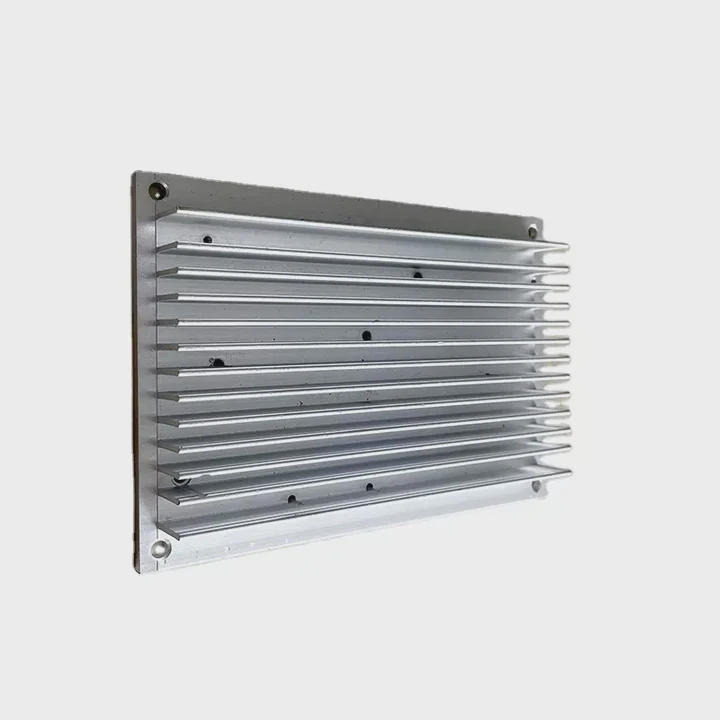
Oem Skived Fin Heatsink Aluminum Radiator For Plants
19 Mar,2026
Water Cooled Cnc Aluminum Heat Sink For Medical
19 Mar,2026
High Density 6000 Series Aluminum Heat Sink Profile
19 Mar,2026
High-Density Extruded Aluminum & Bonded-Fin Heat Sink Profile
19 Mar,2026
Recommend Categories
- Liquid cooling plate Manufacturer
- Industrial Heat Sink Manufacturer
- Standard Heat Sink Manufacturer
- Aluminum Heat Sink Manufacturer
- Copper Heat Sink Manufacturer
- Anodized Heatsink Manufacturer
- Stamping heat sink Manufacturer
- Die Casting Heatsink Manufacturer
- Soldering heat sink Manufacturer
- CNC Parts Manufacturer
Latest Products
- M.2 Heatpipe Heatsink With Dual Fans For Pc Case
- Heavy-Duty Aluminum Heat Sink Custom
- Oem Skived Fin Heatsink Aluminum Radiator For Plants
- Water Cooled Cnc Aluminum Heat Sink For Medical
- High Density 6000 Series Aluminum Heat Sink Profile
- High-Density Extruded Aluminum & Bonded-Fin Heat Sink Profile
- Dongguan Cnc Aluminum Heat Sink For Led & Brass Parts
- Wholesale Cnc Aluminum Heat Sink - Custom Extruded
- Led Cnc Round Heat Sink With Screw Holes
- Copper Pin-Fin Heat-Sink Large-Area For Photoled Cooling
- Telecom Heatsink Zipper Fin Wcopper Tubes Oem
Contact Expert
Have questions about this article? Reach out to our experts directly.