Is a Liquid CPU Cooler Worth It?
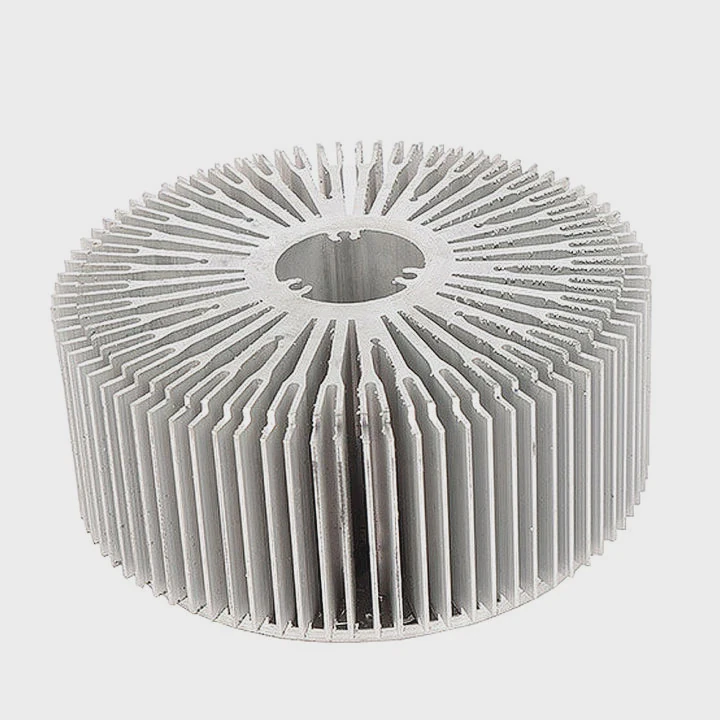
Building a powerful PC means facing one big question: should you invest in a liquid CPU cooler or stick with traditional air cooling? Many users worry about heat, performance, and long-term value.
A liquid CPU cooler is worth it if you need high performance, low noise, and consistent temperatures, especially under heavy workloads or overclocking conditions. It offers better heat transfer and modern aesthetics compared to air cooling.
Before deciding, it’s important to understand how liquid coolers work, what benefits they provide, and whether they fit your system needs.
What Is a Liquid CPU Cooler?
At first glance, a liquid CPU cooler looks complex, but its purpose is simple — to move heat away from your processor more efficiently than air. It uses a pump, liquid tubes, and a radiator to cool the CPU.
A liquid CPU cooler uses liquid (usually water or coolant) to transfer heat from the CPU to a radiator, where fans expel it away from your system. This method offers efficient thermal management for modern high-power CPUs.
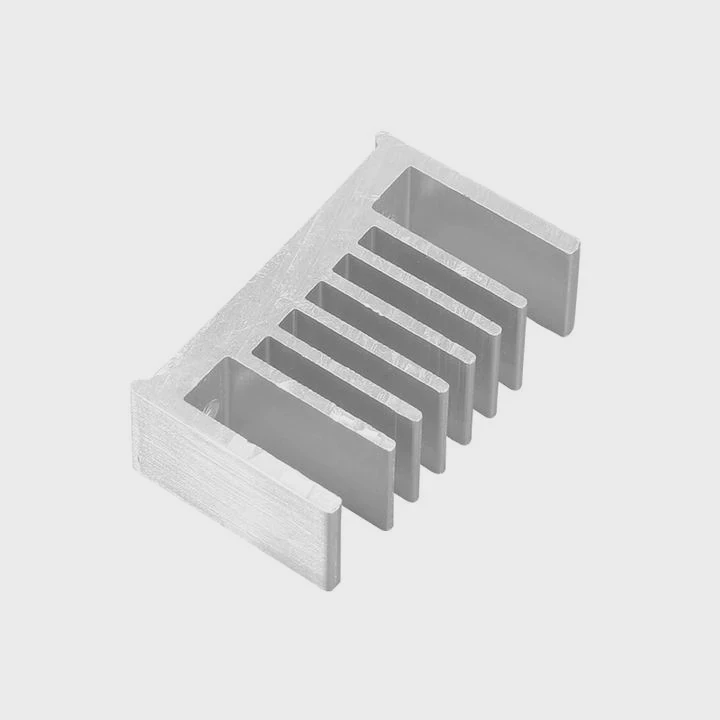
Components of a Liquid Cooling System
| Component | Function |
|---|---|
| Pump | Circulates coolant through the loop |
| Cold Plate | Contacts the CPU to absorb heat |
| Tubes | Move heated liquid to the radiator |
| Radiator | Transfers heat from liquid to air |
| Fans | Push air through the radiator fins |
There are two main types of liquid coolers:
- AIO (All-in-One) Liquid Coolers: Pre-built, sealed systems that are easy to install.
- Custom Water Cooling Loops: Fully customizable systems used by enthusiasts for extreme cooling or aesthetics.
AIO systems are most popular because they combine performance and simplicity. They come in standard sizes — 120mm, 240mm, 280mm, and 360mm — based on radiator length and fan configuration.
How It Works in Practice
When your CPU generates heat, the cold plate’s thermal paste helps transfer that heat into the liquid inside the cooler. The pump moves this heated liquid to the radiator, where fans blow air through fins to release the heat. The cooled liquid then returns to the CPU block, repeating the cycle.
This process keeps temperatures stable even when your processor works at full speed. It’s a simple yet effective loop that makes high-performance computing sustainable and quiet.
What Are Its Performance Benefits?
When I first switched from a large air cooler to a 280mm AIO liquid cooler, I noticed immediate changes — lower temperatures, less noise, and smoother performance during long workloads.
Liquid CPU coolers provide superior heat dissipation, quieter operation, and more consistent performance under load compared to air coolers. They are especially effective for high-end CPUs with higher power demands.
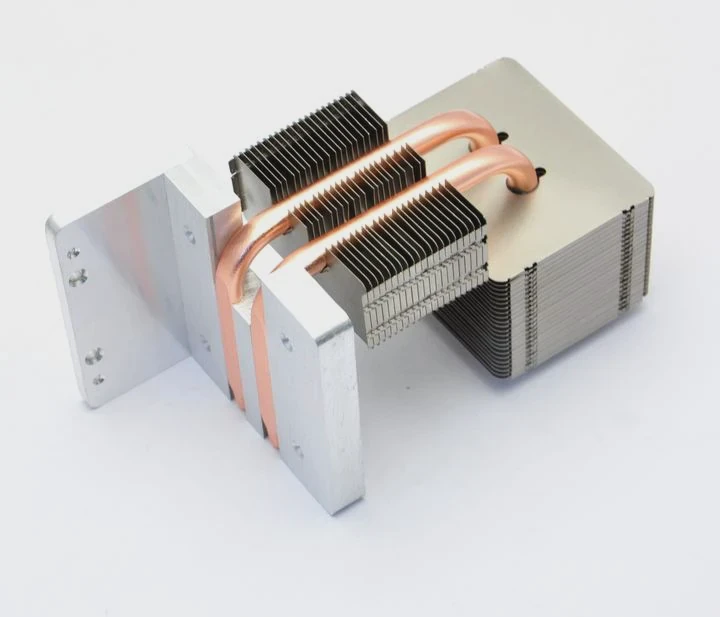
1. Better Thermal Efficiency
Liquid conducts heat more efficiently than air. This means it can carry heat away from the CPU faster and maintain lower average temperatures. In practical terms, a liquid cooler may keep a CPU 5–15°C cooler under similar load compared to air cooling.
Example of Average Temperatures:
| Cooling Type | Idle Temp (°C) | Load Temp (°C) | Noise Level (dB) |
|---|---|---|---|
| Mid-range Air Cooler | 40 | 85 | 42 |
| 240mm Liquid Cooler | 35 | 70 | 38 |
| 360mm Liquid Cooler | 33 | 65 | 36 |
As you can see, larger radiators improve both thermal and acoustic performance.
2. More Consistent Boost Performance
Modern CPUs, like AMD Ryzen and Intel Core i9, dynamically adjust their clock speeds based on temperature. A better cooling system allows the CPU to sustain its maximum turbo boost longer, improving real-world performance in gaming, rendering, and video editing.
3. Quieter Operation
Because liquid cooling spreads heat over a larger surface area, the fans don’t need to spin as fast. This means less fan noise, which is valuable if you work in quiet environments or record content.
4. Aesthetic and Space Advantages
Liquid coolers often give a cleaner and more modern look. The radiator can be mounted away from the CPU socket, freeing up space around the motherboard. This helps with cable management and allows for RGB customization for those who care about visual style.
How to Decide If It’s Worth the Cost?
The biggest question remains — is it truly worth paying more for liquid cooling? The answer depends on how you use your computer and what you value most.
A liquid CPU cooler is worth it if you need long-term thermal stability, quiet performance, and modern system design. For casual users, a strong air cooler is usually sufficient and more cost-effective.
1. When It’s Worth It
If you fall into one of the following categories, liquid cooling makes sense:
- You use high-performance CPUs (Ryzen 7⁄9, Intel i7/i9)
- You run heavy workloads (video editing, rendering, simulations)
- You plan to overclock your CPU
- You prefer a quiet or visually clean system
- You have a case that supports radiator installation
In these cases, liquid cooling helps you maintain consistent performance while keeping noise under control.
2. When It’s Not Necessary
You probably don’t need a liquid cooler if:
- You use mid-range CPUs like Ryzen 5 or Intel i5
- You mainly browse, stream, or play light games
- Your case has limited airflow or radiator space
- You prefer lower maintenance and simplicity
Air cooling remains a solid choice for most users. It is reliable, cheaper, and still performs well for moderate workloads.
3. Cost vs. Performance Analysis
| Cooler Type | Average Cost (USD) | Performance Gain | Maintenance | Noise Level |
|---|---|---|---|---|
| Air Cooler | \(40–\)90 | Moderate | Low | Medium |
| 240mm AIO | \(100–\)140 | High | Low | Low |
| 360mm AIO | \(150–\)200 | Very High | Low | Very Low |
| Custom Loop | $300+ | Extreme | High | Low |
From this comparison, AIO liquid coolers offer the best balance between performance, cost, and convenience. They are nearly maintenance-free and can last many years if built with quality components.
4. Real-World Experience
In my own build, using a 280mm AIO dropped CPU temperatures from 88°C (with air cooling) to around 72°C under heavy rendering. That 16°C difference allowed my CPU to boost higher and remain quieter at the same time. The upfront cost felt justified by the smoother, quieter experience.
What Are the Latest Trends in CPU Cooling?
The CPU cooling industry continues to evolve rapidly. As processors become more powerful and compact, the cooling market adapts with new materials, smarter designs, and advanced control features.
Recent CPU cooling trends include larger radiators, vapor chamber bases, AI-controlled fan curves, and hybrid cooling systems combining air and liquid designs.
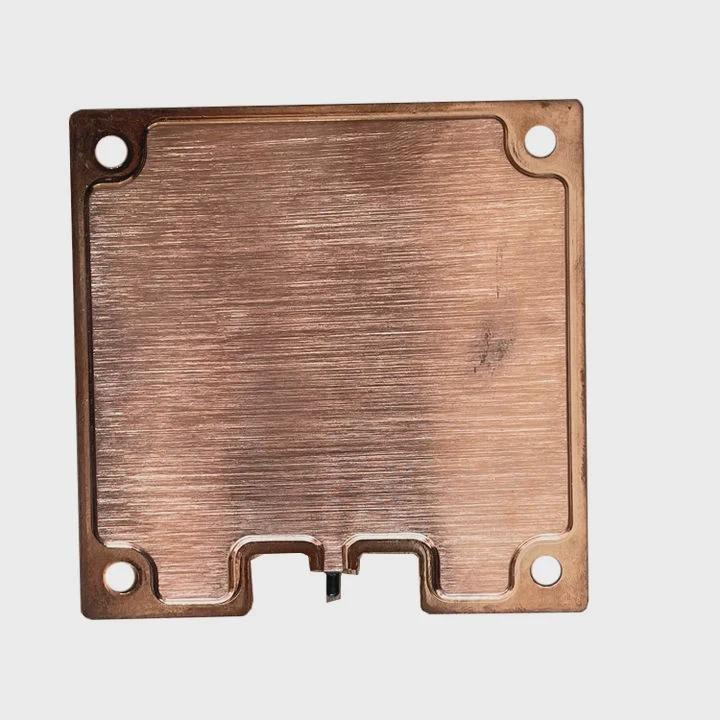
1. Bigger Radiators and Slim Profiles
Manufacturers now design slim yet efficient radiators with improved fin density. 280mm and 360mm AIOs are becoming standard for high-end builds because they offer better cooling without excessive noise. Cases are also evolving to fit these larger units more easily.
2. Improved Pump and Fan Technologies
Modern pumps now include ceramic bearings and PWM control, increasing lifespan and reducing vibration. Fans are becoming smarter, with magnetic levitation or fluid dynamic bearings for quieter operation. This makes cooling systems more durable and efficient.
3. Smarter Cooling Control (AI and Software)
Some liquid coolers now include software that dynamically adjusts fan speed and pump curves based on workload. For example, systems can switch between “silent,” “balanced,” and “performance” modes automatically. This improves both efficiency and convenience.
4. Hybrid and Modular Cooling Systems
There’s a new rise in hybrid cooling — systems that combine air and liquid elements. For example, some GPUs and CPUs share a single cooling loop. Modular AIOs also let users expand loops to include GPUs or VRMs, creating custom configurations without complex setup.
5. Aesthetics and Customization
RGB integration has evolved beyond lighting. Some coolers now include LCD displays that show CPU temperature, brand logos, or animations. This transforms the cooling system into a functional design feature inside transparent PC cases.
Cooling Industry Outlook
| Trend | Description | Market Impact |
|---|---|---|
| Larger Radiators | More surface area for heat dissipation | Improves high-load stability |
| Vapor Chamber Integration | Faster heat transfer at contact point | Used in premium AIOs |
| Smart Fan Curves | Automatic control based on temperature | Reduces noise and power use |
| LCD & RGB Features | Visual feedback and customization | Boosts aesthetic value |
| Eco-Friendly Coolants | Non-toxic, low-evaporation liquids | Improves reliability |
The next generation of CPU coolers will likely include AI-driven temperature optimization, quieter operation, and recyclable materials. The focus is no longer just “keeping it cool” but doing so intelligently and efficiently.
Conclusion
A liquid CPU cooler is worth it if you want a cooler, quieter, and more consistent system. It costs more than air cooling, but the benefits — especially for performance users — make it a solid investment. As CPU power and density increase, efficient liquid cooling will continue to define modern PC builds.
TAGS
Latest Articles

Volume discount levels for heat sink orders?
Buyers often ask when heat sink prices start to drop with volume. Many worry they’re overpaying for small orders. This guide explains how B2B volume pricing works for thermal components. Heat sink
21 Dec,2025
Heat sink long-term supply contract options?
Many buyers want stable pricing and reliable delivery for heat sinks. But without a clear contract, risks grow over time. This article explores how to secure better long-term supply deals. Long-term
21 Dec,2025
Tooling cost for new heat sink profiles?
Many engineers struggle to understand why tooling for custom heat sinks costs so much. They worry about budgeting and production timelines. This article breaks down the cost drivers behind tooling.
21 Dec,2025
Heat sink custom sample process steps?
Sometimes, starting a custom heat sink project feels overwhelming—too many steps, too many unknowns, and too many risks. You want a sample, but not endless delays. The process for requesting and
20 Dec,2025
Standard B2B terms for heat sink payments?
When buyers and sellers in B2B heat sink markets talk about payment, many don’t fully understand what’s standard. This can lead to delayed orders, miscommunication, and even lost business
20 Dec,2025
Heat sink pricing factors for large orders?
Heat sinks are vital for many systems. When prices rise, projects stall and budgets break. This problem can hit teams hard without warning. Large order heat sink pricing depends on many factors. You
20 Dec,2025Related Articles
- Is liquid cooling quieter than fans?
- Which is better, oil-cooled or liquid-cooled engine?
- How to replace liquid cooling?
- How to check if my liquid cooling is working?
- Is liquid cooling safe?
- Is liquid or fan cooling better?
- What is the difference between water cooling and liquid cooling?
- How to check if a liquid cooler is working?
- How to change cooling liquid in a car?
- Is air-cooled better than liquid?
- When do you need liquid cooling?
- How much better is liquid cooling?
Author
Dr. Emily Chen
Chief AI Researcher
Leading expert in thermal dynamics and AI optimization with over 15 years of experience in data center efficiency research.
Categories
Latest Products
M.2 Heatpipe Heatsink With Dual Fans For Pc Case
19 Mar,2026
Heavy-Duty Aluminum Heat Sink Custom
19 Mar,2026
Oem Skived Fin Heatsink Aluminum Radiator For Plants
19 Mar,2026
Water Cooled Cnc Aluminum Heat Sink For Medical
19 Mar,2026
High Density 6000 Series Aluminum Heat Sink Profile
19 Mar,2026
High-Density Extruded Aluminum & Bonded-Fin Heat Sink Profile
19 Mar,2026
Recommend Categories
- Liquid cooling plate Manufacturer
- Industrial Heat Sink Manufacturer
- Standard Heat Sink Manufacturer
- Aluminum Heat Sink Manufacturer
- Copper Heat Sink Manufacturer
- Anodized Heatsink Manufacturer
- Stamping heat sink Manufacturer
- Die Casting Heatsink Manufacturer
- Soldering heat sink Manufacturer
- CNC Parts Manufacturer
Latest Products
- M.2 Heatpipe Heatsink With Dual Fans For Pc Case
- Heavy-Duty Aluminum Heat Sink Custom
- Oem Skived Fin Heatsink Aluminum Radiator For Plants
- Water Cooled Cnc Aluminum Heat Sink For Medical
- High Density 6000 Series Aluminum Heat Sink Profile
- High-Density Extruded Aluminum & Bonded-Fin Heat Sink Profile
- Dongguan Cnc Aluminum Heat Sink For Led & Brass Parts
- Wholesale Cnc Aluminum Heat Sink - Custom Extruded
- Led Cnc Round Heat Sink With Screw Holes
- Copper Pin-Fin Heat-Sink Large-Area For Photoled Cooling
- Telecom Heatsink Zipper Fin Wcopper Tubes Oem
Contact Expert
Have questions about this article? Reach out to our experts directly.