Where to mount liquid cooling radiator?
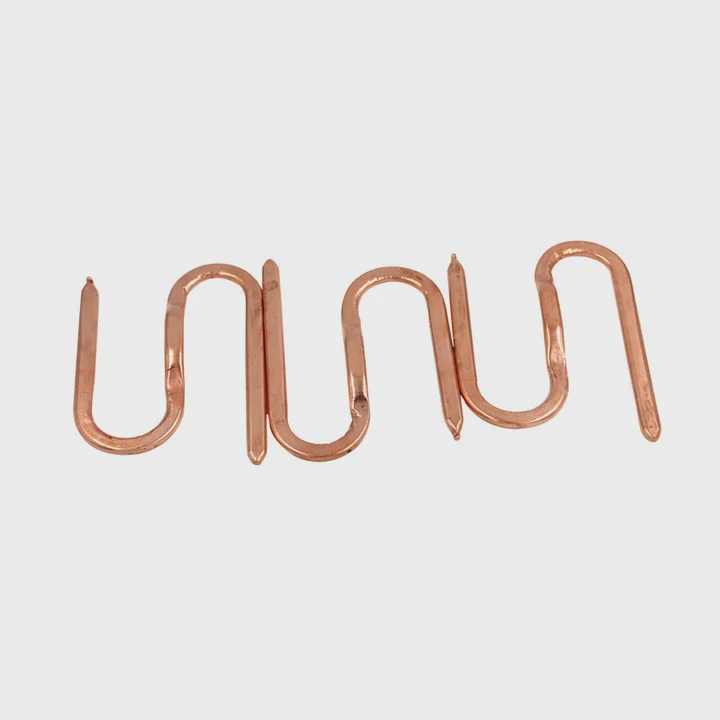
Choosing where to mount your liquid cooling radiator can make or break your thermal system’s performance. Many users install it randomly and later face overheating or noise issues.
The radiator should be mounted where airflow is optimal—usually at the top or front of the case—allowing hot air to escape efficiently and maintaining stable cooling.
Understanding how radiator placement influences airflow helps prevent heat buildup and ensures consistent performance over time.
What is a cooling radiator?
Every liquid cooling system needs a radiator. It’s where the heat leaves the liquid and transfers to the surrounding air. Without it, the coolant would just store heat and fail to keep components cool.
A cooling radiator is a metal heat exchanger that removes heat from circulating coolant by transferring it to the air through fins and fans.
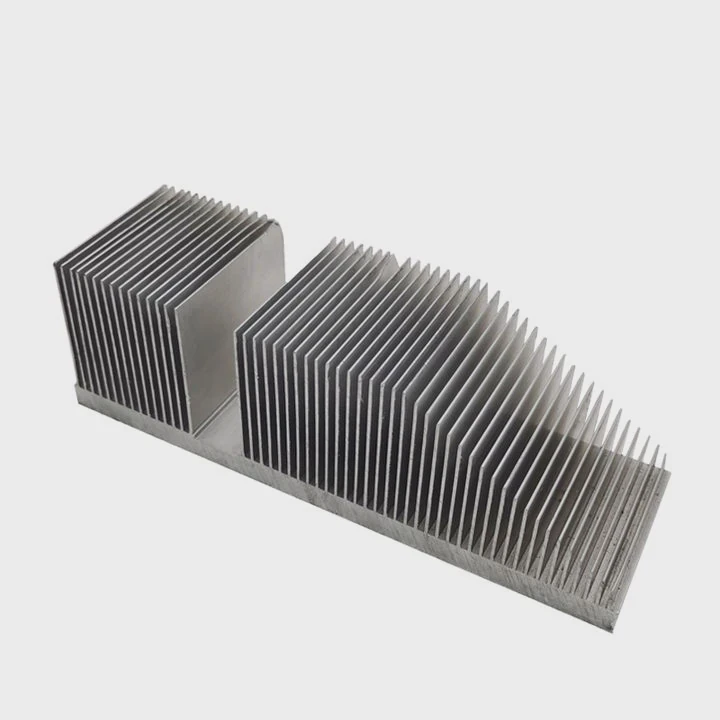
Radiators come in different sizes and materials, usually aluminum or copper. They work with fans to move air across thin fins, increasing the surface area and helping heat escape faster.
Common radiator types
| Radiator Type | Description | Typical Use |
|---|---|---|
| Single 120mm | Compact, one fan | Small PC or tight enclosures |
| Dual 240mm | Two fans, good balance | Gaming PC or workstation |
| Triple 360mm | Three fans, high heat output | High-performance or server systems |
| Custom industrial | Scalable design | EV cooling, data centers, machinery |
When I first learned about liquid cooling, I thought all radiators worked the same. But the truth is that the size, fin density, and fan configuration directly affect heat removal efficiency. A thicker radiator is not always better—it depends on the fan’s pressure and airflow direction.
Radiators also differ in internal design: some have single-pass channels, others have dual-pass loops for better cooling. Choosing the right one depends on how much heat your system generates and how quiet you want it to be.
Why placement affects cooling performance?
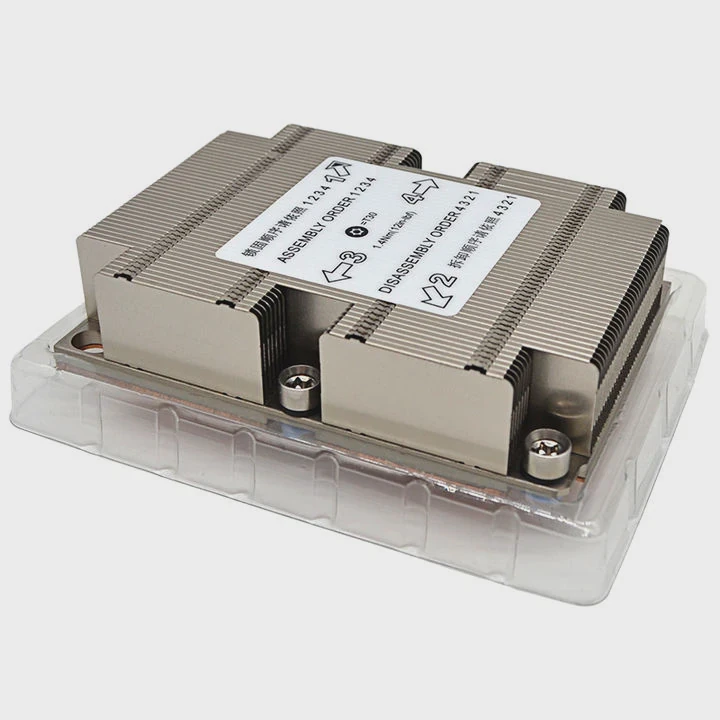
Radiator placement isn’t only about fitting it in a convenient spot—it defines how heat travels in and out of your system. Wrong placement can cause warm air to circulate inside the case instead of escaping.
Placement affects cooling because airflow direction determines whether the radiator is pulling in cool air or pushing out warm air, directly impacting heat exchange efficiency.
Typical placement positions
| Position | Airflow Direction | Pros | Cons |
|---|---|---|---|
| Top mount | Exhausts hot air upward | Best for overall case temperature | Slightly warmer coolant intake |
| Front mount | Pulls in cool air | Lower CPU temps | Warmer internal air |
| Bottom mount | Intake or exhaust | Useful in custom loops | Risk of air bubble formation |
| Side mount | Flexible orientation | Aesthetic builds | Limited airflow in some cases |
When I tested two identical systems, the only difference being radiator placement, the top-mounted setup ran 4°C cooler under load. That small difference meant more stable performance and lower fan noise.
The airflow inside the case should always move from cool zones to hot zones. Radiators should not block intake fans or restrict exhaust paths. Simple airflow planning makes a major difference in system lifespan.
How to mount the radiator correctly?
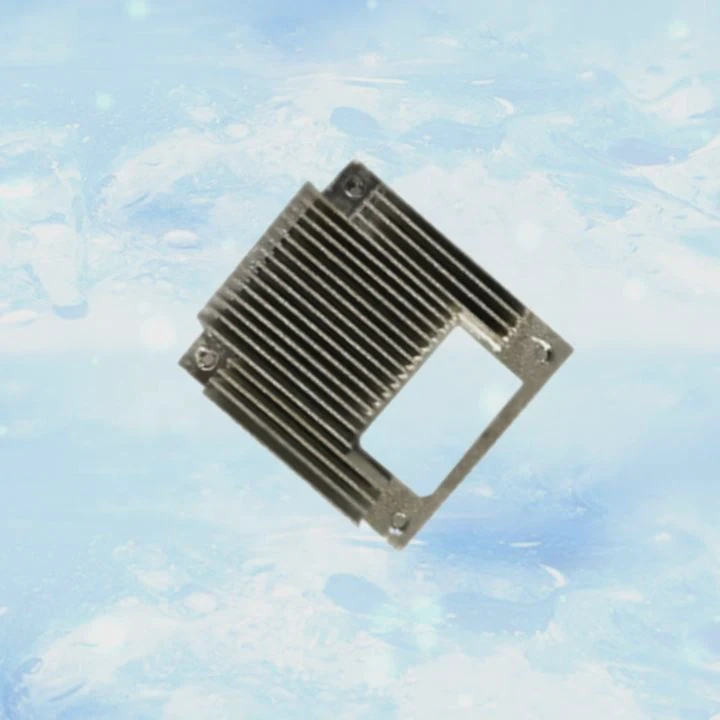
Mounting a radiator seems straightforward, but small mistakes can lead to trapped air, leaks, or reduced cooling efficiency.
To mount a radiator correctly, place it where fans can push or pull air freely, ensure hoses are oriented downwards when possible, and secure fittings firmly without over-tightening.
Step-by-step radiator mounting guide
- Plan airflow – Decide intake (cool air) and exhaust (hot air) direction.
- Check clearance – Make sure there’s space for radiator thickness and hose routing.
- Install fans – Use rubber dampeners to reduce vibration noise.
- Mount the radiator – Align screw holes carefully to avoid fin damage.
- Connect tubing – Keep tubes short but not stretched, to prevent tension.
- Inspect for leaks – Fill and run the pump before powering components.
- Test under load – Monitor temperatures for at least 30 minutes.
When I first installed a top-mounted radiator, I placed the pump higher than the radiator, which trapped air inside. The pump made a constant gurgling noise. After re-mounting with the pump below the radiator, the sound disappeared and temperatures dropped instantly.
Key mounting principles
| Principle | Reason | Result |
|---|---|---|
| Pump below radiator | Prevents air from entering pump | Silent, smooth flow |
| Fans sealed to radiator | Avoids air leaks | Efficient pressure |
| Correct fan orientation | Directs air as planned | Balanced airflow |
| Avoid over-tightening screws | Protects fins | Prevents damage |
Small mistakes like loose fittings or uneven fan pressure can reduce cooling efficiency by up to 10–15%. Always double-check the radiator mount before sealing the system.
What are the trends in radiator design?
Radiator design has evolved fast in the last few years. Engineers are now focusing on better materials, smarter layouts, and easier maintenance.
Modern radiator trends focus on lightweight materials, improved fin geometry, smart sensors, and modular construction for faster installation and better heat control.
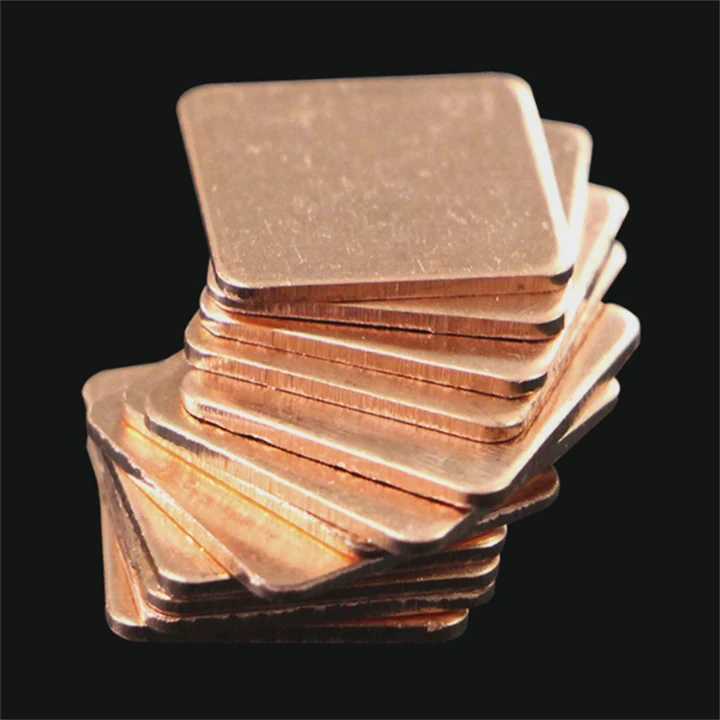
Emerging trends in radiator innovation
| Trend | Description | Benefit |
|---|---|---|
| High-density microfins | Finer fin pitch for more surface area | Faster heat transfer |
| Graphene-coated surfaces | Reduces oxidation and improves conductivity | Long-lasting performance |
| Modular liquid channels | Replaceable flow sections | Easier maintenance |
| Integrated sensors | Real-time temperature feedback | Smart monitoring |
| Slim hybrid cores | Combines air and liquid cooling | Compact efficiency |
I have seen modular radiators becoming more common in data center applications. Instead of replacing the whole system, technicians can swap a single damaged or clogged section. This reduces downtime and saves cost.
Another growing trend is sustainability. Manufacturers are developing recyclable aluminum cores and eco-friendly coolants. Radiators with detachable end caps make cleaning simple, which keeps performance stable over time.
The focus is also shifting to aesthetic integration—radiators now feature sleek finishes and customizable lighting that fit into product designs instead of hiding behind panels.
The future outlook
Radiators will likely become smarter and lighter. With the rise of edge computing, electric vehicles, and compact electronics, systems will need faster, more adaptive cooling. Future designs may include self-regulating valves, nano-coatings for heat resistance, and even phase-change microchannels for instant cooling response.
Conclusion
Radiator placement and design shape how efficiently a system handles heat. By choosing the right spot, using modern materials, and following careful mounting practices, anyone can achieve stable and quiet thermal performance that lasts for years.
TAGS
Latest Articles

Volume discount levels for heat sink orders?
Buyers often ask when heat sink prices start to drop with volume. Many worry they’re overpaying for small orders. This guide explains how B2B volume pricing works for thermal components. Heat sink
21 Dec,2025
Heat sink long-term supply contract options?
Many buyers want stable pricing and reliable delivery for heat sinks. But without a clear contract, risks grow over time. This article explores how to secure better long-term supply deals. Long-term
21 Dec,2025
Tooling cost for new heat sink profiles?
Many engineers struggle to understand why tooling for custom heat sinks costs so much. They worry about budgeting and production timelines. This article breaks down the cost drivers behind tooling.
21 Dec,2025
Heat sink custom sample process steps?
Sometimes, starting a custom heat sink project feels overwhelming—too many steps, too many unknowns, and too many risks. You want a sample, but not endless delays. The process for requesting and
20 Dec,2025
Standard B2B terms for heat sink payments?
When buyers and sellers in B2B heat sink markets talk about payment, many don’t fully understand what’s standard. This can lead to delayed orders, miscommunication, and even lost business
20 Dec,2025
Heat sink pricing factors for large orders?
Heat sinks are vital for many systems. When prices rise, projects stall and budgets break. This problem can hit teams hard without warning. Large order heat sink pricing depends on many factors. You
20 Dec,2025Related Articles
- How much better is liquid cooling?
- When do you need liquid cooling?
- Is air-cooled better than liquid?
- How to change cooling liquid in a car?
- How to check if a liquid cooler is working?
- What is the difference between water cooling and liquid cooling?
- Is it worth liquid cooling your GPU?
- What’s better, liquid-cooled or air-cooled?
- What Liquid Is Used in CPU Cooler?
- Does liquid cooler need maintenance?
- What happens if liquid cooling leaks?
- How to change CPU liquid cooler?
Author
Dr. Emily Chen
Chief AI Researcher
Leading expert in thermal dynamics and AI optimization with over 15 years of experience in data center efficiency research.
Categories
Latest Products






Recommend Categories
- Liquid cooling plate Manufacturer
- Industrial Heat Sink Manufacturer
- Standard Heat Sink Manufacturer
- Aluminum Heat Sink Manufacturer
- Copper Heat Sink Manufacturer
- Anodized Heatsink Manufacturer
- Stamping heat sink Manufacturer
- Die Casting Heatsink Manufacturer
- Soldering heat sink Manufacturer
- CNC Parts Manufacturer
Latest Products
- Wholesale Aluminum Radiator
- Water Cooling Plate Kit
- Water Cooling Heat Sink
- Water Cooling Heat Sink Kit
- Stainless Steel Water Distributor
- Server Water Cooling Plate Kit
- Server Liquid Cooling System
- Server Aluminum Cooling Kit
- S19 Full Cover Cooling Plate
- S19 Cooling Plate Kit
- S19 Aluminum Cooling Plate
Contact Expert
Have questions about this article? Reach out to our experts directly.