Why use liquid cooling?
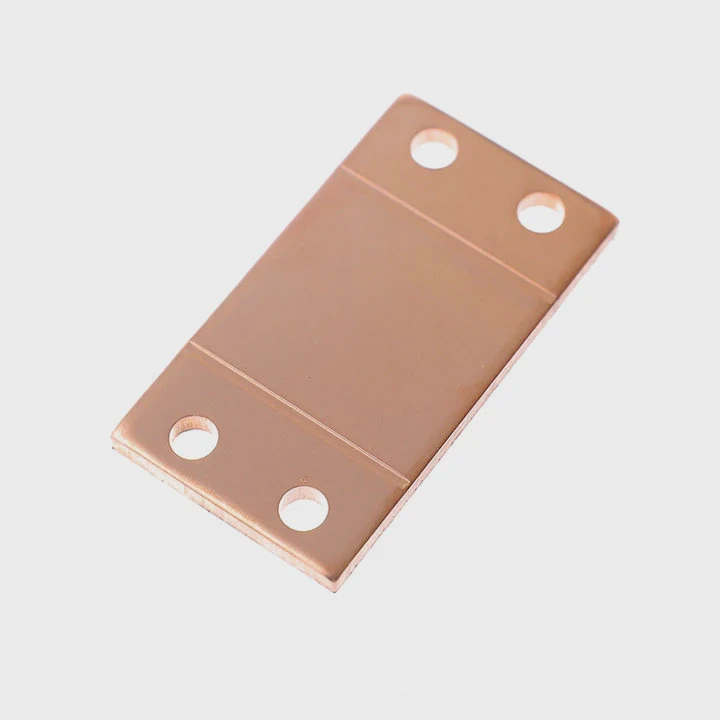
Liquid cooling has become a must for modern systems. As processors and devices run faster, air cooling often fails to keep up.
Liquid cooling uses fluids to absorb and move heat away from high-temperature components faster and more efficiently than air cooling.
Many engineers and manufacturers now look at liquid cooling as the next step for better system performance, lower noise, and higher reliability.
What is liquid cooling?
When systems generate more heat than air cooling can handle, liquid cooling steps in. The concept is simple: move heat with liquid instead of air.
Liquid cooling is a thermal management system that uses a coolant—usually water or a special liquid—to transfer heat from hot components to a heat exchanger.
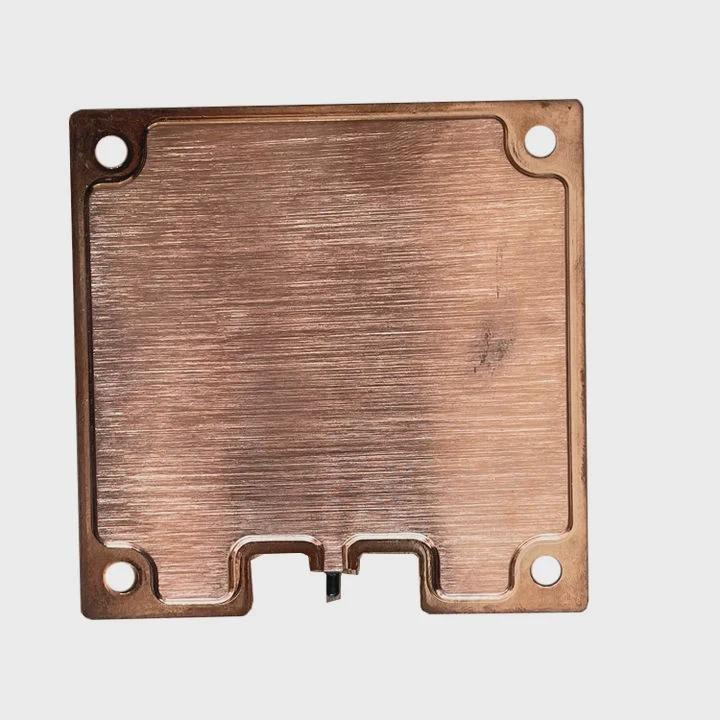
Liquid cooling systems use three main parts: a cold plate, a pump, and a heat exchanger. The coolant flows through these components, carrying heat away. Compared to air, liquid has higher thermal conductivity, meaning it absorbs and moves heat much faster.
Key Components
| Component | Function |
|---|---|
| Cold Plate | Absorbs heat from the device surface |
| Pump | Circulates coolant through the system |
| Heat Exchanger | Releases heat into the air or another medium |
| Coolant | Transfers heat between components |
Liquid cooling is used in many fields—computers, electric vehicles, telecommunications, and even space equipment. It is not only for high-end computers but also for industrial and medical devices that demand constant temperatures.
What are its main advantages?
In modern systems, efficiency and stability are vital. As technology advances, devices get smaller but hotter. Air cooling alone cannot meet these needs.
Liquid cooling offers higher heat transfer efficiency, reduced noise, and more stable temperature control compared to air cooling.
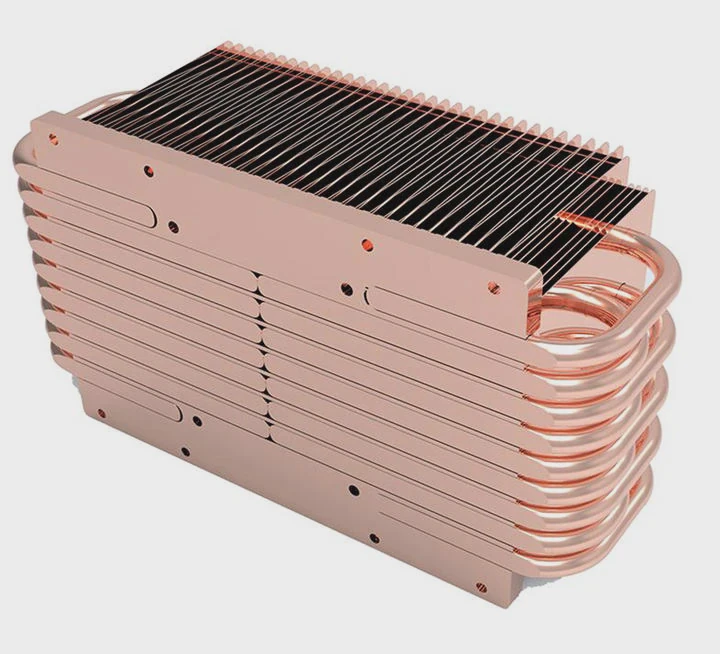
Main Benefits of Liquid Cooling
High Heat Transfer Efficiency
Liquid can move heat up to 1000 times more effectively than air. This allows for faster thermal balance and better performance stability.Compact Design
Because liquid cooling is more efficient, smaller heat sinks can be used, saving space in compact devices.Low Noise
Fans are either smaller or unnecessary, leading to quieter operation.Improved Reliability
Stable operating temperatures reduce component stress, extending lifespan.Scalability
Systems can be designed for single components or scaled up for full racks, vehicles, or entire industrial systems.
Comparison Table: Air Cooling vs. Liquid Cooling
| Feature | Air Cooling | Liquid Cooling |
|---|---|---|
| Heat Transfer Efficiency | Low | High |
| Noise Level | High | Low |
| Size | Bulky | Compact |
| Temperature Stability | Moderate | Excellent |
| Maintenance | Simple | Moderate |
As energy density rises in industries like data centers and electric vehicles, liquid cooling is becoming essential. It ensures efficient operation while controlling thermal loads and reducing system downtime.
How to use liquid cooling for better performance?
Many engineers install liquid cooling but fail to get the most out of it. The secret lies in proper system design, maintenance, and tuning.
To get better performance from liquid cooling, optimize flow rate, maintain coolant quality, and ensure effective heat exchanger design.
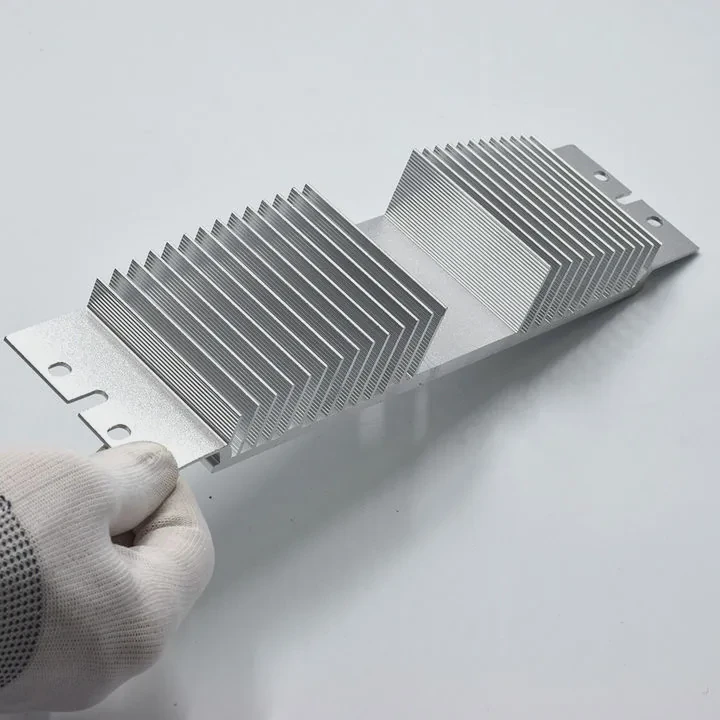
Step 1: Choose the Right Coolant
The fluid must have high thermal conductivity, low viscosity, and strong corrosion resistance. Common coolants include:
- Distilled water with inhibitors
- Glycol mixtures for low-temperature environments
- Dielectric fluids for sensitive electronics
Step 2: Optimize Flow Rate
Too slow, and the system overheats. Too fast, and the pump wastes energy. The goal is steady, balanced circulation that keeps temperature consistent across all components.
Step 3: Maintain Cleanliness
Dust or particles can block microchannels. Regular cleaning and filtration prevent performance loss. For industrial systems, automatic filtration or inline monitoring can be added.
Step 4: Improve Heat Exchanger Design
The heat exchanger surface area determines how much heat can escape. Using fins, turbulence generators, or high-efficiency materials like copper and aluminum boosts transfer rate.
Step 5: Monitor Temperature and Pressure
Sensors give real-time data to adjust flow rate and detect problems early. Many systems now integrate digital monitoring for predictive maintenance.
Example: Electric Vehicle Cooling
In electric cars, battery packs generate huge amounts of heat. A well-designed liquid cooling system keeps the battery within an ideal range (20–40°C). This not only extends battery life but also improves charging speed and driving range.
By combining smart design and digital control, liquid cooling can achieve consistent, high-performance thermal management across all modern applications.
What are the future innovations in liquid cooling?
Technology continues to push limits, and so does cooling. Future systems will require smarter, more sustainable solutions.
Next-generation liquid cooling will focus on energy efficiency, smart control, and eco-friendly materials.
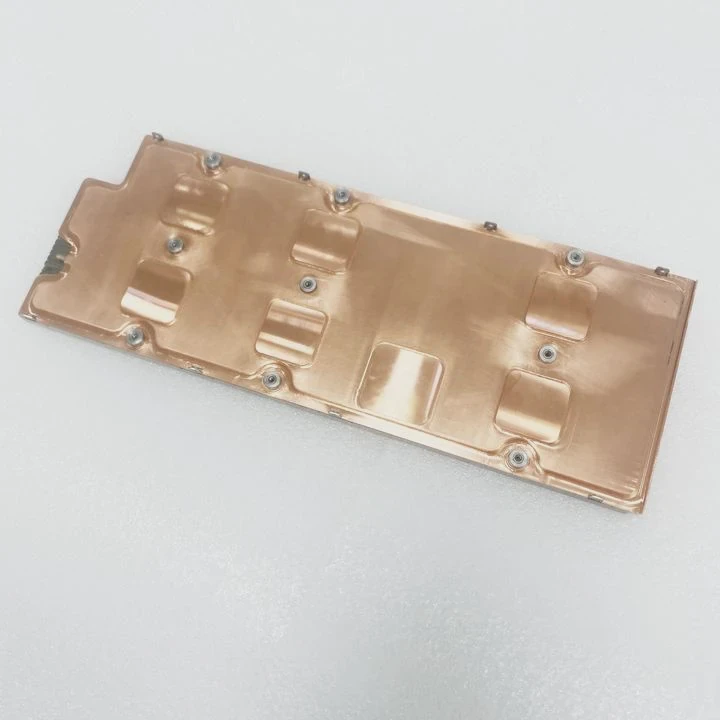
Smart Thermal Management
Artificial intelligence will be used to control flow rate and temperature automatically. Sensors and software will adjust cooling in real-time based on workload.
Microchannel and Two-Phase Cooling
Engineers are developing microchannel cold plates and two-phase systems using phase change fluids. These designs can handle higher heat flux in smaller spaces, ideal for chips and semiconductors.
Sustainable Coolants
Environmental impact is becoming a concern. Companies are researching biodegradable coolants and fluids with low global warming potential (GWP). Water-based and nanofluid coolants will likely replace traditional chemicals.
Integrated Structural Cooling
In the future, thermal and mechanical designs will merge. Liquid cooling channels will be integrated directly into aluminum structures, reducing weight and improving performance. This integration is already happening in aerospace and EV systems.
Digital Twin Simulation
Designers now use digital twins—virtual models of cooling systems—to simulate performance before production. This helps optimize design, predict failure, and reduce testing time.
These innovations will make liquid cooling smarter, lighter, and greener. It will no longer be just a thermal solution—it will be a core part of system design.
Conclusion
Liquid cooling is transforming how we manage heat in high-performance systems. It delivers higher efficiency, quiet operation, and better reliability. With the rise of AI, EVs, and compact electronics, liquid cooling will continue to evolve as a key technology for the future.
Recommended Reading: Heat sink manufacturer in Fiji Heat sink manufacturer in Gabon Heat sink manufacturer in Guinea Heat sink manufacturer in Guinea-Bissau Heat sink manufacturer in Guyana Heat sink manufacturer in Honduras Why does my heat sink overheat even with active cooling? Can I use a heat sink without thermal paste on CPUs or MOSFETs? Amber Glass Reed Diffuser Bottle 100ml 150ml 250ml 100ml Black Cylindrical Perfume Bottle Glass Bottle Manufacturers in Ghana 900ml refillable clear glass milk bottles with plastic lid
TAGS
Latest Articles

Volume discount levels for heat sink orders?
Buyers often ask when heat sink prices start to drop with volume. Many worry they’re overpaying for small orders. This guide explains how B2B volume pricing works for thermal components. Heat sink
21 Dec,2025
Heat sink long-term supply contract options?
Many buyers want stable pricing and reliable delivery for heat sinks. But without a clear contract, risks grow over time. This article explores how to secure better long-term supply deals. Long-term
21 Dec,2025
Tooling cost for new heat sink profiles?
Many engineers struggle to understand why tooling for custom heat sinks costs so much. They worry about budgeting and production timelines. This article breaks down the cost drivers behind tooling.
21 Dec,2025
Heat sink custom sample process steps?
Sometimes, starting a custom heat sink project feels overwhelming—too many steps, too many unknowns, and too many risks. You want a sample, but not endless delays. The process for requesting and
20 Dec,2025
Standard B2B terms for heat sink payments?
When buyers and sellers in B2B heat sink markets talk about payment, many don’t fully understand what’s standard. This can lead to delayed orders, miscommunication, and even lost business
20 Dec,2025
Heat sink pricing factors for large orders?
Heat sinks are vital for many systems. When prices rise, projects stall and budgets break. This problem can hit teams hard without warning. Large order heat sink pricing depends on many factors. You
20 Dec,2025Related Articles
- Is the PS5 liquid cooled?
- What is liquid metal cooling?
- How to remove a liquid cooler?
- When a sample of liquid is cooled, its thermal energy?
- Is iBUYPOWER liquid cooling good?
- How to test a liquid cooling system?
- How to refill liquid cooling?
- How to install liquid cooling on GPU?
- Is it hard to install liquid cooling?
- How does liquid cooling work in computers?
- How to cool hot liquid fast?
- Why is my liquid cooling so hot?
Author
Dr. Emily Chen
Chief AI Researcher
Leading expert in thermal dynamics and AI optimization with over 15 years of experience in data center efficiency research.
Categories
Latest Products






Recommend Categories
- Liquid cooling plate Manufacturer
- Industrial Heat Sink Manufacturer
- Standard Heat Sink Manufacturer
- Aluminum Heat Sink Manufacturer
- Copper Heat Sink Manufacturer
- Anodized Heatsink Manufacturer
- Stamping heat sink Manufacturer
- Die Casting Heatsink Manufacturer
- Soldering heat sink Manufacturer
- CNC Parts Manufacturer
Latest Products
- Wholesale Aluminum Radiator
- Water Cooling Plate Kit
- Water Cooling Heat Sink
- Water Cooling Heat Sink Kit
- Stainless Steel Water Distributor
- Server Water Cooling Plate Kit
- Server Liquid Cooling System
- Server Aluminum Cooling Kit
- S19 Full Cover Cooling Plate
- S19 Cooling Plate Kit
- S19 Aluminum Cooling Plate
Contact Expert
Have questions about this article? Reach out to our experts directly.