Does Ryzen come with heatsink and compound?
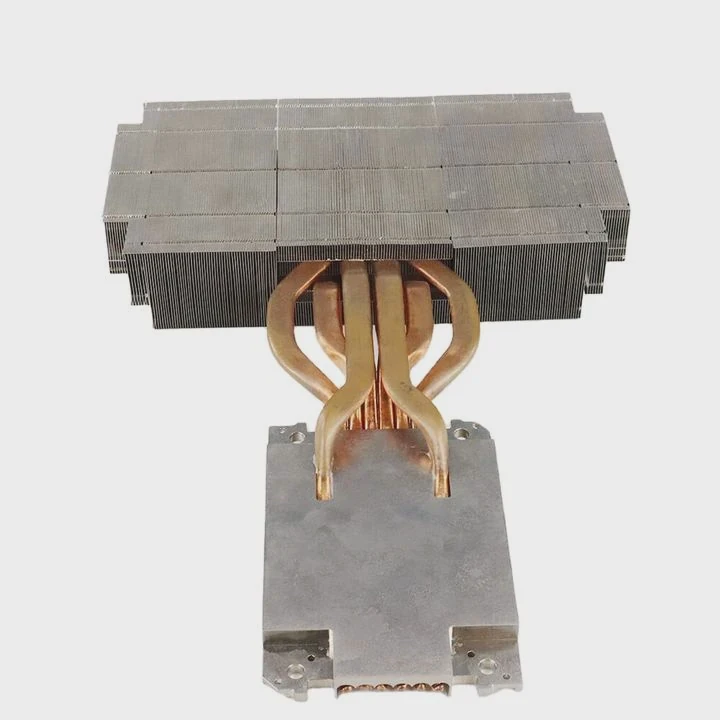
I talk with many PC builders who feel unsure when they open a Ryzen box for the first time. They want to know if the cooler is inside and if the paste is already applied.
Most mainstream Ryzen boxed CPUs include a stock heatsink with pre-applied thermal compound, but some higher-end and special models do not include a cooler at all.
I want to show why some chips ship with coolers, why others do not, and how users should handle the thermal paste on these coolers.
Why do some Ryzen CPUs include coolers?
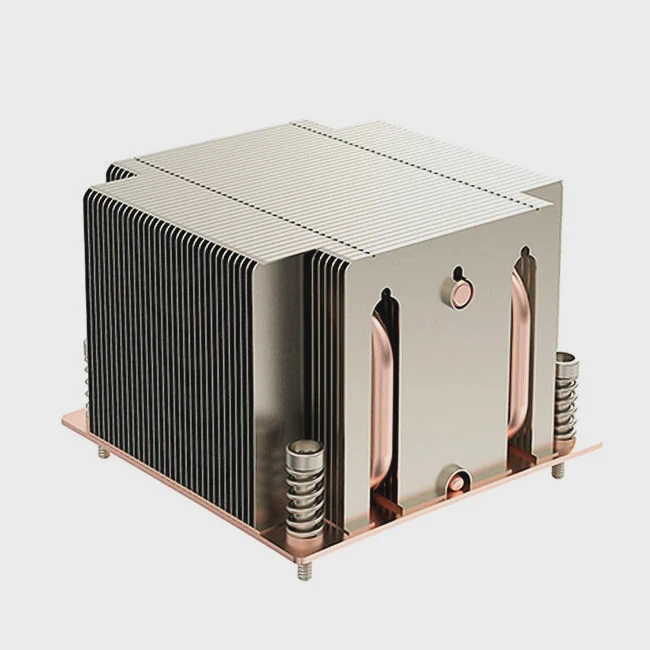
Many users wonder why AMD gives coolers with some CPUs but skips them on others. I explain that AMD designs each product line to match the expected user needs.
Some Ryzen CPUs include coolers because they run at moderate power levels, need simple cooling, and aim at mainstream users who want a ready-to-run package.
I have installed many Ryzen chips, and I see a clear pattern. The chips with lower TDP numbers almost always include an air cooler.
Moderate heat makes the stock cooler enough
Mainstream Ryzen chips usually stay under 65W. This keeps heat simple to manage. The Wraith Stealth or Wraith Spire coolers handle these loads without trouble. I used them in office builds and light gaming rigs, and they always worked fine.
A cooler inside helps new builders
When I built my first Ryzen PC, I felt unsure about cooling. Having the cooler in the box removed that worry. I did not need to check brackets or compare tower sizes. I just installed the included unit and finished the build fast.
It keeps the total cost lower
A cooler inside the box saves money for budget builders. Many low-cost gaming rigs and office PCs run well with the stock cooler. There is no reason to buy an extra one unless users want silence or special cooling.
Reasons AMD packs coolers
| Reason | Simple Note |
|---|---|
| Safe temps | Stock cooler fits the CPU heat level |
| Easy install | No special brackets needed |
| Lower cost | Good for new users |
| Stable setup | Works without tuning |
These points explain why many Ryzen chips come with coolers. Now I look at the models that skip them.
Which models omit stock heatsinks?
Some buyers feel surprised when they open a Ryzen box and find no cooler. I explain that AMD does this on purpose for certain CPUs.
High-end Ryzen chips, X-series models, and many performance-focused parts do not include stock heatsinks because users are expected to use stronger aftermarket cooling.
I see this often when helping friends build gaming rigs and workstations.
High-power CPUs need stronger cooling
Some Ryzen chips run at higher boost levels and draw more power under load. Small stock coolers cannot keep temps low enough. AMD expects users to pair these chips with large air coolers or liquid setups.
X-series usually exclude coolers
CPUs like the Ryzen 5600X, 5800X, 7600X, or 7800X3D usually come without coolers. These chips target users who want high performance and custom cooling solutions.
Large dies or fast boost behavior need airflow
Some Ryzen CPUs change clock speeds fast. This generates quick bursts of heat. Stock coolers would run loud or warm, so AMD removes them to avoid complaints.
Ryzen cooler inclusion guide
| Model Type | Cooler Included? | Notes |
|---|---|---|
| Ryzen non-X | Yes | Wraith cooler included |
| Ryzen X-series | No | Users must add a cooler |
| Ryzen 3D V-Cache | Often no | Better with strong coolers |
| OEM / Tray | No | Sold without accessories |
These groups explain why not every Ryzen chip comes with a heatsink. Now I move to the topic of thermal compound.
Can pre-applied paste be reused?
Many people ask if they can reinstall a cooler that already has paste on it. I tell them the answer is almost always no.
Pre-applied paste cannot be reused because once it spreads on the CPU, it no longer forms an even layer. Reusing it causes air gaps and raises temperatures.
I see this problem often when users remove a cooler to check alignment and then try to place it back again without cleaning.
Old paste does not spread the same
Factory paste spreads smoothly the first time. Once pressed, it loses its shape. If users lift the heatsink, the paste tears and forms uneven edges.
Air pockets raise temps fast
Uneven paste causes small pockets of air. Air blocks heat transfer. When I test reused paste, temps spike quickly, fans get louder, and boost clocks drop.
Dust sticks to exposed paste
Once exposed to open air, even for a few seconds, dust sticks to the surface. This dust stops smooth contact with the CPU. Cleaning becomes the only good option.
Pre-applied paste behavior
| Action | Result |
|---|---|
| Fresh paste | Smooth spread, normal temps |
| Reused paste | Uneven contact, higher temps |
| Contaminated paste | Poor bonding, noise increases |
| Clean and reapply | Best cooling and stable temps |
These points show why I never reuse factory-applied compound. Now I talk about whether you should replace it at all.
Should you replace stock paste?
Some builders want to know if they should remove the pre-applied paste and use a better brand. I explain that the answer depends on their goals.
You should replace stock paste if you want lower temps, quieter noise levels, or long-term stability. For simple builds, the factory paste works fine.
I compare pastes often, and I see real differences in cooling behavior.
Stock paste works for everyday builds
For browsing, office work, and light gaming, stock paste performs well. It keeps the CPU stable, and the fan does not need to spin fast.
Better pastes lower temps slightly
Well-known pastes spread thin and move heat faster. They usually drop temps by a few degrees. This small drop helps maintain boost speed for longer periods.
Long-term use benefits from good paste
Some factory pastes dry out after years of heat cycles. Premium paste lasts longer, stays soft, and keeps temps stable.
Cooler swaps require new paste
If I remove a cooler for cleaning or hardware changes, I always replace the paste. A fresh layer ensures smooth contact.
Stock vs premium paste
| Feature | Stock Paste | Premium Paste |
|---|---|---|
| Temperature | Good | Better |
| Noise | Medium | Lower with strong coolers |
| Longevity | Moderate | High |
| Best Use | Entry builds | Gaming and workstation loads |
These points help users decide if they should replace the paste on their Ryzen coolers.
Conclusion
Many Ryzen CPUs include a stock heatsink with pre-applied compound, but higher-end models skip the cooler. Pre-applied paste should not be reused, and users can replace it with better paste when they want lower temps, quieter fans, or long-term reliability.
TAGS
Latest Articles

Volume discount levels for heat sink orders?
Buyers often ask when heat sink prices start to drop with volume. Many worry they’re overpaying for small orders. This guide explains how B2B volume pricing works for thermal components. Heat sink
21 Dec,2025
Heat sink long-term supply contract options?
Many buyers want stable pricing and reliable delivery for heat sinks. But without a clear contract, risks grow over time. This article explores how to secure better long-term supply deals. Long-term
21 Dec,2025
Tooling cost for new heat sink profiles?
Many engineers struggle to understand why tooling for custom heat sinks costs so much. They worry about budgeting and production timelines. This article breaks down the cost drivers behind tooling.
21 Dec,2025
Heat sink custom sample process steps?
Sometimes, starting a custom heat sink project feels overwhelming—too many steps, too many unknowns, and too many risks. You want a sample, but not endless delays. The process for requesting and
20 Dec,2025
Standard B2B terms for heat sink payments?
When buyers and sellers in B2B heat sink markets talk about payment, many don’t fully understand what’s standard. This can lead to delayed orders, miscommunication, and even lost business
20 Dec,2025
Heat sink pricing factors for large orders?
Heat sinks are vital for many systems. When prices rise, projects stall and budgets break. This problem can hit teams hard without warning. Large order heat sink pricing depends on many factors. You
20 Dec,2025Related Articles
- how to remove thermal compound from heatsink?
- how to remove ram heatsink without heat gun?
- how to clean ps4 fan and heatsink?
- How to clean a processor CPU heatsink?
- how to add heatsink to raspberry pi 3?
- how to install mosfet heatsinks?
- does gpu heatsink have liquid?
- how do heatsink launchers work?
- what to do if secondary heatsink is too high?
- What is heatsink in computer?
- can i use heatsink from i5 on i7?
- how to clean zalman cpu heatsink?
Author
Dr. Emily Chen
Chief AI Researcher
Leading expert in thermal dynamics and AI optimization with over 15 years of experience in data center efficiency research.
Categories
Latest Products
M.2 Heatpipe Heatsink With Dual Fans For Pc Case
19 Mar,2026
Heavy-Duty Aluminum Heat Sink Custom
19 Mar,2026
Oem Skived Fin Heatsink Aluminum Radiator For Plants
19 Mar,2026
Water Cooled Cnc Aluminum Heat Sink For Medical
19 Mar,2026
High Density 6000 Series Aluminum Heat Sink Profile
19 Mar,2026
High-Density Extruded Aluminum & Bonded-Fin Heat Sink Profile
19 Mar,2026
Recommend Categories
- Liquid cooling plate Manufacturer
- Industrial Heat Sink Manufacturer
- Standard Heat Sink Manufacturer
- Aluminum Heat Sink Manufacturer
- Copper Heat Sink Manufacturer
- Anodized Heatsink Manufacturer
- Stamping heat sink Manufacturer
- Die Casting Heatsink Manufacturer
- Soldering heat sink Manufacturer
- CNC Parts Manufacturer
Latest Products
- M.2 Heatpipe Heatsink With Dual Fans For Pc Case
- Heavy-Duty Aluminum Heat Sink Custom
- Oem Skived Fin Heatsink Aluminum Radiator For Plants
- Water Cooled Cnc Aluminum Heat Sink For Medical
- High Density 6000 Series Aluminum Heat Sink Profile
- High-Density Extruded Aluminum & Bonded-Fin Heat Sink Profile
- Dongguan Cnc Aluminum Heat Sink For Led & Brass Parts
- Wholesale Cnc Aluminum Heat Sink - Custom Extruded
- Led Cnc Round Heat Sink With Screw Holes
- Copper Pin-Fin Heat-Sink Large-Area For Photoled Cooling
- Telecom Heatsink Zipper Fin Wcopper Tubes Oem
Contact Expert
Have questions about this article? Reach out to our experts directly.