how to remove ram heatsink without heat gun?
I know many builders feel nervous when they try to remove a RAM heatsink without a heat gun. They worry the chips will crack, the PCB will bend, or the pads will tear from sudden force.
You can remove a RAM heatsink without a heat gun by using slow prying, mild cold, and steady pressure so the adhesive weakens without stressing the memory chips.
I want to walk through each step with care. I still remember the first time I pulled too hard on a stubborn heatsink. The sudden snap scared me, and I feared I had damaged the module. That moment taught me to focus on slow, gentle methods.
Why use gentle prying methods?
Many people think a quick pull will split the heatsink from the RAM stick. But heatsinks use pads that cling strongly to fragile chips. A fast tug risks bending the PCB or snapping a tiny BGA solder point.
Gentle prying lets the adhesive loosen little by little so the heatsink lifts cleanly without stressing the chips or bending the module.
I learned this when I tested an old RAM stick with a metal shell. I tried to peel the shell in one strong motion. The PCB bent, and the adhesive pad tore. Since then I rely on slow prying from the edges.
How adhesives behave under stress
Adhesives on RAM heatsinks often include soft pads that grip the chip tops. These pads hold firm when pulled suddenly. But they peel when lifted slowly. The force spreads across the surface, and the pad releases without jerking.
Simple prying tools table
| Tool | Use | Notes |
|---|---|---|
| Plastic spudger | Edge lifting | Safe for PCB |
| Guitar pick | Sliding gap | Good for thin pads |
| Fingernails | Light lift | Low risk of slip |
These tools avoid sharp edges. Sharp metal tools may dig into the PCB or scratch an SMD part.
How I start the pry
I hold the module by the edges. I slide a thin pick into the seam. I wiggle gently. I move one millimeter at a time. I work around the edge. I never twist or rotate the module. Small upward movements weaken the bond.
Why patience matters
Adhesives lose hold slowly. If I rush, the pad snaps and leaves residue on the chips. Gentle prying keeps the pad intact and reduces cleanup work.
Which adhesives release easier?
Some people think all RAM heatsinks use the same pad. But pads vary. Some release with slight force. Some need more time. Knowing the pad type helps predict how it will behave when pried.
Thermal pads release easier than double-sided thermal tape because pads peel slowly with steady force, while tape holds tighter and tears more often.
I learned this when I removed heatsinks from two modules. One used a soft pad and lifted cleanly. The other used thin tape that gripped the chip edges. The tape stretched and tore. That moment taught me to check the pad thickness before I start.
Common adhesive types
Here is a small table of materials I meet often:
| Adhesive Type | Grip Strength | Ease of Removal |
|---|---|---|
| Soft thermal pad | Medium | Easy |
| Silicone pad | Medium–High | Moderate |
| Thermal tape | High | Hard |
| Foam pad | Low–Medium | Easy |
Soft pads peel like stickers. Tape pulls like glue.
Why pad thickness matters
Thicker pads give the chips more room. They shape around edges. They release when I lift from the ends. Thin tape clings to flat surfaces and resists peeling. A thin layer needs slower lifting and more care.
How to check adhesive type
I look at the seam. If I see a soft, spongy layer, it is a pad. If I see a thin shiny film, it is tape. Tape needs the slowest movement. I use two picks at once so I can lift both sides evenly.
How to reduce tearing
I lift a small corner first. Once it moves, I shift to the other side. I go back and forth. This helps the whole pad peel at the same pace.
Can cold reduce stickiness?
Many people use heat to soften adhesives. But heat guns are risky on RAM. They can warm the chips too fast. Cold offers a safer alternative. Cold stiffens pads and weakens grip.
Yes, cold can reduce stickiness because it hardens the pad or tape, making the bond brittle so it peels more easily under gentle force.
I learned this when I placed a RAM stick in a sealed bag and chilled it for a short time. When I removed the heatsink, the pad felt less sticky and came free with less force.
How cold affects adhesives
Cold air shrinks the material slightly. This shrinkage loosens the bond to smooth chip surfaces. Pads lose their grip. Tape becomes brittle and lifts cleanly when pulled slowly.
Safe cold steps
I place the RAM in a dry, sealed bag to avoid moisture. I chill it in a cool environment, not freezing temperatures. I leave it for a few minutes. I remove it and pry right away while the adhesive is still firm.
What to avoid
I never freeze the RAM. Extreme cold can cause condensation later. I never use ice directly. Moisture near chips is dangerous. A clean dry bag and mild cold work best.
When cold works well
Cold works best on soft pads. It also helps thin tape but needs extra care. I lift a corner first, then keep lifting slowly before the adhesive warms again.
Should pressure be applied slowly?
Many builders get impatient once the pad starts to release. They pull fast to “finish the job.” But sudden pressure can flex the module. This flex can break solder joints or stress the chip corners.
Yes, pressure should be applied slowly because steady force keeps the RAM PCB flat and lets the adhesive release without sudden jumps.
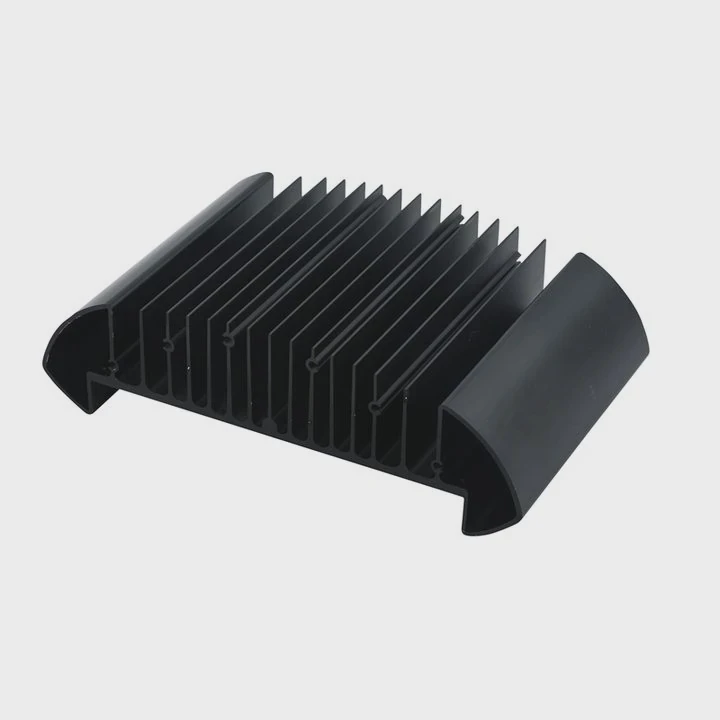
I learned this when I once removed a heatsink with a quick pull. The heatsink snapped off with force, and I saw the PCB flex. I feared I had harmed the module. That moment taught me to slow down for the final step.
Why slow pressure protects the PCB
The RAM PCB is thin. It bends under sudden force. Chips rely on tiny joints. A quick bend can crack these joints. Slow pressure keeps the board straight and safe.
How to apply even pressure
I hold the heatsink, not the module. I keep my fingers near the adhesive area. I pull with a steady pace. I avoid tilting or twisting. Even force makes the pad peel clean.
Steps to avoid stress
- I rest the module on a soft surface
- I keep two fingers under the edges
- I pull straight upward
- I stop if I feel sudden resistance
- I pry again from the edge
These steps lower the risk of a sudden “snap.”
When to stop and restart
If the pad sticks hard in the center, I stop. I pry from another edge. I lift a tiny bit, then return to the center. This pattern helps the pad release smoothly.
Conclusion
A safe heatsink removal needs slow prying, the right knowledge of adhesive types, mild cold to loosen grip, and steady pressure to protect the PCB. With these steps, the heatsink lifts clean and the RAM stays safe.
TAGS
Latest Articles

Volume discount levels for heat sink orders?
Buyers often ask when heat sink prices start to drop with volume. Many worry they’re overpaying for small orders. This guide explains how B2B volume pricing works for thermal components. Heat sink
21 Dec,2025
Heat sink long-term supply contract options?
Many buyers want stable pricing and reliable delivery for heat sinks. But without a clear contract, risks grow over time. This article explores how to secure better long-term supply deals. Long-term
21 Dec,2025
Tooling cost for new heat sink profiles?
Many engineers struggle to understand why tooling for custom heat sinks costs so much. They worry about budgeting and production timelines. This article breaks down the cost drivers behind tooling.
21 Dec,2025
Heat sink custom sample process steps?
Sometimes, starting a custom heat sink project feels overwhelming—too many steps, too many unknowns, and too many risks. You want a sample, but not endless delays. The process for requesting and
20 Dec,2025
Standard B2B terms for heat sink payments?
When buyers and sellers in B2B heat sink markets talk about payment, many don’t fully understand what’s standard. This can lead to delayed orders, miscommunication, and even lost business
20 Dec,2025
Heat sink pricing factors for large orders?
Heat sinks are vital for many systems. When prices rise, projects stall and budgets break. This problem can hit teams hard without warning. Large order heat sink pricing depends on many factors. You
20 Dec,2025Related Articles
- how to clean ps4 fan and heatsink?
- How to clean a processor CPU heatsink?
- how to add heatsink to raspberry pi 3?
- how to install mosfet heatsinks?
- how to take heatsink of 3070 ti strix?
- how much does intel stock heatsink cost?
- how to remove thermal compound from heatsink?
- Does Ryzen come with heatsink and compound?
- does gpu heatsink have liquid?
- how do heatsink launchers work?
- what to do if secondary heatsink is too high?
- What is heatsink in computer?
Author
Dr. Emily Chen
Chief AI Researcher
Leading expert in thermal dynamics and AI optimization with over 15 years of experience in data center efficiency research.
Categories
Latest Products
M.2 Heatpipe Heatsink With Dual Fans For Pc Case
19 Mar,2026
Heavy-Duty Aluminum Heat Sink Custom
19 Mar,2026
Oem Skived Fin Heatsink Aluminum Radiator For Plants
19 Mar,2026
Water Cooled Cnc Aluminum Heat Sink For Medical
19 Mar,2026
High Density 6000 Series Aluminum Heat Sink Profile
19 Mar,2026
High-Density Extruded Aluminum & Bonded-Fin Heat Sink Profile
19 Mar,2026
Recommend Categories
- Liquid cooling plate Manufacturer
- Industrial Heat Sink Manufacturer
- Standard Heat Sink Manufacturer
- Aluminum Heat Sink Manufacturer
- Copper Heat Sink Manufacturer
- Anodized Heatsink Manufacturer
- Stamping heat sink Manufacturer
- Die Casting Heatsink Manufacturer
- Soldering heat sink Manufacturer
- CNC Parts Manufacturer
Latest Products
- M.2 Heatpipe Heatsink With Dual Fans For Pc Case
- Heavy-Duty Aluminum Heat Sink Custom
- Oem Skived Fin Heatsink Aluminum Radiator For Plants
- Water Cooled Cnc Aluminum Heat Sink For Medical
- High Density 6000 Series Aluminum Heat Sink Profile
- High-Density Extruded Aluminum & Bonded-Fin Heat Sink Profile
- Dongguan Cnc Aluminum Heat Sink For Led & Brass Parts
- Wholesale Cnc Aluminum Heat Sink - Custom Extruded
- Led Cnc Round Heat Sink With Screw Holes
- Copper Pin-Fin Heat-Sink Large-Area For Photoled Cooling
- Telecom Heatsink Zipper Fin Wcopper Tubes Oem
Contact Expert
Have questions about this article? Reach out to our experts directly.