how to remove thermal compound from heatsink?
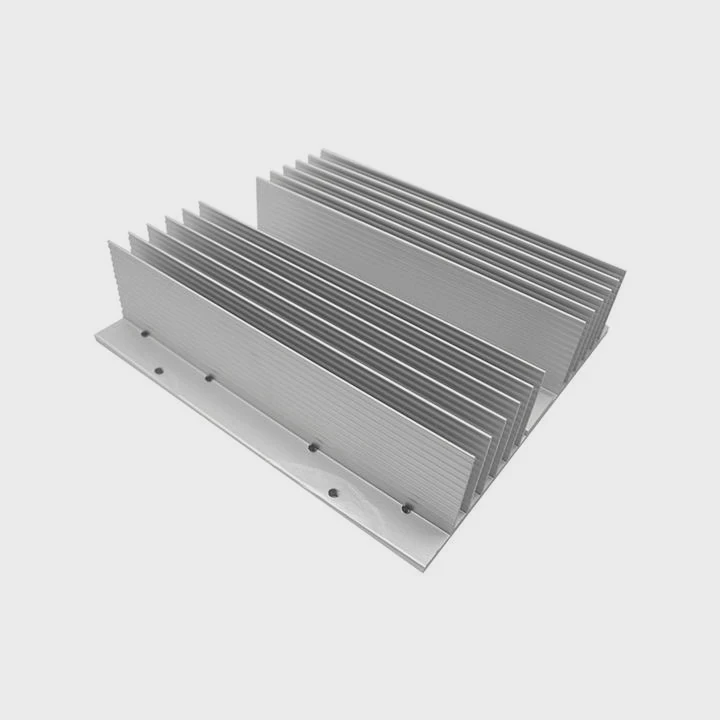
I still remember my first heatsink cleaning job. I rushed it, used the wrong liquid, and almost scratched the base. That moment taught me that good cleaning makes a real difference in cooling.
You remove thermal compound from a heatsink by using isopropyl alcohol, gentle tools, full residue removal, and complete drying. This keeps the metal clean, smooth, and ready for fresh paste.
I want to share the simple steps that keep the surface safe and help cooling stay strong over time.
Why use alcohol for cleaning?
I once tried water because it looked harmless. The paste spread into a sticky mess and refused to come off. When I mounted the cooler again, my temps jumped higher than before. That lesson made me trust alcohol for every cleaning.
You use alcohol because it dissolves old paste, removes oil, evaporates fast, and leaves the heatsink surface clean without harming the metal.
Alcohol softens hardened paste. It breaks down thick layers, wipes off oils, and leaves nothing behind. This prepares the surface for new paste to spread smoothly and evenly.
Why alcohol works so well
Alcohol cuts through oily compounds. Water cannot do this. Alcohol also leaves no film, while many household cleaners do. When I first used alcohol, the old paste melted into a soft streak and wiped off in a single motion.
Which alcohol level is best
I use 70–99% isopropyl alcohol. Higher levels dry faster, but even 70% works well. Lower levels hold too much water and can slow drying.
Cleaning comparison table
| Liquid Type | Effectiveness | Surface Safety | Evaporation |
|---|---|---|---|
| Isopropyl alcohol | High | Safe | Fast |
| Water | Low | Safe | Slow |
| Vinegar | Low | Risky | Slow |
| Acetone | High | Risky | Fast |
Why alcohol helps new paste spread
Fresh thermal paste needs clean metal. If old paste or oil stays, the new paste will not grip the surface well. It will float on top instead of bonding tightly. Alcohol clears the base so the paste forms a thin, even layer.
What I learned from early mistakes
I once used a household cleaner that left a thin film on the base. That film blocked the new paste from bonding. The temps went up until I cleaned everything again with alcohol. Since then, I use only isopropyl alcohol.
Which tools avoid scratching?
I once used a metal scraper to remove dry paste. I did not push hard, but the scraper still left faint lines. Those marks stayed forever and made the base uneven.
The best tools are soft cloths, paper towels, cotton swabs, and plastic cards. These tools remove old paste without scratching the heatsink surface.
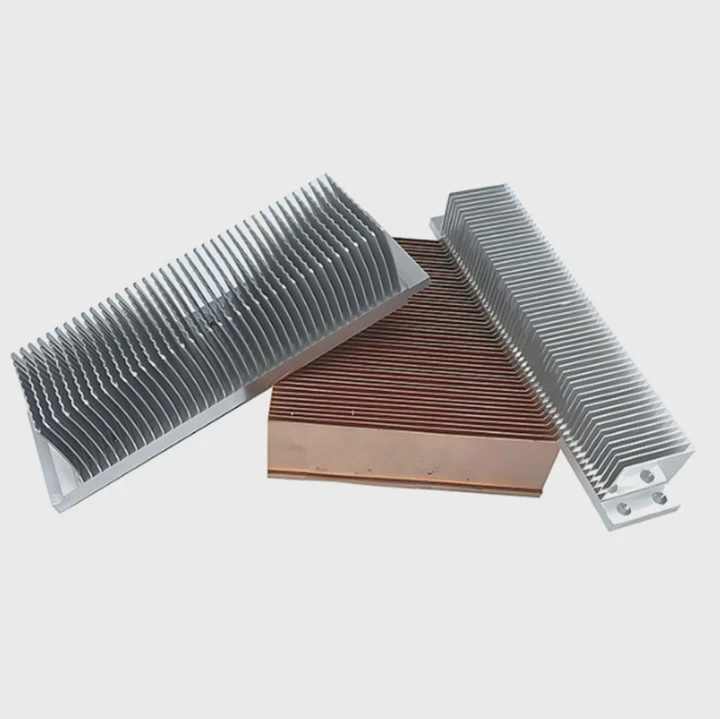
A smooth heatsink base gives better contact. Scratches create tiny air pockets when paste fills them. These pockets slow heat transfer and weaken cooling.
Why soft tools are safer
Soft cloths follow the surface shape without digging into it. Cotton swabs help in tight spots near the edges. Plastic cards lift thick paste without pressure. These tools let you clean the heatsink without harming its finish.
Tools I trust the most
Over time, I made a small kit:
- Lint-free cloth
- Cotton swabs
- Plastic card
- A small bottle of isopropyl alcohol
This simple kit works for almost every cleaning job.
Tool safety table
| Tool | Scratch Risk | Cleanup Strength | Notes |
|---|---|---|---|
| Lint-free cloth | None | Strong | Best for wide surfaces |
| Cotton swab | None | Medium | Good near edges |
| Plastic card | Very low | Medium | Helps with thick paste |
| Metal scraper | High | Strong | Should be avoided |
How I handle stubborn paste
When paste dries into thick lumps, I add a drop of alcohol and wait a few seconds. The paste softens and wipes away with a cloth or card. This protects the metal while keeping the base clean.
Why a smooth base improves cooling
A smooth surface means better paste spread. Better spread means more contact. More contact means faster heat transfer. I once saw a several-degree drop just by polishing away light scratches caused by a metal tool. That taught me to protect every heatsink surface.
Can residue affect cooling?
I once left a thin smear of old paste near an edge. I did not think it mattered. When I mounted the cooler, my temps climbed higher than expected. That smear changed how the new paste spread.
Yes, residue affects cooling because leftover paste stops the new paste from spreading evenly, creates bumps in the contact layer, and traps heat between the CPU and the heatsink.
Even a tiny smear can disturb pressure. When the cooler presses down, the new paste flows around dry spots instead of across them. This forms uneven layers that slow heat movement.
Why residue changes contact
Old paste becomes hard and dry. Hard paste sits like a small rock under the heatsink. It holds the cooler slightly off balance, lifting one side and pressing another. This leads to hot zones and uneven thermal transfer.
Why residue traps heat
Fresh paste transfers heat well only when touching clean metal. Residue creates small islands. These islands block heat flow and make the cooler work harder.
Residue effect table
| Residue Amount | Contact Quality | Cooling Result |
|---|---|---|
| None | Strong | Best temps |
| Small smear | Medium | Higher temps |
| Thick residue | Poor | Very high temps |
How I check for hidden residue
I tilt the heatsink under bright light and look at the surface from different angles. Clean metal shines evenly. Residue looks dull or streaky. A bit of alcohol clears it in seconds.
Why clean surfaces help long-term use
A clean base keeps the paste thin and even. Thin layers last longer. Thick or uneven layers dry out faster. When the layer stays even, temps stay stable for many months.
Should surfaces dry fully?
I once cleaned a heatsink with alcohol and mounted it before it was dry. The new paste slid across the surface. It pushed toward the edges and left the center thin. Temps went up right away. That moment taught me patience.
Yes, surfaces must dry fully because moisture stops paste from gripping metal, creates uneven spread, and forms air pockets.
Alcohol dries fast, but even a small amount of moisture changes how paste behaves. Wet metal makes the paste slippery. It does not stay centered. It forms streaks when pressure is applied.
Why drying improves contact
Paste sticks to dry metal. It spreads evenly under pressure. It stays where you place it. On damp metal, it behaves like a sliding film. This creates uneven thickness and weak thermal contact.
How fast the surface dries
Isopropyl alcohol dries in seconds. A higher concentration dries even faster. I usually wait about one minute after wiping. That short wait ensures the surface is ready for new paste.
Drying comparison table
| Surface State | Effect on Paste | Result |
|---|---|---|
| Fully dry | Strong grip | Even spread |
| Slightly damp | Weak grip | Uneven spread |
| Wet | Very weak grip | Air pockets |
How I check if the surface is ready
I hold the heatsink at an angle. If it shines evenly, it is dry. If it looks cloudy, it still has moisture. I also check by lightly touching the edge with the back of my finger. It should feel cool but not damp.
Why drying prevents bad mounts
Drying takes almost no time. Fixing a bad mount takes much longer. After one rushed mount created a bare center spot on my CPU, I learned to slow down and let the surface dry before applying new paste.
Conclusion
Removing thermal compound the right way means using alcohol, gentle tools, full residue removal, and dry surfaces before applying new paste. These steps keep the heatsink clean, protect its finish, and support strong and stable cooling performance.
TAGS
Latest Articles

Volume discount levels for heat sink orders?
Buyers often ask when heat sink prices start to drop with volume. Many worry they’re overpaying for small orders. This guide explains how B2B volume pricing works for thermal components. Heat sink
21 Dec,2025
Heat sink long-term supply contract options?
Many buyers want stable pricing and reliable delivery for heat sinks. But without a clear contract, risks grow over time. This article explores how to secure better long-term supply deals. Long-term
21 Dec,2025
Tooling cost for new heat sink profiles?
Many engineers struggle to understand why tooling for custom heat sinks costs so much. They worry about budgeting and production timelines. This article breaks down the cost drivers behind tooling.
21 Dec,2025
Heat sink custom sample process steps?
Sometimes, starting a custom heat sink project feels overwhelming—too many steps, too many unknowns, and too many risks. You want a sample, but not endless delays. The process for requesting and
20 Dec,2025
Standard B2B terms for heat sink payments?
When buyers and sellers in B2B heat sink markets talk about payment, many don’t fully understand what’s standard. This can lead to delayed orders, miscommunication, and even lost business
20 Dec,2025
Heat sink pricing factors for large orders?
Heat sinks are vital for many systems. When prices rise, projects stall and budgets break. This problem can hit teams hard without warning. Large order heat sink pricing depends on many factors. You
20 Dec,2025Related Articles
- how to remove ram heatsink without heat gun?
- how to clean ps4 fan and heatsink?
- How to clean a processor CPU heatsink?
- how to add heatsink to raspberry pi 3?
- how to install mosfet heatsinks?
- how to take heatsink of 3070 ti strix?
- Does Ryzen come with heatsink and compound?
- does gpu heatsink have liquid?
- how do heatsink launchers work?
- what to do if secondary heatsink is too high?
- What is heatsink in computer?
- can i use heatsink from i5 on i7?
Author
Dr. Emily Chen
Chief AI Researcher
Leading expert in thermal dynamics and AI optimization with over 15 years of experience in data center efficiency research.
Categories
Latest Products
M.2 Heatpipe Heatsink With Dual Fans For Pc Case
19 Mar,2026
Heavy-Duty Aluminum Heat Sink Custom
19 Mar,2026
Oem Skived Fin Heatsink Aluminum Radiator For Plants
19 Mar,2026
Water Cooled Cnc Aluminum Heat Sink For Medical
19 Mar,2026
High Density 6000 Series Aluminum Heat Sink Profile
19 Mar,2026
High-Density Extruded Aluminum & Bonded-Fin Heat Sink Profile
19 Mar,2026
Recommend Categories
- Liquid cooling plate Manufacturer
- Industrial Heat Sink Manufacturer
- Standard Heat Sink Manufacturer
- Aluminum Heat Sink Manufacturer
- Copper Heat Sink Manufacturer
- Anodized Heatsink Manufacturer
- Stamping heat sink Manufacturer
- Die Casting Heatsink Manufacturer
- Soldering heat sink Manufacturer
- CNC Parts Manufacturer
Latest Products
- M.2 Heatpipe Heatsink With Dual Fans For Pc Case
- Heavy-Duty Aluminum Heat Sink Custom
- Oem Skived Fin Heatsink Aluminum Radiator For Plants
- Water Cooled Cnc Aluminum Heat Sink For Medical
- High Density 6000 Series Aluminum Heat Sink Profile
- High-Density Extruded Aluminum & Bonded-Fin Heat Sink Profile
- Dongguan Cnc Aluminum Heat Sink For Led & Brass Parts
- Wholesale Cnc Aluminum Heat Sink - Custom Extruded
- Led Cnc Round Heat Sink With Screw Holes
- Copper Pin-Fin Heat-Sink Large-Area For Photoled Cooling
- Telecom Heatsink Zipper Fin Wcopper Tubes Oem
Contact Expert
Have questions about this article? Reach out to our experts directly.