Vapor Chamber application in hazardous areas?
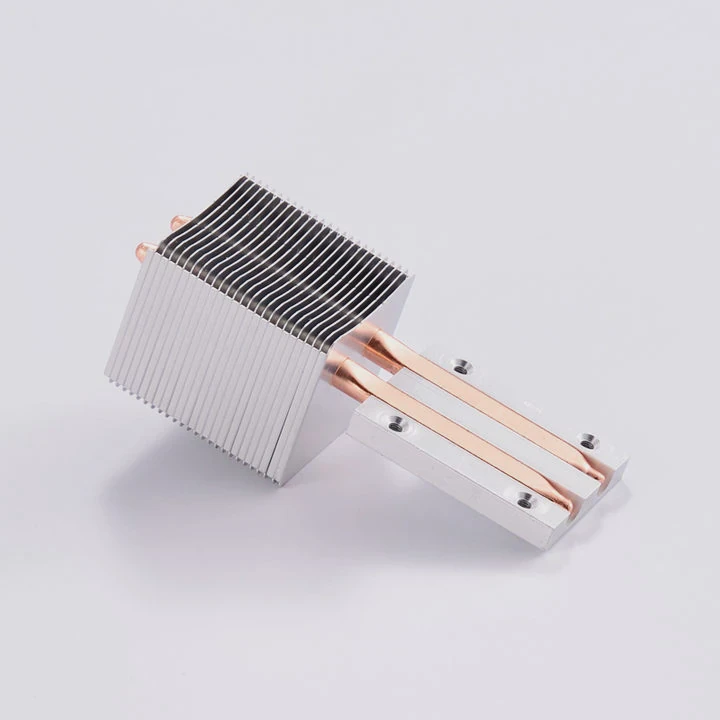
Working in hazardous zones means every component must avoid becoming an ignition source — so when a thermal device such as a vapour chamber is used the risk is real.
A vapour chamber can be applied in hazardous areas — but only if the device and its system meet strict explosion-/ignition-proof standards (such as ATEX 2014/34/EU/IECEx), choose proper materials, control surface temperatures, prevent spark or hot-surface hazards, and ensure reliable operation under high-EMI or flammable-dust/gas conditions.
Below I’ll walk through what safety standards matter for vapour chambers in hazardous zones, how reliable operation is achieved under explosive or high-EMI conditions, how material selection affects suitability, and why ATEX/IECEx compliance is critical for these applications.
What safety standards must Vapor Chambers meet in hazardous zones?
Imagine a vapour chamber inside a zone with flammable gases or dust – you must ask: Is it certified for that environment or could it trigger ignition?
Vapour chambers used in hazardous areas must satisfy standards for explosive atmospheres (e.g., IEC 60079 series, ATEX directive) and meet requirements for ignition sources, surface-temperatures, enclosure integrity, marking, and equipment protection levels (EPLs).
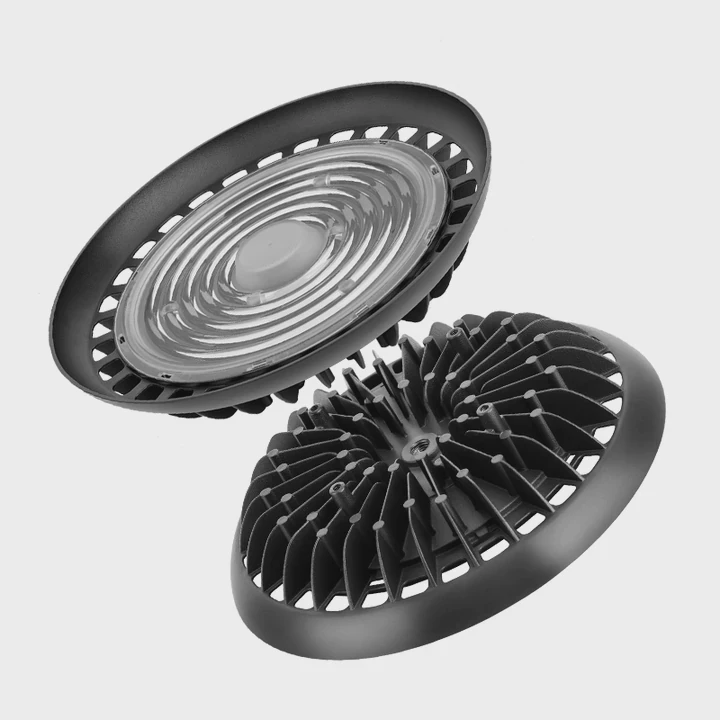
Key Compliance Standards
| Requirement | Why it matters | Key reference |
|---|---|---|
| Zone classification | Determines risk level and category of equipment required | ATEX/IECEx |
| Surface temperature control | Hot surfaces can ignite atmosphere | IEC 60079-0 |
| Ignition source elimination | Sparks, static, EMI can trigger explosion | ATEX risk assessment |
| Documentation & marking | Ensures traceability and compliance | CE/Ex declarations |
Can Vapor Chambers operate reliably in explosive or high‑EMI environments?
Once standards are covered, the next question is: Will the vapour chamber system actually perform reliably where there is flammable gas, dust, high electromagnetic interference (EMI) or extreme industrial noise?
Yes — vapour chambers can operate reliably in hazardous zones, provided their design controls surface temperature, avoids ignition sources, is immune to EMI/EMC disturbances, uses compatible materials, and is integrated into a certified enclosure or system with appropriate protection method (e.g., Ex d flameproof, Ex e increased safety).
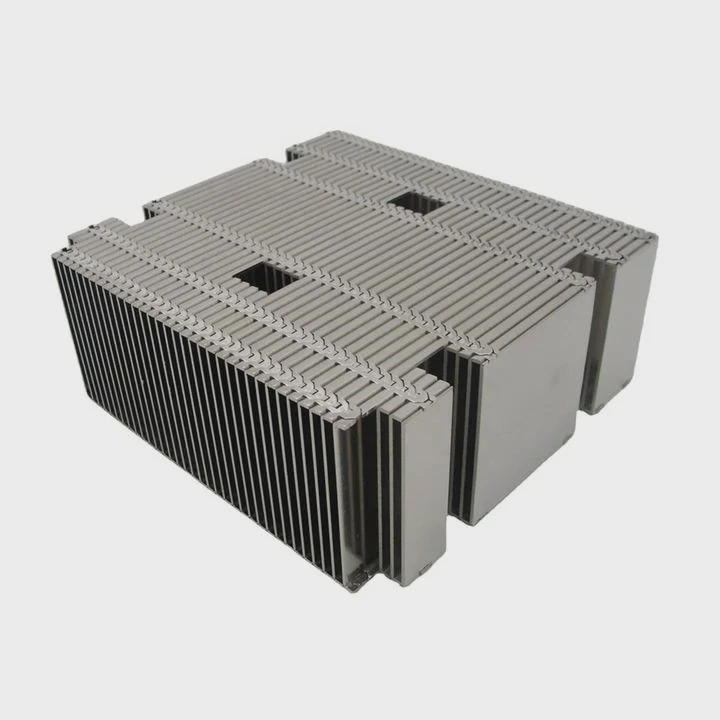
Practical Reliability Measures
- Maintain all surface temperatures below T-class maximums
- Use non-sparking, grounded metallic materials
- Avoid embedded electronics in the vapour chamber itself
- Ensure fans or active components are Ex-certified
- Conduct hazard assessments including EMI and transient response
How does material selection affect suitability in hazardous areas?
In hazardous zones material choices are not just about performance, but about preventing ignition, avoiding corrosion, and ensuring long-term reliability under harsh conditions.
Proper material selection (metals, coatings, seals, working fluid, wicks) impacts surface temperatures, spark/arc risk, corrosion resistance, thermal stability and ultimately suitability of a vapour chamber for hazardous-area use.
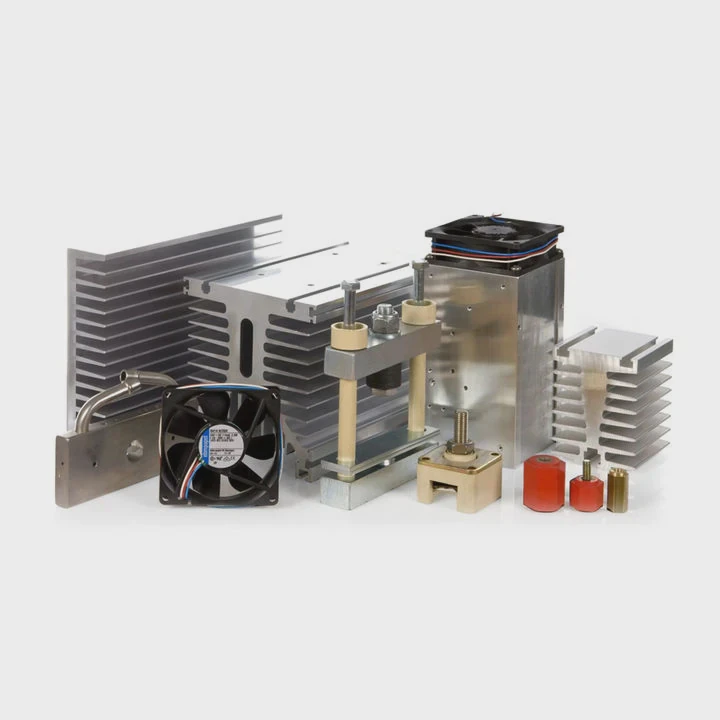
Material Considerations
| Component | Key Requirement | Reason |
|---|---|---|
| Envelope | Structural integrity & corrosion resistance | Prevent leaks, avoid ignition |
| Working fluid | Non-flammable, sealed-in | No added explosion risk |
| Wick material | Reliable capillary return | Maintain thermal performance |
| Surface coating | Anti-static, easy-clean | Prevent dust ignition |
| Mounting hardware | High integrity, low thermal resistance | Avoid hot spots |
Why is ATEX or IECEx compliance critical for these applications?
You might have a high-performing vapour chamber, but if it’s not certified for use in an explosive atmosphere the risk remains — and the regulatory non-compliance could shut the project down.
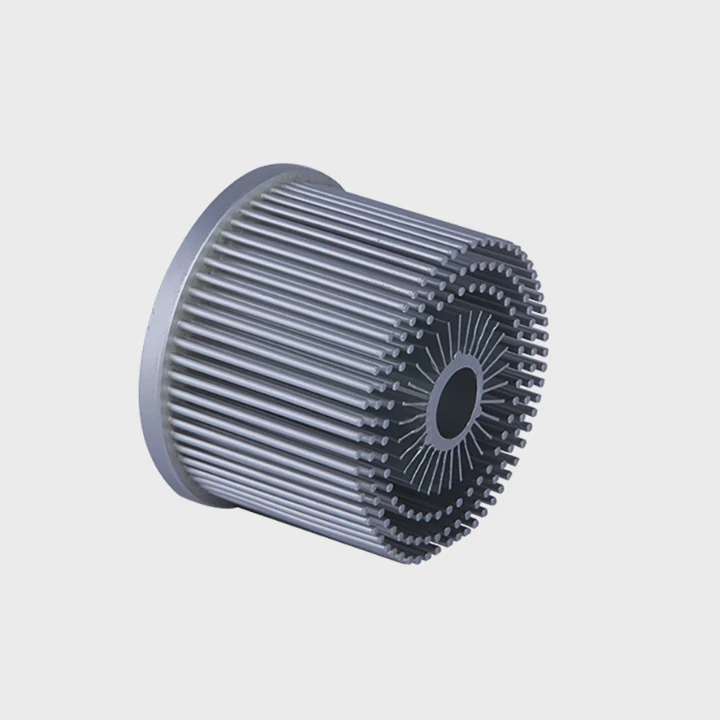
ATEX (in Europe) or IECEx (globally) compliance is critical because it provides third-party verified assurance that equipment is designed, tested and certified for use in potentially explosive atmospheres — covering zone classification, temperature class, ignition source control, marking, documentation and ongoing safety.
Certification Benefits
- Legal authorization to sell/use in hazardous zones
- Confidence in design safety and risk mitigation
- Simplifies customer qualification process
- Enables lifecycle inspection and safe maintenance
- Protects against liability, downtime, and system failure
Conclusion
In closing, deploying a vapour-chamber-based thermal solution in hazardous areas is feasible — but it demands that every aspect (component, materials, integration, mounting, enclosure) be treated under the rules of explosion-protected equipment. Compliance with ATEX/IECEx, careful design to avoid hot-surface and ignition risks, correct material choices, and system-level integration all matter. For industrial applications (such as your B2B high-end thermal modules) meeting these criteria ensures you can serve sectors like petrochemical, mining, gas turbines or dusty processing plants safely and reliably.
TAGS
Latest Articles

Volume discount levels for heat sink orders?
Buyers often ask when heat sink prices start to drop with volume. Many worry they’re overpaying for small orders. This guide explains how B2B volume pricing works for thermal components. Heat sink
21 Dec,2025
Heat sink long-term supply contract options?
Many buyers want stable pricing and reliable delivery for heat sinks. But without a clear contract, risks grow over time. This article explores how to secure better long-term supply deals. Long-term
21 Dec,2025
Tooling cost for new heat sink profiles?
Many engineers struggle to understand why tooling for custom heat sinks costs so much. They worry about budgeting and production timelines. This article breaks down the cost drivers behind tooling.
21 Dec,2025
Heat sink custom sample process steps?
Sometimes, starting a custom heat sink project feels overwhelming—too many steps, too many unknowns, and too many risks. You want a sample, but not endless delays. The process for requesting and
20 Dec,2025
Standard B2B terms for heat sink payments?
When buyers and sellers in B2B heat sink markets talk about payment, many don’t fully understand what’s standard. This can lead to delayed orders, miscommunication, and even lost business
20 Dec,2025
Heat sink pricing factors for large orders?
Heat sinks are vital for many systems. When prices rise, projects stall and budgets break. This problem can hit teams hard without warning. Large order heat sink pricing depends on many factors. You
20 Dec,2025Related Articles
- Is Vapor Chamber suitable for high altitude use?
- What metal is used in GPU heatsinks?
- How to remove an Intel i3 heatsink?
- Can heatsinks support multiple socket types?
- What is a computer fan and heatsink?
- How to mount LED to heatsink?
- Can Vapor Chamber reduce carbon footprint?
- Can Vapor Chamber lower manufacturing costs?
- Standard rejection rate for Vapor Chamber?
- Vapor Chamber manufacturing time estimation?
- Does Vapor Chamber need patent license?
- Vapor Chamber supplier evaluation criteria?
Author
Dr. Emily Chen
Chief AI Researcher
Leading expert in thermal dynamics and AI optimization with over 15 years of experience in data center efficiency research.
Categories
Latest Products
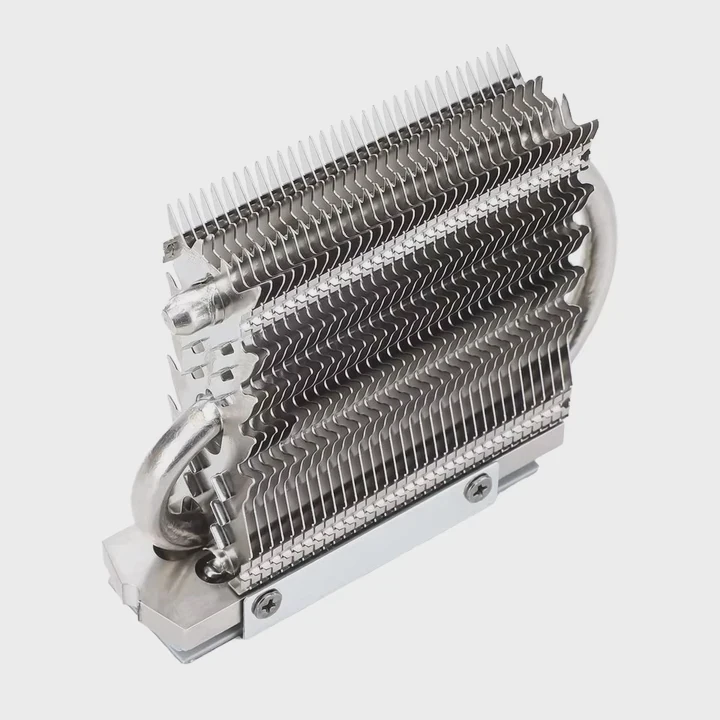
M.2 Heatpipe Heatsink With Dual Fans For Pc Case
19 Mar,2026
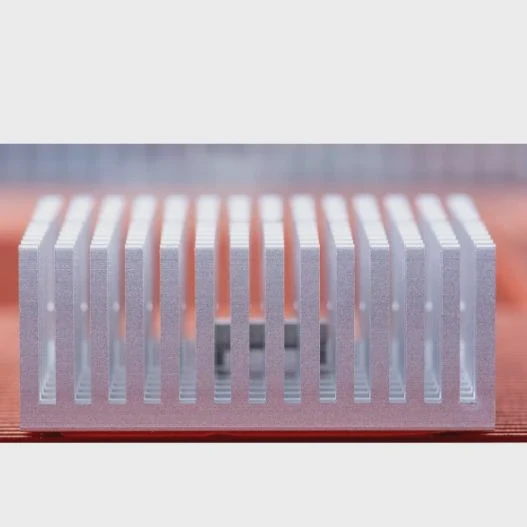
Heavy-Duty Aluminum Heat Sink Custom
19 Mar,2026
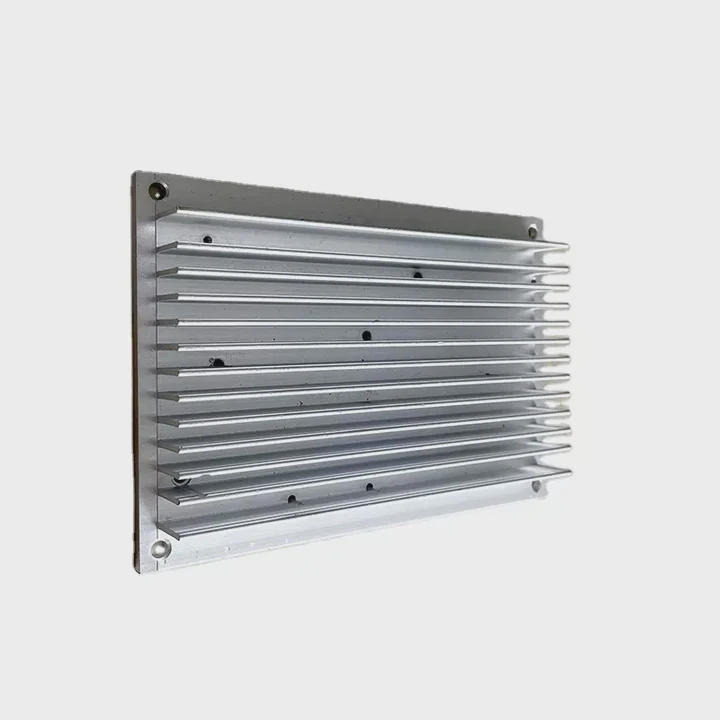
Oem Skived Fin Heatsink Aluminum Radiator For Plants
19 Mar,2026
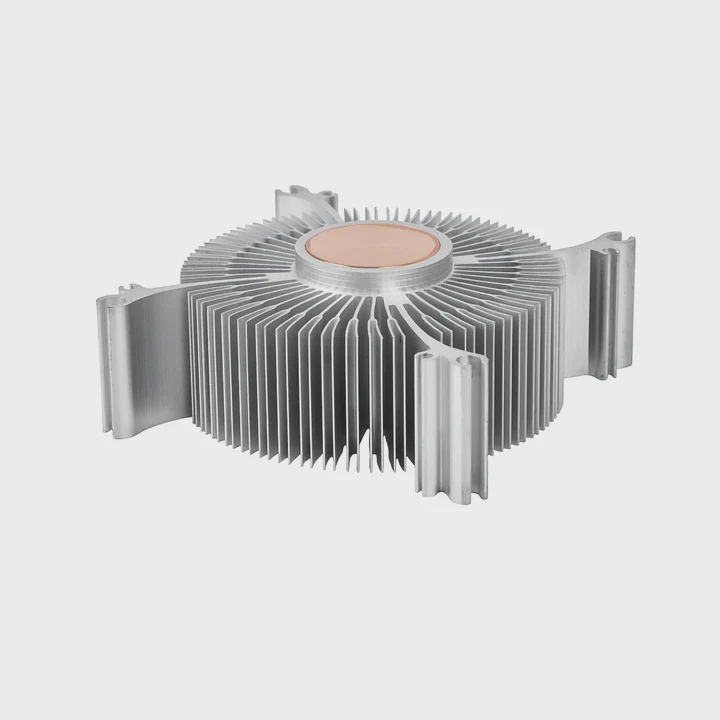
Water Cooled Cnc Aluminum Heat Sink For Medical
19 Mar,2026
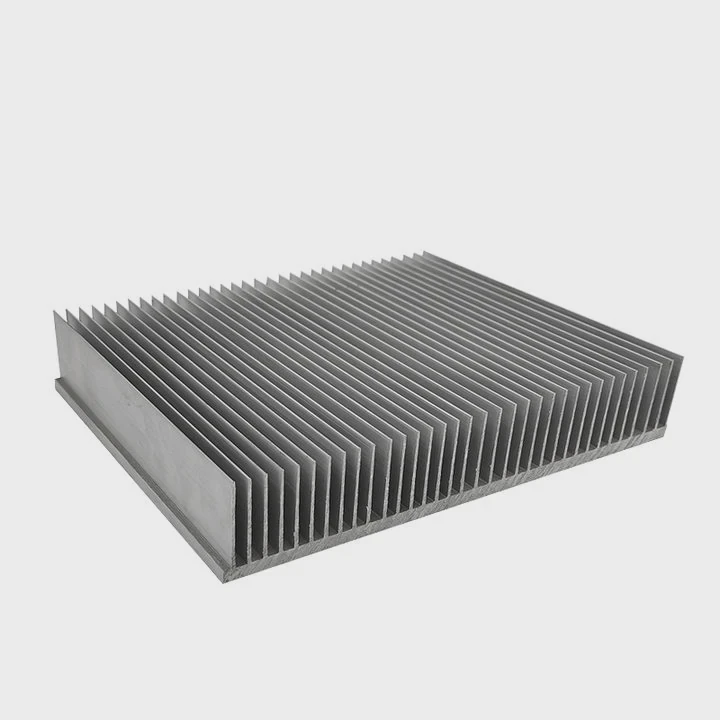
High Density 6000 Series Aluminum Heat Sink Profile
19 Mar,2026
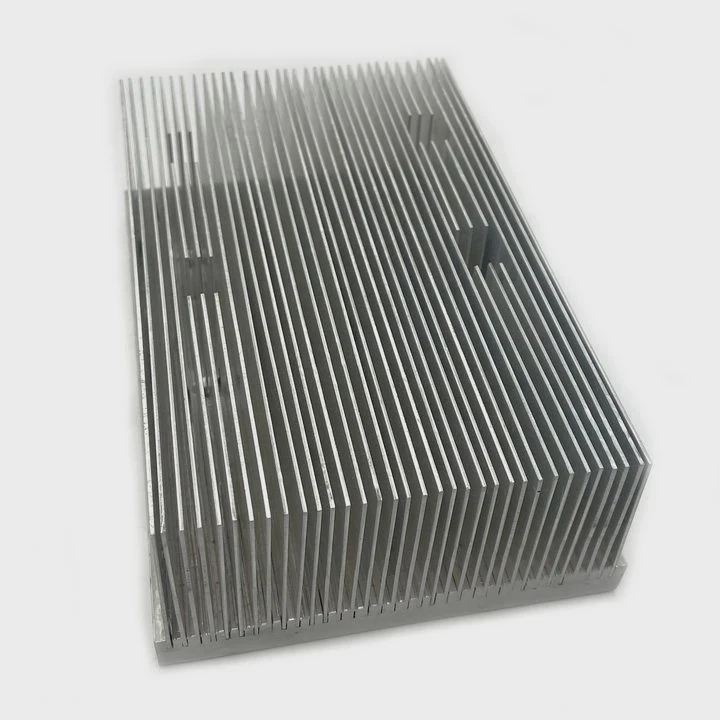
High-Density Extruded Aluminum & Bonded-Fin Heat Sink Profile
19 Mar,2026
Recommend Categories
- Liquid cooling plate Manufacturer
- Industrial Heat Sink Manufacturer
- Standard Heat Sink Manufacturer
- Aluminum Heat Sink Manufacturer
- Copper Heat Sink Manufacturer
- Anodized Heatsink Manufacturer
- Stamping heat sink Manufacturer
- Die Casting Heatsink Manufacturer
- Soldering heat sink Manufacturer
- CNC Parts Manufacturer
Latest Products
- M.2 Heatpipe Heatsink With Dual Fans For Pc Case
- Heavy-Duty Aluminum Heat Sink Custom
- Oem Skived Fin Heatsink Aluminum Radiator For Plants
- Water Cooled Cnc Aluminum Heat Sink For Medical
- High Density 6000 Series Aluminum Heat Sink Profile
- High-Density Extruded Aluminum & Bonded-Fin Heat Sink Profile
- Dongguan Cnc Aluminum Heat Sink For Led & Brass Parts
- Wholesale Cnc Aluminum Heat Sink - Custom Extruded
- Led Cnc Round Heat Sink With Screw Holes
- Copper Pin-Fin Heat-Sink Large-Area For Photoled Cooling
- Telecom Heatsink Zipper Fin Wcopper Tubes Oem
Contact Expert
Have questions about this article? Reach out to our experts directly.