Can Vapor Chamber lower manufacturing costs?
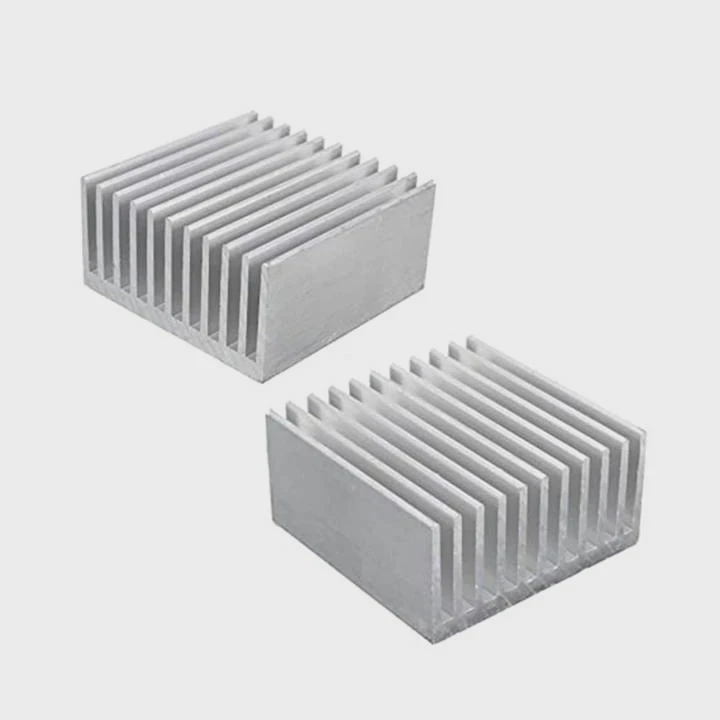
Facing high production expenses and tight margins? Optimizing thermal components could unlock substantial savings.
Yes — vapor chambers can lower manufacturing costs by smart design changes, volume production, alternative materials, and efficient tooling and sealing processes.
Let’s unpack how these elements reduce costs across the manufacturing process.
What design changes can reduce manufacturing cost of a Vapor Chamber?
Complex designs often lead to more expensive builds — but thoughtful simplification can help.
Reducing part count, standardizing dimensions, and integrating components can lower labor, tooling, and material costs of a vapor chamber.
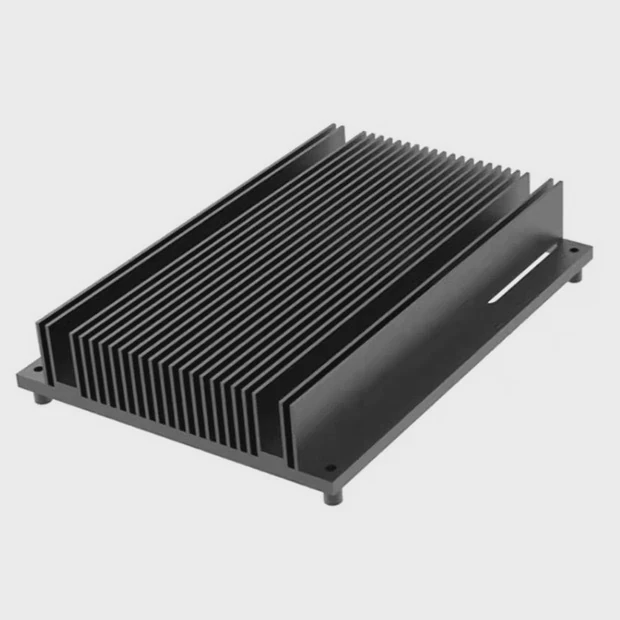
Design strategies that reduce cost
- Simplified geometry: Avoiding excessive bends, custom profiles, or deep cavities cuts forming costs and reduces the need for specialized tools.
- Fewer components: A two-piece design (top and bottom plate) is easier to produce than multi-segment configurations.
- Integrated features: Embedding heat sinks or mounting points into the vapor chamber reduces secondary operations.
- Standard sizes: Designing products to use a shared base shape or module size cuts material waste and speeds up manufacturing.
- Wick simplification: Using mesh wick structures instead of sintered powder cuts time and cost, especially in moderate-performance applications.
Trade-offs
While simplified designs can reduce cost, they may affect thermal performance, flatness tolerances, or mechanical strength. Engineers must balance these trade-offs carefully.
Table: Design Impacts on Cost
| Design Feature | Impact on Cost | Notes |
|---|---|---|
| Fewer welds and seals | Lower assembly time | Reduces failure risk |
| Shared dimensions | Tooling reuse | Better for modular systems |
| Integrated mounting holes | Less secondary machining | Cuts labor and tooling steps |
| Simplified wick | Material and process saving | May reduce heat spreading ability |
How does scale of production affect unit cost for Vapor Chambers?
Volume changes everything — especially when fixed costs are high.
As production increases, fixed costs like tooling, setup, and engineering are spread across more units, reducing the cost per vapor chamber.
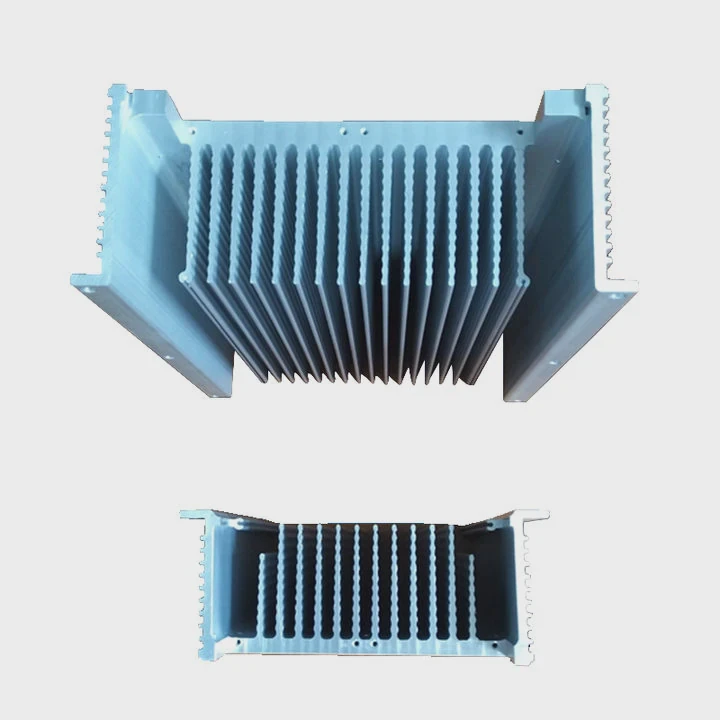
Understanding cost structure
- Fixed costs: Tooling, setup time, fixtures, and quality control processes are paid upfront.
- Variable costs: Raw materials, labor, energy, and packaging scale with the number of units.
As volumes increase, the cost-per-unit from fixed expenses drops, driving total unit cost lower.
Key scaling benefits
- Tool amortization: A \(20,000 die is a \)200/unit expense at 100 units — but just $2 at 10,000 units.
- Automation investment: High-volume production justifies robotic welding, automated filling, and leak testing, further driving down labor costs.
- Bulk material pricing: Buying copper, wicking mesh, or working fluid in large quantities brings supplier discounts.
- Process optimization: More units allow for statistical control, better yield, and reduced rework.
Volume tiers and planning
| Volume Level | Cost Characteristics | Common Strategies |
|---|---|---|
| Low (1–100 pcs) | High unit cost, manual work | Prototyping, CNC or custom stamping |
| Medium (100–5,000 pcs) | Semi-optimized, some tooling | Batch production, semi-auto welding |
| High (10,000+) | Lowest unit cost, high yield | Full automation, material contracts |
Scaling up is the most effective single lever to reduce vapor chamber manufacturing cost.
Can alternative materials significantly lower Vapor Chamber cost?
Copper works well — but it’s expensive.
Yes — switching from copper to aluminum, hybrids, or simpler wick structures can reduce both material and processing costs.
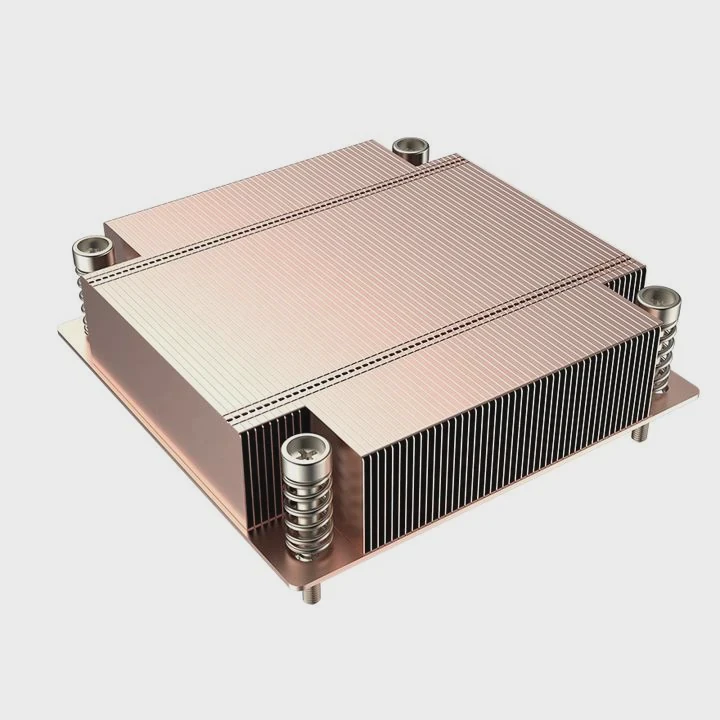
Material options and savings
- Aluminum enclosures: Lighter and cheaper than copper, easier to form. Ideal for lower-performance systems.
- Hybrid structures: Copper wick with aluminum casing balances cost and performance.
- Additive manufacturing: Enables complex structures with minimal waste and fewer joints.
- Alternative wicking: Mesh and groove wicks are cheaper to produce than sintered powder, though slightly less effective thermally.
Trade-offs
Switching materials must consider thermal performance, corrosion resistance, mechanical strength, and compatibility with working fluid.
In consumer electronics, cost often outweighs marginal thermal gains. In aerospace or data centers, performance may justify copper’s price.
Table: Material Comparison
| Material | Cost Level | Thermal Performance | Best For |
|---|---|---|---|
| Copper | High | Excellent | High-performance systems |
| Aluminum | Low | Moderate | Cost-sensitive, moderate power |
| Copper-Aluminum | Medium | Good | Balanced applications |
| AM Composites | Variable | Customizable | Low volume, high complexity |
Choosing the right material can slash raw costs — but only if performance targets are maintained.
Why are tooling and sealing steps major cost drivers for Vapor Chambers?
Making vapor chambers is not just about shaping metal — it’s about perfect seals and clean environments.
Tooling and sealing demand high precision and special equipment, making them two of the most expensive parts of vapor chamber manufacturing.
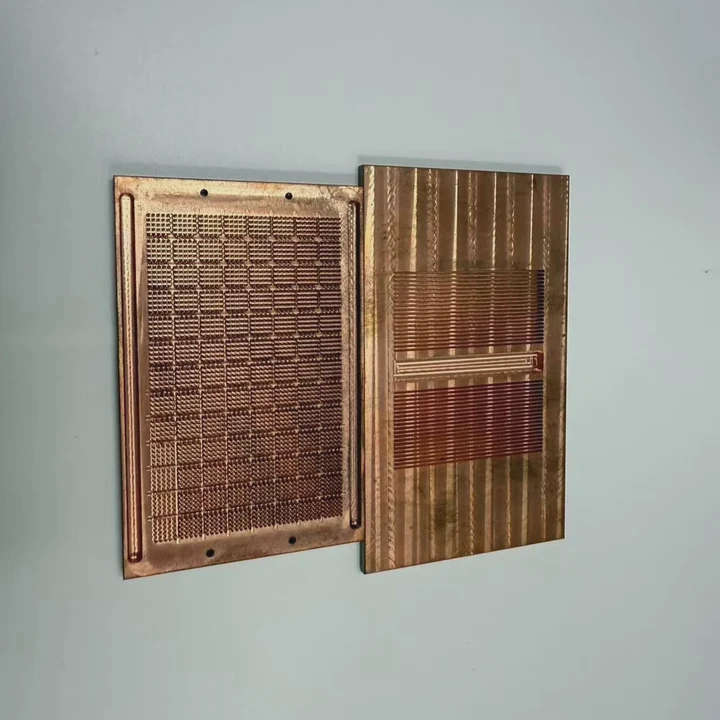
Why tooling costs are high
- Stamping dies and welding jigs must be machined to tight tolerances.
- Custom tools for unique chamber shapes or multi-step designs raise costs.
- Tool maintenance adds long-term costs to production runs.
Tooling costs often reach five figures — even before a single unit is produced.
Sealing complexity
- Vacuum sealing is delicate. Any leak makes the chamber unusable.
- Welding methods (laser, brazing, ultrasonic) must not deform the chamber or damage the wick.
- Vacuum fill stations and leak test setups are expensive and require skilled labor or automation.
Combined cost impact
Poor sealing or tool misalignment can result in scrap, rework, and production delays — all of which raise total cost.
Cost control strategies
- Standardize designs to reuse tooling across models.
- Limit sealing seams by simplifying the chamber’s structure.
- Automate leak detection to improve yield and reduce manual labor.
- Batch processing to minimize downtime and changeover losses.
Table: Cost Drivers in Production
| Process Step | Why It Costs More | Optimization Strategy |
|---|---|---|
| Tooling Setup | Custom dies, high precision | Reuse dies, modular design |
| Sealing & Welding | Vacuum seal, high reject risk | Fewer welds, laser over brazing |
| Leak Testing | Equipment + labor intensive | Automated inspection |
| Vacuum Fill | Precision required, slow without automation | Batch processing, controlled env |
Controlling tooling and sealing costs is critical for keeping vapor chamber production efficient.
Conclusion
Vapor chambers can absolutely be cost-effective — if designed and produced strategically. By simplifying geometry, scaling production, using alternative materials, and controlling key steps like tooling and sealing, manufacturers can significantly reduce unit costs. These changes make vapor chambers a viable solution even in cost-sensitive applications.
TAGS
Latest Articles

Volume discount levels for heat sink orders?
Buyers often ask when heat sink prices start to drop with volume. Many worry they’re overpaying for small orders. This guide explains how B2B volume pricing works for thermal components. Heat sink
21 Dec,2025
Heat sink long-term supply contract options?
Many buyers want stable pricing and reliable delivery for heat sinks. But without a clear contract, risks grow over time. This article explores how to secure better long-term supply deals. Long-term
21 Dec,2025
Tooling cost for new heat sink profiles?
Many engineers struggle to understand why tooling for custom heat sinks costs so much. They worry about budgeting and production timelines. This article breaks down the cost drivers behind tooling.
21 Dec,2025
Heat sink custom sample process steps?
Sometimes, starting a custom heat sink project feels overwhelming—too many steps, too many unknowns, and too many risks. You want a sample, but not endless delays. The process for requesting and
20 Dec,2025
Standard B2B terms for heat sink payments?
When buyers and sellers in B2B heat sink markets talk about payment, many don’t fully understand what’s standard. This can lead to delayed orders, miscommunication, and even lost business
20 Dec,2025
Heat sink pricing factors for large orders?
Heat sinks are vital for many systems. When prices rise, projects stall and budgets break. This problem can hit teams hard without warning. Large order heat sink pricing depends on many factors. You
20 Dec,2025Related Articles
- Can Vapor Chamber reduce carbon footprint?
- Vapor Chamber application in hazardous areas?
- Is Vapor Chamber suitable for high altitude use?
- What metal is used in GPU heatsinks?
- How to remove an Intel i3 heatsink?
- Can heatsinks support multiple socket types?
- Standard rejection rate for Vapor Chamber?
- Vapor Chamber manufacturing time estimation?
- Does Vapor Chamber need patent license?
- Vapor Chamber supplier evaluation criteria?
- Can Vapor Chamber be retrofitted easily?
- Vapor Chamber intermediate storage conditions?
Author
Dr. Emily Chen
Chief AI Researcher
Leading expert in thermal dynamics and AI optimization with over 15 years of experience in data center efficiency research.
Categories
Latest Products
M.2 Heatpipe Heatsink With Dual Fans For Pc Case
19 Mar,2026
Heavy-Duty Aluminum Heat Sink Custom
19 Mar,2026
Oem Skived Fin Heatsink Aluminum Radiator For Plants
19 Mar,2026
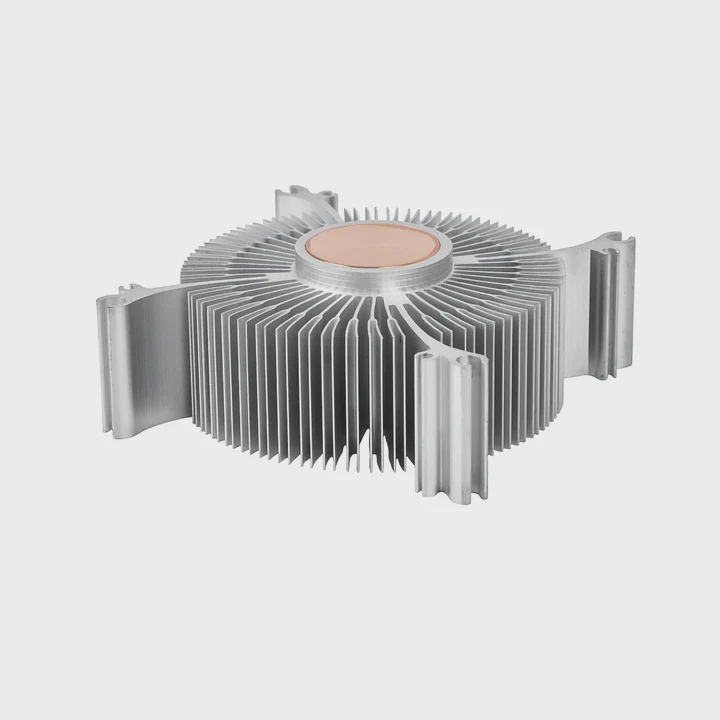
Water Cooled Cnc Aluminum Heat Sink For Medical
19 Mar,2026
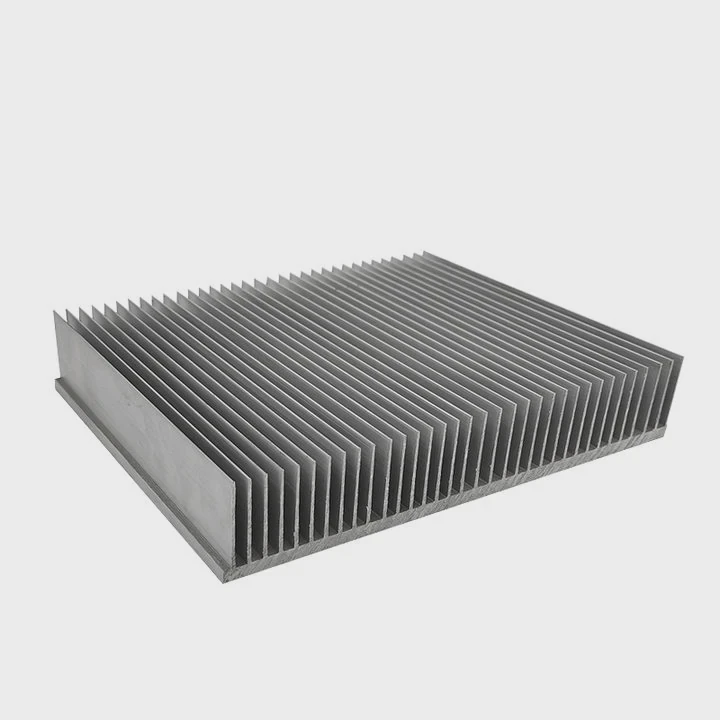
High Density 6000 Series Aluminum Heat Sink Profile
19 Mar,2026
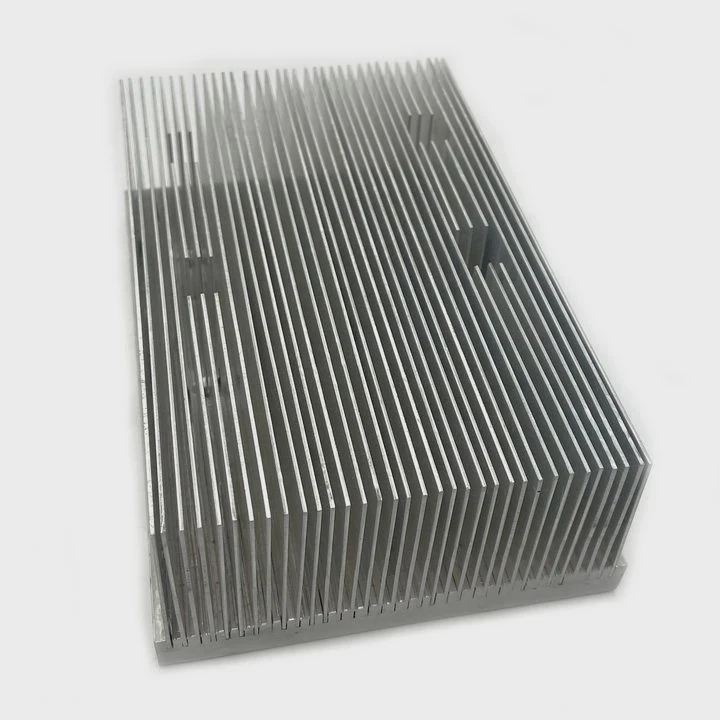
High-Density Extruded Aluminum & Bonded-Fin Heat Sink Profile
19 Mar,2026
Recommend Categories
- Liquid cooling plate Manufacturer
- Industrial Heat Sink Manufacturer
- Standard Heat Sink Manufacturer
- Aluminum Heat Sink Manufacturer
- Copper Heat Sink Manufacturer
- Anodized Heatsink Manufacturer
- Stamping heat sink Manufacturer
- Die Casting Heatsink Manufacturer
- Soldering heat sink Manufacturer
- CNC Parts Manufacturer
Latest Products
- M.2 Heatpipe Heatsink With Dual Fans For Pc Case
- Heavy-Duty Aluminum Heat Sink Custom
- Oem Skived Fin Heatsink Aluminum Radiator For Plants
- Water Cooled Cnc Aluminum Heat Sink For Medical
- High Density 6000 Series Aluminum Heat Sink Profile
- High-Density Extruded Aluminum & Bonded-Fin Heat Sink Profile
- Dongguan Cnc Aluminum Heat Sink For Led & Brass Parts
- Wholesale Cnc Aluminum Heat Sink - Custom Extruded
- Led Cnc Round Heat Sink With Screw Holes
- Copper Pin-Fin Heat-Sink Large-Area For Photoled Cooling
- Telecom Heatsink Zipper Fin Wcopper Tubes Oem
Contact Expert
Have questions about this article? Reach out to our experts directly.