Can Vapor Chamber reduce carbon footprint?
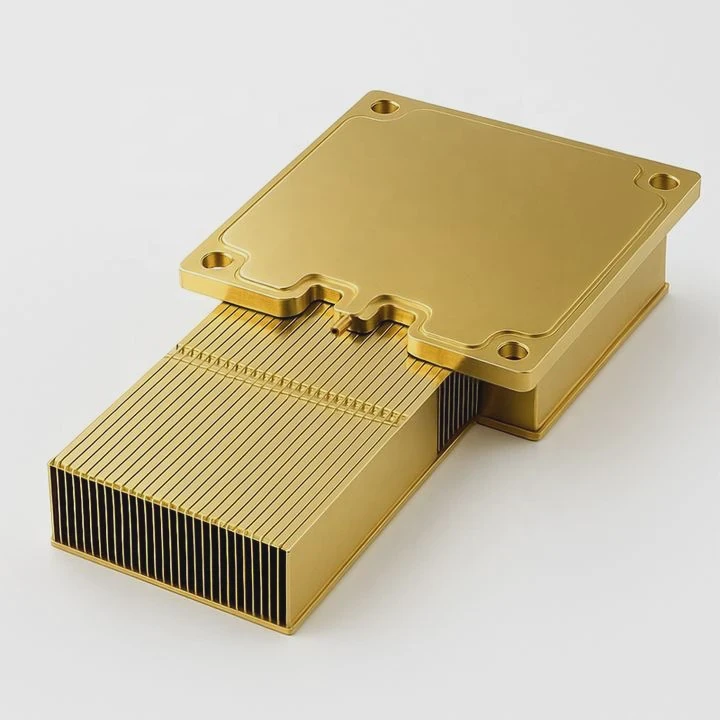
Feeling the heat from rising energy bills and carbon targets? A better cooling solution could ease both pain points.
Yes — using a vapor chamber can help reduce a system’s carbon footprint by improving heat transfer, lowering energy use, and extending component life.
Let’s dig deeper into how a vapor chamber works, and why it matters for carbon reduction step by step.
How does using a Vapor Chamber improve energy efficiency in systems?
Imagine wasted energy piling up because heat can’t escape fast enough — frustration for both engineers and the planet.
A vapor chamber improves energy efficiency by spreading heat quickly, reducing thermal hotspots, and enabling cooling systems to run at lower power.
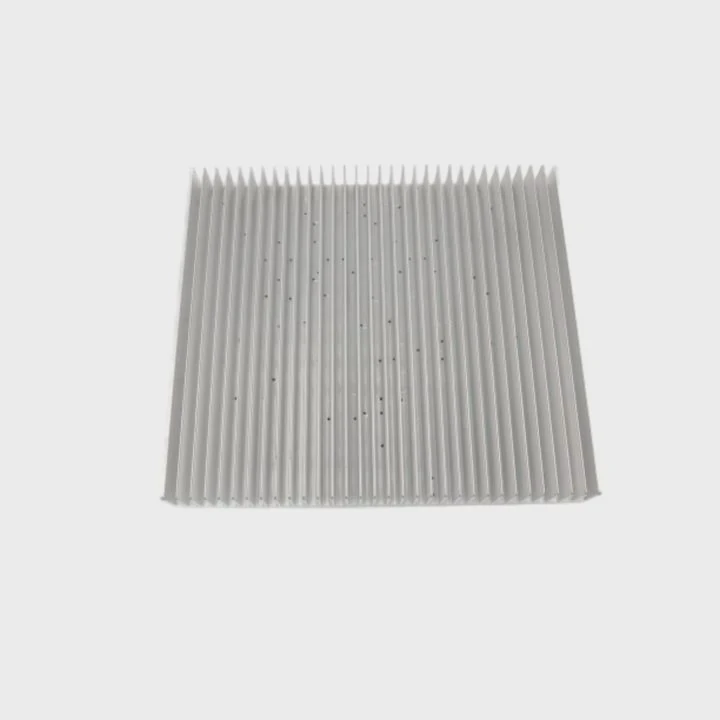
What is a vapor chamber and how does it work?
A vapor chamber is a two‑phase thermal device: it has a sealed flat plate, internal wick or capillary structure, and a working fluid. Heat from a component causes the fluid to evaporate, the vapour travels to cooler parts of the chamber, condenses, releases heat, and the liquid returns via the wick.
Because of this mechanism it can provide much higher effective thermal conductivity and more uniform temperature distribution compared to a solid metal spreader.
Why does it improve energy efficiency?
- By spreading heat quickly it reduces hotspots, allowing other parts of the cooling system (fans, pumps, heat exchangers) to operate less aggressively.
- Lower temperatures improve reliability and may allow components to run at higher efficiency.
- If the cooling equipment does not need to work as hard, the indirect energy drawn by those auxiliary systems drops.
- In compact electronics or high performance systems where cooling is a big load, reducing the cooling burden improves overall system power usage.
Practical examples & considerations
- In server or data centre cooling, fallback to advanced cooling technologies shows strong energy savings. Although not always explicitly “vapor chamber only”, the principle applies.
- A caution: manufacturing cost and integration complexity are higher for vapor chambers than simple heat pipes or solid spreaders.
- Designers must ensure good thermal interface, correct wick capillary structure, reliability of the sealed fluid, and proper integration into the cooling path.
Summary
In sum, by enabling better thermal management and reducing auxiliary cooling power, vapor chambers contribute to lowered energy consumption. Lower energy consumption translates into lower indirect carbon emissions.
Can passive cooling via Vapor Chambers replace high‑power fans?
Got noisy fans and big power draws? What if you could quiet the system and cut energy use at the same time?
Yes, in many cases vapor chambers support passive or lower‑power cooling, reducing or replacing the need for high‑power fans.
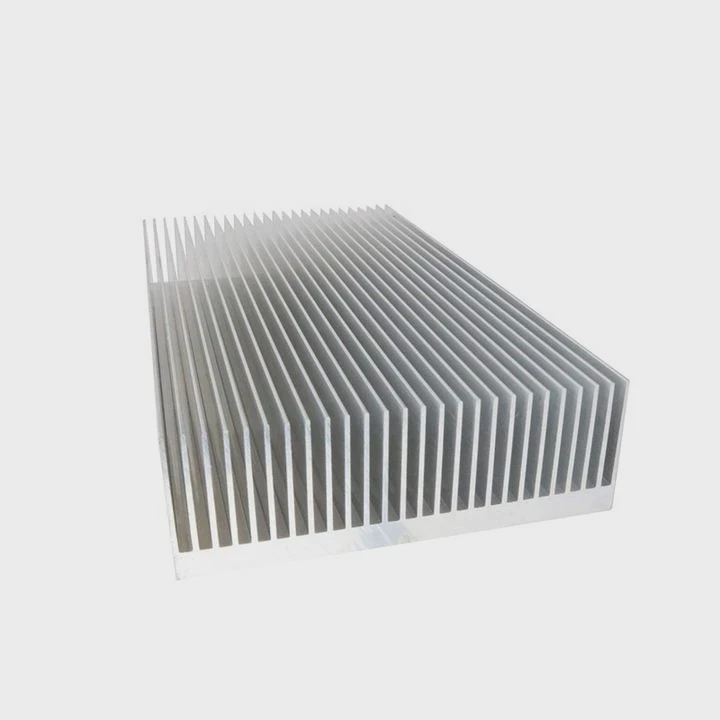
What “passive cooling” means in this context
Passive cooling means strategies that rely less on active mechanical devices and more on natural conduction, convection, radiation, or phase‑change without large power draws.
How a vapor chamber can reduce fan power
- By improving heat spreading, the temperature difference between the hot component and ambient is reduced.
- With more uniform surface temperature, the heat transfer to air or coolant is enhanced.
- Some designs integrate vapor chambers with large surface radiators, passive fins or heat sinks.
When it can replace high‑power fans
In lower power systems or where thermal loads are moderate, vapor chamber + large fin array + low‑speed blower may replace a high‑rpm fan setup.
In high power density systems, full replacement of fans may not always be possible. But even here, the fan size, speed, and energy draw can be reduced.
Benefits for carbon footprint
- Less fan/pump power → lower energy consumption → less CO₂ emitted.
- Fewer mechanical parts can mean lower maintenance and less embodied carbon.
Caveats & design challenges
- Eliminating high‑power fans requires good ambient conditions and airflow design.
- The vapor chamber must be well designed and integrated.
- Cost and complexity may be higher.
Simple comparison table
| Cooling strategy | Fan power draw | Complexity | Feasibility with vapor chamber |
|---|---|---|---|
| High‑speed fan + standard heatsink | High | Low | Moderate |
| Vapor chamber + moderate fan & fins | Low | Moderate/High | Higher chance |
| Vapor chamber + passive fins only | Very low | High | Possible in some cases |
Conclusion of this section
So yes — passive cooling via vapor chambers can replace high‑power fans in many circumstances, especially where thermal load and ambient conditions permit.
What lifecycle benefits contribute to lower carbon output?
We often focus on operating energy, but what about manufacturing, maintenance and end‑of‑life? These also affect carbon.
Lifecycle benefits of using vapor chambers include longer lifespan, lower maintenance, fewer replacements, and more efficient manufacturing — all contributing to reduced carbon output.
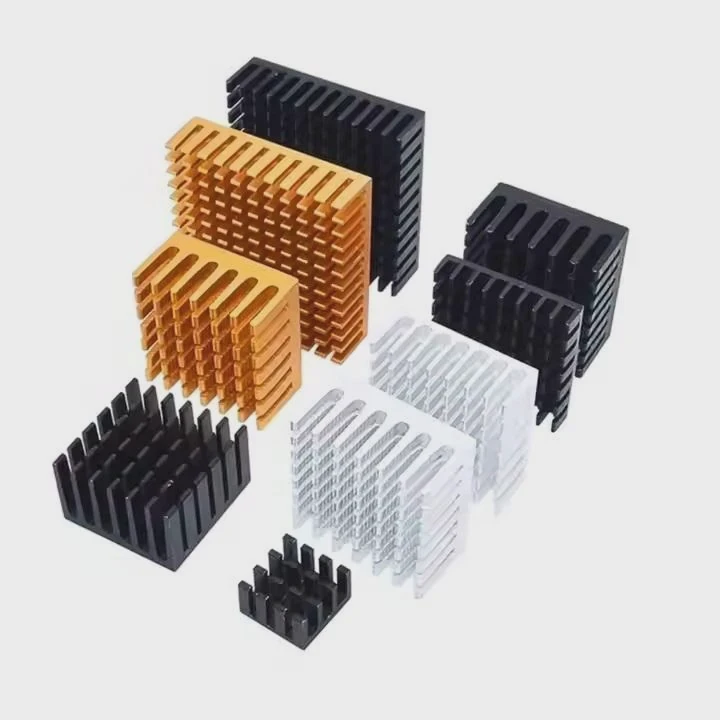
What “lifecycle” means
Lifecycle refers to all phases of a product: manufacturing, transportation, operation, maintenance, end‑of‑life/disposal or recycling.
Benefits specific to vapor chambers
- Longer operational life – avoids hotspots, reducing failure rates.
- Reduced maintenance – fewer replacements and failures over time.
- Lower operational energy – due to better heat transfer and fan power reduction.
- Improved material efficiency – especially with additive manufacturing designs.
- Better recyclability or resource usage – if designed properly.
- Fewer system replacements – longer life means fewer full replacements.
Quantitative pointers
- Vapor chambers can reduce energy consumption by 15‑30% versus conventional cooling.
- HVAC systems can account for ~30% of global building energy use/emissions.
How to evaluate for a project
Ask these questions:
- What is the expected lifetime difference?
- What is the energy savings?
- What’s the material/embodied carbon impact?
- What maintenance or end‑of‑life advantages exist?
Example table: Lifecycle phases and impacts
| Phase | Conventional Cooling | Vapor Chamber Module | Carbon Benefit |
|---|---|---|---|
| Manufacturing | More parts, high materials | Lower weight, fewer components | Reduced embodied emissions |
| Operation (Energy) | High fan/pump energy use | Lower energy need due to efficiency | Less indirect emissions |
| Maintenance | More frequent replacements | Longer life | Fewer replacements, less waste |
| End-of-Life | More e-waste, complex disposal | Fewer parts, more recycling | Lower disposal impact |
Final thought on lifecycle
Looking beyond immediate performance, vapor chambers contribute to lower carbon footprint across the product lifecycle.
Why is carbon reduction a selling point for thermal design solutions?
When purchasers ask “how green is this?”, cooling systems often get overlooked — but they shouldn’t.
Carbon reduction is a compelling selling point because customers face regulatory pressures, social responsibility goals, and cost savings — making advanced thermal design solutions like vapor chambers attractive.
Market drivers for carbon reduction
- Regulations pushing for emissions reductions.
- Corporate social responsibility and ESG goals.
- Energy cost savings tied to efficiency.
- Green branding and product marketing benefits.
- Supply chain pressure to prove sustainability.
Why thermal design solutions matter
- Better thermal design improves energy and carbon savings.
- Carbon savings align with long-term value and client goals.
- Poor thermal design has hidden costs like energy loss and frequent failure.
- For high-load applications, cooling is a large energy use category.
Positioning suggestions
- Emphasize real energy and lifecycle savings.
- Use data and simulations to show carbon benefits.
- Tie product claims to customer sustainability KPIs.
- Explain how better thermal design improves reliability and lowers costs.
Summary
Carbon reduction is not just a feature — it’s a competitive and strategic advantage. Highlighting it in thermal solution design improves market relevance and buyer trust.
Conclusion
Adopting vapor chamber technology in thermal management systems offers multiple pathways to reduce carbon footprint: improved energy efficiency, lower auxiliary cooling power, longer system life and reduced embodied carbon. For companies and designers aiming at sustainable performance and competitive differentiation, this is a value‑added component rather than just a cooling part.
TAGS
Latest Articles

Volume discount levels for heat sink orders?
Buyers often ask when heat sink prices start to drop with volume. Many worry they’re overpaying for small orders. This guide explains how B2B volume pricing works for thermal components. Heat sink
21 Dec,2025
Heat sink long-term supply contract options?
Many buyers want stable pricing and reliable delivery for heat sinks. But without a clear contract, risks grow over time. This article explores how to secure better long-term supply deals. Long-term
21 Dec,2025
Tooling cost for new heat sink profiles?
Many engineers struggle to understand why tooling for custom heat sinks costs so much. They worry about budgeting and production timelines. This article breaks down the cost drivers behind tooling.
21 Dec,2025
Heat sink custom sample process steps?
Sometimes, starting a custom heat sink project feels overwhelming—too many steps, too many unknowns, and too many risks. You want a sample, but not endless delays. The process for requesting and
20 Dec,2025
Standard B2B terms for heat sink payments?
When buyers and sellers in B2B heat sink markets talk about payment, many don’t fully understand what’s standard. This can lead to delayed orders, miscommunication, and even lost business
20 Dec,2025
Heat sink pricing factors for large orders?
Heat sinks are vital for many systems. When prices rise, projects stall and budgets break. This problem can hit teams hard without warning. Large order heat sink pricing depends on many factors. You
20 Dec,2025Related Articles
- Vapor Chamber application in hazardous areas?
- Is Vapor Chamber suitable for high altitude use?
- What metal is used in GPU heatsinks?
- How to remove an Intel i3 heatsink?
- Can heatsinks support multiple socket types?
- What is a computer fan and heatsink?
- Can Vapor Chamber lower manufacturing costs?
- Standard rejection rate for Vapor Chamber?
- Vapor Chamber manufacturing time estimation?
- Does Vapor Chamber need patent license?
- Vapor Chamber supplier evaluation criteria?
- Can Vapor Chamber be retrofitted easily?
Author
Dr. Emily Chen
Chief AI Researcher
Leading expert in thermal dynamics and AI optimization with over 15 years of experience in data center efficiency research.
Categories
Latest Products
M.2 Heatpipe Heatsink With Dual Fans For Pc Case
19 Mar,2026
Heavy-Duty Aluminum Heat Sink Custom
19 Mar,2026
Oem Skived Fin Heatsink Aluminum Radiator For Plants
19 Mar,2026
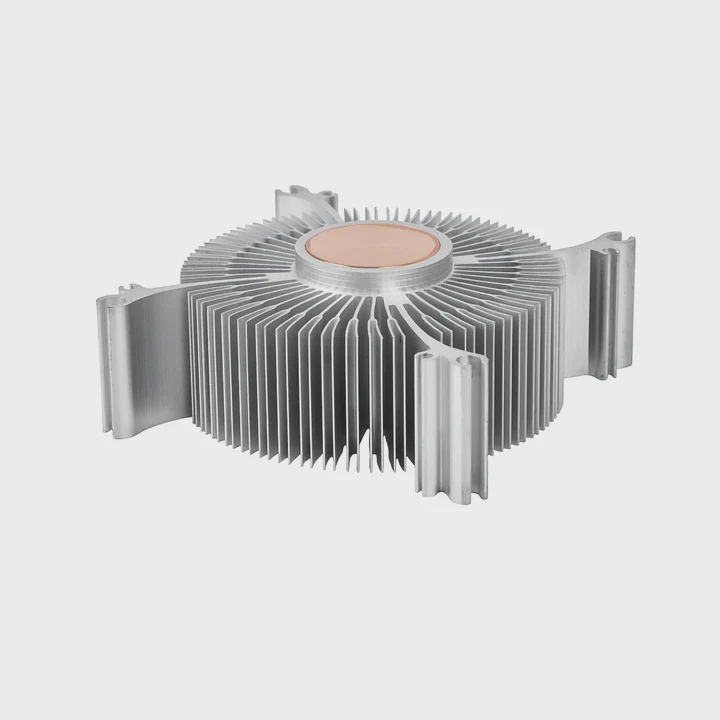
Water Cooled Cnc Aluminum Heat Sink For Medical
19 Mar,2026
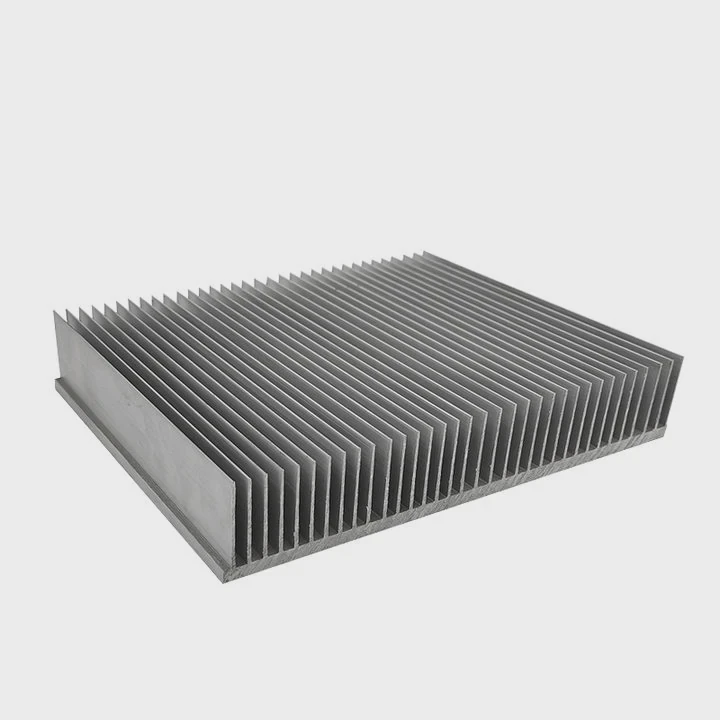
High Density 6000 Series Aluminum Heat Sink Profile
19 Mar,2026
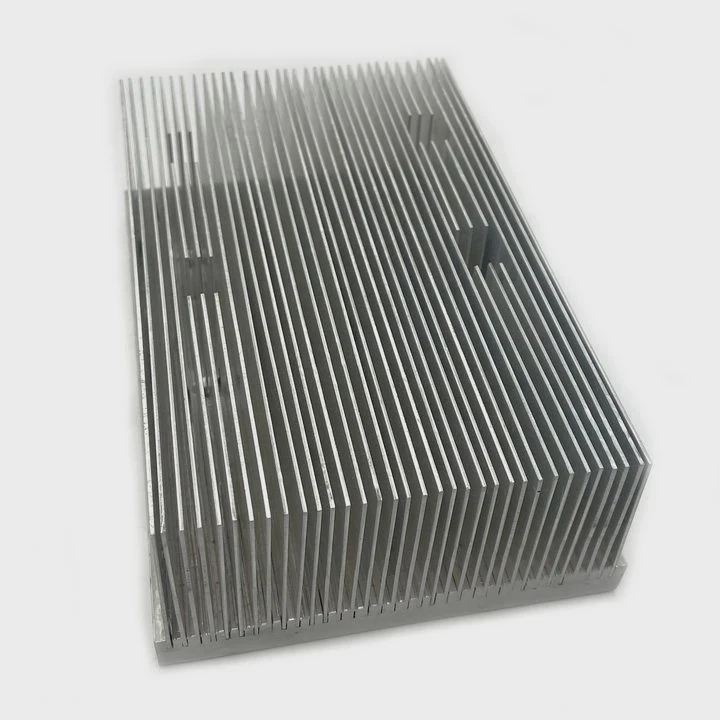
High-Density Extruded Aluminum & Bonded-Fin Heat Sink Profile
19 Mar,2026
Recommend Categories
- Liquid cooling plate Manufacturer
- Industrial Heat Sink Manufacturer
- Standard Heat Sink Manufacturer
- Aluminum Heat Sink Manufacturer
- Copper Heat Sink Manufacturer
- Anodized Heatsink Manufacturer
- Stamping heat sink Manufacturer
- Die Casting Heatsink Manufacturer
- Soldering heat sink Manufacturer
- CNC Parts Manufacturer
Latest Products
- M.2 Heatpipe Heatsink With Dual Fans For Pc Case
- Heavy-Duty Aluminum Heat Sink Custom
- Oem Skived Fin Heatsink Aluminum Radiator For Plants
- Water Cooled Cnc Aluminum Heat Sink For Medical
- High Density 6000 Series Aluminum Heat Sink Profile
- High-Density Extruded Aluminum & Bonded-Fin Heat Sink Profile
- Dongguan Cnc Aluminum Heat Sink For Led & Brass Parts
- Wholesale Cnc Aluminum Heat Sink - Custom Extruded
- Led Cnc Round Heat Sink With Screw Holes
- Copper Pin-Fin Heat-Sink Large-Area For Photoled Cooling
- Telecom Heatsink Zipper Fin Wcopper Tubes Oem
Contact Expert
Have questions about this article? Reach out to our experts directly.