Standard rejection rate for Vapor Chamber?
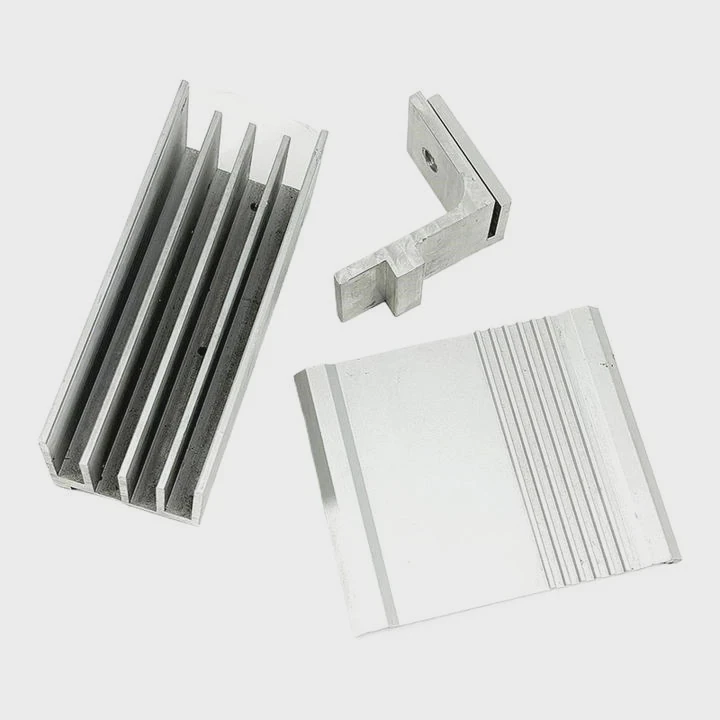
Are your reject numbers quietly eating your margins? In thermal‑module manufacturing, even a few percent yield loss can bite hard.
Typical rejection rates for vapor chambers vary widely, but manufacturers often see single‑digit percentages in high‑volume production—making control of defects critical for cost and quality.
Below we explore the defect‑rate benchmarks, root causes, inspection strategies and cost‑modelling implications for vapor chamber production.
What typical defect rate is seen in Vapor Chamber production?
Every manufacturing process has rejects—but how many for vapor chambers?
In many cases, vapor chamber production sees defect/rejection rates in the range of ~2%‑8% when mature processes are in place; in newer runs or complex designs, rates up to 10% or more are possible.
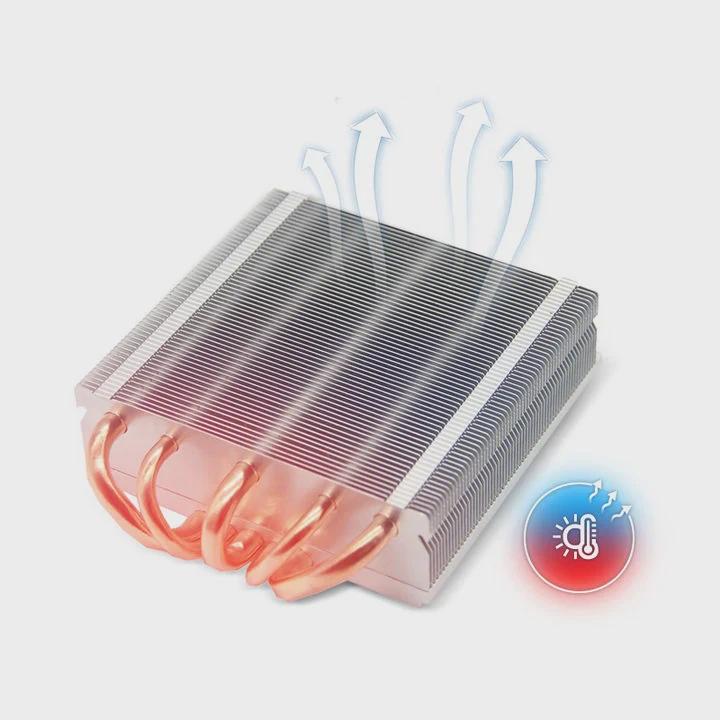
Why such a range?
- The complexity of vapor chamber manufacturing is high: internal wick structures, fluid fill, vacuum sealing, precision bonds all add risk.
- New projects or low volumes often show higher rejects due to start‑up issues (tooling, set‑up, operator learning).
- Mature, high‑volume lines with tight process control may drive defect rates down toward 1‑2%.
- If the design is ultra‑thin, high heat flux, or uses exotic materials, the risk of failure rises and the reject rate may be much higher.
Benchmark numbers & context
While detailed public data is scarce, industry patent documentation notes that process modifications were made to achieve “products with higher quality, lower rejection rate and enhanced heat‑dissipating performance.” This implies that reject rate has been an issue in prior art.
One way to interpret this: perhaps baseline reject might have been ~5%‑10% before improvement, with targets to push below ~2%.
Manufacturers of similar two‑phase cooling devices (heat pipes, vapor chambers) often aim for yield > 95% (i.e., reject < 5%) in volume production.
Why tracking typical defect rate matters
By knowing your “normal” rate you can:
- Set realistic budget for scrap and rework in cost models.
- Identify when process drifts (e.g., from 3% to 6%) and intervene.
- Benchmark improvements and justify investments in automation or tooling.
Quick reference table
| Volume maturity | Typical reject rate | Key influencing factors |
|---|---|---|
| Pilot/first articles | 5%‑10%+ | New tooling, learning curve |
| Early production | 3%‑6% | Less variation, but some issues |
| Mature high‑volume | 1%‑3% | Stable tooling, process control |
In summary: aim for single‑digit percent rejects for vapor chambers; world‑class production may approach low single digits, but it takes investment and process discipline.
Which manufacturing steps contribute most to rejection in Vapor Chambers?
Knowing which steps generate the most waste helps target improvement.
The highest rejection sources in vapor chamber production are typically: sealing/leak defects, wick or internal structure faults, and vacuum fill or fluid injection failures.
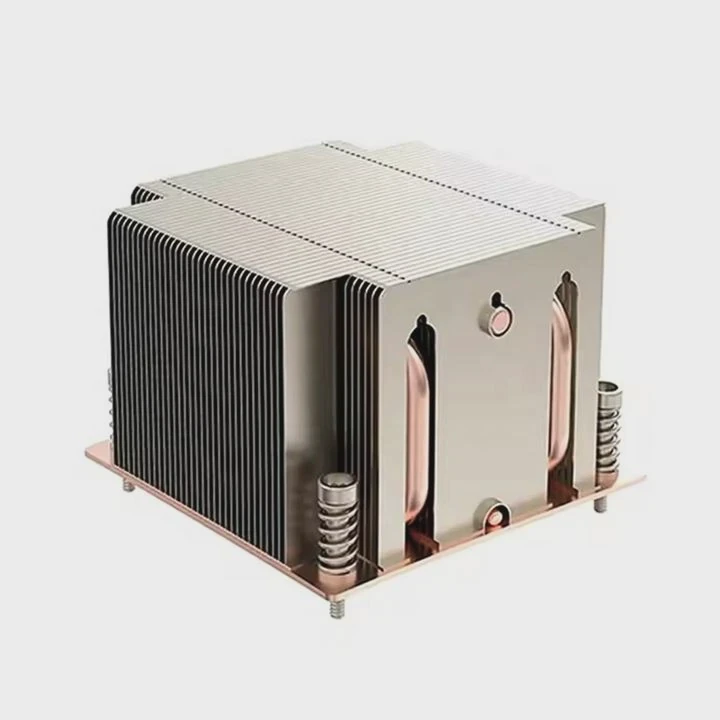
Key manufacturing stages and defect risks
Sealing / Welding / Braze step
- Poor weld, incomplete braze, cracked seam → fluid leak, vacuum loss.
- Because the internal cavity must hold vacuum and working fluid, any sealing defect often renders the part unusable.
- Patent literature emphasises modifications to reduce sealing length and improve integrity to lower reject rate.
- Poor weld, incomplete braze, cracked seam → fluid leak, vacuum loss.
Vacuum and Fluid‑fill step
- Incorrect vacuum evacuation, wrong fill amount, contaminant ingress → poor thermal performance or failure.
- If fill volume is incorrect, performance may degrade or device may dry‑out under load.
- Incorrect vacuum evacuation, wrong fill amount, contaminant ingress → poor thermal performance or failure.
Wick / Capillary Structure Manufacturing
- Wick sintering, mesh insertion, groove formation must be precise. If wick too loose or blocked, fluid return is compromised → performance drop or failure.
- Especially critical for ultra‑thin vapor chambers or high‑heat‑flux designs.
- Wick sintering, mesh insertion, groove formation must be precise. If wick too loose or blocked, fluid return is compromised → performance drop or failure.
Material/Flatness/Forming and Assembly
- Deformation during forming or stamping may compromise interface flatness, internal spacing.
- Mounting surfaces out of tolerance lead to thermal inefficiency or mechanical stress.
- Deformation during forming or stamping may compromise interface flatness, internal spacing.
Inspection & Testing
- Poor test coverage or ineffective leak detection may allow defective units to reach customer or to be reworked (which itself may increase cost).
- Scrap often arises from failed leak test or thermal test.
- Poor test coverage or ineffective leak detection may allow defective units to reach customer or to be reworked (which itself may increase cost).
Impact relative weighting
In many production lines the bulk of rejects (~50‑70%) may come from sealing/leak issues, ~20‑30% from wick or internal structure defects, and the remainder from forming/assembly. The exact distribution depends on design and process maturity.
Improvement focus
- Simplify sealing geometry: fewer seams, shorter weld length.
- Improve fixture control, weld automation, non‐destructive leak testing.
- Standardise wick manufacturing and perform inline inspection.
- Monitor forming/flatness parameters and control incoming material.
Table summarising defect contribution
| Manufacturing step | Typical reject contribution | Primary failure modes |
|---|---|---|
| Sealing / Welding / Braze | ~50‑70% | Vacuum/leak failure |
| Vacuum & Fluid Fill | ~10‑20% | Incorrect fill, contamination |
| Wick / Internal Structure | ~20‑30% | Blockage, insufficient return |
| Forming / Assembly / Flatness | ~5‑15% | Mechanical deformation, warpage |
| Inspection/Test escape (yield loss) | variable | Missed defects → customer return |
By focusing on the top two or three drivers (sealing, fill, wick) you can make the biggest dent in reject rate.
Can automated inspection reduce the rejection rate of Vapor Chambers?
Automation often plays a key role in improving yield.
Yes — introducing automated inspection and inline monitoring can significantly reduce rejection rates for vapor chambers by detecting defects earlier, improving yield and preventing downstream scrap.
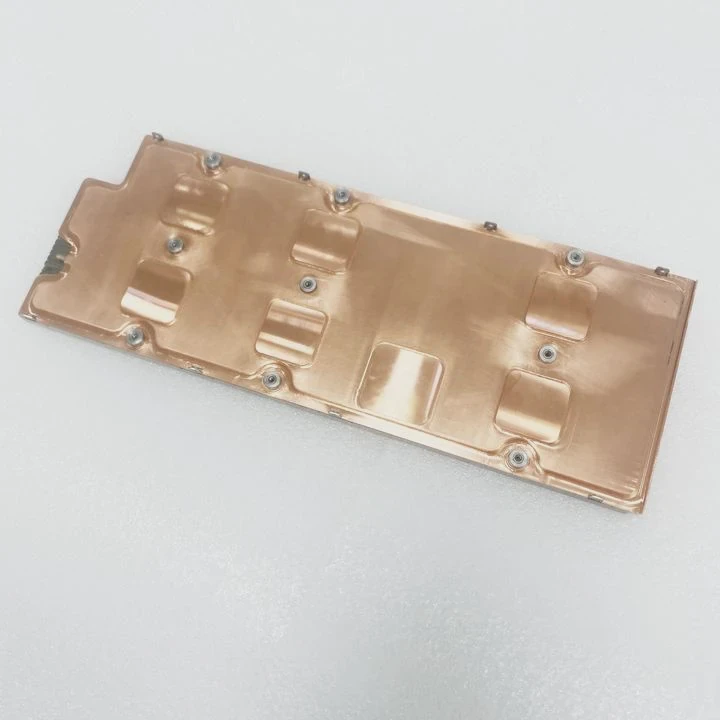
Benefits of automation
- Early detection: Inline sensors or machine vision can catch deformation, flatness, weld defects or fill anomalies before final assembly.
- Consistent inspection: Machines avoid human variability and can operate 24⁄7 with consistent criteria.
- Faster feedback loops: Automated metrics allow process control and quick corrective action when defects trend upward.
- Reduced hidden rejects: Some defects may only surface in thermal testing; earlier detection prevents costly late‐stage scrap.
Examples of where automation helps
- Vision systems to inspect weld seam quality or brazing coverage.
- Leak detection stations using automated pressure/helium test.
- Automated fluid fill metering and vacuum sensor monitoring.
- Laser scanning of chamber flatness or thickness.
- Data capture for process trending and predictive maintenance of tooling.
Cost vs benefit trade‑off
- Automation investment is significant (capital, integration, software). Pay‑back depends on volume and scrap cost.
- For low‐volume runs the automation ratio may not justify cost; manual inspection may suffice initially.
- The real benefit is when scrap cost and defect cost (rework, customer returns) are high enough to justify automation.
Impact on reject rate
With automation and good process control, many manufacturers may achieve reject rates below ~2‑3%. Without it, rates of 5‑10% or more are not uncommon for new lines.
Thus automation is a proven lever to move yield from moderate to world‑class.
Table: Manual vs Automated inspection impact
| Inspection strategy | Typical reject rate | Advantages | When to use |
|---|---|---|---|
| Manual inspection | ~5‑10%+ | Low capital cost | Low volume, prototype |
| Semi‑automated | ~3‑6% | Balance cost/quality | Growing volume |
| Fully automated+inline | ~1‑3% | Best yield, lowest scrap | High volume, high cost of defects |
In short: automation is a key pathway to reducing reject rates and improving cost per unit for vapor chambers.
Why is tracking scrap rate important for Vapor Chamber cost modelling?
Manufacturing costs aren’t just material + labour; scrap and rejects can dominate if uncontrolled.
Tracking scrap/reject rate is essential in cost modelling for vapor chambers because the effective cost per good unit depends heavily on yield, and unplanned yield loss can erode margins or force price increases.
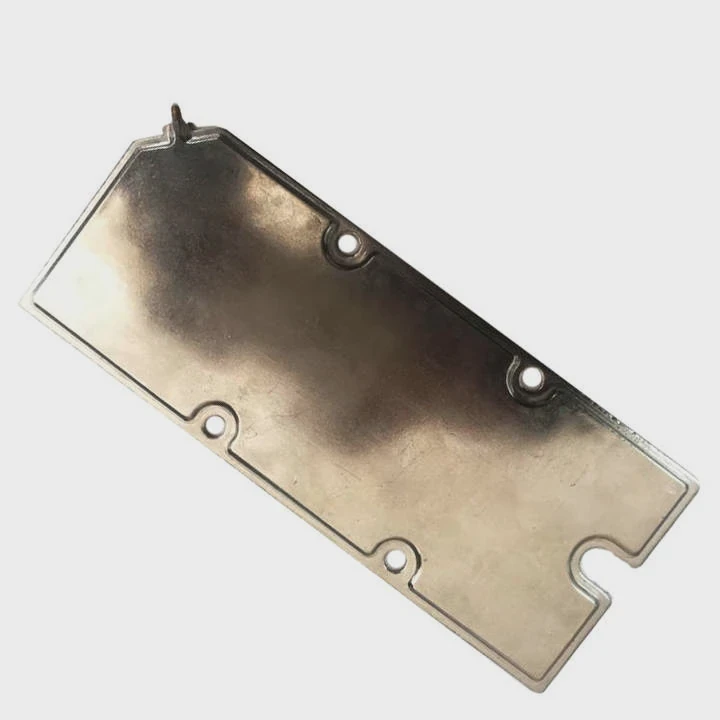
How scrap rate impacts cost
- If you produce 1,000 units but reject 50, you need to pay for 1,050 units’ worth of materials, labour, tooling to deliver 1,000 good ones. That extra cost must be recovered in price or margin.
- In cost modelling you need to include reject‑related cost: material waste, labour rework, scrap disposal, lost tooling life, increased inspection cost.
- High scrap rate may hide underlying process issues which, if unaddressed, can lead to field failures and warranty cost (much larger than scrap).
- For forecasts of unit cost at scale, you must assume a target yield and build the amortisation of tooling, labour and overhead accordingly.
Why vapour chambers need special attention
Because vapor chambers involve high precision, tight tolerances, fluid fill and vacuum integrity, the cost of a reject is relatively high compared to simpler parts. Also, initial runs or customised designs may have unpredictably higher reject rates. Not modelling this risk may underestimate cost per unit by 10‑30% or more.
Using scrap rate to drive decisions
- Use scrap data for each production step to identify bottlenecks and high‑cost defect sources.
- Incorporate yield improvement plans (automation, tooling upgrades) into business case.
- Set realistic target yield (e.g., from 5% reject down to 2%) and calculate cost savings.
- For new product launches, apply higher contingency for yield risk and model cost accordingly.
Table: Cost modelling illustration
| Metric | Value | Implication |
|---|---|---|
| Planned production run | 10,000 units | |
| Reject rate | 5% | 500 units rejected |
| Good units | 9,500 units | |
| Total cost (materials + labour + overhead) | $1,000,000 | |
| Cost per good unit | \(1,000,000 ÷ 9,500 ≈ \)105.26 | Higher than $100 nominal |
| If yield improves to 2% | 9,800 good units | Cost per unit ~ $102.04 |
From the above, improving yield by just 3% drops cost per unit by ~$3.22 in this example — meaningful in high‑volume B2B manufacturing.
Final thought
Tracking and actively reducing scrap/reject rate is not just operational hygiene—it’s a strategic cost lever. Good yield means lower cost per unit, better margins, and more predictable pricing for customers.
Conclusion
Understanding and managing rejection rates in vapor chamber production is vital. Typical mature lines target reject rates of ~1‑3%, while new or complex lines may see 5‑10% or more. The biggest defect drivers are sealing/leak failures, wick/internal structure issues and fill/vacuum problems. Automation and inline inspection can significantly reduce reject rate. Finally, accurate modelling of scrap rate is indispensable for cost estimation, pricing strategy and manufacturing investment decisions.
TAGS
Latest Articles

Volume discount levels for heat sink orders?
Buyers often ask when heat sink prices start to drop with volume. Many worry they’re overpaying for small orders. This guide explains how B2B volume pricing works for thermal components. Heat sink
21 Dec,2025
Heat sink long-term supply contract options?
Many buyers want stable pricing and reliable delivery for heat sinks. But without a clear contract, risks grow over time. This article explores how to secure better long-term supply deals. Long-term
21 Dec,2025
Tooling cost for new heat sink profiles?
Many engineers struggle to understand why tooling for custom heat sinks costs so much. They worry about budgeting and production timelines. This article breaks down the cost drivers behind tooling.
21 Dec,2025
Heat sink custom sample process steps?
Sometimes, starting a custom heat sink project feels overwhelming—too many steps, too many unknowns, and too many risks. You want a sample, but not endless delays. The process for requesting and
20 Dec,2025
Standard B2B terms for heat sink payments?
When buyers and sellers in B2B heat sink markets talk about payment, many don’t fully understand what’s standard. This can lead to delayed orders, miscommunication, and even lost business
20 Dec,2025
Heat sink pricing factors for large orders?
Heat sinks are vital for many systems. When prices rise, projects stall and budgets break. This problem can hit teams hard without warning. Large order heat sink pricing depends on many factors. You
20 Dec,2025Related Articles
- Can Vapor Chamber lower manufacturing costs?
- Can Vapor Chamber reduce carbon footprint?
- Vapor Chamber application in hazardous areas?
- Is Vapor Chamber suitable for high altitude use?
- What metal is used in GPU heatsinks?
- How to remove an Intel i3 heatsink?
- Vapor Chamber manufacturing time estimation?
- Does Vapor Chamber need patent license?
- Vapor Chamber supplier evaluation criteria?
- Can Vapor Chamber be retrofitted easily?
- Vapor Chamber intermediate storage conditions?
- Best ecosystems using Vapor Chamber technology?
Author
Dr. Emily Chen
Chief AI Researcher
Leading expert in thermal dynamics and AI optimization with over 15 years of experience in data center efficiency research.
Categories
Latest Products
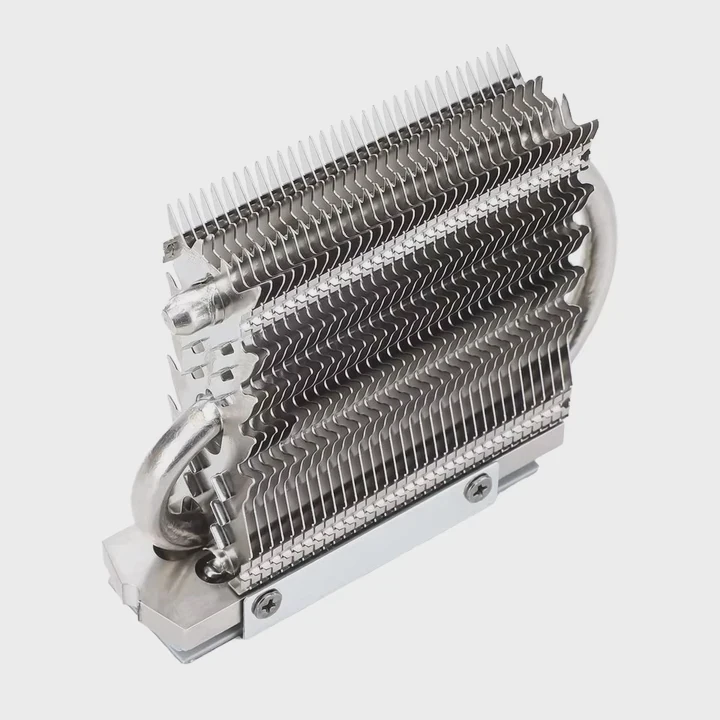
M.2 Heatpipe Heatsink With Dual Fans For Pc Case
19 Mar,2026
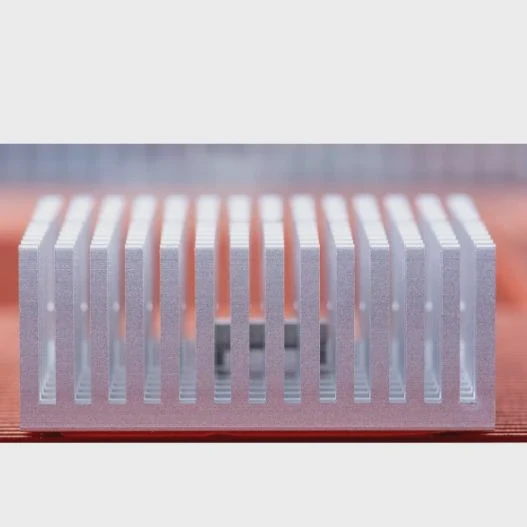
Heavy-Duty Aluminum Heat Sink Custom
19 Mar,2026
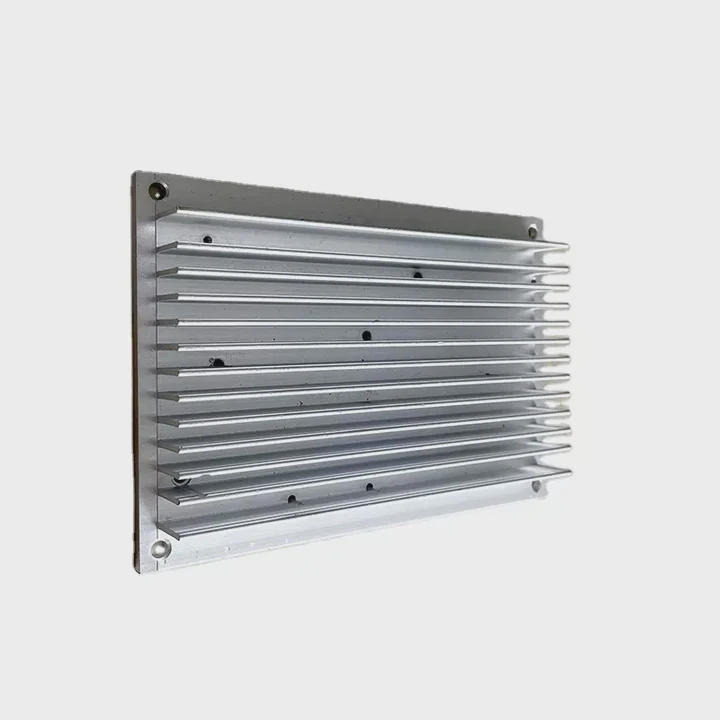
Oem Skived Fin Heatsink Aluminum Radiator For Plants
19 Mar,2026
Water Cooled Cnc Aluminum Heat Sink For Medical
19 Mar,2026
High Density 6000 Series Aluminum Heat Sink Profile
19 Mar,2026
High-Density Extruded Aluminum & Bonded-Fin Heat Sink Profile
19 Mar,2026
Recommend Categories
- Liquid cooling plate Manufacturer
- Industrial Heat Sink Manufacturer
- Standard Heat Sink Manufacturer
- Aluminum Heat Sink Manufacturer
- Copper Heat Sink Manufacturer
- Anodized Heatsink Manufacturer
- Stamping heat sink Manufacturer
- Die Casting Heatsink Manufacturer
- Soldering heat sink Manufacturer
- CNC Parts Manufacturer
Latest Products
- M.2 Heatpipe Heatsink With Dual Fans For Pc Case
- Heavy-Duty Aluminum Heat Sink Custom
- Oem Skived Fin Heatsink Aluminum Radiator For Plants
- Water Cooled Cnc Aluminum Heat Sink For Medical
- High Density 6000 Series Aluminum Heat Sink Profile
- High-Density Extruded Aluminum & Bonded-Fin Heat Sink Profile
- Dongguan Cnc Aluminum Heat Sink For Led & Brass Parts
- Wholesale Cnc Aluminum Heat Sink - Custom Extruded
- Led Cnc Round Heat Sink With Screw Holes
- Copper Pin-Fin Heat-Sink Large-Area For Photoled Cooling
- Telecom Heatsink Zipper Fin Wcopper Tubes Oem
Contact Expert
Have questions about this article? Reach out to our experts directly.