how well do heatsink style coolers work?
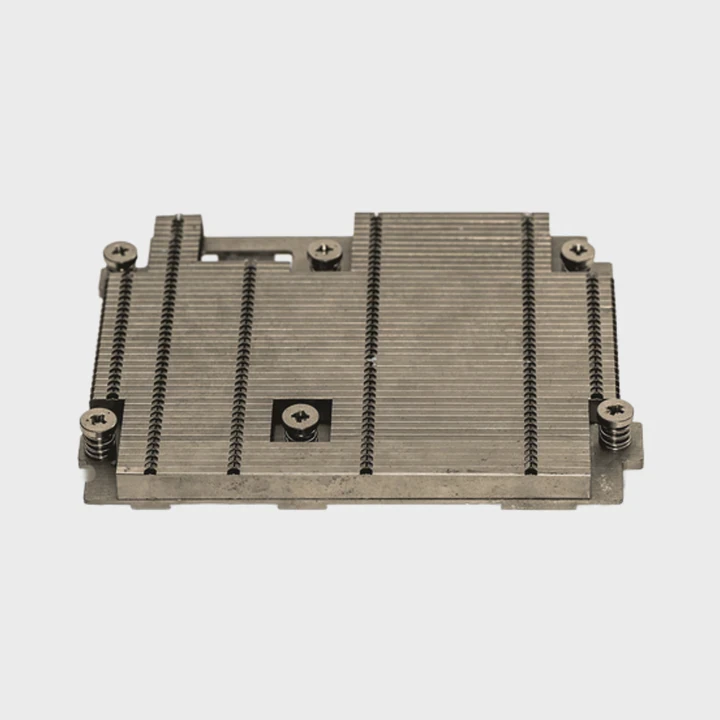
I see many engineers assume a heatsink will fix heat problems. I also see many learn the hard way that a heatsink is only part of the story. I want this article to help you avoid that risk.
Heatsink-style coolers work well when the surface area, airflow, and material design match the heat load. They fail when the surface area is too small, the fins are blocked, or the airflow is weak. A heatsink is only as strong as the path that moves heat from source to air.
I want to guide you through the key limits that shape real-world performance. Each part below is based on the problems I met in past projects and the tests I ran with my own samples.
What limits passive heatsink cooling?
I see many people push passive heatsinks until they hit a wall. I see this problem often in sealed devices. Many teams think a large block of metal is enough, but passive cooling depends on simple laws that we cannot cheat.
Passive heatsink cooling is limited by natural convection, surface area, fin spacing, and the temperature difference between the device and the air. When airflow is weak, heat leaves the fins slowly, so the heatsink saturates and the temperature rises.
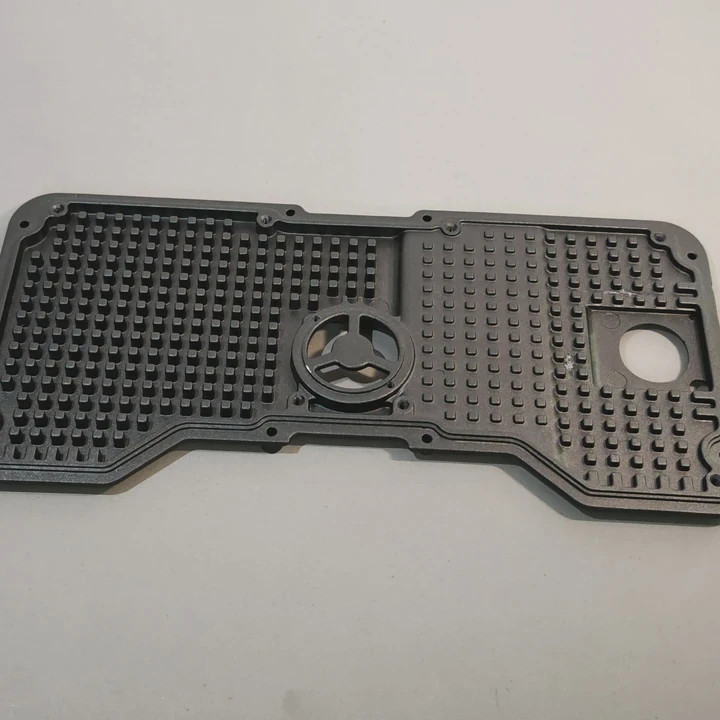
When I work on passive designs, I start with the same question each time: how easily can heat move away from the fins? Natural convection is slow. Warm air rises, but it moves only because of density changes. These flows are soft and fragile. If the fins are too close, the warm air stays trapped. If the device is packed in a small case, the heat cannot escape.
Key limits of passive cooling
I divide the limits into simple groups:
| Limit type | What it means | Why it matters |
|---|---|---|
| Surface area | Total fin area exposed to air | More area gives more heat exchange |
| Fin spacing | Gap size between fins | Tight gaps block natural convection |
| Orientation | How the heatsink sits | Vertical fins help rising air move |
| Ambient rise | Room or enclosure temperature | High ambient slows heat rejection |
How passive cooling behaves in real devices
When I design a passive unit, I try to imagine the warm air path. I picture where it enters, where it rises, and where it leaves. I test this many times in my lab. I learned that vertical fins almost always win. The rising air forms clear channels. When the fins are horizontal, the warm air gets stuck. This is why many set-top boxes overheat even with good materials inside.
I also watch the enclosure temperature. Many clients push for fanless design to avoid noise. They forget that a sealed box forces heat to stay inside. Even a perfect heatsink cannot help if the air around it is already hot. I remember a project where the inside of a metal case reached 65°C even with a strong passive cooler. The air inside had nowhere to go.
Passive cooling works well when the heat load is low, the fins are open, and the air can move. It works poorly when these conditions fail. This is why I often tell clients to plan the airflow path first and then size the heatsink around it.
Why does fin density affect performance?
I hear this question often from new engineers. Many think more fins always mean better cooling. This idea looks right at first. More fins mean more surface area. But I learned that fin density is a balance. Too many fins can hurt performance.
Fin density affects performance because airflow must pass between the fins. High fin density increases surface area but also increases flow resistance. When the air cannot move, the extra fins add no benefit and may even trap heat.
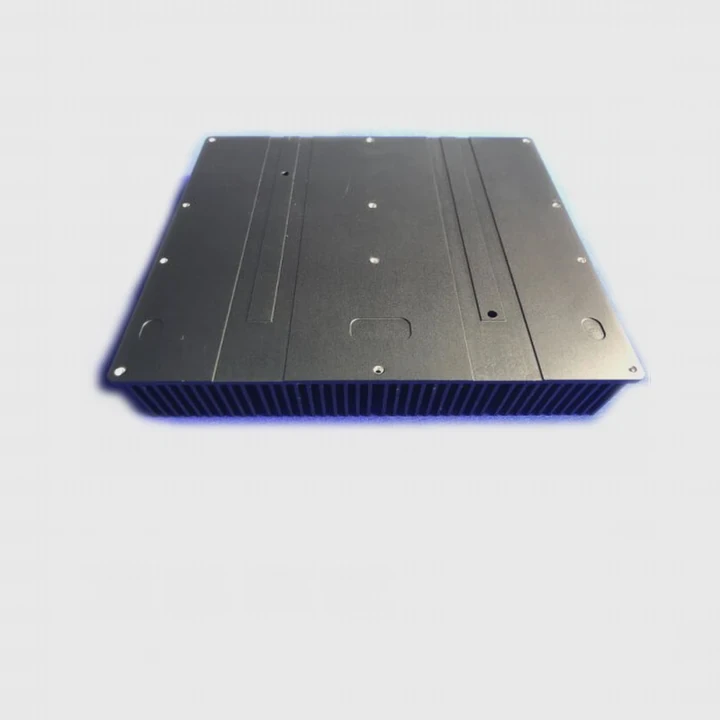
I faced this issue many times in thermal prototype tests. I once worked on a consumer device that needed to stay quiet. We used a thick heatsink with fine fins. On paper, the surface area looked great. In real tests, the temperature climbed fast. The air could not enter the narrow fin channels, so the heat stayed inside.
How fin density interacts with airflow
To make this easy, I list the basic rules I use in layout design:
| Fin density choice | Best for | Risk |
|---|---|---|
| Low density | Natural convection | Less surface area |
| Medium density | Low airflow fans | Good balance |
| High density | High pressure fans | Airflow can choke |
When fin density becomes a danger
When air flows through narrow fin channels, it slows down. Pressure builds. A fan must work harder. In natural convection, this is even worse. The warm air has almost no push. If fins are too close, the flow stops. The heat then spreads sideways and raises the entire heatsink temperature.
I learned to tune fin spacing by checking the air speed through the channels. When I see the air velocity drop too low, I increase the fin gap. A small adjustment often changes the performance a lot. This is because a tiny increase in gap size can restart the natural flow.
How to pick the right fin density
Here is the simple rule I follow: I choose the fin density only after I know the airflow source. Airflow defines the best fin pattern. A passive unit needs wide gaps. A small fan needs medium gaps. A high-pressure blower can support tight fins.
This rule helps me avoid the trap of chasing surface area alone. I treat the heatsink as an airflow machine, not a metal block. When I design it this way, the results are always more stable.
How does airflow direction change results?
Airflow direction is one of the most misunderstood parts of heatsink design. People often think airflow is the same in any direction. In real systems, the direction changes the internal temperature shape. It changes hotspots. It changes how much heat leaves the base.
Airflow direction changes results because it determines which fins get fresh air, how the heat spreads, and how quickly warm air leaves the system. Good direction improves cooling efficiency. Bad direction traps heat and creates hotspots.
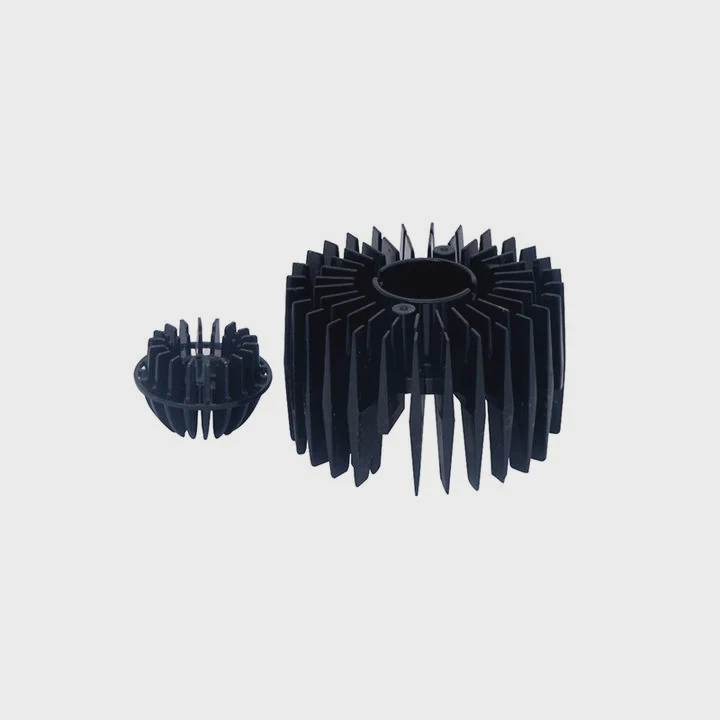
I run airflow experiments often. I test forward flow, backward flow, side flow, top flow, and cross flow. I use smoke tests to see how air moves around the fins. I also use sensors on the base and fin tips. I can see how different directions change the thermal path.
What happens when airflow hits the fins head-on
When the airflow enters the fin channels directly, the cooling works well. Fresh air touches every fin row. This is why tower coolers place the fan in front. The incoming air pushes heat through the whole stack.
But head-on flow also means the front fins get the coldest air. The back fins get warmer air. If the heatsink is thick, the rear fins do less work. I fix this by adjusting fin count or adding vent holes near the rear.
What happens when airflow moves across the fins
Cross-flow is common in compact designs. The air moves sideways instead of forward. This can be good when space is tight. But the air tends to skip the middle fins. It forms a short path that hits only the edges. This makes the center area hotter.
I sometimes solve this by shaping the fin tips or adding tiny guides. These guide plates force the air deeper into the channels.
Airflow direction in passive systems
In passive systems, airflow direction depends on gravity. Warm air rises. So I design the fin direction around this rise. If I orient the fins wrong, the warm air stays trapped. This is why the right orientation often gives more performance than a larger heatsink.
Lessons from real tests
I learned not to trust airflow diagrams alone. Real flows bend. Real flows swirl. I now test every direction. I have seen a simple rotation of the unit reduce the temperature by 6–10°C. This is a big win that costs nothing.
Can compact designs match tower coolers?
Many clients ask me if they can get tower-cooler performance in a small package. They want a slim shape or a low-profile design. I understand this need because device space is always tight. But the answer is more complex than yes or no.
Compact designs can match tower coolers only when the heat load is low or when the compact design uses strong airflow, dense fins, and good base conduction. For high heat loads, tall tower designs still cool better because they have more fin area and smoother airflow channels.
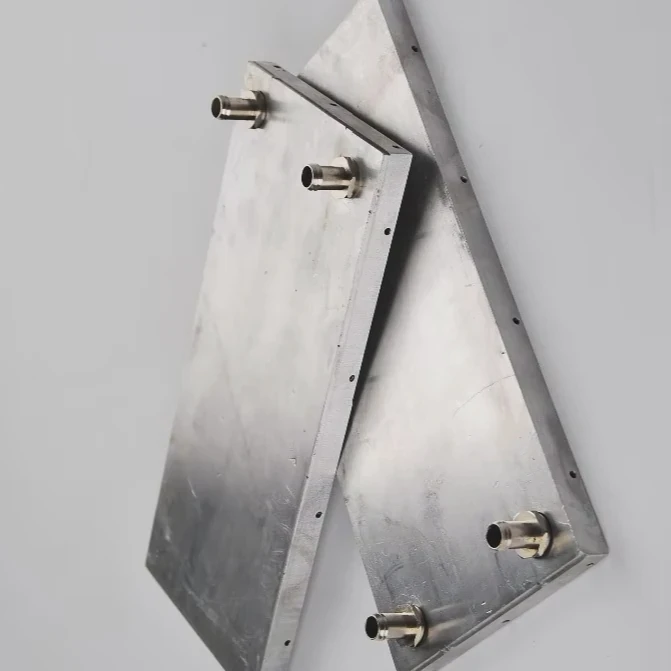
I work with many compact units for small devices. These include embedded computers, power systems, and telecom modules. I test many shapes. I see a pattern: compact coolers can perform well when the heat load is modest. When the heat load rises, the compact shapes hit limits fast.
Why tower coolers win at high heat loads
Tower coolers have long fin stacks. They place fans in a straight path. Air enters from one side and exits the other side. This clean path gives high airflow. The tall shape also creates a large surface area. These are simple advantages that small coolers cannot always match.
Tower coolers also have another benefit. Their fins form long channels. These channels guide the airflow well. The air stays attached to the fin surfaces longer. More contact means more heat transfer.
How compact coolers can compete
Compact coolers win in small spaces. They work well when heat is low or when I use strong fans. I also use heatpipes or vapor chambers in compact shapes. These parts help spread heat fast. When heat spreads well, more fins can share the load.
Here are the ways I boost compact cooler performance:
| Method | Why it helps |
|---|---|
| Vapor chamber base | Spreads heat quickly across fins |
| High-pressure fan | Forces air through dense fins |
| Tuned fin spacing | Matches airflow to fin pattern |
| Cut-out airflow guides | Stops air from skipping channels |
I have built compact coolers that match small tower units. But I have not seen compact shapes beat large towers at very high heat loads. Physics still sets the limits.
What I learned from compact-cooler projects
I learned to be honest with clients early. When the heat load is high, I tell them the truth: a compact cooler can work, but it needs strong airflow and careful design. If they want a silent system, a compact design will fail. If they want a sealed system, the job becomes even harder.
I also learned that compact coolers need more simulation and more tests. Tiny changes in fin shape can make big changes in performance. I often make four or five prototypes before I find the best pattern.
Conclusion
Heatsink-style coolers work well when airflow, fin spacing, and heat spreading are balanced. They fail when airflow is blocked or the surface area is too small. Good results come from simple physics, careful design, and real testing.
TAGS
Latest Articles

Volume discount levels for heat sink orders?
Buyers often ask when heat sink prices start to drop with volume. Many worry they’re overpaying for small orders. This guide explains how B2B volume pricing works for thermal components. Heat sink
21 Dec,2025
Heat sink long-term supply contract options?
Many buyers want stable pricing and reliable delivery for heat sinks. But without a clear contract, risks grow over time. This article explores how to secure better long-term supply deals. Long-term
21 Dec,2025
Tooling cost for new heat sink profiles?
Many engineers struggle to understand why tooling for custom heat sinks costs so much. They worry about budgeting and production timelines. This article breaks down the cost drivers behind tooling.
21 Dec,2025
Heat sink custom sample process steps?
Sometimes, starting a custom heat sink project feels overwhelming—too many steps, too many unknowns, and too many risks. You want a sample, but not endless delays. The process for requesting and
20 Dec,2025
Standard B2B terms for heat sink payments?
When buyers and sellers in B2B heat sink markets talk about payment, many don’t fully understand what’s standard. This can lead to delayed orders, miscommunication, and even lost business
20 Dec,2025
Heat sink pricing factors for large orders?
Heat sinks are vital for many systems. When prices rise, projects stall and budgets break. This problem can hit teams hard without warning. Large order heat sink pricing depends on many factors. You
20 Dec,2025Related Articles
- does the wd sn850x need a heatsink?
- How do heatsinks work Elite Dangerous?
- do you need raspberry pi heatsinks?
- Are M.2 heatsinks necessary?
- how to remove pentium 3 heatsink?
- How to install Raspberry Pi heatsink?
- how to remove cpu fused to heatsink?
- how to remove top mount cpu heatsink?
- How to TO-220 heatsink bolt?
- how to remove 2010 mac pro heatsink?
- What direction does the blow Intel heatsink E97381?
- does your ssd need a heatsink?
Author
Dr. Emily Chen
Chief AI Researcher
Leading expert in thermal dynamics and AI optimization with over 15 years of experience in data center efficiency research.
Categories
Latest Products






Recommend Categories
- Liquid cooling plate Manufacturer
- Industrial Heat Sink Manufacturer
- Standard Heat Sink Manufacturer
- Aluminum Heat Sink Manufacturer
- Copper Heat Sink Manufacturer
- Anodized Heatsink Manufacturer
- Stamping heat sink Manufacturer
- Die Casting Heatsink Manufacturer
- Soldering heat sink Manufacturer
- CNC Parts Manufacturer
Latest Products
- Wholesale Aluminum Radiator
- Water Cooling Plate Kit
- Water Cooling Heat Sink
- Water Cooling Heat Sink Kit
- Stainless Steel Water Distributor
- Server Water Cooling Plate Kit
- Server Liquid Cooling System
- Server Aluminum Cooling Kit
- S19 Full Cover Cooling Plate
- S19 Cooling Plate Kit
- S19 Aluminum Cooling Plate
Contact Expert
Have questions about this article? Reach out to our experts directly.