How to TO-220 heatsink bolt?
I see many beginners try to bolt a TO-220 device onto a heatsink and worry about alignment, pressure, and electrical safety.
You can bolt a TO-220 device to a heatsink by matching the right screw size, adding an insulating pad when needed, setting light torque, and checking that the metal tab does not short to the heatsink. This keeps the device cool and safe to use.
I want to explain each step in a clear way so you can handle TO-220 mounting without stress and keep your power parts stable.
What bolt sizes fit TO-220 packages?
I remember my first time mounting a voltage regulator. I held the screw in one hand and the MOSFET in the other, and nothing lined up as I expected.
Most TO-220 packages fit M3, #4-40, or M2.5 bolts. These sizes match the hole on the metal tab and fit well through standard heatsink slots.
I learned early that the hole on a TO-220 tab is small but not fragile. It accepts several bolt types, but some fit more cleanly. When I used a larger screw once, I scratched the tab edge and felt worried that I damaged the part. After that, I switched to M3 as my default choice.
Common bolt sizes for TO-220
| Bolt Type | Fit Quality | Notes |
|---|---|---|
| M3 | Best | Most heatsinks support it |
| #4-40 | Good | Common in US kits |
| M2.5 | Fair | Works on thinner brackets |
Why bolt size matters
A bolt that is too wide may push the device off-center. A bolt that is too short may not reach the thread on the heatsink. Both problems reduce the pressure between the device and the metal surface. This weak contact raises the temperature.
How I test bolt fit
I place the bolt through the tab before mounting. If it moves freely without scraping, the size is fine. I also check the length. A bolt that is too long may press against the PCB or hit the bottom of the heatsink.
Small tip that helps
If you feel resistance before the bolt reaches the heatsink thread, stop and check alignment again. Forcing the bolt can bend the TO-220 tab.
Why use insulating pads on regulators?
I once built a linear power supply and bolted the regulator directly onto the heatsink. As soon as I powered it up, the output shorted. That day taught me the role of insulation.
Insulating pads stop the metal tab of a TO-220 device from touching the heatsink electrically. Many regulators and MOSFETs have a live tab, so an insulating pad keeps the circuit safe while still allowing heat to flow.
This detail feels small, but it saves many boards. I saw users on forums ask why their supply failed after using a shared heatsink. The answer was almost always the same: the device tab was live and touched the frame.
Why tabs must stay isolated
Many TO-220 parts connect the metal tab to:
- Drain of a MOSFET
- Collector of a transistor
- Output of a regulator
- High-voltage node in power supplies
This means the heatsink becomes live if we mount the device bare. An insulating pad stops that.
Types of insulating pads
| Pad Material | Thermal Feel | Electrical Safety |
|---|---|---|
| Silicone pad | Soft | Very safe |
| Mica sheet | Firm | Very safe |
| Polyimide | Thin | Safe |
| Ceramic pad | Hard | Very safe |
How pads affect heat
Pads add a thin barrier between the device and the heatsink. This slows heat transfer a little. A thin pad moves heat faster than a thick one. I always try to use the thinnest pad that still gives strong electrical isolation.
My simple rule
If the device tab is connected to a high-voltage or high-current node, I always use a pad. If I mount several devices onto one heatsink, I always use pads for all of them.
How does torque affect thermal transfer?
I made the mistake of overtightening bolts many times. Once I cracked a MOSFET tab and learned that pressure matters just as much as bolt size.
Torque controls how tightly the TO-220 device presses against the heatsink. Light, even torque creates good surface contact, which helps heat spread faster and keeps the chip cooler. Too much torque can bend or damage the device.
When I tighten a bolt, I watch the tab very closely. If it starts pulling sideways, I stop at once. Tightening should feel smooth and gentle.
Why torque matters
Heat leaves the chip through the metal tab. The more surface area that touches the heatsink, the better the heat flow. When the bolt is loose, only a small area touches. When the bolt is tight enough, the whole back of the tab touches the heatsink.
Signs of correct torque
- The pad stays flat
- The tab does not bend
- The bolt stops turning naturally
- The device does not slide
What happens with too much torque
- The insulating pad tears
- The tab bends
- The device tilts and reduces contact
- The bolt strips the heatsink thread
What happens with too little torque
- The device lifts on one side
- The pad forms air pockets
- The chip overheats
- The heatsink does not remove heat well
A simple method I use
I tighten the bolt until it stops turning freely, then give it one small turn. This holds everything firmly without damage.
Can washers prevent electrical contact?
I used to think washers were only for tightening, but then I found out they can save a circuit when used the right way.
Washers help prevent electrical contact by keeping the bolt head from touching the TO-220 tab directly. Plastic, nylon, or fiber washers create a safe barrier that blocks unwanted current paths.
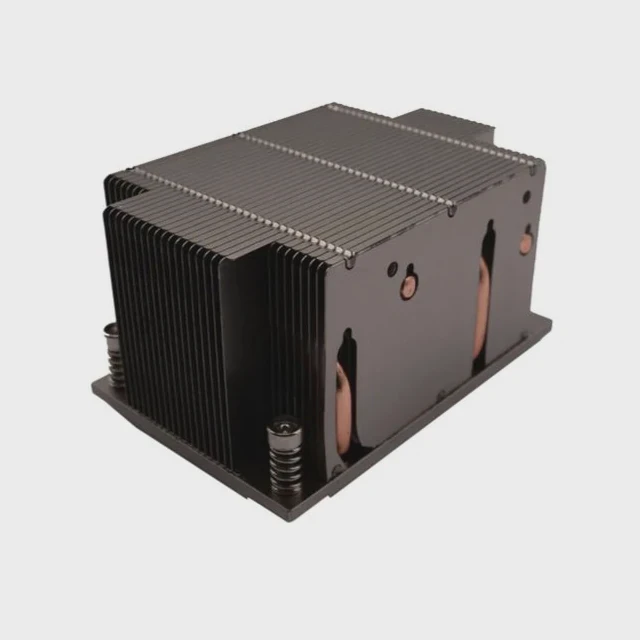
I discovered this when I mounted three MOSFETs on a single heatsink. One device shorted because the metal bolt touched the tab. After that, I used nylon washers every time I needed both electrical safety and clean alignment.
Why washers matter
A metal bolt head often sits close to the tab. Even with a pad between the tab and heatsink, the bolt head can still make electrical contact. This creates a hidden short that is hard to find. A simple washer blocks this path.
Types of washers for TO-220
- Nylon washers
- Fiber washers
- Plastic washers
- Shoulder washers
What shoulder washers do
A shoulder washer slides into the tab hole and keeps the bolt from touching the metal inside the hole. This gives full isolation between bolt and device.
When washers are necessary
Washers are essential when:
- The heatsink mounts many devices
- The device tab carries high voltage
- You want to share one heatsink between circuits
- You use a metal bolt through a live tab
How I check for contact
After tightening, I place my multimeter between bolt head and device tab. If the meter shows no continuity, the washer is doing its job.
Conclusion
Bolting a TO-220 device to a heatsink is simple when you choose the right bolt, use proper insulation, set gentle torque, and add washers when you need electrical safety. With these steps, the device stays cool, safe, and stable.
TAGS
Latest Articles

Volume discount levels for heat sink orders?
Buyers often ask when heat sink prices start to drop with volume. Many worry they’re overpaying for small orders. This guide explains how B2B volume pricing works for thermal components. Heat sink
21 Dec,2025
Heat sink long-term supply contract options?
Many buyers want stable pricing and reliable delivery for heat sinks. But without a clear contract, risks grow over time. This article explores how to secure better long-term supply deals. Long-term
21 Dec,2025
Tooling cost for new heat sink profiles?
Many engineers struggle to understand why tooling for custom heat sinks costs so much. They worry about budgeting and production timelines. This article breaks down the cost drivers behind tooling.
21 Dec,2025
Heat sink custom sample process steps?
Sometimes, starting a custom heat sink project feels overwhelming—too many steps, too many unknowns, and too many risks. You want a sample, but not endless delays. The process for requesting and
20 Dec,2025
Standard B2B terms for heat sink payments?
When buyers and sellers in B2B heat sink markets talk about payment, many don’t fully understand what’s standard. This can lead to delayed orders, miscommunication, and even lost business
20 Dec,2025
Heat sink pricing factors for large orders?
Heat sinks are vital for many systems. When prices rise, projects stall and budgets break. This problem can hit teams hard without warning. Large order heat sink pricing depends on many factors. You
20 Dec,2025Related Articles
- how to remove top mount cpu heatsink?
- how to remove cpu fused to heatsink?
- how well do heatsink style coolers work?
- does the wd sn850x need a heatsink?
- How do heatsinks work Elite Dangerous?
- do you need raspberry pi heatsinks?
- how to remove 2010 mac pro heatsink?
- What direction does the blow Intel heatsink E97381?
- does your ssd need a heatsink?
- where to find double heatsinks battletech?
- How to connect a heatsink to 7805 regulator?
- what is the main obsticle when using heatsinks?
Author
Dr. Emily Chen
Chief AI Researcher
Leading expert in thermal dynamics and AI optimization with over 15 years of experience in data center efficiency research.
Categories
Latest Products
M.2 Heatpipe Heatsink With Dual Fans For Pc Case
19 Mar,2026
Heavy-Duty Aluminum Heat Sink Custom
19 Mar,2026
Oem Skived Fin Heatsink Aluminum Radiator For Plants
19 Mar,2026
Water Cooled Cnc Aluminum Heat Sink For Medical
19 Mar,2026
High Density 6000 Series Aluminum Heat Sink Profile
19 Mar,2026
High-Density Extruded Aluminum & Bonded-Fin Heat Sink Profile
19 Mar,2026
Recommend Categories
- Liquid cooling plate Manufacturer
- Industrial Heat Sink Manufacturer
- Standard Heat Sink Manufacturer
- Aluminum Heat Sink Manufacturer
- Copper Heat Sink Manufacturer
- Anodized Heatsink Manufacturer
- Stamping heat sink Manufacturer
- Die Casting Heatsink Manufacturer
- Soldering heat sink Manufacturer
- CNC Parts Manufacturer
Latest Products
- M.2 Heatpipe Heatsink With Dual Fans For Pc Case
- Heavy-Duty Aluminum Heat Sink Custom
- Oem Skived Fin Heatsink Aluminum Radiator For Plants
- Water Cooled Cnc Aluminum Heat Sink For Medical
- High Density 6000 Series Aluminum Heat Sink Profile
- High-Density Extruded Aluminum & Bonded-Fin Heat Sink Profile
- Dongguan Cnc Aluminum Heat Sink For Led & Brass Parts
- Wholesale Cnc Aluminum Heat Sink - Custom Extruded
- Led Cnc Round Heat Sink With Screw Holes
- Copper Pin-Fin Heat-Sink Large-Area For Photoled Cooling
- Telecom Heatsink Zipper Fin Wcopper Tubes Oem
Contact Expert
Have questions about this article? Reach out to our experts directly.