How to connect a heatsink to 7805 regulator?
I remember the first time I connected a heatsink to a 7805 regulator, and the regulator became hot enough to burn my finger because I mounted it the wrong way.
You connect a heatsink to a 7805 by placing the regulator on a flat metal surface, adding an insulating washer if needed, applying thermal paste, and fastening it with the correct screw kit to ensure safe heat transfer.
I will explain why the tab needs insulation, which kits fit best, how sink size affects performance, and how improper mounting can create short circuits.
Why insulate the 7805 tab?
I learned this rule the hard way during a small power-supply build. I bolted the 7805 directly to a metal case, and the circuit shorted immediately when I plugged it in.
The 7805 tab must be insulated because the tab is electrically connected to the regulator’s ground or output pin depending on the package, and direct contact with a metal heatsink or case can create short circuits.
When I take a close look at a classic 7805 in a TO-220 package, I see that the metal tab is not just metal. It has an electrical function. The tab is tied to one of the regulator pins. In many boards, the heatsink or enclosure may sit at a different potential. That is why insulation matters.
H3: How the tab is wired inside the regulator
Most 7805 regulators link the metal tab to ground. But some versions link it to output. In either case, touching the tab to a metal frame with a different voltage creates trouble. This contact can bypass parts of the circuit.
H3: Why thermal pads or mica insulators protect the circuit
A mica sheet, silicone pad, or plastic film keeps the tab electrically isolated. But these pads still pass heat. I once tried mounting without a pad to test if it ran cooler. It did run cooler, but it also sparked when my case grounded. That showed me why insulation is important.
Table: Tab behavior and insulation needs
| Tab Connection | Risk Without Insulator | Required Protection |
|---|---|---|
| Ground | Shorts if case has different ground path | Pad + washer |
| Output | Shorts to input path or chassis | Pad + washer |
| Floating variant | Still risky | Pad recommended |
H3: Why paste alone is not enough
Thermal paste does not insulate. Paste only improves heat flow. Without the pad and nylon washer, paste alone allows full electrical contact. That leads to instant failure if the sink touches a live surface.
Which mounting kits fit regulators?
When I started building my first linear regulator board, I did not know which kit to buy. Some screws were too long, some washers melted, and some pads were too thick. Later, I found out which kits work best for 7805 regulators.
Mounting kits for 7805 regulators typically include a screw, a nut, a thermal pad or mica sheet, a nylon shoulder washer, and sometimes a clip. These parts fit TO-220 regulators and secure the device to the heatsink.
When I look at the layout of a TO-220 device, I see the mounting hole. That hole sits very close to the tab. So the screw must avoid touching the metal directly. This is why shoulder washers exist.
H3: Typical parts inside a mounting kit
A complete mounting kit has the following parts:
- M3 or 4-40 screw
- Nut or threaded insert
- Nylon shoulder washer
- Mica or silicone pad
- Thermal paste (optional)
These parts make the connection strong, safe, and repeatable. I once skipped the shoulder washer, and the screw touched the metal tab. The regulator failed as soon as I powered it.
H3: Why silicone pads are easier for beginners
Mica pads need thermal paste on both sides, which is messy. Silicone pads do not need paste. They are faster and fine for small loads. I used silicone pads for many school projects because they kept things simple.
Table: Mounting kit options
| Kit Type | Pros | Cons |
|---|---|---|
| Mica + paste | Best thermal transfer | Messy, needs washer |
| Silicone pad | Easy, clean | Slightly higher thermal resistance |
| Clip-style | No screw needed | Needs correct heatsink design |
H3: Why screw length matters
If the screw is too long, it touches parts behind the sink or hits the PCB. That adds mechanical stress. A short screw sits flush and keeps the regulator stable. When I matched screw length to the sink thickness, the mount felt far stronger.
How does sink size affect regulation?
My first power supply used a tiny sink, and the 7805 shut down after a few minutes. Later, I replaced it with a larger sink, and the regulator worked for hours without thermal issues.
Sink size affects regulation by lowering the thermal resistance between the regulator and air, helping the 7805 maintain stable output voltage without entering thermal shutdown under load.
When I study heat behavior of a 7805, I see that regulation depends on how quickly the device removes heat. If heat stays inside, the regulator reaches shutdown temperature. At that point, output voltage drops, and the load becomes unstable.
H3: How thermal resistance affects temperature
Heatsinks have a rating called thermal resistance. A large sink has low resistance. A small sink has high resistance. Low resistance means the regulator stays cooler. High resistance means heat stays trapped.
H3: Why airflow changes performance
A medium sink in a fan-cooled case performs like a large sink in free air. Airflow moves hot air away. I tested a 7805 with a tiny sink and a fan, and it ran cooler than with a big sink and no fan.
H3: How load current affects sink size
The 7805 drops the difference between input and output voltage as heat. Higher load means more heat. That is why bigger sinks help. A small sink works only at very low load.
Table: Sink size vs performance
| Sink Size | Typical Use | Behavior |
|---|---|---|
| Small | Light load | May overheat fast |
| Medium | Normal 5V rails | Balanced temperature |
| Large | High load or hot case | Best stability |
H3: Why sink thickness matters
A thick sink stores heat better. A thin sink heats up fast. When I used a thin sink, the temp climbed very quickly. A thick sink stayed steady before rising. That delay helps protect the regulator during short bursts.
Can improper mounting cause shorts?
One of my early boards failed because the regulator tab touched the metal sink directly. I spent a whole evening troubleshooting, and finally found the scratch on the pad that caused the short.
Improper mounting can cause shorts when the tab touches a grounded surface, when screws bypass insulation, or when pads tear or shift during tightening.
When I look closely at a mounted regulator, I check three danger points: the screw path, the tab, and the sink surface. One mistake in any of those areas creates electrical contact.
H3: How screw contact creates shorts
The screw head or shaft can touch the tab. This happens when the shoulder washer is missing or cracked. Without that washer, the screw directly connects to the tab.
H3: How pad failure exposes metal
A mica sheet can crack or cut if tightened too much. A silicone pad can shift. Both expose the tab. I once tightened a screw too hard and broke the pad. The regulator shorted the moment I powered on.
H3: Why metal cases increase risk
If the sink bolts to a metal case, the case becomes part of the circuit. If the case sits at a different electrical potential, the regulator tab short can travel through the whole chassis.
Table: Common mounting mistakes and results
| Mistake | Result | Danger |
|---|---|---|
| No shoulder washer | Screw touches tab | Immediate short |
| Pad misaligned | Tab hits sink | Destruction of regulator |
| Over-tightening | Pad cracks | Short under vibration |
| Wrong screw type | Conductive contact | PCB damage |
H3: How to check a safe mount
I always do a simple test before powering the board. I use a multimeter in continuity mode. I test between the tab and the sink. If I hear a beep, the mount is wrong. This step saved me many times.
Conclusion
A 7805 needs correct mounting to stay safe and cool. The tab must be insulated, the right kit ensures a secure fit, the sink size protects regulation under load, and poor mounting can create dangerous shorts if the tab touches metal.
TAGS
Latest Articles

Volume discount levels for heat sink orders?
Buyers often ask when heat sink prices start to drop with volume. Many worry they’re overpaying for small orders. This guide explains how B2B volume pricing works for thermal components. Heat sink
21 Dec,2025
Heat sink long-term supply contract options?
Many buyers want stable pricing and reliable delivery for heat sinks. But without a clear contract, risks grow over time. This article explores how to secure better long-term supply deals. Long-term
21 Dec,2025
Tooling cost for new heat sink profiles?
Many engineers struggle to understand why tooling for custom heat sinks costs so much. They worry about budgeting and production timelines. This article breaks down the cost drivers behind tooling.
21 Dec,2025
Heat sink custom sample process steps?
Sometimes, starting a custom heat sink project feels overwhelming—too many steps, too many unknowns, and too many risks. You want a sample, but not endless delays. The process for requesting and
20 Dec,2025
Standard B2B terms for heat sink payments?
When buyers and sellers in B2B heat sink markets talk about payment, many don’t fully understand what’s standard. This can lead to delayed orders, miscommunication, and even lost business
20 Dec,2025
Heat sink pricing factors for large orders?
Heat sinks are vital for many systems. When prices rise, projects stall and budgets break. This problem can hit teams hard without warning. Large order heat sink pricing depends on many factors. You
20 Dec,2025Related Articles
- where to find double heatsinks battletech?
- does your ssd need a heatsink?
- What direction does the blow Intel heatsink E97381?
- how to remove 2010 mac pro heatsink?
- How to TO-220 heatsink bolt?
- how to remove top mount cpu heatsink?
- what is the main obsticle when using heatsinks?
- do heatsinks work on m.2 drive?
- how to install heatsink to transistor?
- does dead cpu fan imply dead or damaged heatsink?
- How to remove CPU from heatsink?
- can you clean the stock.microsoft heatsink under water?
Author
Dr. Emily Chen
Chief AI Researcher
Leading expert in thermal dynamics and AI optimization with over 15 years of experience in data center efficiency research.
Categories
Latest Products
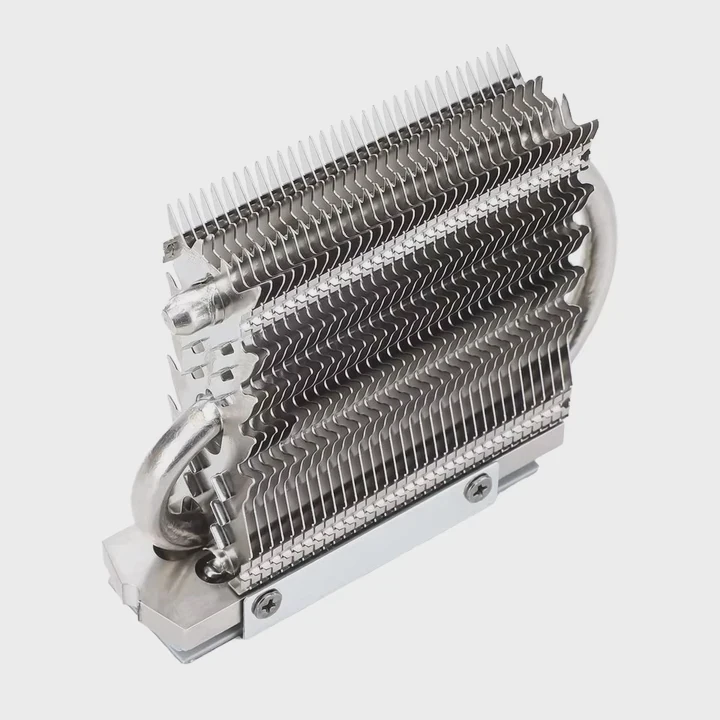
M.2 Heatpipe Heatsink With Dual Fans For Pc Case
19 Mar,2026
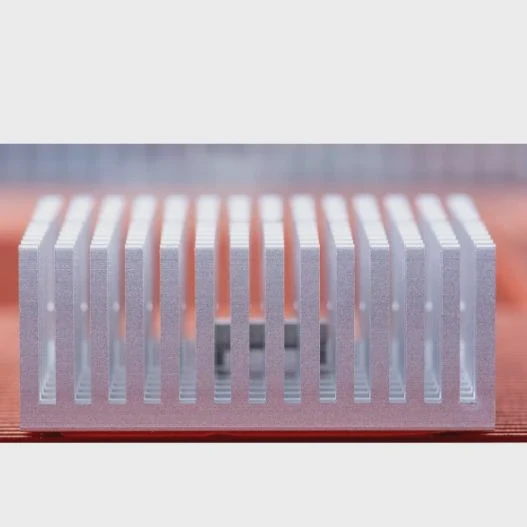
Heavy-Duty Aluminum Heat Sink Custom
19 Mar,2026
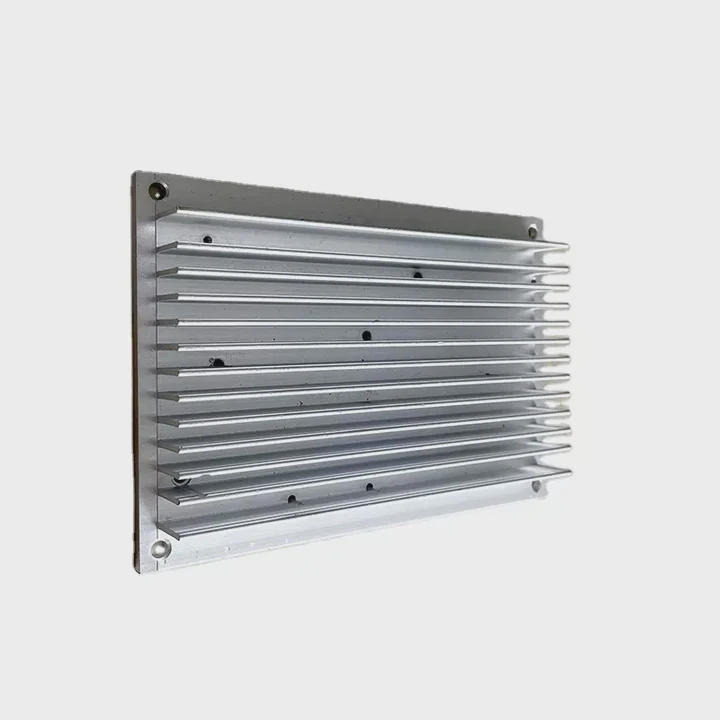
Oem Skived Fin Heatsink Aluminum Radiator For Plants
19 Mar,2026
Water Cooled Cnc Aluminum Heat Sink For Medical
19 Mar,2026
High Density 6000 Series Aluminum Heat Sink Profile
19 Mar,2026
High-Density Extruded Aluminum & Bonded-Fin Heat Sink Profile
19 Mar,2026
Recommend Categories
- Liquid cooling plate Manufacturer
- Industrial Heat Sink Manufacturer
- Standard Heat Sink Manufacturer
- Aluminum Heat Sink Manufacturer
- Copper Heat Sink Manufacturer
- Anodized Heatsink Manufacturer
- Stamping heat sink Manufacturer
- Die Casting Heatsink Manufacturer
- Soldering heat sink Manufacturer
- CNC Parts Manufacturer
Latest Products
- M.2 Heatpipe Heatsink With Dual Fans For Pc Case
- Heavy-Duty Aluminum Heat Sink Custom
- Oem Skived Fin Heatsink Aluminum Radiator For Plants
- Water Cooled Cnc Aluminum Heat Sink For Medical
- High Density 6000 Series Aluminum Heat Sink Profile
- High-Density Extruded Aluminum & Bonded-Fin Heat Sink Profile
- Dongguan Cnc Aluminum Heat Sink For Led & Brass Parts
- Wholesale Cnc Aluminum Heat Sink - Custom Extruded
- Led Cnc Round Heat Sink With Screw Holes
- Copper Pin-Fin Heat-Sink Large-Area For Photoled Cooling
- Telecom Heatsink Zipper Fin Wcopper Tubes Oem
Contact Expert
Have questions about this article? Reach out to our experts directly.