How to use liquid nitrogen for cooling?
Extreme performance often comes with extreme heat. When standard air or liquid coolers reach their limits, engineers and researchers turn to something colder—much colder. That’s when liquid nitrogen enters the scene.
Liquid nitrogen cooling uses cryogenic temperatures to remove heat quickly and efficiently, often for high-performance computing, scientific research, and experimental cooling setups.
It’s not an everyday solution for home users, but it plays a major role in advanced engineering, physics experiments, and performance benchmarking.
What is liquid nitrogen cooling?
Liquid nitrogen, or LN₂, is nitrogen gas cooled to -196°C (-321°F). At this temperature, it becomes a colorless, boiling liquid that can absorb large amounts of heat in seconds.
Liquid nitrogen cooling is a cryogenic process that uses liquid nitrogen’s ultra-low temperature to cool materials, electronic components, or experimental systems far below ambient levels.
The idea is simple but powerful: when LN₂ touches a hot surface, it rapidly absorbs heat and evaporates into nitrogen gas. This process can cool objects much faster than any mechanical system. That’s why LN₂ is often used in superconductivity studies, chip overclocking, and scientific experiments that demand precise thermal control.
Common Applications of Liquid Nitrogen Cooling
| Field | Application |
|---|---|
| Electronics | Extreme overclocking and performance testing |
| Science | Cryogenic preservation and material research |
| Medicine | Tissue freezing and sample storage |
| Engineering | Thermal shock testing and component analysis |
| Manufacturing | Shrink fitting and cryo-machining |
Liquid nitrogen cooling can reach levels that no air or water-based cooler could achieve. However, such power comes with risks and requires careful control, insulation, and safety knowledge.
What are the benefits and risks?
Cooling with liquid nitrogen may sound futuristic, but it has been used for decades in labs and industry. Its benefits are impressive, but the dangers are equally real if used without proper protection.
The main benefits of LN₂ cooling are extreme temperature reduction and rapid heat transfer, while the main risks involve frostbite, oxygen displacement, and material stress due to thermal shock.
Let’s look closer at both sides of the equation.
Benefits
Extreme Cooling Capability
LN₂ can bring components down to -196°C. This level of cooling is perfect for testing the physical limits of CPUs, GPUs, or superconducting materials.Instant Heat Absorption
The boiling process of LN₂ efficiently pulls heat away, maintaining steady cryogenic conditions even during intense operations.No Mechanical Parts
LN₂ cooling systems don’t need compressors, fans, or pumps. This means zero mechanical vibration, which is crucial for sensitive experiments.Clean and Inert
Nitrogen is a naturally abundant, non-toxic gas that makes up 78% of Earth’s atmosphere. When it evaporates, it leaves no residue or waste.Useful for Research and Development
LN₂ allows researchers to simulate extreme environments like outer space, arctic conditions, or superconductive states.
Risks
Frostbite and Burns
Direct skin contact with LN₂ can cause instant frostbite. Always handle it with insulated gloves and protective clothing.Oxygen Displacement
As nitrogen gas evaporates, it pushes out oxygen in the air. In enclosed spaces, this can cause suffocation.Thermal Shock
Sudden temperature changes can crack metal or silicon. Components not designed for such stress can shatter instantly.Condensation and Short Circuiting
When used on electronics, moisture in the air can condense and freeze, creating ice that leads to electrical failure.Handling Complexity
LN₂ must be stored and transferred using special Dewar flasks and cryogenic-rated containers to prevent dangerous pressure buildup.
Summary Table: Pros and Cons
| Aspect | Benefits | Risks |
|---|---|---|
| Temperature | Reaches -196°C | Causes thermal shock |
| Efficiency | Rapid heat transfer | Hard to control evenly |
| Safety | Non-toxic, clean | Can cause frostbite or suffocation |
| Cost | Relatively affordable | Needs special storage |
| Application | Great for testing and research | Not suitable for daily use |
Despite its risks, LN₂ remains one of the most fascinating cooling methods, especially when used carefully in controlled conditions.
How to handle it safely for experiments?
Handling liquid nitrogen demands respect and preparation. It looks calm and harmless, but it’s one of the coldest substances humans regularly use. Safety is not optional—it’s the foundation of every cryogenic experiment.
Safe handling of LN₂ requires protective equipment, proper ventilation, cryogenic-rated containers, and step-by-step procedures to prevent frostbite and oxygen depletion.
Step 1: Use Proper Personal Protective Equipment (PPE)
Always wear:
- Cryogenic gloves (loose-fitting for easy removal)
- Face shield or safety goggles
- Long-sleeve lab coat or apron
- Closed-toe shoes (no mesh or fabric)
Avoid tight-fitting gloves or jewelry that can trap LN₂ in case of splashes.
Step 2: Work in a Well-Ventilated Area
Liquid nitrogen evaporates quickly into nitrogen gas. In enclosed spaces, this gas displaces oxygen and creates an asphyxiation hazard. Ensure good airflow or use oxygen monitors when working indoors.
Step 3: Use the Right Containers
Only use Dewar flasks or certified cryogenic containers. Ordinary glass or plastic bottles will shatter due to extreme cold or pressure.
Never seal a container filled with LN₂. As it warms and boils, gas expansion can cause explosions.
Step 4: Handle Slowly and Avoid Spills
When pouring LN₂, do it gently to minimize splashing. If a small spill occurs, let it evaporate naturally—never wipe it with a cloth or your hands.
Step 5: Be Aware of Thermal Shock
Do not expose fragile materials directly to LN₂ unless they are designed for cryogenic temperatures. Rapid contraction can lead to fractures.
Step 6: Dispose of It Properly
Do not pour LN₂ into drains or sealed systems. Allow it to evaporate in an open, well-ventilated space.
Step 7: Have Emergency Procedures Ready
Keep first aid kits and oxygen sensors available. Know the symptoms of asphyxiation: dizziness, fatigue, and confusion can appear before loss of consciousness.
When I first worked with LN₂ in a university lab, my mentor repeated one rule every day: “Treat it like fire—it’s powerful, but only safe when respected.” That simple lesson has stayed with me ever since.
What are the innovations in cryogenic cooling?
Cryogenic cooling is no longer limited to laboratories. With progress in materials and engineering, it is moving into fields like quantum computing, medical devices, and advanced manufacturing.
Recent innovations in cryogenic cooling include closed-loop LN₂ systems, superconducting materials, and hybrid cryo-electronic designs that enhance efficiency and safety.
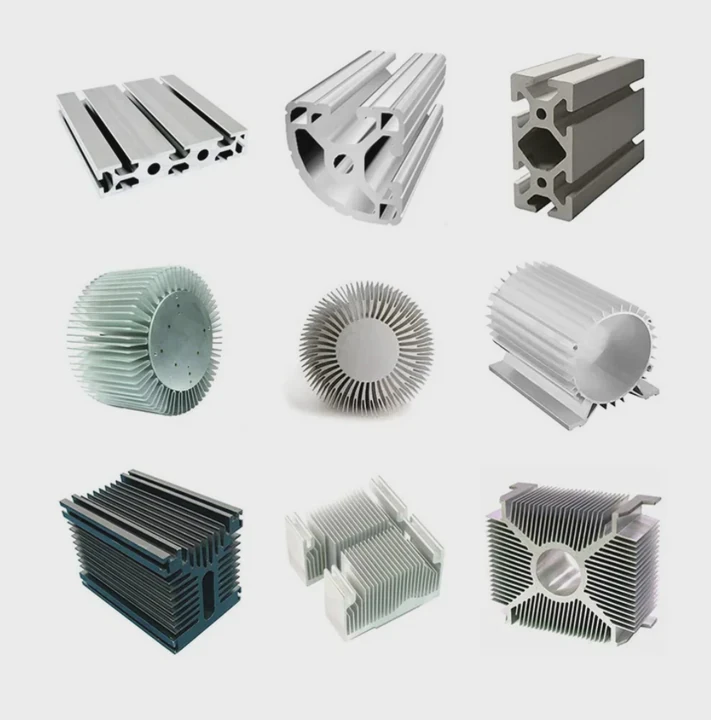
1. Closed-Loop Cryogenic Systems
Traditional LN₂ setups release nitrogen gas into the air after use. New systems now recapture and re-liquefy nitrogen, reducing waste and making long-term use more sustainable. This innovation helps in both industrial and research applications.
2. Microchannel Cryogenic Heat Exchangers
Engineers are developing microchannel structures that increase contact area and improve heat transfer efficiency. These devices use small passages to control LN₂ flow with precision, perfect for cooling electronics or superconducting components.
3. Integration in Quantum Computing
Quantum computers rely on superconducting qubits, which only function at near-absolute-zero temperatures. Modern cryogenic cooling systems use LN₂ as a pre-cooling stage before switching to helium systems, cutting overall energy costs.
4. Hybrid Cryo-Electronic Systems
Hybrid systems combine cryogenic cooling with liquid or vapor compression to maintain consistent temperatures. This approach provides stability and control while minimizing LN₂ consumption.
5. Smart Control and Monitoring
AI-driven cryogenic controllers can now predict cooling behavior, manage nitrogen flow, and prevent overheating or wastage. These systems automatically regulate valves, ensuring optimal and safe operation.
6. Material Innovation
Researchers are experimenting with superinsulated materials and nanocoatings to reduce LN₂ evaporation losses. These new materials extend the lifespan of storage containers and make transport safer.
7. Sustainable Cryogen Production
With global efforts toward sustainability, companies are now exploring recycled nitrogen from industrial processes and energy-efficient liquefaction methods to lower carbon footprints.
The Future of Cryogenic Cooling
Cryogenic technology will continue to evolve with digital and quantum industries. Soon, compact LN₂ systems might cool AI data centers, superconducting power grids, or even space electronics.
The biggest challenge remains balancing temperature control, cost, and safety. Innovations in automation and material science are making LN₂ cooling safer, smarter, and more accessible than ever before.
Conclusion
Liquid nitrogen cooling opens a window into the world of extreme temperatures. It’s not practical for everyone, but for researchers, engineers, and experimenters, it’s a key that unlocks new possibilities in science and technology. Handle it with care, and it becomes one of the most powerful cooling tools ever created.
TAGS
Latest Articles

Volume discount levels for heat sink orders?
Buyers often ask when heat sink prices start to drop with volume. Many worry they’re overpaying for small orders. This guide explains how B2B volume pricing works for thermal components. Heat sink
21 Dec,2025
Heat sink long-term supply contract options?
Many buyers want stable pricing and reliable delivery for heat sinks. But without a clear contract, risks grow over time. This article explores how to secure better long-term supply deals. Long-term
21 Dec,2025
Tooling cost for new heat sink profiles?
Many engineers struggle to understand why tooling for custom heat sinks costs so much. They worry about budgeting and production timelines. This article breaks down the cost drivers behind tooling.
21 Dec,2025
Heat sink custom sample process steps?
Sometimes, starting a custom heat sink project feels overwhelming—too many steps, too many unknowns, and too many risks. You want a sample, but not endless delays. The process for requesting and
20 Dec,2025
Standard B2B terms for heat sink payments?
When buyers and sellers in B2B heat sink markets talk about payment, many don’t fully understand what’s standard. This can lead to delayed orders, miscommunication, and even lost business
20 Dec,2025
Heat sink pricing factors for large orders?
Heat sinks are vital for many systems. When prices rise, projects stall and budgets break. This problem can hit teams hard without warning. Large order heat sink pricing depends on many factors. You
20 Dec,2025Related Articles
- Is Alienware Aurora R8 Liquid Cooled?
- Which is better, liquid cooling or air?
- What is liquid cooling technology?
- Does the Xbox One X have liquid cooling?
- Is liquid cooling bad?
- Why does a gas change to a liquid on cooling?
- What Is the Best Liquid Cooling System?
- How to set up a liquid cooling CPU?
- How to liquid cool a PS3?
- Why is liquid cooling bad?
- How to check if liquid cooling pump is working?
- How to transition from air to liquid cooling?
Author
Dr. Emily Chen
Chief AI Researcher
Leading expert in thermal dynamics and AI optimization with over 15 years of experience in data center efficiency research.
Categories
Latest Products
Recommend Categories
- Liquid cooling plate Manufacturer
- Industrial Heat Sink Manufacturer
- Standard Heat Sink Manufacturer
- Aluminum Heat Sink Manufacturer
- Copper Heat Sink Manufacturer
- Anodized Heatsink Manufacturer
- Stamping heat sink Manufacturer
- Die Casting Heatsink Manufacturer
- Soldering heat sink Manufacturer
- CNC Parts Manufacturer
Latest Products
- Wholesale Aluminum Radiator
- Water Cooling Plate Kit
- Water Cooling Heat Sink
- Water Cooling Heat Sink Kit
- Stainless Steel Water Distributor
- Server Water Cooling Plate Kit
- Server Liquid Cooling System
- Server Aluminum Cooling Kit
- S19 Full Cover Cooling Plate
- S19 Cooling Plate Kit
- S19 Aluminum Cooling Plate
Contact Expert
Have questions about this article? Reach out to our experts directly.