What Is the Best Liquid Cooling System?
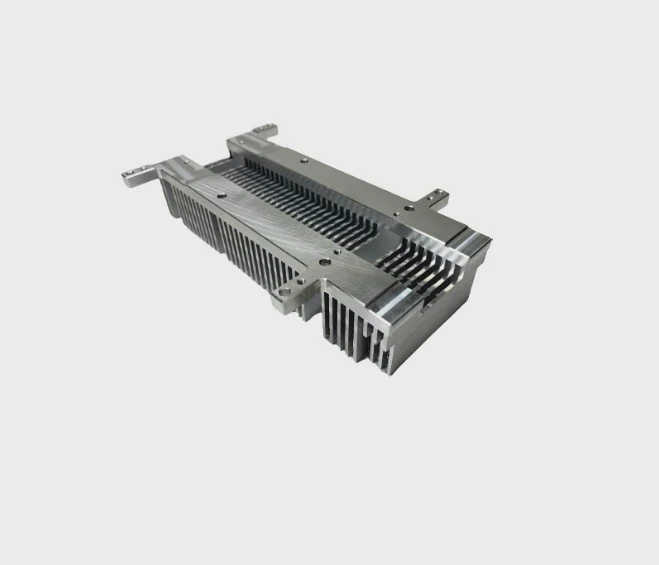
Every gamer and creator wants the same thing — cool temperatures, silent performance, and a clean, modern build. But with so many coolers on the market, choosing the best liquid cooling system can feel confusing.
The best liquid cooling system combines efficient heat transfer, reliable pump design, quiet operation, and long service life. Premium AIO (All-in-One) models like the Corsair iCUE H150i, Arctic Liquid Freezer II 360, and NZXT Kraken Z73 stand out for their balance of performance and durability.
Choosing the right one depends on your CPU power, case size, and how much silence or aesthetics matter to you. Let’s explore what makes a liquid cooling system high-performance, what the premium models offer, and how to choose the right one for your build.
What Defines a High-Performance Liquid Cooling System?
Not all liquid cooling systems are equal. Some are designed for casual users, while others push the limits of thermal control for high-end CPUs.
A high-performance liquid cooling system is defined by its thermal efficiency, pump reliability, low noise levels, and high coolant flow rate.
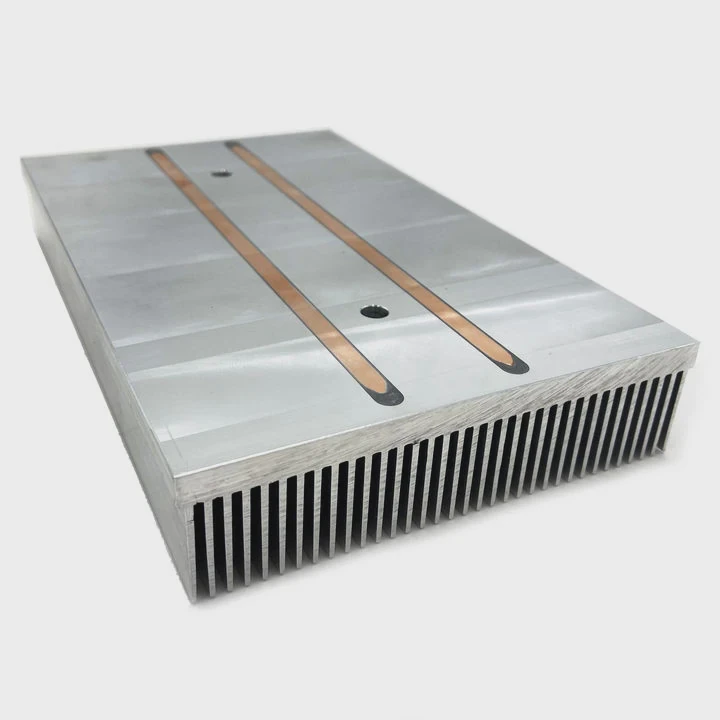
Key Technical Features
To understand what makes a system “high-performance,” let’s break it down:
| Component | Purpose | High-Performance Feature |
|---|---|---|
| Pump | Circulates coolant | High flow rate with low vibration |
| Radiator | Dissipates heat | Large surface area (240–420mm) |
| Fans | Move air through radiator | PWM-controlled, low noise |
| Cold Plate | Transfers heat from CPU | Precision-machined copper or nickel |
| Tubing | Carries coolant | Reinforced, kink-resistant materials |
These components work together to keep the coolant moving smoothly and maintain consistent temperatures under heavy load.
How It Works
A pump pushes coolant through a loop, drawing heat away from the CPU. The coolant passes through the radiator, where fans blow air across the fins to dissipate that heat. The cooled liquid then returns to the CPU block, repeating the process.
When each part of this loop is designed for performance, the system maintains lower temperatures even under stress. The result is a cooler CPU, stable frame rates, and quieter operation.
Efficiency and Reliability
High-performance coolers focus on long-term reliability. This includes ceramic pump bearings, leak-proof tubing, and optimized fin density in radiators. They often last over five years with minimal maintenance.
Performance isn’t just about temperature numbers—it’s about consistency. A good system should hold thermal equilibrium without pump whine or fan surge.
What Are the Advantages of Premium Models?
Every cooling brand offers entry-level AIOs, but premium models come with unique advantages that justify the cost.
Premium liquid cooling systems provide better heat dissipation, quieter operation, aesthetic customization, and longer durability through superior materials and advanced pump technology.
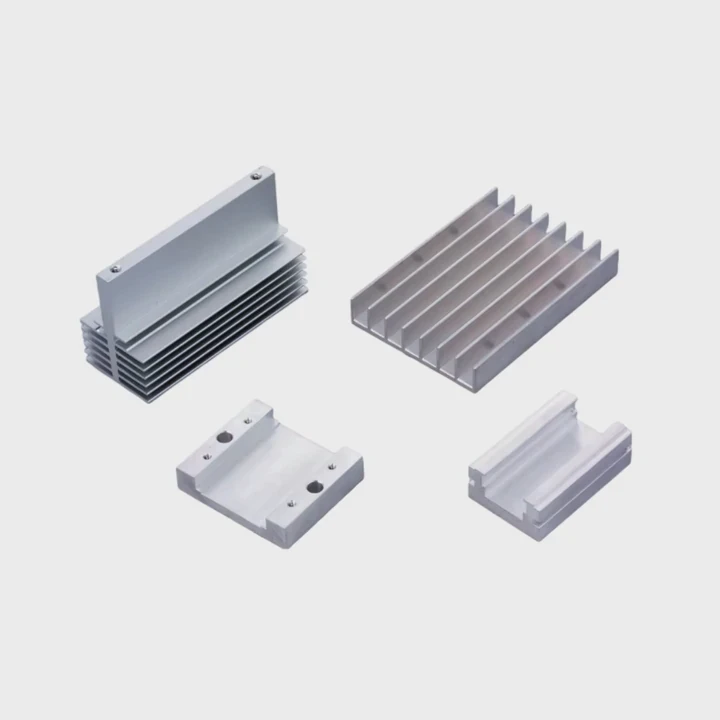
Advantages of Premium Liquid Coolers
Superior Thermal Efficiency
Premium models often use larger radiators, advanced fin designs, and more efficient pumps that deliver better cooling results, especially for CPUs above 120W TDP.Silent Operation
Premium coolers integrate PWM (Pulse Width Modulation) fans and dampened pumps that reduce vibration and noise even during high-load operations.Durability and Build Quality
These systems use metal-reinforced tubing, corrosion-resistant materials, and high-grade copper or nickel cold plates for long-term stability.Aesthetic and Control Features
Many high-end AIOs include RGB lighting, LCD displays, and companion software for temperature monitoring and fan control.Warranty and Support
Premium coolers often come with extended warranties (5–6 years), providing peace of mind for builders who prioritize reliability.
Performance Comparison
| Feature | Entry-Level AIO | Premium AIO |
|---|---|---|
| Radiator Size | 120mm–240mm | 280mm–420mm |
| Noise Level | 40–45 dBA | 25–35 dBA |
| Pump Type | Standard motor | Magnetic levitation or ceramic bearing |
| Expected Lifespan | 3 years | 5–7 years |
| Control Software | Basic | Advanced with monitoring and tuning |
| Price Range | \(70–\)120 | \(150–\)300 |
Why It Matters
For users running high-end CPUs like the Ryzen 9800X3D or Intel i9-14900K, premium cooling can mean a 10–15°C lower temperature difference. This translates to higher sustained boost clocks and longer component life.
It’s not just about “cooling”—it’s about maintaining performance stability across time. A good liquid cooler isn’t a luxury; it’s an investment in system health.
How to Choose the Best System for Your Setup?
Choosing a liquid cooling system involves more than picking the most expensive option. You must match performance, compatibility, and aesthetics with your system’s needs.
Select a liquid cooling system based on your CPU’s heat output, case space, noise preference, and budget. Always ensure socket compatibility and radiator clearance before buying.
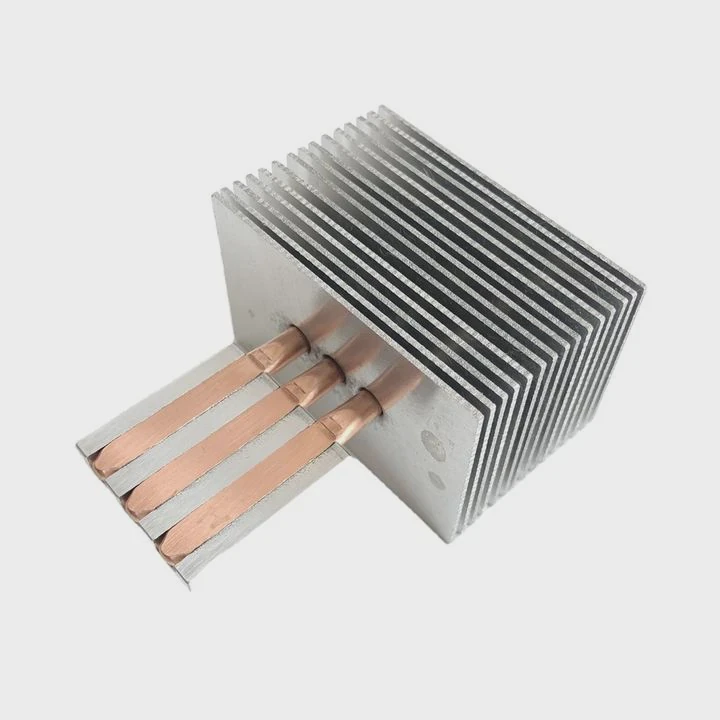
Step-by-Step Guide
Check CPU TDP
Match the cooler’s rated cooling capacity to your CPU’s thermal design power. For example, a 120W TDP CPU should pair with a 200W-rated cooler for optimal headroom.Determine Case Size
Confirm radiator clearance in your case. Mid-tower cases usually fit 240mm AIOs; full towers can handle 360mm or 420mm radiators.Consider Noise Level
If you prefer quiet operation, look for low-noise pumps (below 30 dBA) and large fans that can spin slower while maintaining airflow.Evaluate Aesthetic Preferences
Decide whether you want RGB lighting, LCD temperature displays, or a stealth look. Premium brands like NZXT and Corsair offer multiple design styles.Maintenance and Longevity
AIO coolers are usually maintenance-free, but custom loops may need refills or cleaning every 12–18 months.Budget Wisely
Balance features and cost. Spending slightly more on quality now saves money later on replacements or thermal issues.
Popular Choices by Category
| User Type | Recommended Cooler | Notes |
|---|---|---|
| Entry-Level | Cooler Master MasterLiquid 240L | Affordable and reliable |
| Mid-Range | Arctic Liquid Freezer II 280 | Quiet and efficient |
| High-End | Corsair iCUE H150i Elite LCD | Premium performance and control |
| Compact Build | NZXT Kraken X53 | Ideal for small form factors |
My Personal Recommendation
If you’re building around a high-end CPU and have enough space, the Arctic Liquid Freezer II 360 remains one of the best options. It’s quiet, affordable for its size, and performs on par with more expensive models. For those who value aesthetics and software control, the NZXT Kraken Z73 is unbeatable.
What Are the Market Trends in Cooling Tech?
Liquid cooling has evolved rapidly over the last few years, moving from enthusiast-only setups to mainstream adoption.
The latest market trends include AI-optimized fan control, vapor chamber hybrid systems, eco-friendly materials, and modular maintenance-free AIO designs.
1. AI-Controlled Cooling Systems
Modern AIOs are now integrating AI-driven controllers that monitor CPU load, temperature, and ambient room heat. They automatically adjust pump speeds and fan curves to maintain balance between noise and performance.
Some models, like the Corsair iCUE Link series, even use machine learning to predict thermal spikes and preemptively boost cooling performance.
2. Hybrid Cooling Technologies
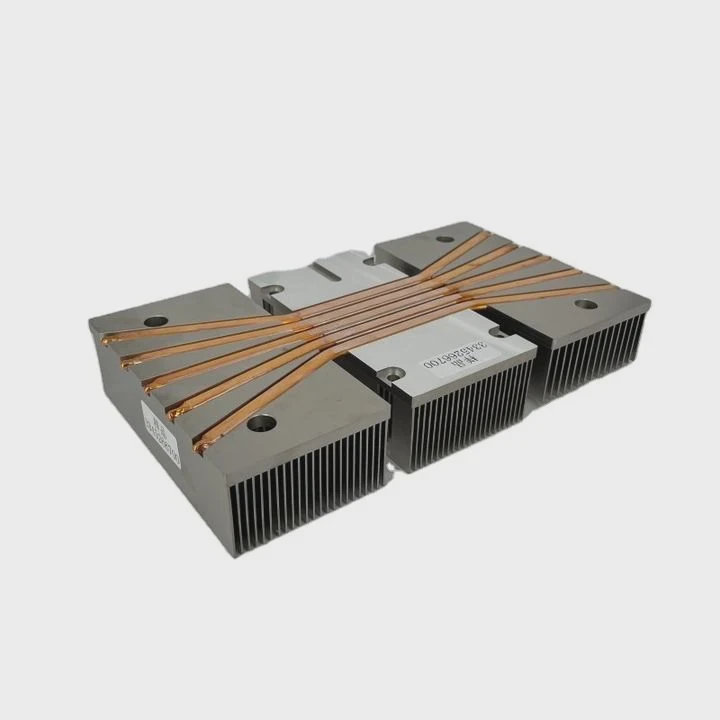
Manufacturers are now blending vapor chamber bases with liquid loops. This hybrid design allows faster heat transfer from the CPU to the coolant. It combines the best features of air and liquid cooling in one package.
3. Compact and Modular Designs
As small form factor PCs become popular, companies are shrinking AIO units without sacrificing power. New modular connectors simplify installation, allowing users to replace components like pumps or fans without changing the entire system.
4. Eco-Friendly and Sustainable Materials
Brands are moving toward recyclable materials, biodegradable coolants, and energy-efficient pumps. This shift aligns with global sustainability efforts while improving longevity and reducing power draw.
5. Smart Connectivity and Monitoring
Most modern premium coolers feature USB or Bluetooth integration for real-time monitoring. Through software dashboards, users can view coolant temperature, pump speed, and system load directly from their desktops.
6. Market Growth and Innovation
The liquid cooling market continues to grow at a steady rate. With CPUs and GPUs generating more heat every generation, efficient cooling systems are now essential for stable, long-term performance.
Manufacturers are focusing on maintenance-free designs with improved reliability. New sealing methods and ceramic pumps mean you can run your cooler for years without touching a thing.
Future Outlook
Looking forward, we’ll likely see even more intelligent cooling systems that integrate with BIOS-level controls, predictive algorithms, and cloud-based monitoring. The future of cooling is smart, silent, and self-managing.
Conclusion
The best liquid cooling system is one that matches your CPU’s needs, your space, and your noise tolerance. Premium AIO models provide exceptional cooling efficiency, low noise, and long lifespan. With modern technology and evolving trends, today’s liquid coolers are more reliable and accessible than ever — keeping high-performance systems running cool and quiet for years to come.
TAGS
Latest Articles

Volume discount levels for heat sink orders?
Buyers often ask when heat sink prices start to drop with volume. Many worry they’re overpaying for small orders. This guide explains how B2B volume pricing works for thermal components. Heat sink
21 Dec,2025
Heat sink long-term supply contract options?
Many buyers want stable pricing and reliable delivery for heat sinks. But without a clear contract, risks grow over time. This article explores how to secure better long-term supply deals. Long-term
21 Dec,2025
Tooling cost for new heat sink profiles?
Many engineers struggle to understand why tooling for custom heat sinks costs so much. They worry about budgeting and production timelines. This article breaks down the cost drivers behind tooling.
21 Dec,2025
Heat sink custom sample process steps?
Sometimes, starting a custom heat sink project feels overwhelming—too many steps, too many unknowns, and too many risks. You want a sample, but not endless delays. The process for requesting and
20 Dec,2025
Standard B2B terms for heat sink payments?
When buyers and sellers in B2B heat sink markets talk about payment, many don’t fully understand what’s standard. This can lead to delayed orders, miscommunication, and even lost business
20 Dec,2025
Heat sink pricing factors for large orders?
Heat sinks are vital for many systems. When prices rise, projects stall and budgets break. This problem can hit teams hard without warning. Large order heat sink pricing depends on many factors. You
20 Dec,2025Related Articles
- How to use liquid nitrogen for cooling?
- Is Alienware Aurora R8 Liquid Cooled?
- Which is better, liquid cooling or air?
- What is liquid cooling technology?
- Does the Xbox One X have liquid cooling?
- Is liquid cooling bad?
- How to set up a liquid cooling CPU?
- How to liquid cool a PS3?
- Why is liquid cooling bad?
- How to check if liquid cooling pump is working?
- How to transition from air to liquid cooling?
- Why does a liquid cool down when it evaporates?
Author
Dr. Emily Chen
Chief AI Researcher
Leading expert in thermal dynamics and AI optimization with over 15 years of experience in data center efficiency research.
Categories
Latest Products






Recommend Categories
- Liquid cooling plate Manufacturer
- Industrial Heat Sink Manufacturer
- Standard Heat Sink Manufacturer
- Aluminum Heat Sink Manufacturer
- Copper Heat Sink Manufacturer
- Anodized Heatsink Manufacturer
- Stamping heat sink Manufacturer
- Die Casting Heatsink Manufacturer
- Soldering heat sink Manufacturer
- CNC Parts Manufacturer
Latest Products
- Wholesale Aluminum Radiator
- Water Cooling Plate Kit
- Water Cooling Heat Sink
- Water Cooling Heat Sink Kit
- Stainless Steel Water Distributor
- Server Water Cooling Plate Kit
- Server Liquid Cooling System
- Server Aluminum Cooling Kit
- S19 Full Cover Cooling Plate
- S19 Cooling Plate Kit
- S19 Aluminum Cooling Plate
Contact Expert
Have questions about this article? Reach out to our experts directly.