Industrial Vapor Chamber for power electronics?
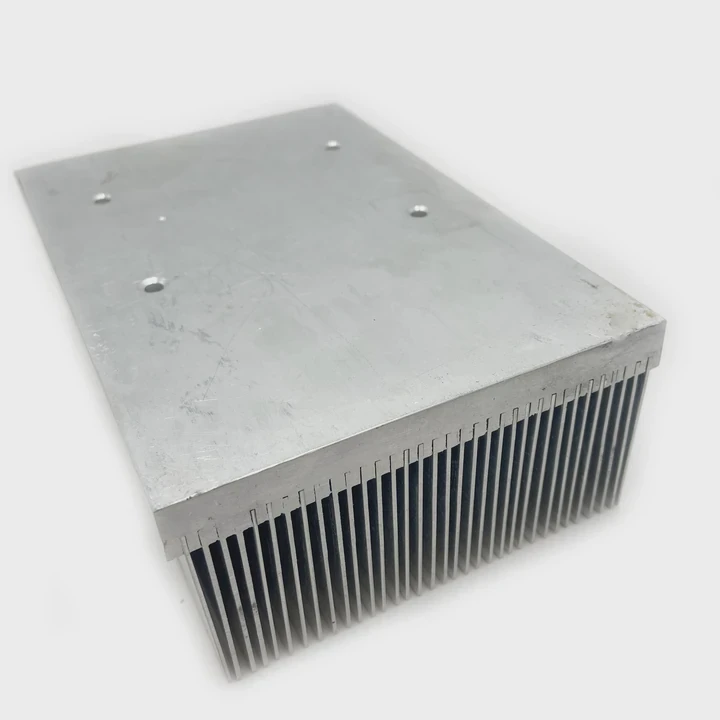
When industrial equipment runs at high power, heat build‑up often becomes the limiting factor. A vapor chamber offers a strong cooling option.
Industrial‑grade vapor chambers provide high thermal conductivity, compact form factor, and stable performance — making them suitable for power electronics cooling in demanding environments.
This article explores where vapor chambers are used in industry, what design demands power electronics place on them, whether they can handle high current and thermal stress, and which sectors are deploying them.
Are Vapor Chambers used in industrial‑grade power electronics?
Many associate vapor chambers with laptops or consumer devices. That view no longer reflects current practice.
Yes — vapor chambers are widely employed in industrial power electronics, such as inverters, power modules, data‑center power supplies, motor controllers, and high‑power converter units.
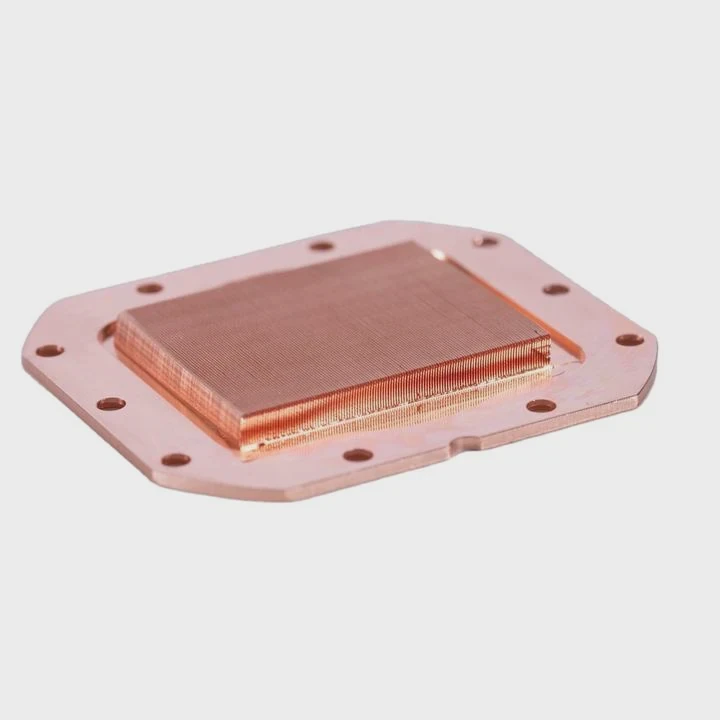
In many industrial applications, heat density is high and space is limited. Traditional cooling solutions like large heat‑sinks or bulky fin stacks sometimes can’t meet demands without excessive size or weight. Vapor chambers fill a critical niche: their flat, wide heat‑spreading surface allows compact, efficient designs.
Examples where vapor chambers are used:
- High‑power MOSFET/IGBT modules in inverters or motor drives.
- Data‑center power supplies and server power‑conversion units.
- Telecom and 5G base‑station power modules, where compact design and reliability matter.
- Renewable energy inverters and battery‑system converters.
In such roles, vapor chambers are often combined with cold plates, fin stacks, or liquid cooling — enabling stable temperature control even under continuous high load.
What design requirements do power electronics impose on Vapor Chambers?
Power electronics demand more than just average cooling. Thermal load, reliability, space constraints, and mechanical stress set strict requirements.
Design for industrial vapor chambers must satisfy high heat flux handling, low thermal resistance, mechanical strength under clamping or vibration, stable thermal cycling, compactness, and robust integration.
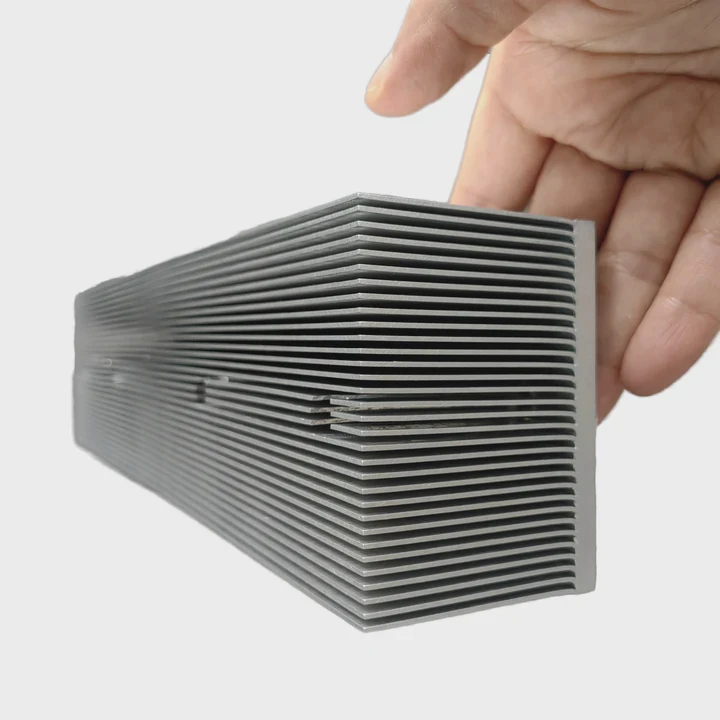
Key design demands in detail
High heat flux handling
Power modules generate concentrated heat in small areas (e.g. on IGBT chips or MOSFET dies). Vapor chamber must support rapid vaporization and condensation so internal wick or structure must be designed to handle high heat flux per unit area.Low thermal resistance and uniform heat spreading
To avoid hotspots, the vapor chamber must spread heat laterally fast. This requires proper internal wick design, uniform wall thickness, reliable sealing, and precise manufacturing — so that thermal resistance stays low and spreading remains uniform across the base.Mechanical robustness
Industrial equipment often uses clamping, screws or bolts to attach cooling plates or cold plates. Vapor chambers must resist compression, avoid deformation, maintain flatness, and sustain any vibration or shock without losing sealing integrity.Thermal cycling stability
Power electronics often switch loads, causing frequent heating and cooling cycles. Vapor chambers must resist cycles without weld fatigue, deformation, or leak. Materials selection, welding quality, and internal vacuum integrity all matter.Compactness and form‑factor flexibility
Industrial systems often have limited space. Vapor chambers used must fit strict envelope constraints and interface cleanly with cold plates, casings, or fin assemblies. Designers must consider mounting holes, thickness, base plate footprint, and clearance.Compatibility with downstream cooling methods
Whether pairing with air‑cooled fins, liquid cold plates, or heat sinks, the vapor chamber must present a flat, smooth surface. Surface finish, flatness tolerance, and clamp pressure must be controlled so interface resistance stays minimal.
Because of these requirements, industrial‑grade vapor chamber designs often use thicker shells, reinforced edges, robust weld or seal joints, higher‑capacity internal wicks or structural support, and quality control throughout production.
Can Vapor Chambers handle high current and thermal stress?
Power electronics involve both high electrical currents and significant heat generation. Vapor chambers must manage thermal stress without failure.
When correctly designed and manufactured, vapor chambers can handle high thermal stress and continuous load — offering reliable, long‑term cooling for power devices under heavy current.
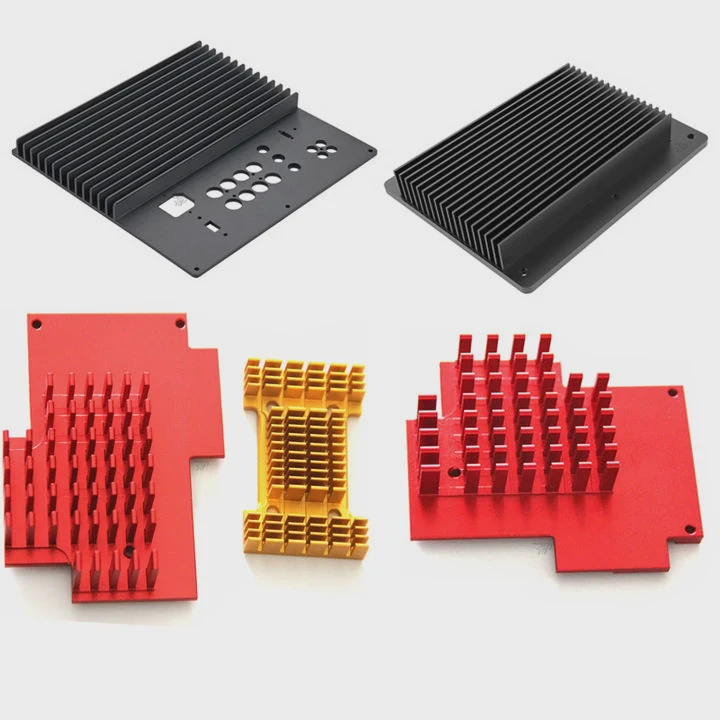
Why they can handle such stress
Superior thermal conduction — The internal phase‑change mechanism in the vapor chamber allows very efficient heat transfer. Instead of relying purely on conduction through metal, vapor moves to cooler zones and condenses, carrying heat away quickly. This significantly reduces thermal resistance compared to solid bases.
Uniform temperature distribution — Heat is spread across a large base. This avoids hot spots that might otherwise stress components, solder joints, or internal structures. Uniform temperature helps maintain reliability under long operating hours.
Good structural design — Industrial vapor chambers for power electronics often use reinforced shells, proper wall thickness, and strong welds. These resist mechanical stress from mounting, vibration, or thermal expansion.
Support for continuous operation and cycling — Because the internal vapor/liquid cycle is sealed and efficient, vapor chambers can handle continuous power loads over many hours. With quality construction, they also survive many thermal cycles without loss of performance or leaks.
What to watch out for
- If the vapor chamber is poorly manufactured — for example poor weld quality, insufficient vacuum, thin shell walls — prolonged thermal stress or vibration may cause leaks or structural failure.
- Improper mounting (uneven bolt torque, uneven contact surface) can distort the chamber and degrade performance.
- Interface to heat sink or cold plate must be well designed: poor contact or uneven pressure can reduce heat transfer significantly, nullifying the theoretical advantage.
- For extreme current or temperature applications (very high power density), you need to ensure the chamber’s internal wick and sealing method match the flux demands.
With attention to design, manufacturing, and installation, vapor chambers remain a strong thermal solution for demanding power electronics.
Which industrial sectors deploy Vapor Chambers for power devices?
Because of the strength and flexibility of vapor chamber cooling, many sectors now adopt them for various power electronics.
Main industrial sectors using vapor chambers include telecom infrastructure, data centers, renewable energy inverters, electric vehicles power modules, industrial drives, and high‑power lighting or laser systems.
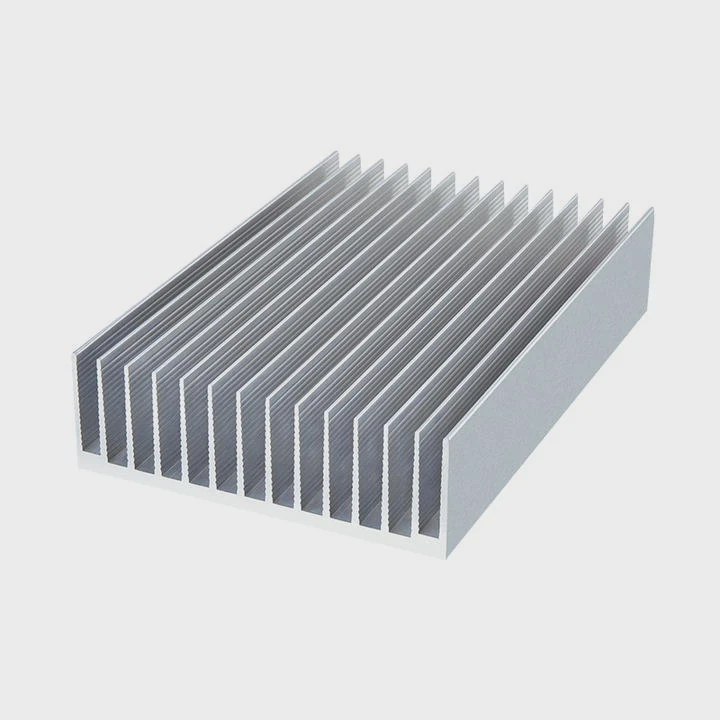
Sector examples
Telecom and 5G / 6G base stations: Power amplifiers, RF modules, DC/DC converters — require compact, efficient cooling in outdoor or compact shelters. Vapor chambers help reduce size and maintain reliability under continuous operation and temperature variations.
Data center power supplies and servers: High‑power rectifiers, DC/DC modules, UPS units, and power converters generate much heat. Vapor chambers under cold plates or heat sinks keep temperatures low and allow smaller cooling units.
Renewable energy inverters and battery‑management systems: Solar inverters, wind turbine converters, battery pack modules for energy storage or EV charging — often operate at high currents and need compact, reliable cooling. Vapor chambers help meet tight space and cooling requirements.
Industrial motor drives and variable‑frequency drives (VFDs): Heavy‑duty motor controllers and drives, especially in industrial automation or traction applications, generate significant heat. Vapor chamber‑based cooling keeps module temperature stable and ensures long life under cyclic loads.
Electric vehicle (EV) power electronics: Inverters, onboard chargers, DC/DC converters — space and weight are critical. Vapor chambers enable compact, efficient cooling under high current and frequent cycling.
High‑power LEDs, laser power supplies, industrial heating systems: Devices that produce concentrated heat in small areas benefit from vapor‑chamber heat spreaders to prevent hotspots and ensure uniform heat dissipation.
Because vapor chambers combine compactness, efficiency, and reliability, they fit well wherever high heat flux meets space or weight constraints.
Conclusion
Industrial vapor chambers bring high thermal performance to power electronics. They manage high heat flux, spread heat evenly, handle continuous and cyclic loads, and enable compact, reliable cooling solutions. Their application spans telecom, data center power units, renewable energy inverters, EV power modules, industrial drives, and more. With careful design, manufacturing, and integration, vapor chambers offer a practical, high‑performance path for industrial thermal management.
TAGS
Latest Articles

Volume discount levels for heat sink orders?
Buyers often ask when heat sink prices start to drop with volume. Many worry they’re overpaying for small orders. This guide explains how B2B volume pricing works for thermal components. Heat sink
21 Dec,2025
Heat sink long-term supply contract options?
Many buyers want stable pricing and reliable delivery for heat sinks. But without a clear contract, risks grow over time. This article explores how to secure better long-term supply deals. Long-term
21 Dec,2025
Tooling cost for new heat sink profiles?
Many engineers struggle to understand why tooling for custom heat sinks costs so much. They worry about budgeting and production timelines. This article breaks down the cost drivers behind tooling.
21 Dec,2025
Heat sink custom sample process steps?
Sometimes, starting a custom heat sink project feels overwhelming—too many steps, too many unknowns, and too many risks. You want a sample, but not endless delays. The process for requesting and
20 Dec,2025
Standard B2B terms for heat sink payments?
When buyers and sellers in B2B heat sink markets talk about payment, many don’t fully understand what’s standard. This can lead to delayed orders, miscommunication, and even lost business
20 Dec,2025
Heat sink pricing factors for large orders?
Heat sinks are vital for many systems. When prices rise, projects stall and budgets break. This problem can hit teams hard without warning. Large order heat sink pricing depends on many factors. You
20 Dec,2025Related Articles
- Vapor Chamber efficiency in heat exchanger systems?
- Vapor Chamber inspection standards ISO?
- Vapor Chamber RoHS compliance check?
- Vapor Chamber CNC machining capability limits?
- Vapor Chamber vacuum testing procedure?
- Does Vapor Chamber comply with REACH?
- Safety regulations for Vapor Chamber materials?
- Vapor Chamber working temperature range?
- Vapor Chamber pressure resistance rating?
- Vapor Chamber design guidelines for heat transfer?
- Vapor Chamber sample production process?
- Vapor Chamber usage in automotive industry?
Author
Dr. Emily Chen
Chief AI Researcher
Leading expert in thermal dynamics and AI optimization with over 15 years of experience in data center efficiency research.
Categories
Latest Products






Recommend Categories
- Liquid cooling plate Manufacturer
- Industrial Heat Sink Manufacturer
- Standard Heat Sink Manufacturer
- Aluminum Heat Sink Manufacturer
- Copper Heat Sink Manufacturer
- Anodized Heatsink Manufacturer
- Stamping heat sink Manufacturer
- Die Casting Heatsink Manufacturer
- Soldering heat sink Manufacturer
- CNC Parts Manufacturer
Latest Products
- Wholesale Aluminum Radiator
- Water Cooling Plate Kit
- Water Cooling Heat Sink
- Water Cooling Heat Sink Kit
- Stainless Steel Water Distributor
- Server Water Cooling Plate Kit
- Server Liquid Cooling System
- Server Aluminum Cooling Kit
- S19 Full Cover Cooling Plate
- S19 Cooling Plate Kit
- S19 Aluminum Cooling Plate
Contact Expert
Have questions about this article? Reach out to our experts directly.